





 Portuguese
  English
  Spanish
  2 min of reading
  0 comments


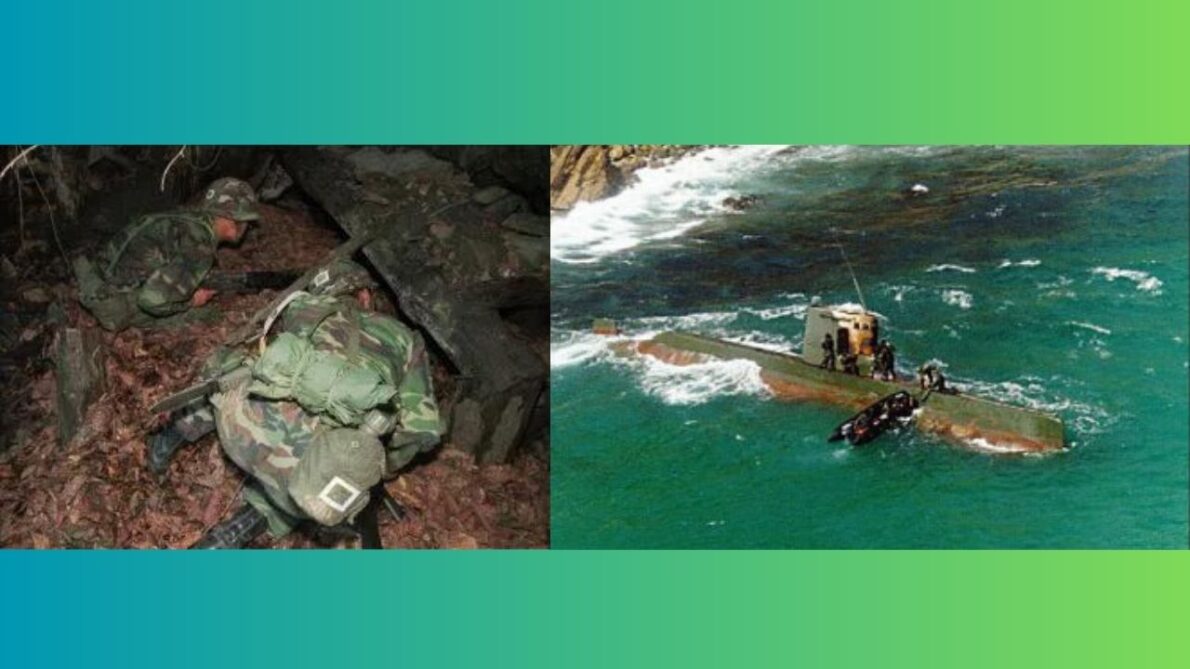
The Search And Capture Operation Of North Korean Spies, Triggered By The Stranding Of A Submarine In South Korea In 1996, Involved 40,000 Soldiers Over 49 Days, Revealing The Intensity Of Tensions And The High Level Of Military Preparation Between The Two Koreas.
In a dramatic operation that lasted nearly two months, South Korean forces mobilized more than 40,000 soldiers in search of North Korean spies after the accidental stranding of a North Korean submarine on the South Korean coast. The operation exposed not only the intense military surveillance between the two nations but also the extreme preparation of the spies to avoid capture at any cost.
On September 18, 1996, an unusual episode marked the already tense relationship between North and South Korea. A North Korean submarine, after a failed espionage mission, ran aground near the South Korean coast. The incident triggered one of the largest search operations in the country’s recent history, involving a deployment of 40,000 soldiers, as well as police and security agents.
In The End, Only One Of The North Korean Submarine Spies Was Captured Alive; He Later Became An Instructor In The South Korean Navy
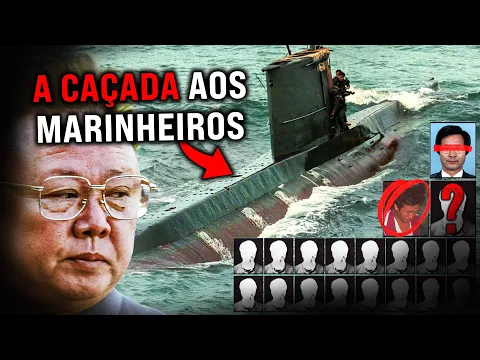

The 26 crew members of the North Korean submarine, all military personnel, abandoned the vessel and attempted to flee north. However, their presence was quickly detected by a local taxi driver who noticed something suspicious and alerted the authorities. What followed was an intense and lethal human manhunt that lasted 49 days.
-
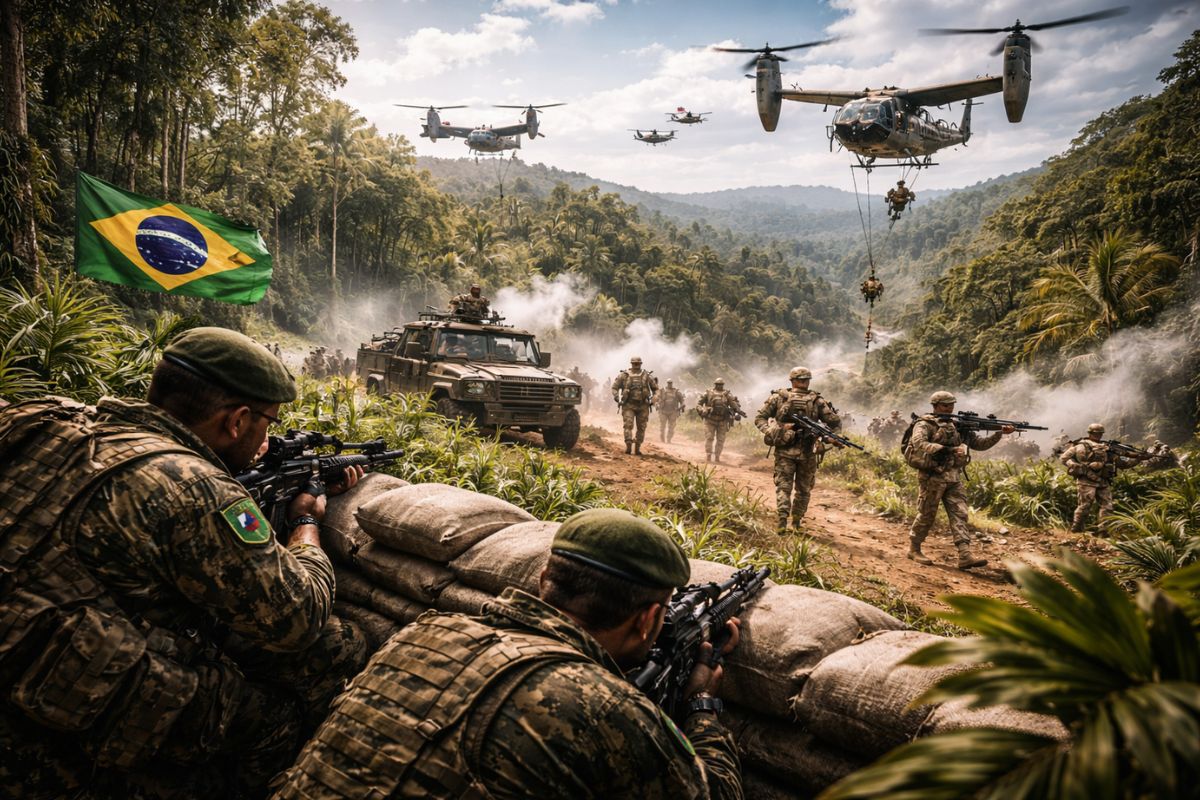
If the USA were to go to war with Brazil, Washington’s greatest fear would not be the attack itself, but facing a vast territory, prolonged resistance, and a costly, chaotic, and unpredictable occupation.
-
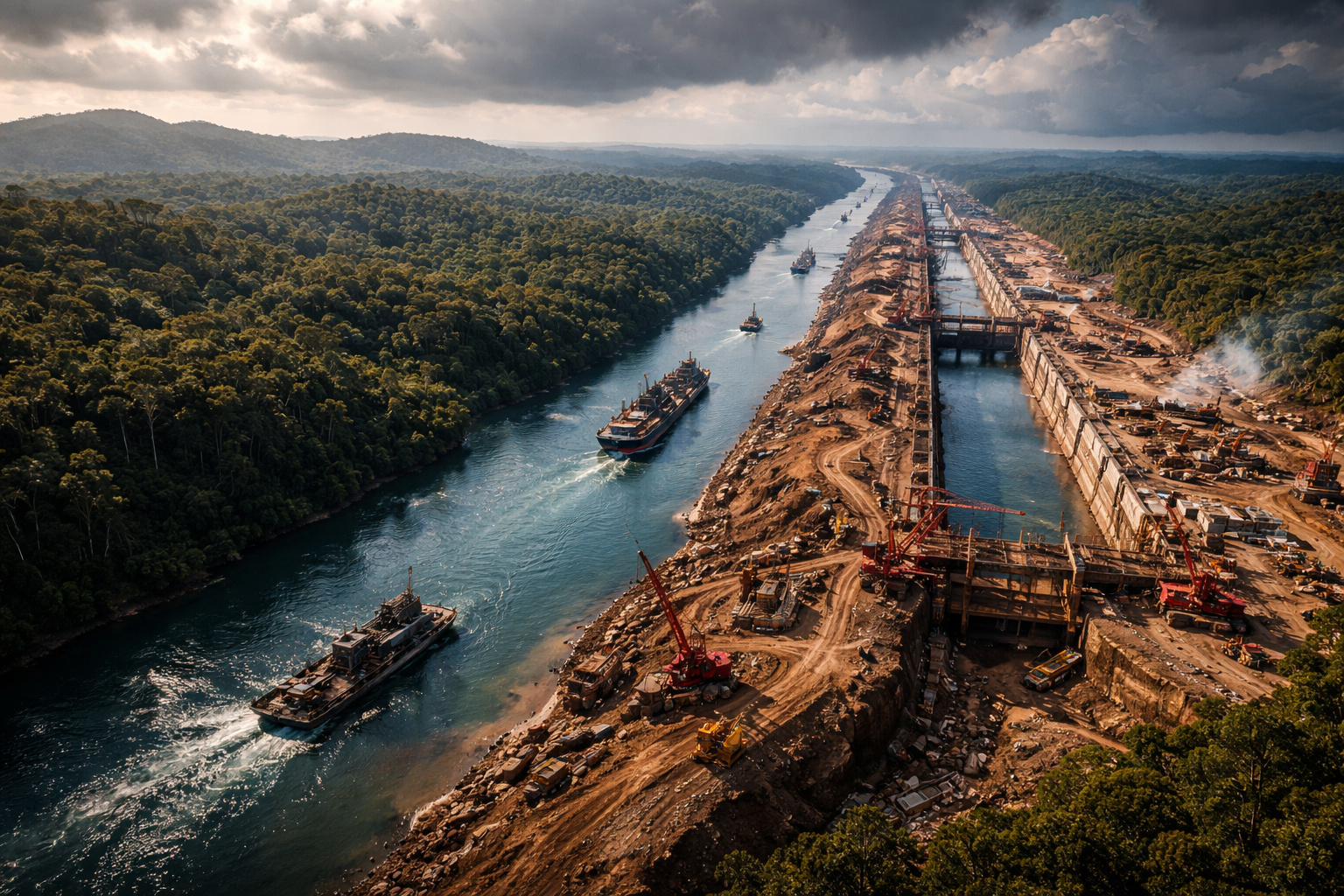
In 2013, Nicaragua sold the concession for a canal to rival Panama to a Chinese billionaire who lost 85% of his fortune, disappeared, and was declared bankrupt. Now the project resurfaces with a new route, a new Chinese partner, and a cost of $64.5 billion.
-
The USA announces a mysterious billion-dollar vault project to store critical minerals, but what intrigues experts is not just the plan itself, but why Latin America, including Brazil, has entered the center of this global dispute against China.

-
Trump Announces Bombing of U.S. Military Targets on Iranian Island Responsible for About 90% of Iran’s Oil Exports, Warns of Further Attacks if Navigation in Strategic Strait of Hormuz Is Threatened


The operation had moments of great violence. Initially, a group of North Korean soldiers was found dead with gunshot wounds to the head, in an apparent act of mass suicide to avoid capture. Other confrontations between South Korean troops and the fugitives resulted in several casualties on both sides. In the end, only one of the spies was captured alive; he later became an instructor in the South Korean Navy.
Questions About The Effectiveness Of Surveillance Methods And The Readiness Of South Korean Forces
The cost of the operation was astronomical, estimated at around $187 million at the time, and raised questions about the effectiveness of surveillance methods and the readiness of South Korean forces. Furthermore, the incident illustrated the extreme training and determination of North Korean agents, who were prepared to die rather than surrender.
This episode highlights not only the complexities of military surveillance and espionage on the Korean Peninsula but also the persistent hostility and distrust between the two Koreas. Even today, these relations continue to influence security and politics in the Asia-Pacific region.










Seja o primeiro a reagir!