





 Portuguese
  English
  Spanish
  4 min of reading
  0 comments


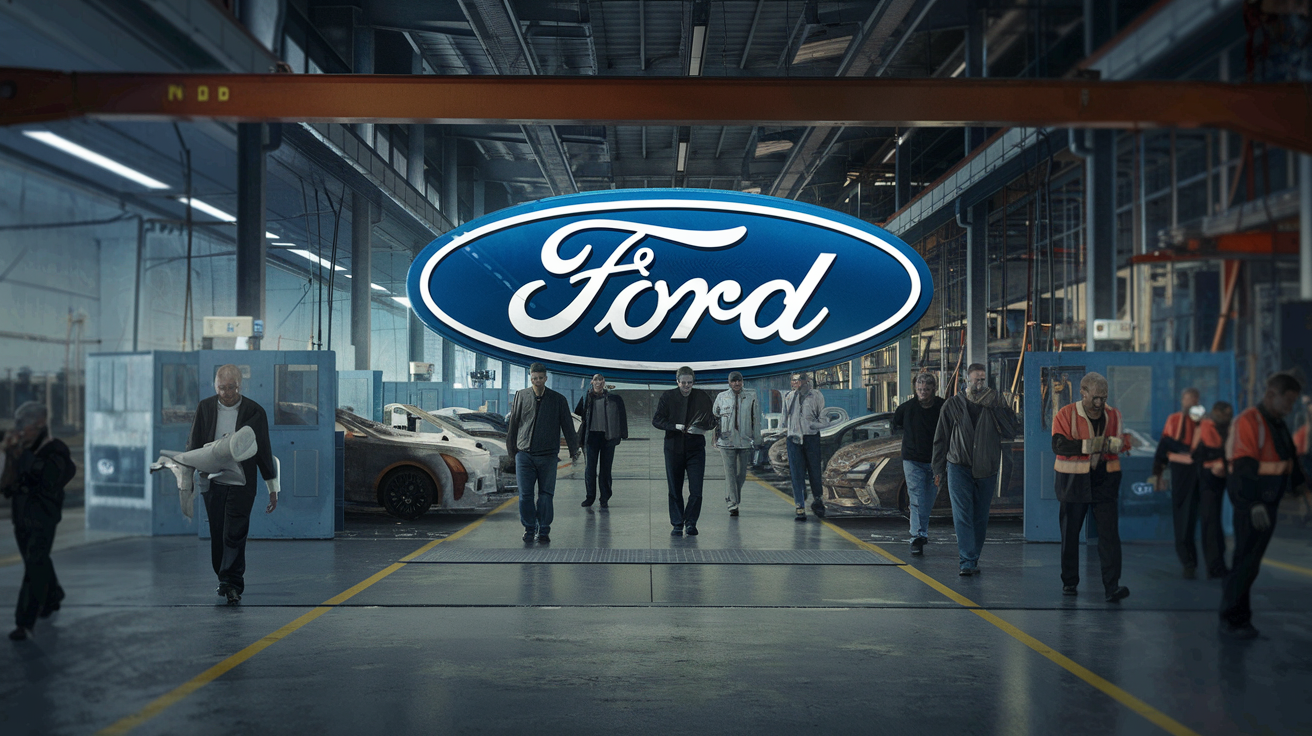
Ford Plans More 4 Thousand Layoffs Due to Challenges in Electric Transition. Lack of Incentives and Infrastructure Are Barriers to Electric Mobility in the Global Market.
Amid a global scenario of uncertainties, Ford announced a new round of cuts to its workforce in Europe, intensifying a contraction that reflects the challenges faced in the transition to electric vehicles.
About 4 thousand jobs will be eliminated by 2027, primarily in its operations in Germany and the United Kingdom.
The decision, which is already provoking reactions from unions and governments, highlights the impact of the slowdown in the electric automotive market, a trend that has also led to significant decisions in other parts of the world.
-
China alone accounts for 70% of trade within the BRICS, while Brazil establishes itself as an essential supplier of food and minerals: understand how the group, which already represents nearly 40% of the world’s GDP, is changing the game.

-
Starting in May, those who do not have registered biometrics will not be able to apply for Bolsa Família, sickness benefits, or unemployment insurance: understand the new rule that changes access to benefits for millions of Brazilians.

-
A new law being voted on in Brazil proposes a minimum fare of R$ 10 per trip and R$ 2.50 per kilometer for Uber and 99 drivers, and promises to ensure they earn as well as taxi drivers did during the golden age of taxis in the country.

-
Bauer Group collapses after failed judicial recovery: 25 years, 800 vehicles, and a network of gas stations leave a debt of R$ 50 million and 100 layoffs, exposing costs, tight margins, and expensive credit in Brazil.


This news brings back painful memories in Brazil, where, in 2021, Ford ended its industrial operations.
More than 5 thousand workers lost their jobs directly, while thousands of indirect jobs were eliminated. This move marked one of the largest industrial contractions in the country’s recent history.
Why is Ford Cutting Jobs in Europe?
The cuts announced by Ford correspond to 14% of its workforce in Europe.
According to the company, the decision is a response to the need to reassess its strategy in the electric market, which faces barriers such as lack of charging infrastructure, reduction in government incentives, and broad economic challenges.
In Cologne, Germany, the automaker has already confirmed the reduction of production of electric models, such as the Explorer and Capri.
According to John Lawler, Vice President and Chief Financial Officer of the company, the transition to electric vehicles requires more robust support from governments.
“What is lacking in Europe and Germany is a clear and effective political agenda to drive electric mobility,” Lawler stated.
He also highlighted the need for more public investment in infrastructure, in addition to significant tax incentives to accelerate the adoption of electric vehicles.
The Impact on the Electric Vehicle Market
Since 2021, Ford has committed to drastically reforming its operations in Europe, aiming to become nearly fully electric by 2030.
However, the global automotive market has shown signs of slowdown, with competitors like Volkswagen and Stellantis issuing alerts about profits and revising targets.
The slowdown in electric vehicle sales also reflects a change in consumer behavior, which is facing high inflation and rising interest rates.
Furthermore, the retreat of governments from subsidies for the purchase of electric vehicles is directly affecting automakers’ projections.
Ford’s Exit from Brazil: An Open Wound
Although the current focus is on Europe, the decision rekindles memories of Ford’s exit from Brazil, which occurred in January 2021.
After more than 100 years of operation in the country, the automaker closed its factories in Camaçari (BA), Taubaté (SP), and Horizonte (CE), ending its industrial operations and profoundly impacting the local economy.
About 5 thousand direct jobs were lost, in addition to thousands of indirect jobs.
The cities that housed the factories experienced significant economic shocks, with supplier companies declaring bankruptcy and the population facing high unemployment rates.
The reason given by Ford was the need to redirect investments to more profitable markets, especially in the electric sector.
However, the exit was also seen as a reflection of the difficulties faced by the Brazilian industrial sector, such as high tax burdens and inadequate infrastructure.
An Uncertain Future for the Electric Transition
Despite the challenges, Ford remains committed to electrifying its fleet.
However, the automaker’s steps have been more cautious, reflecting a reality that affects the global automotive sector.
The European Union and the United Kingdom have tightened their CO2 emission reduction targets, requiring automakers to make additional efforts in producing cleaner vehicles.
However, experts point out that, without robust charging infrastructure and consistent incentives, the transition to electric vehicles may be slower than expected.
Reflections for Brazil and the Global Market
Ford’s decision to continue adjusting its operations in Europe also brings lessons for Brazil.
While the country still deals with the economic impacts of the automaker’s exit, the national automotive market faces similar difficulties, such as the need for incentives for more sustainable vehicles and an infrastructure that supports the transition to new technologies.
Ford’s case highlights the complexity of adapting to a transforming industry, where local and global decisions are interconnected.
And you, do you believe that Ford’s exit from Brazil was a strategic decision or a mistake? How do you assess the impact of mass layoffs on the global industry?









Seja o primeiro a reagir!