





 Portuguese
  English
  Spanish
  3 min of reading
  0 comments



Tax Reduction Has Immediate Impact On Prices Of Toyota And Ford Cars, Benefiting Local Consumers.
A surprising reduction in car prices is making headlines. In the midst of an economic crisis that seemed never-ending, the government took a bold step by reducing the PAIS tax, one of the main taxes affecting vehicles in the country.
This change directly impacted automakers Toyota and Ford, which quickly adjusted their prices, igniting hope for consumers in Argentina. But what does this mean for Brazil? Should our country consider a similar measure to ease the financial burden on Brazilians?
At the end of August 2024, Argentina announced a significant reduction in the PAIS tax, from 17.5% to 7.5%.
-
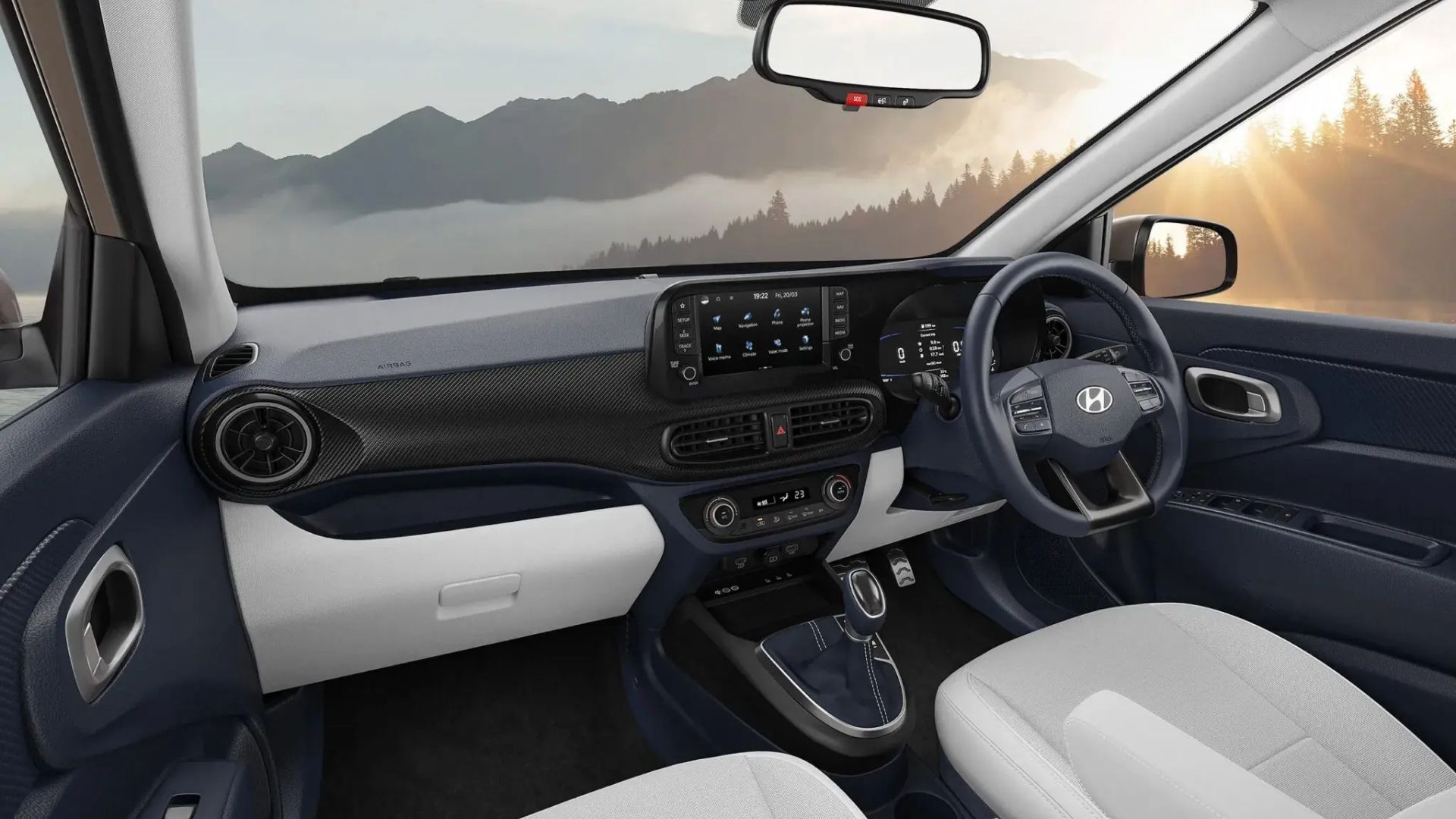
For R$ 32,000, a brand new Hyundai car is a rival to the Kwid with a 1.2 engine producing 82 hp, 6 airbags as standard, multimedia with wireless Android Auto, up to 391 liters in the trunk, and a refreshed look for 2026 in India.
-
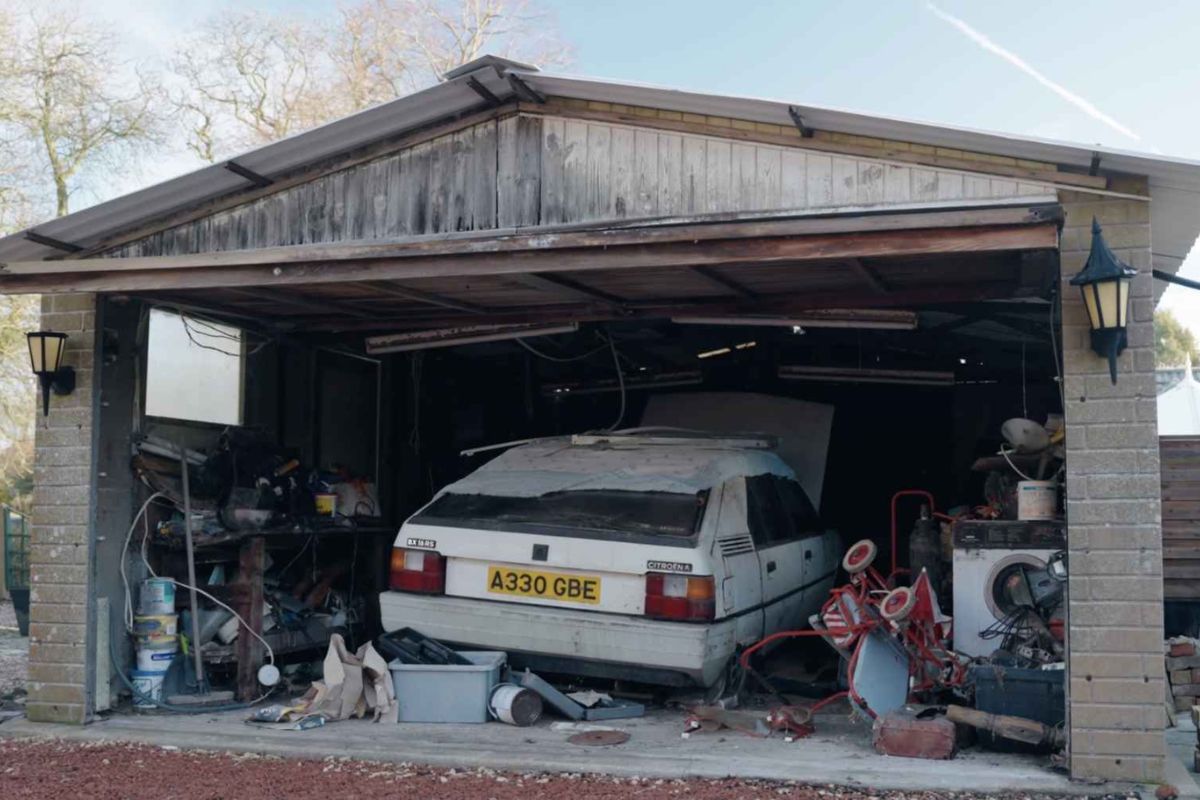
He bought a new car in 1983, locked it in the barn in 1988, and no one opened the door for 38 years until the family discovered what was stored inside and realized it looked like something out of a movie.
-
A 250cc motorcycle that can reach 560 km with a 14-liter tank, features disc brakes on both wheels and is among the most well-known in Brazil.

-
Man finds over 200 rare cars abandoned on a lot and tries to do the impossible in 8 hours with a surprise at the end.


This tax, instituted in December 2019 by then-President Alberto Fernández and raised by current President Javier Milei in 2023, applies to imports made with the “official dollar” sold by the Central Bank of Argentina.
The reduction aims to relieve the automotive sector, both in parts and vehicles, and has already begun to show immediate effects in the market.
Toyota Kickstarts Price Reduction
On September 2, Toyota was the first automaker to respond to the new tax rate, reducing prices on its vehicles produced in Argentina, such as the Hilux pickup, the SW4 SUV, and the Hiace van.
According to Motor1.com Argentina, prices fell by an average of 2% for locally manufactured models and 4% for imported ones. This measure provided relief for consumers seeking popular models like the Hilux and the SW4, which are also imported to Brazil.
For instance, the Chassis Cab version of the Hilux, very popular among Argentines and Brazilians, dropped from 29,789,000 pesos (about R$ 175.2 thousand) to 29,193,000 pesos (R$ 171.7 thousand), a reduction of 596,000 pesos (R$ 3.5 thousand).
Meanwhile, the more robust GR-Sport version fell from 68,812,000 pesos (R$ 404.9 thousand) to 67,436,000 pesos (R$ 396.9 thousand), a decrease of 1,376,000 pesos (R$ 8 thousand).
Ford Follows Toyota’s Strategy
Shortly after Toyota’s announcement, Ford decided to adopt the same strategy, reducing prices across its entire lineup in Argentina starting September 3.
Among the models most of interest to the Brazilian market is the Ranger, whose XL 4×4 version saw a significant reduction of 1,281,730 pesos (R$ 7.5 thousand), dropping from 42,731,000 pesos (R$ 251.4 thousand) to 41,449,070 pesos (R$ 243.9 thousand).
This fierce competition in the Argentine market is benefiting local consumers, but there are no signs yet that these price reductions will be reflected in Brazil.
Impact On The Brazilian Market: Should We Expect Something Similar?
The reduction in the PAIS tax and the subsequent fall in vehicle prices in Argentina raises an important question: Should Brazil consider a similar measure?
With a tax burden weighing heavily on consumers, especially in the automotive sector, the possibility of reducing taxes like IPI and ICMS could provide relief for those looking to purchase a new vehicle.
However, this possibility seems distant in the current Brazilian economic scenario, which faces fiscal challenges and a volatile market.
What do experts say?
Experts in economics and taxation claim that a reduction in vehicle taxes in Brazil could stimulate the automotive market, increase sales, and generate a positive impact on the economy overall.
However, they also warn about the fiscal consequences of such a measure. According to economist José da Silva, a decrease in automotive taxes in Brazil would have to be carefully planned to avoid imbalances in the government’s budget and negative impacts on other sectors.
Should Brazil Follow Argentina’s Example?
The Argentine government’s decision to reduce taxes and the quick response from automakers Toyota and Ford brings a relevant debate to Brazil.
With the constant increase in vehicle prices in the country, a similar measure could benefit Brazilian consumers and stimulate the market.
But, would the Brazilian government be willing to sacrifice part of its revenue to ease the tax burden on vehicles? This is a question that certainly deserves discussion.









Seja o primeiro a reagir!