





 Portuguese
  English
  Spanish
  4 min of reading
  0 comments



Secret Tests By Ford Reveal That Chinese Automakers Are Ahead In The Technology Race. Jim Farley, CEO Of Ford, Describes The Advancement As An “Existential Threat” To Western Manufacturers.
Could China’s dominance in the automotive sector be the biggest threat to the survival of Western giants? The surprising answer may lie in recent tests conducted by Ford with a Chinese SUV, which left the upper management of the automaker in shock.
During a strategic visit to the country, Ford’s CEO, Jim Farley, had the opportunity to experience firsthand what many still do not believe: Chinese automakers are ahead in technology and innovation, surpassing the major international brands that have dominated the global market for years.
The Impact Of The Chinese Ascent
In early September 2024, Farley, accompanied by CFO John Lawler, participated in rigorous tests in Chinese territory, evaluating models from various local automakers.
-
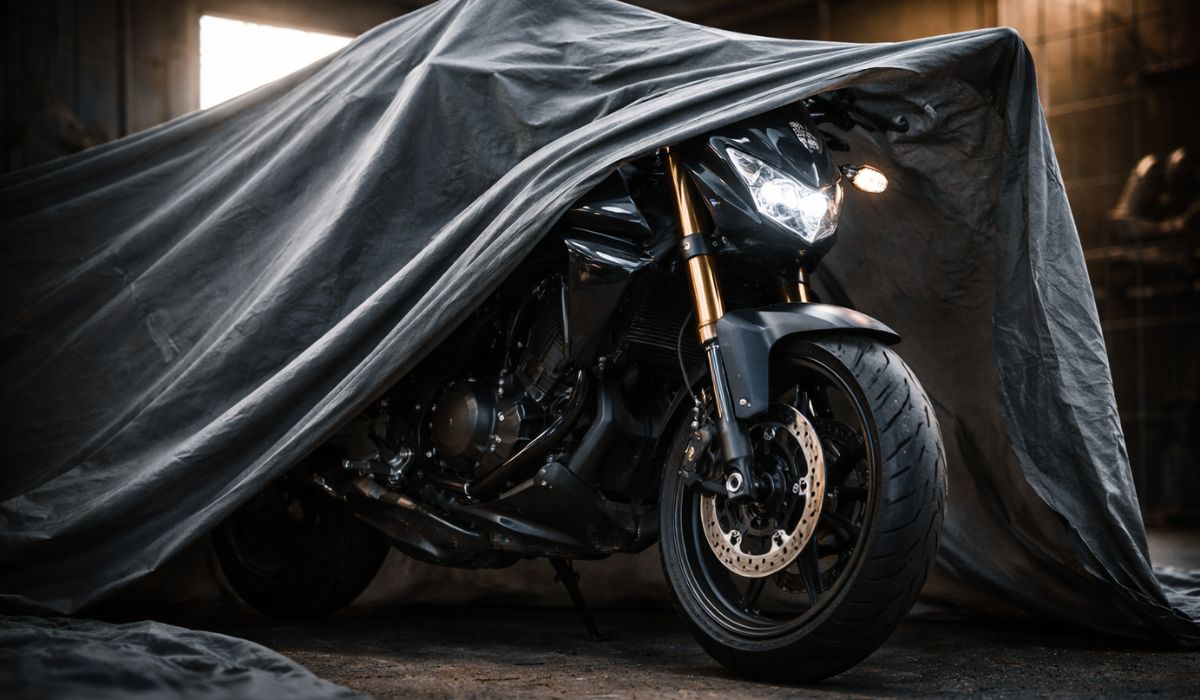
A 250cc motorcycle that can reach 560 km with a 14-liter tank, features disc brakes on both wheels and is among the most well-known in Brazil.
-
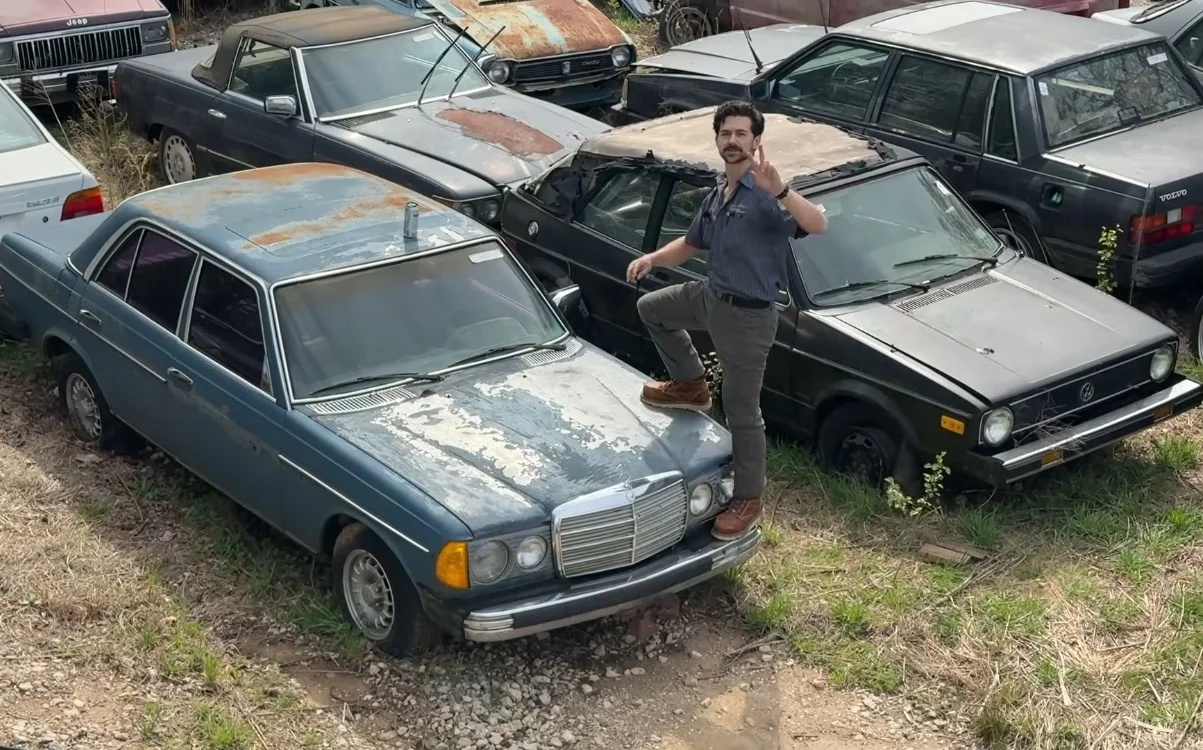
Man finds over 200 rare cars abandoned on a lot and tries to do the impossible in 8 hours with a surprise at the end.
-
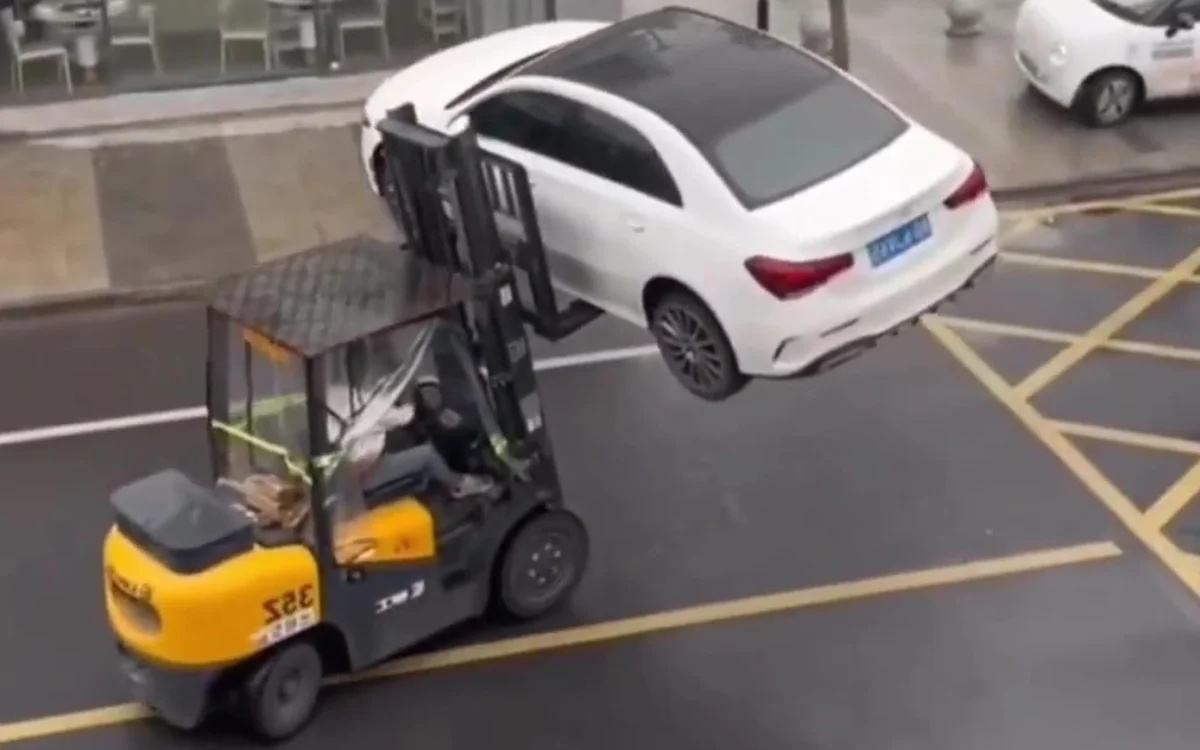
An irregular parking case gains attention after a Mercedes Classe A was removed in such a strange way that it even raised doubts about damage to the car.
-
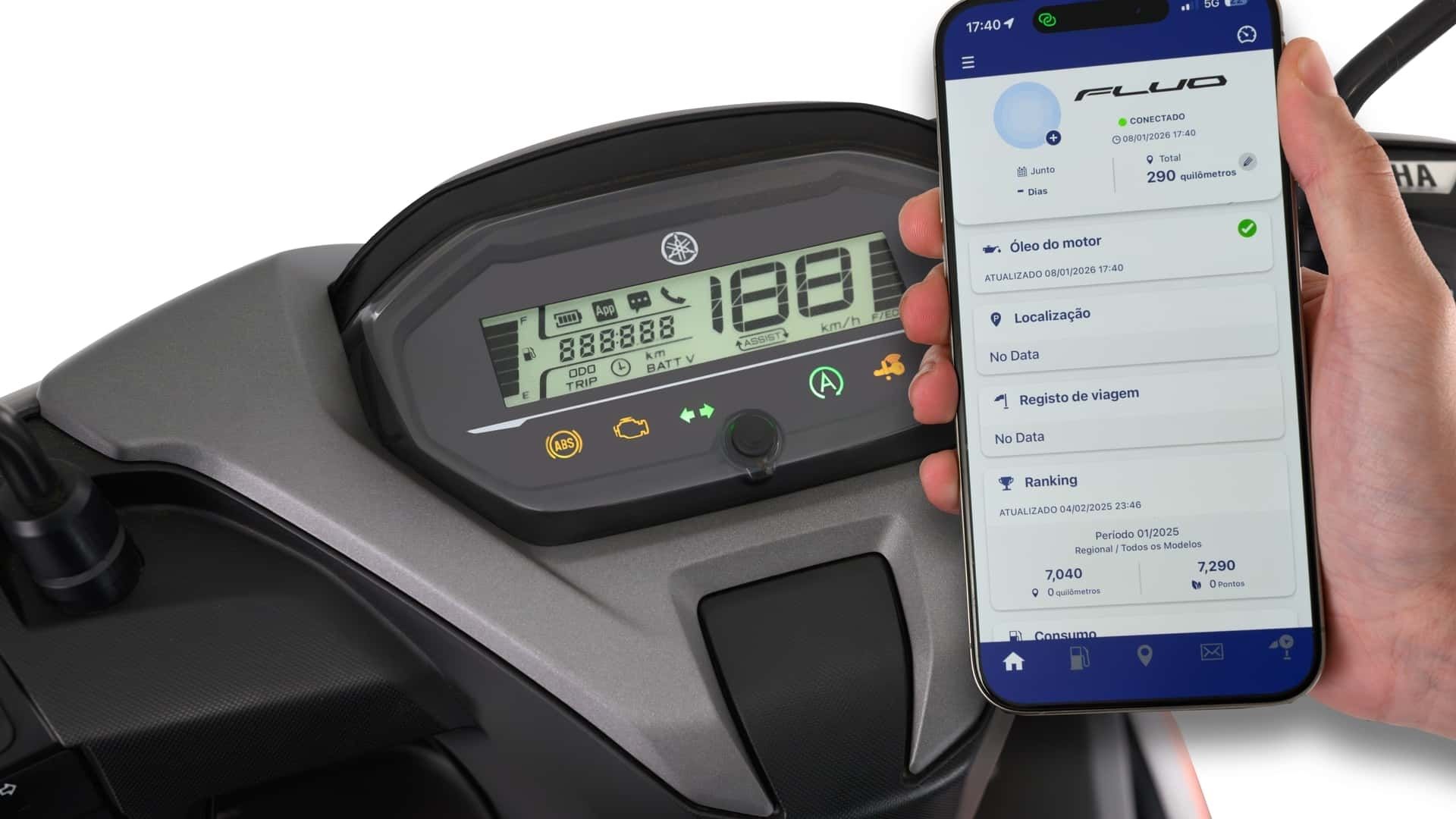
Costing R$ 16,000, the new Yamaha features a 125 cc hybrid engine with electric assistance, delivers 8.3 hp, includes ABS, optimized fuel consumption, Y-Connect connectivity, 25 liters of storage space, and a surprising 4-year warranty in the urban segment.

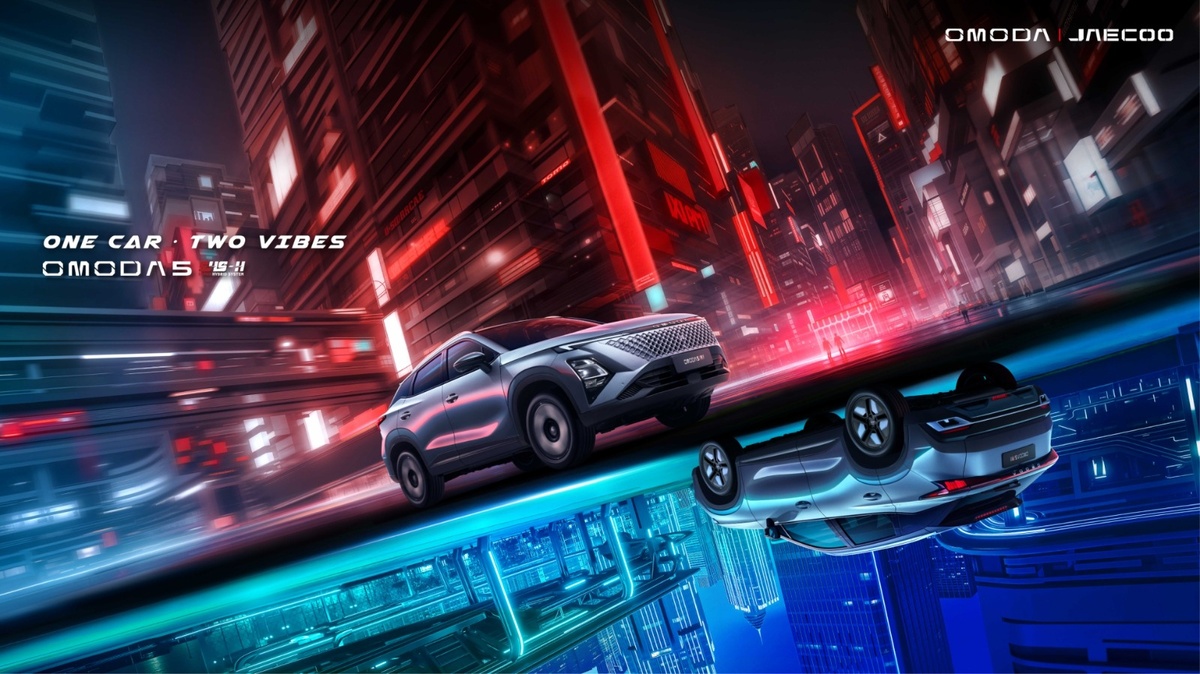
The big revelation was an electric SUV from Changan, a still-mysterious model that made a profound impact on the executive.
According to The Wall Street Journal, both Ford leaders were impressed with the quality, performance, and technology incorporated into the vehicle.
“These guys are ahead of us,” said Lawler next to Farley, who referred to the advancement as an “existential threat” to Ford and other Western automakers.
This moment of epiphany recalls Farley’s own words, who, on another occasion, made an analogy with the growth of Japanese automakers in the 1980s.
Brands like Toyota and Honda, which were initially underestimated, quickly took over the market with reliable and economical models that won over American and European consumers.
For Farley, the current situation with Chinese manufacturers reflects a similar scenario, but at an even faster pace. This brings new pressure for Western companies to adapt to the future of electric vehicles.
Ford And The Challenge Of Competing With Chinese Electrics
To face the advance of the Chinese, Ford has laid out an ambitious restructuring plan, with the launch of a new line of electric cars developed on platforms that promise innovation and competitiveness.
The company’s first affordable model, slated for 2027, is expected to cost around US$ 30,000 (R$ 160,000), directly competing with low-cost electrics produced by China.
“We are recruiting the best technical and creative professionals to develop our next electric vehicles,” said Farley, emphasizing the need for a radical change in Ford’s approach.
The company promises not only to bring affordable electric cars to market but also profitable ones, something that remains a challenge for many traditional automakers struggling to balance high production costs with competitive prices.
Strategic Setbacks And Delays
Despite all the ambition, Ford is facing setbacks in its plans. In July 2024, the automaker announced that it would no longer be possible to electrify its entire European line by 2030, a goal that had been set in previous years.
This change in strategy reflects the difficulties of adapting to a market that demands rapid and disruptive innovations. Hybrid and combustion models will still be available for sale, at least for now, in Europe.
Additionally, another emblematic project of the company has been postponed. The new generation of the F-150 Lightning, the best-selling electric pickup in the United States, is not expected to hit the market until 2027, two years later than planned.
Ford has also canceled the development of a seven-seat electric SUV, which was a crucial part of its strategy to compete with large family models from Tesla and European manufacturers.
Is The Answer In China?
The future of Ford and other Western automakers will depend on their ability to respond to the rapid growth of Chinese companies.
Brands like Changan, Geely, and BYD have been massively investing in research and development, dominating crucial sectors of the new automotive economy such as lithium batteries, artificial intelligence, and autonomous driving.
These advances, often ignored in the West, are leading China to a position of global leadership, something unthinkable just a few years ago.
For Ford, the discovery of this “existential threat” brings to light the need for quick adaptation, both in developing new products and in reshaping business strategies. However, what the next years will truly hold for Ford remains an unknown.
A New Era Of Challenges?
The Ford, alongside other Western automakers, faces one of the biggest challenges in its recent history. The rise of Chinese brands, with cutting-edge technology and affordable models, can no longer be ignored.
The real question now is: how will Ford and its competitors react to this overwhelming reality? Will the Western industry have the same agility that the Japanese demonstrated in the past? The answer to this question will define the future of global mobility.






Seja o primeiro a reagir!