





 Portuguese
  English
  Spanish
  4 min of reading
  0 comments


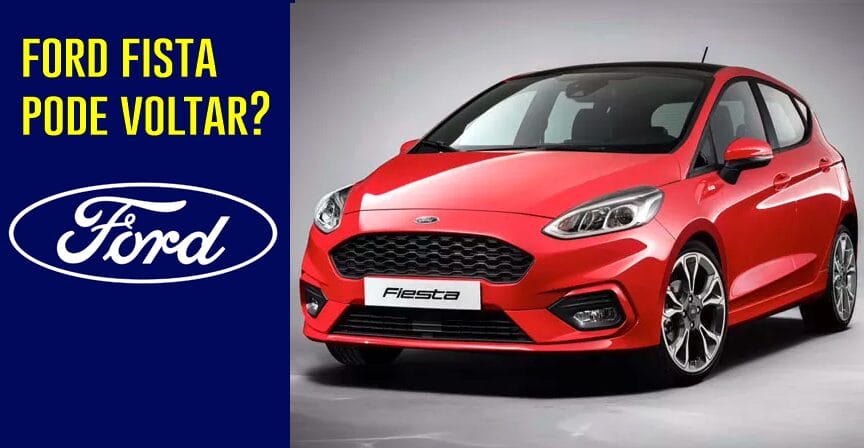
The Ford Fiesta Has Come to an End, but a Former Ford Leader Points to Two Guilty Parties Behind the Car’s Discontinuation. Understand What Led to the End of This Iconic Model and Why It Could Have Lasted Longer!
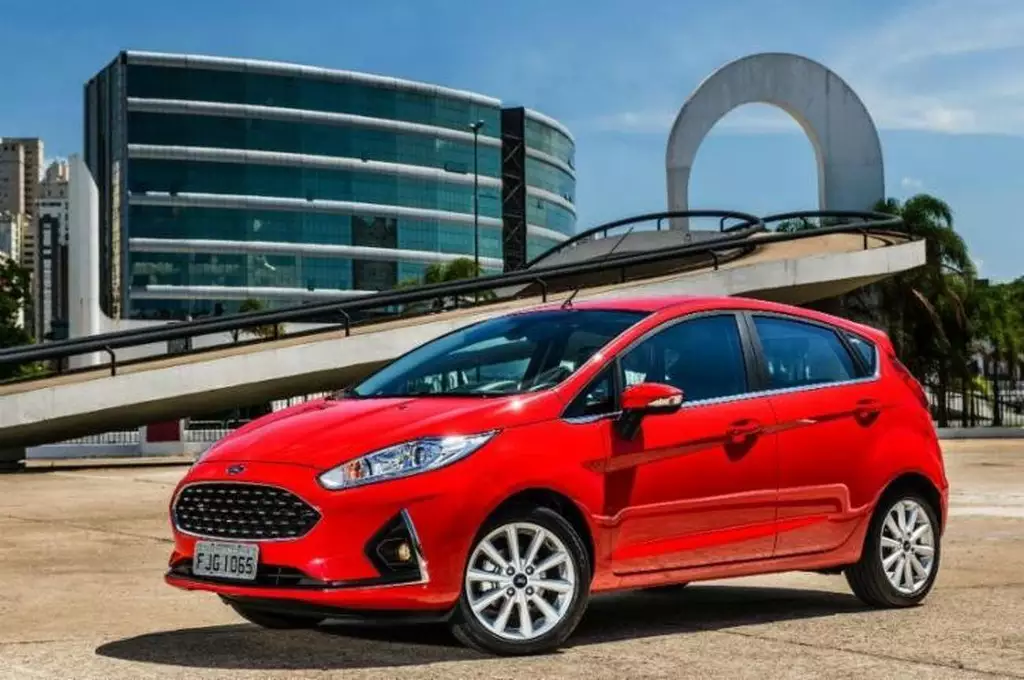
The Ford Fiesta is undoubtedly one of the most iconic vehicles in the history of the global automotive industry. Over nearly five decades of production, this compact car became synonymous with innovation, affordability, and global success.
With over 22 million units sold worldwide, the Fiesta has secured a special place among utility models. However, in 2023, Ford announced the end of production for this iconic car, surprising many fans and industry experts.
The decision, already anticipated by some, was driven by changes in the market and the strategic focus of the automaker. In Brazil, for example, the Fiesta production line was shut down in 2019, following the closure of Ford’s factory in São Bernardo do Campo, São Paulo.
-
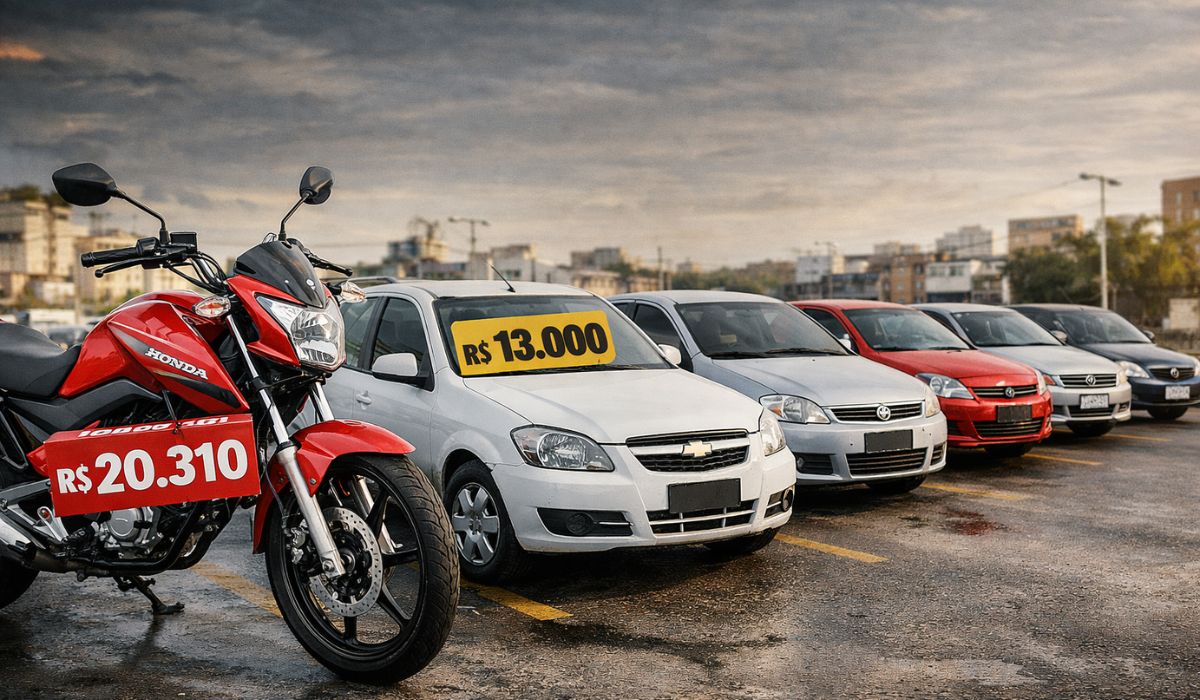
5 cheapest used cars than a Honda CG 160 Titan 0 km, with options starting at R$ 13,000 for those who want to trade their motorcycle for a car and escape the rain, sun, and risks of riding.
-
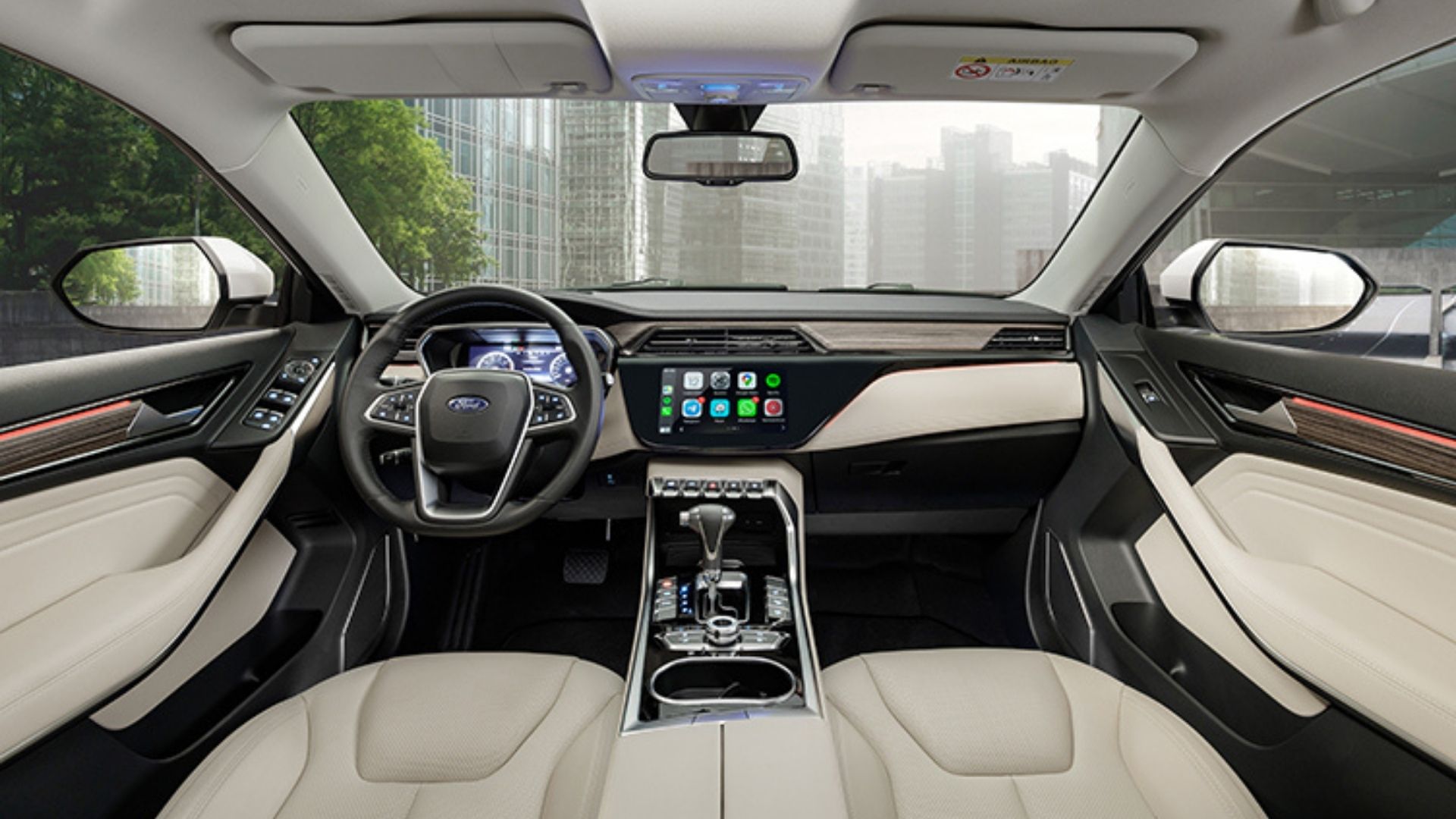
Around R$ 24,000: 4 used Ford SUVs with up to 253 hp, V6 engine, all-wheel drive, 7 airbags, panoramic sunroof, and a complete package that surprises with its price and performance in Brazil.
-
A brand new car starts at around R$ 75,000 in Brazil, but what stands out the most is seeing streets filled with SUVs and expensive sedans in a country where millions remain in debt.

-
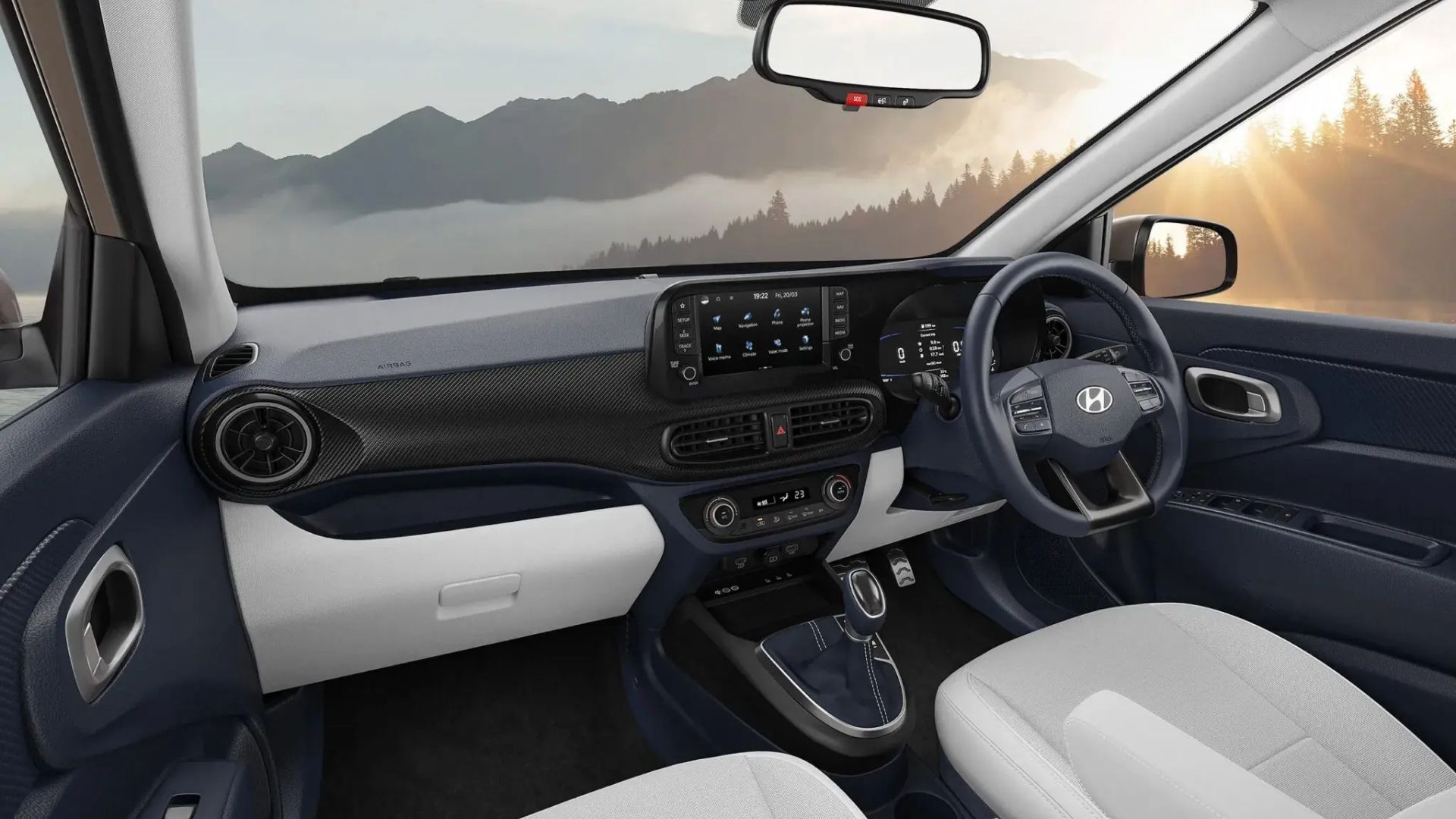
For R$ 32,000, a brand new Hyundai car is a rival to the Kwid with a 1.2 engine producing 82 hp, 6 airbags as standard, multimedia with wireless Android Auto, up to 391 liters in the trunk, and a refreshed look for 2026 in India.

The company’s current focus is on SUVs and the development of electric vehicles, such as the new Ford Explorer EV, leaving the Fiesta behind.
The Shift to Electric Cars
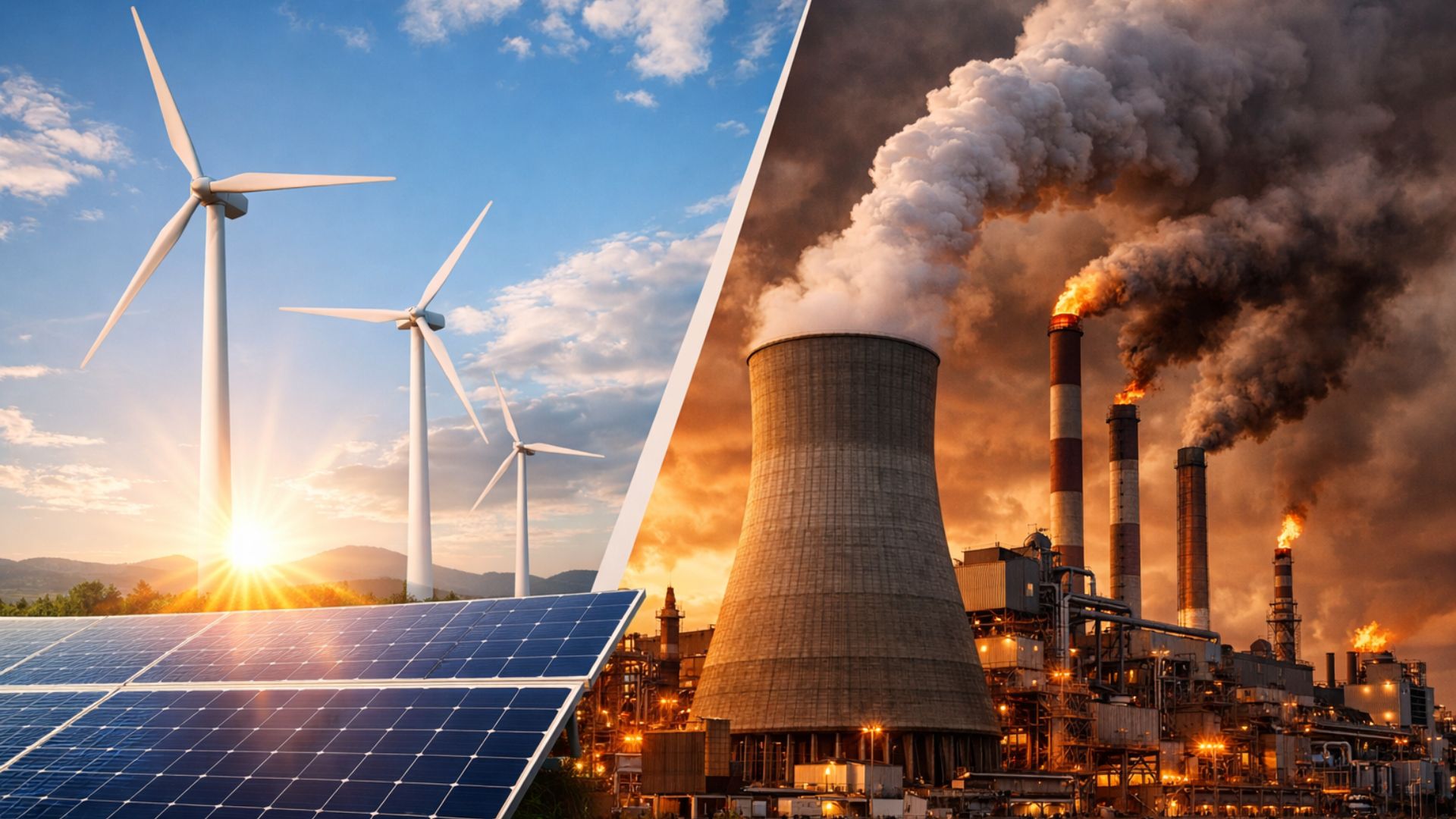
The end of Ford Fiesta production was not an isolated move, but part of a broader strategy by Ford to adapt to the demands for electric cars and the growing environmental regulations.
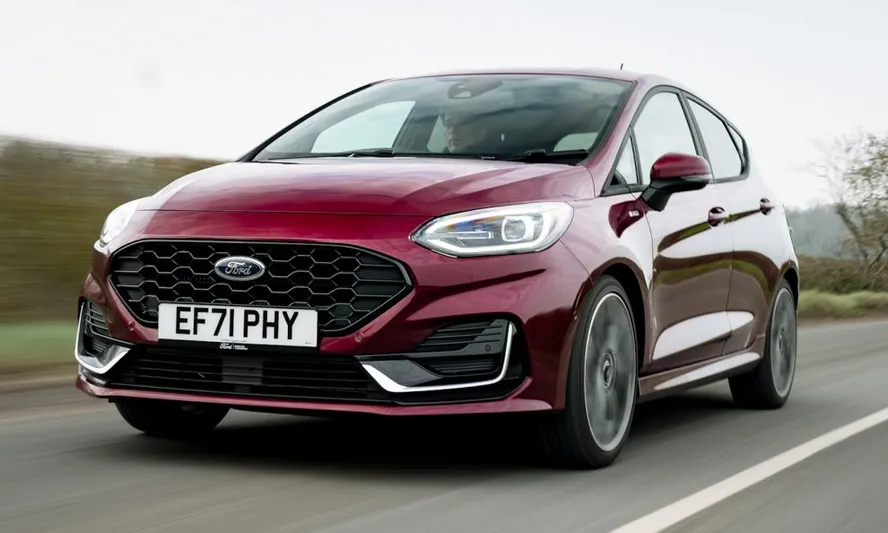
The automaker’s factory in Cologne, Germany, which was responsible for Fiesta production, underwent a major transformation. With an investment of over 2 billion euros, this unit now focuses on manufacturing electric vehicles, such as the Ford Explorer and the iconic Capri.
The transition to electric car production was driven, in part, by the strict regulations of the European Union to reduce emissions.
Gunnar Herrmann, former director of Ford in Germany, stated in an interview with the newspaper Kölner Stadt-Anzeiger that the decision to end the Fiesta cycle was inevitable given the current market demands and environmental restrictions.
According to Herrmann, the new CO₂ emission limits, which will come into effect next year, present significant challenges for manufacturers. He highlighted that even smaller companies could face heavy fines if they do not meet environmental targets.
Herrmann exemplified with Volkswagen, which could face penalties exceeding 250 million euros. For the former director, the transition to electric mobility will be challenging until 2027, a year in which he believes electric car production will become profitable.
Criticism of the Transition and Sector Challenges
Despite the optimism regarding the future of electric vehicles, Herrmann criticized the pace of the transition and the lack of support for workers in the industry.
According to him, retraining the workforce is one of the most neglected points in this transition process. With the electrification of production lines, new skills and certifications are required, and workers must be prepared to handle the technological demands of the future.
This criticism reflects a problem faced by many traditional industries undergoing a transition to sustainable models. The time required for a complete reconfiguration of production processes, combined with advancements in technology, presents challenges for both companies and workers.
Without coordinated action, this change may be slower than expected, hindering the industry’s advancement.
Ford Fiesta: A Milestone in the History of Compact Cars
Throughout its 47 years of existence, the Ford Fiesta has built an undeniable legacy. Its unique features and market impact place it among the most iconic cars in modern history. Below, we explore the key factors that made the Fiesta a success:
- Popularity and Sales: Since its launch, the Ford Fiesta quickly became one of Ford’s best-selling models. Its combination of attractive design, compact size, and affordable price won over a wide range of consumers, especially in emerging markets and Europe.
- Innovation and Technology: The Fiesta has always been at the forefront of technology. Throughout its various generations, the car incorporated significant innovations, such as advanced entertainment systems, safety improvements, and fuel efficiency innovations.
- Impact on the Compact Segment: Before the Fiesta, compact cars were often seen as basic options with few features. The model helped redefine this segment, proving that smaller cars could be sophisticated and well-equipped.
- Versatility: Over the years, Ford has offered various versions of the Fiesta, from sporty models to more economical versions, catering to different consumer profiles.
- Competitive Legacy: In addition to being a success on the streets, the Fiesta also stood out in motorsport competitions, further solidifying its status as a versatile and reliable vehicle.
Possibility of Return
Although the Ford Fiesta has exited the scene, the possibility of a return is not ruled out. Ford CEO Jim Farley has suggested that the company is developing a new line of small and affordable vehicles, likely electric, to compete with Chinese brands dominating the sector. This leaves the hope that, in the future, the Fiesta name may once again be associated with an innovative and sustainable model.
Meanwhile, the global automotive market continues to transform, and consumers remain in search of mobility solutions that reconcile practicality, efficiency, and environmental responsibility.
The legacy of the Ford Fiesta will remain a reference point, and perhaps it will inspire new generations of compact vehicles in the coming years.
Thus, even though the “party” has ended, the impact of the Ford Fiesta on the industry and in the hearts of its fans will continue to resonate for a long time.






-

Uma pessoa reagiu a isso.