





 Portuguese
  English
  Spanish
  5 min of reading
  1 comment





With a Daily Loss of R$ 1.5 Million and Facing the High Cost of “Custo Brasil,” Ford Closed Its Operations in the Country. In the Irmãos Dias Podcast, Expert Boris Feldman Reveals the Background of This Decision.
In recent years, the Brazilian automotive market has witnessed significant changes, and Ford’s closure of its operations in Brazil in 2021 was one of the most impactful events.
After all, what led this giant of the automotive sector, with decades of history in the country, to make such a drastic decision? Despite speculations, the reasons go far beyond a simple desire for financial restructuring.
According to experts, Brazil faces a landscape filled with economic and structural challenges that were decisive for the automaker to close its doors, impacting thousands of jobs and consumers.
-
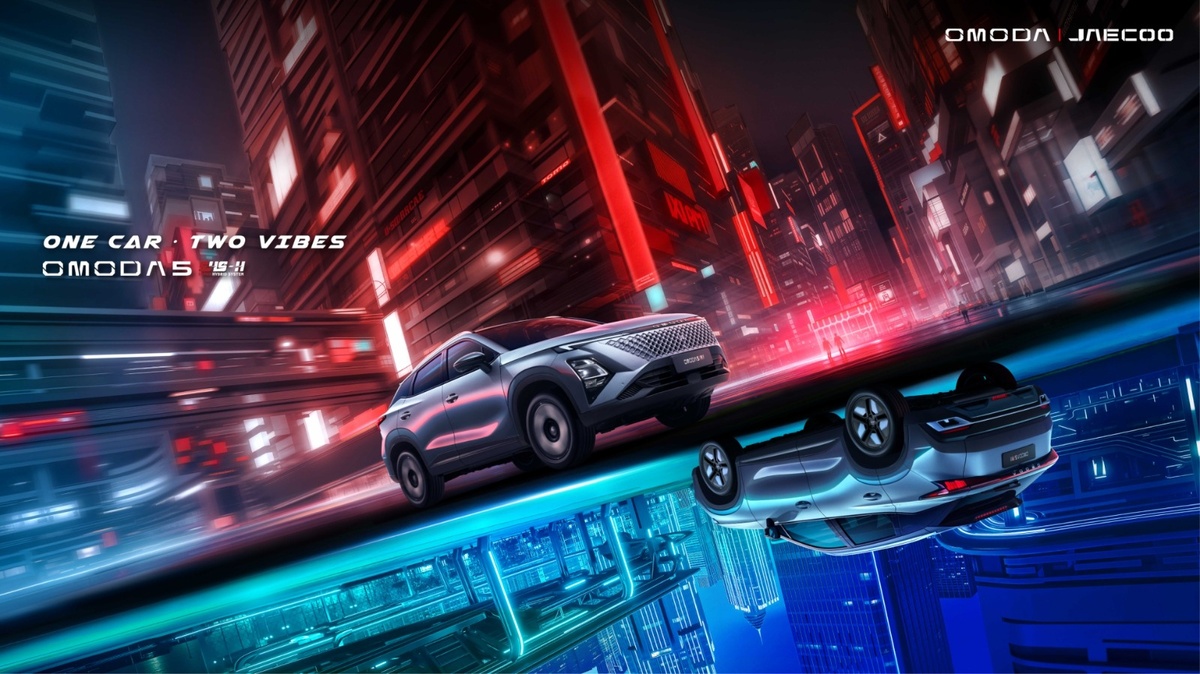
OMODA & JAECOO grows in Europe in 2026 with an integrated strategy of sales, innovation, local production, and technological advancement in the United Kingdom, Italy, and Spain.
-
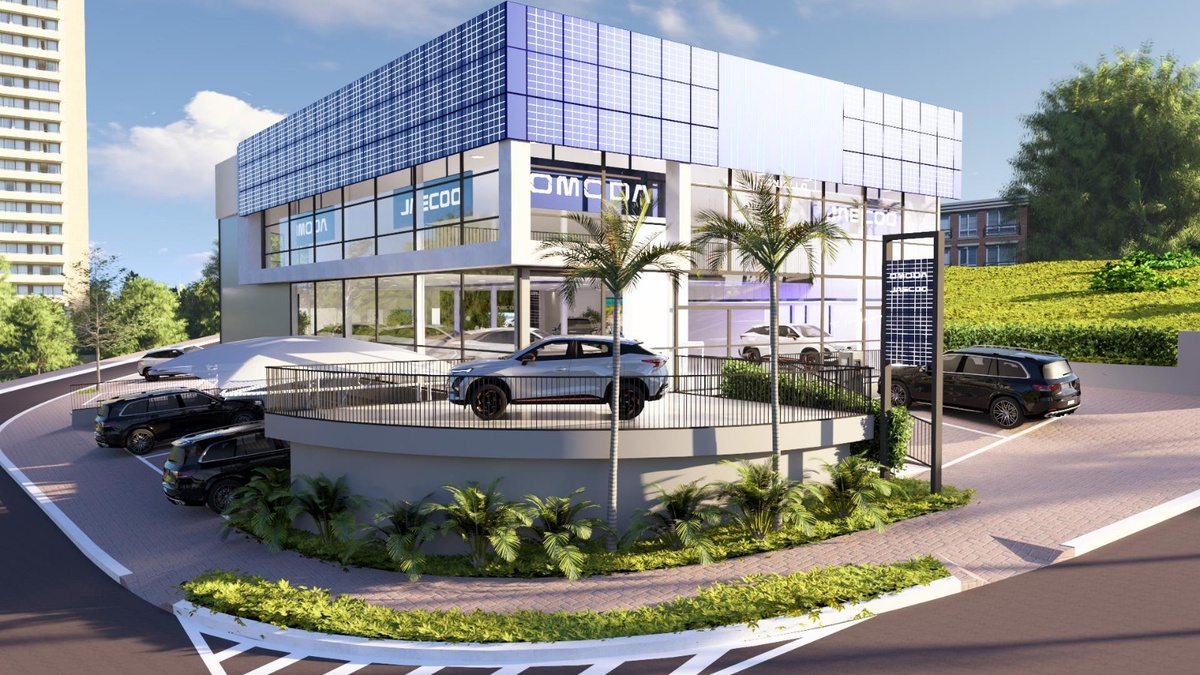
OMODA & JAECOO expands after-sales service in Brazil with competitive maintenance, a 7-year warranty, and high availability of parts for technological SUVs.
-
OMODA & JAECOO appoints Alessandra Souza as executive marketing director in Brazil and accelerates brand expansion with a focus on innovation, networking, and hybrid portfolio.

-
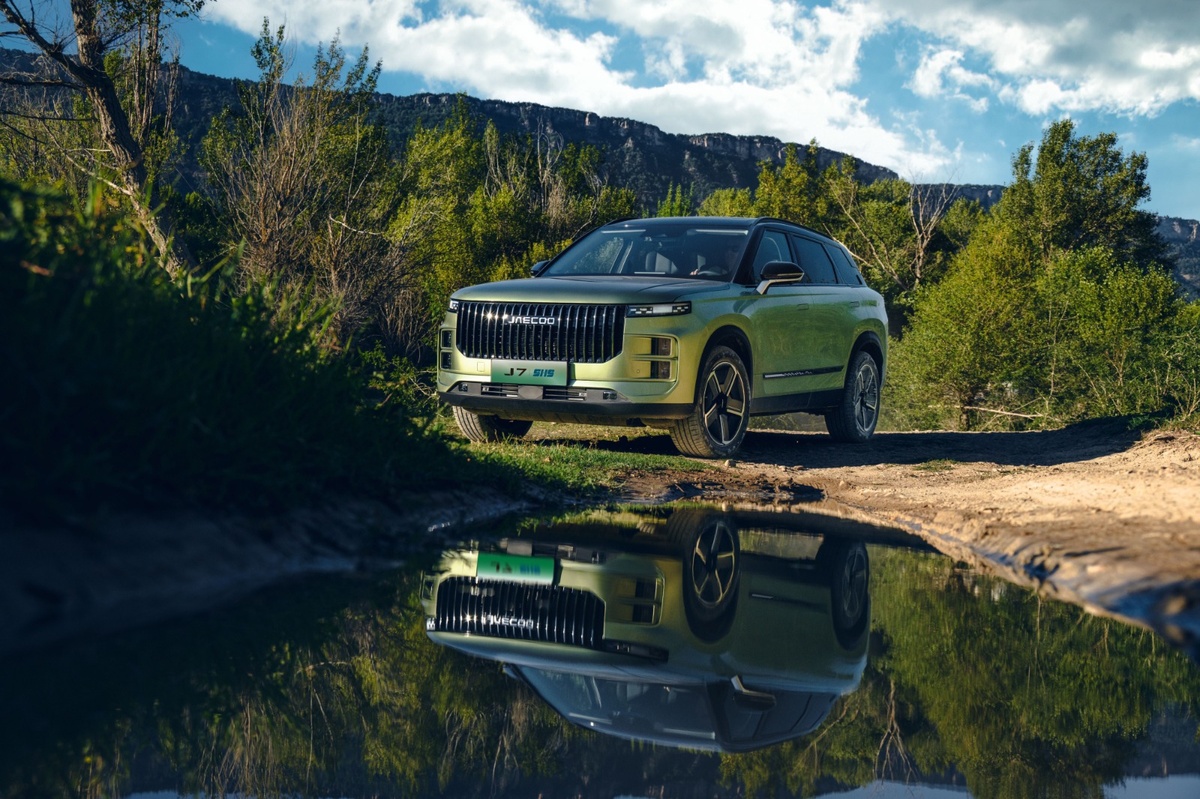
Jaecoo 7 with super hybrid SHS system exceeds 1,200 km of combined range with a 1.5 turbo engine, high-density battery, and intelligent energy management.

In the second episode of the Irmãos Dias Podcast, journalist and automotive market specialist Boris Feldman provided details about the reasons behind this decision and the long-term impacts it is expected to cause.
Ford Was Accumulating an Astronomical Daily Loss in South America, especially in Brazil.
According to Feldman, “the automaker was losing about R$ 1.5 million per day in the region, mainly due to a combination of poor management, high taxes, and elevated operational costs.” Let’s understand the key points presented by the journalist.
Constant Loss and High Costs
One of the decisive factors, as explained by Boris Feldman, was the daily operational loss faced by Ford in South America.
According to him, operations in the region proved to be unsustainable.
“Ford was losing R$ 1.5 million per day in South America,” emphasized Feldman, highlighting that the automaker failed to manage its business well in the region.
These costs were not only related to market challenges but also to the high taxes in Brazil, which make vehicle production significantly more expensive than in other countries.
As Feldman reported, “when one real is paid in the price of a car, between 40% and 50% of this amount goes directly to the government in the form of taxes.”
“Custo Brasil” and the Difficulties of Operation
Another point raised by Feldman in the podcast was the “Custo Brasil,” a term used to describe the set of factors that drive up production and operational costs for companies in the country.
These obstacles range from the high tax burden to transportation logistics costs, affecting everything from the importation of parts to the distribution of final products.
According to the journalist, “the cost to bring imported parts is extremely high, and transportation on Brazilian roads, often riddled with potholes, increases freight costs even further.”
This situation causes Brazil to lose competitiveness in the global automotive market, placing the automakers operating in the country at a disadvantage.
“Unlike the United States, where the tax burden on vehicles is about 7% to 8%, in Brazil it can reach 45%,”
Feldman highlighted.
These differences directly impact companies like Ford’s ability to maintain a competitive profit margin.
The Dependence on the Chinese and Argentine Markets
With the closure of Ford’s factories in Brazil, the automaker has become reliant on other countries to supply the national market.
Today, some of the brand’s most popular models, such as the Ford Territory and the Ranger, are imported from Argentina and China.
According to Feldman, “the Territory is a beautiful and well-rated SUV, but it comes directly from China.”
This dependence increases costs and limits options for Brazilian consumers, who now rely on exchange rates and international logistics to acquire a Ford vehicle.
Additionally, as pointed out by the journalist, the Chinese market is becoming increasingly present and influential in the Brazilian automotive sector.
China, the world’s largest manufacturer of electric vehicles, has also been investing in hybrid and electric models.
For Feldman, “Chinese electric cars already dominate countries like Norway, and this reflects the quality and competitiveness of these vehicles.”
This advancement creates a scenario in which domestic production faces additional challenges.


Expansion of Electric Vehicles and the Uncertain Future of Automakers
The market for electric vehicles is growing globally, and China stands out as a pioneer in the sector.
As Feldman explained, even Ford’s CEO, Jim Farley, acknowledged the superior quality of Chinese electric vehicles compared to their American counterparts.
During a visit to China, Farley tested some of these models and stated that “the Chinese are better than ours” in reference to electric vehicles.
This public recognition signals the pressure that traditional automakers, such as Ford and Volkswagen, face to remain competitive.
“Volkswagen, for example, is chasing profits by forming partnerships with Chinese and American companies to enhance their electric vehicle technologies,” explained Feldman, adding that the automotive sector is experiencing an unprecedented shift.
The Innovation Attempts of General Motors in Brazil
General Motors (GM) has also faced difficulties in Brazil, especially in the electric segment.
As Boris Feldman detailed, GM did not succeed with models like the Chevrolet Bolt, but is now betting on new alternatives, such as the electric SUV Equinox.
According to him, GM’s initial attempt with electric cars encountered issues, but the company is adapting its models and investing in technologies that meet consumer expectations.
The Role of WEG and the Issue of Hybrids in Brazil
A possible hope for the sector is the partnership between Volkswagen and WEG, a Brazilian multinational specialized in motors and electric technologies.
This collaboration aims to create battery technologies and other components for electric vehicles, although Feldman emphasized that it is not yet a formalized partnership for battery car production.
This collaboration points to the growth of the hybrid market in Brazil, which could attract consumers looking for economical and sustainable alternatives.
For the journalist, one of the best options for Brazilian consumers is the plug-in hybrid car, which allows daily use on electricity and the flexibility of a combustion engine for long trips.
“With a plug-in hybrid, it is possible to drive up to 150 km in electric mode, which is enough for daily use without relying on gasoline,”
Feldman explained.
The Future of the Automotive Market in Brazil
Ford’s exit from Brazil exposes the structural and economic challenges of the country that affect the operations of major automakers and influence competitiveness in the global market.
With the expansion of electric and hybrid cars, Brazil still needs to overcome significant barriers such as charging infrastructure and high operating costs.
What do you think? Do you believe Brazil will be able to adapt to the new demands of the global automotive market? Comment below and share your opinion!







As demais montadoras passaram pelos mesmos problemas e estão aí. Os erros de administração foram fatais para a Ford, como ocorreu com a Ford Caminhões, falhas de fabricação sem recall, questões técnicas e implicações políticas foram determinantes para o fechamento no Brasil.