





 Portuguese
  English
  Spanish
  4 min of reading
  0 comments


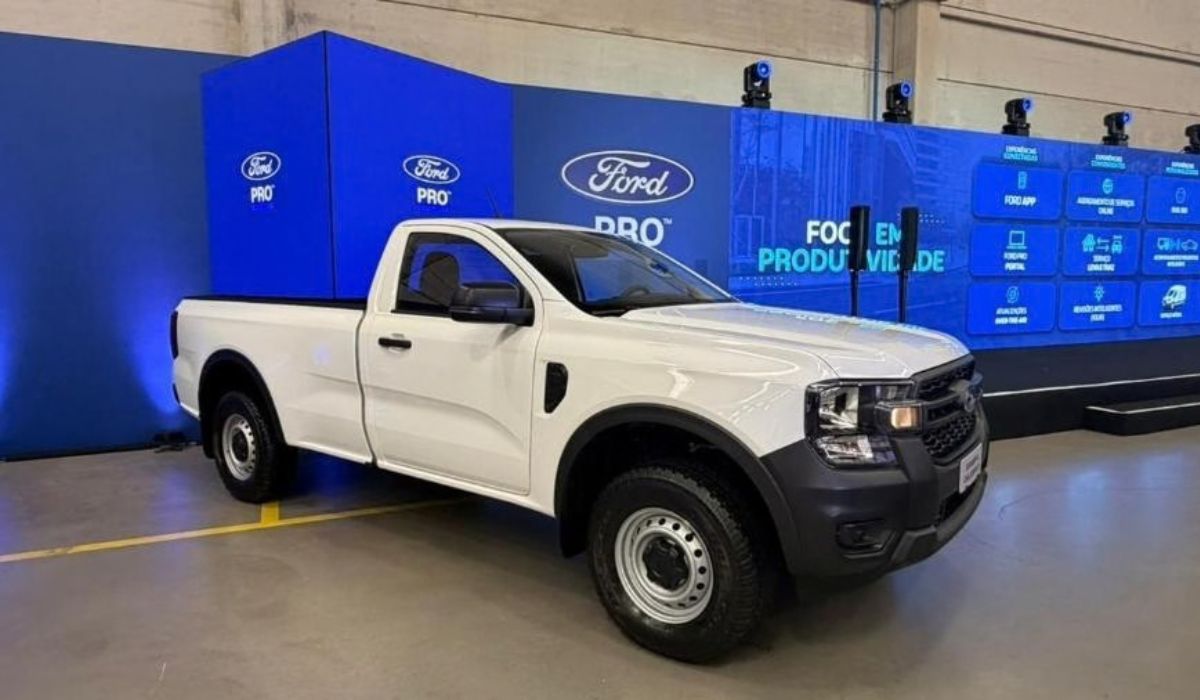
New Phase of Ford’s Midsize Pickup Repositions the Competition Among Work Versions in Brazil, Expands the Brand’s Presence in a Strategic Segment, and Rekindles Competition in a Segment Dominated by Traditional Rivals.
Ford has expanded the Ranger lineup in Brazil with two configurations aimed at professional use: regular cab and chassis cab.
The arrival of the new models places the brand’s midsize pickup in a market segment occupied by work versions of Toyota Hilux and Chevrolet S10, focusing on fleet owners, rural producers, and companies that use the vehicle for freight services and operations with implements.
According to the automaker, the new options will be part of the XL range, always with a 2.0 turbodiesel engine, 4×4 drive with low range, and the option of manual or automatic transmission.
-
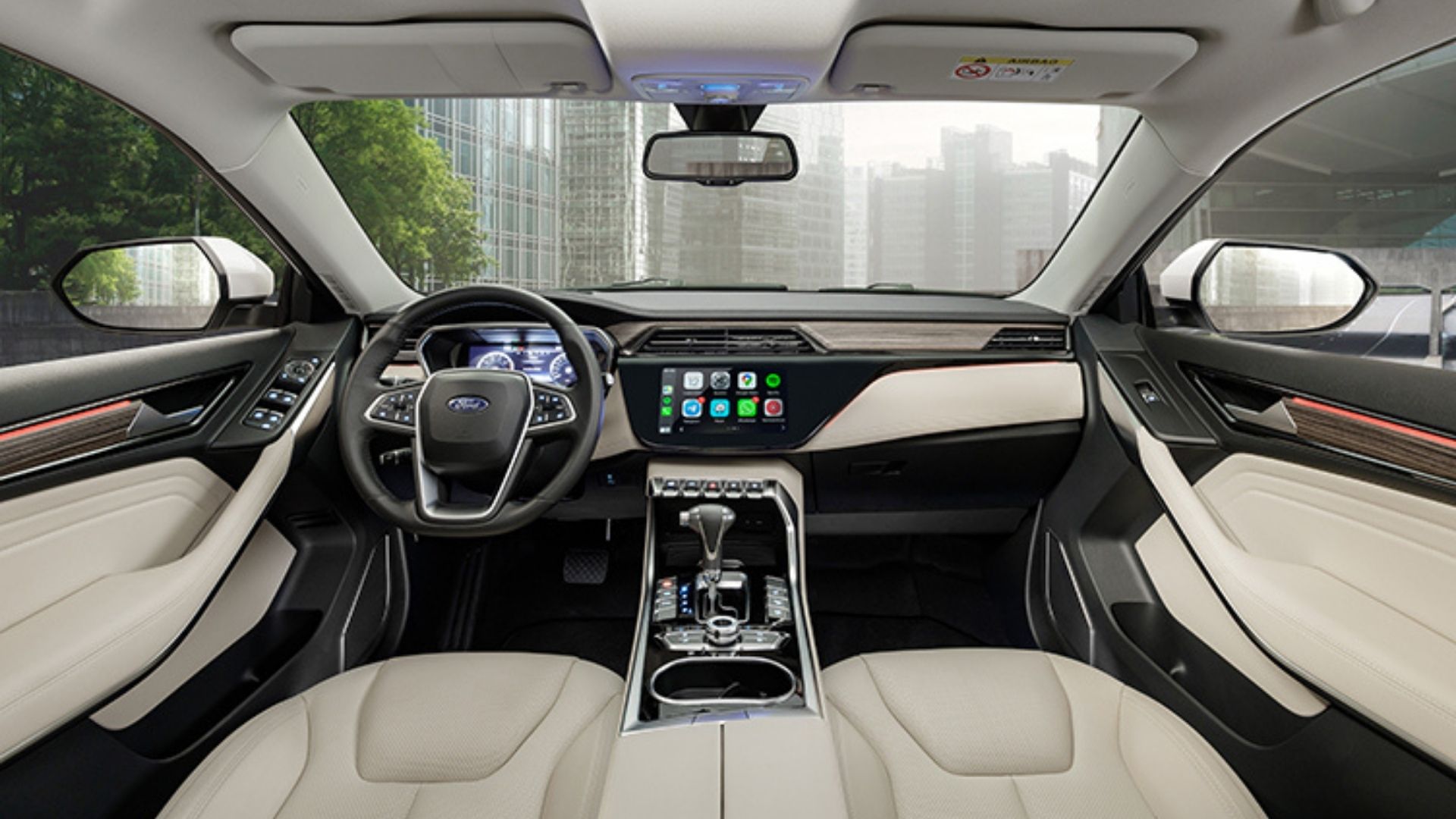
Around R$ 24,000: 4 used Ford SUVs with up to 253 hp, V6 engine, all-wheel drive, 7 airbags, panoramic sunroof, and a complete package that surprises with its price and performance in Brazil.
-
A brand new car starts at around R$ 75,000 in Brazil, but what stands out the most is seeing streets filled with SUVs and expensive sedans in a country where millions remain in debt.

-
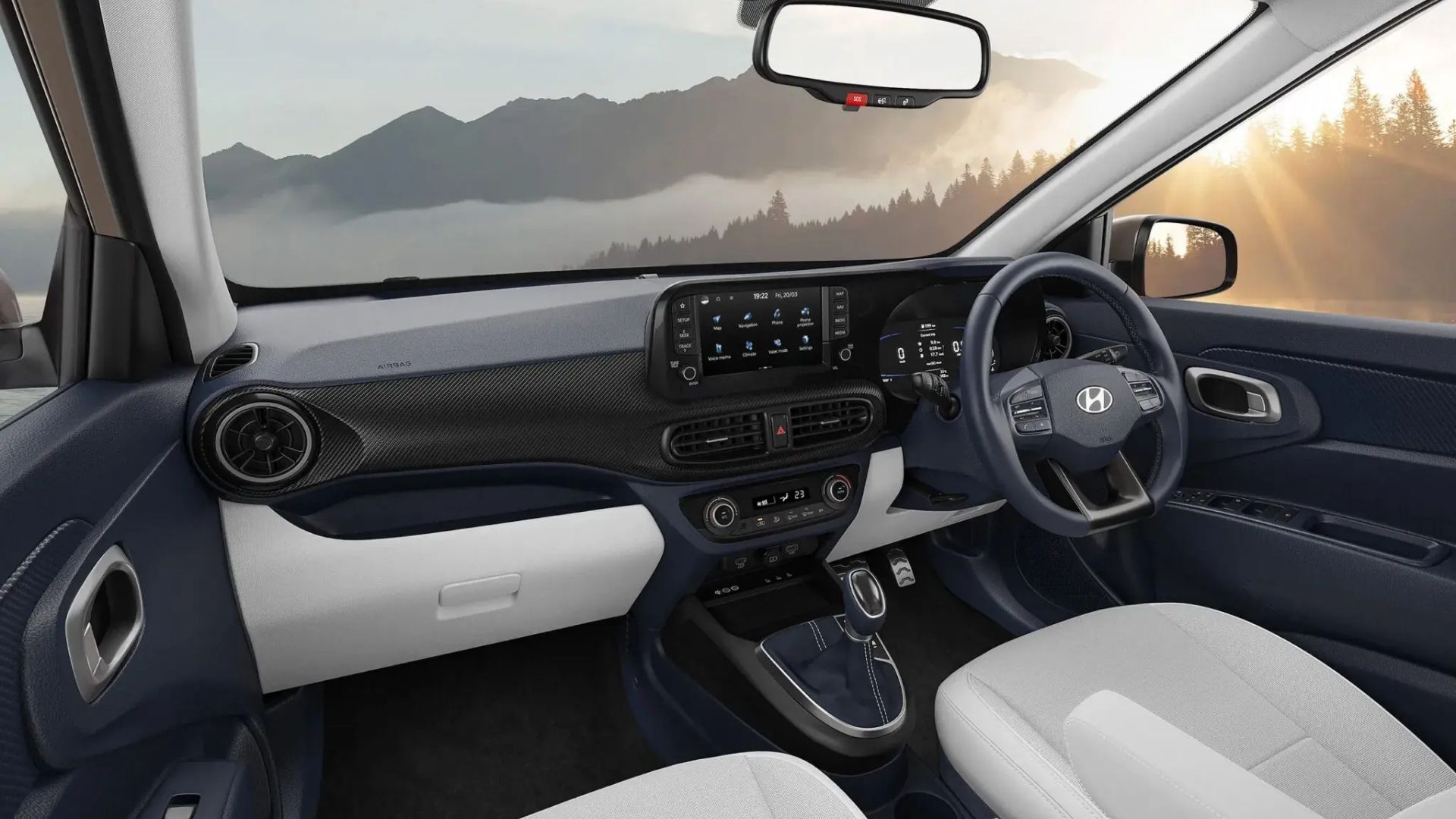
For R$ 32,000, a brand new Hyundai car is a rival to the Kwid with a 1.2 engine producing 82 hp, 6 airbags as standard, multimedia with wireless Android Auto, up to 391 liters in the trunk, and a refreshed look for 2026 in India.
-
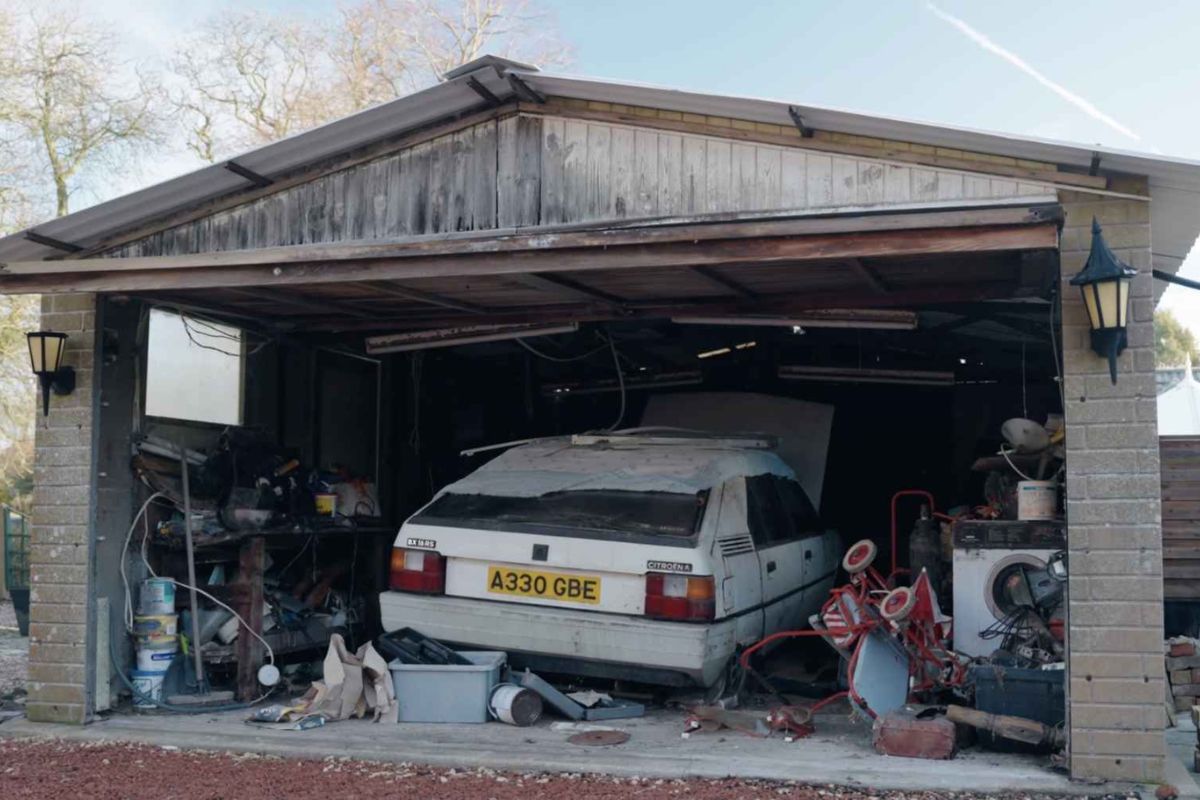
He bought a new car in 1983, locked it in the barn in 1988, and no one opened the door for 38 years until the family discovered what was stored inside and realized it looked like something out of a movie.
With the expansion of the lineup, Ford will compete more directly in the entry segment of midsize pickups in the country.
The brand states that the initiative also addresses the activities of the Ford Pro division, focused on commercial clients and the management of work vehicles.
Until now, the Ranger had a more concentrated presence in intermediate and higher versions.
2.0 Engine, 4×4 Drive, and New Ford Offensive in the Segment
The two new versions use the Panther 2.0 turbodiesel engine with 170 hp and 41.3 kgfm of torque.
The setup can be paired with either a manual or a six-speed automatic transmission.
In all configurations, the drive is 4×4 with low range, a traditional combination for pickups intended for work in rural areas, construction sites, and unpaved stretches.
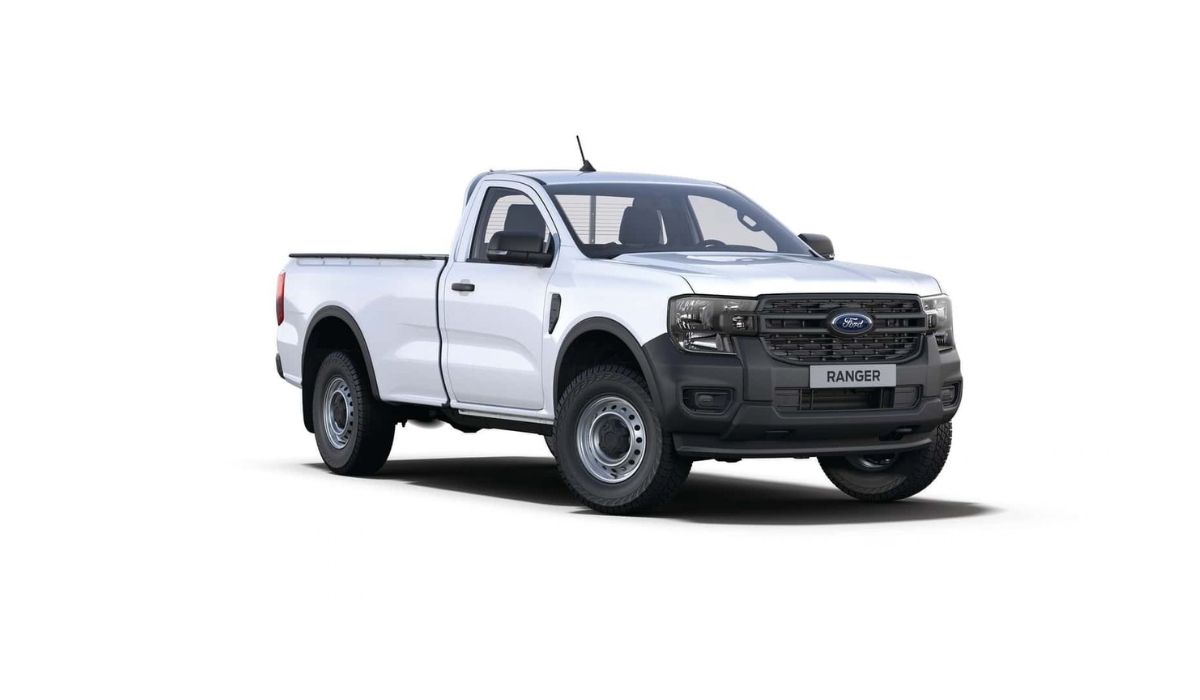
The prices released by Ford place the new versions at the center of competition with segment rivals.
The Ranger XL chassis cab starts at R$ 248,600 with manual transmission and goes up to R$ 258,600 with automatic transmission.
For the Ranger XL regular cab, prices begin at R$ 256,600 for the manual version and reach R$ 266,600 for the automatic version.
The manufacturer has also started to offer the XL double cab with the option of automatic transmission.
Payload Capacity of Ranger XL Enters the Center of the Competition
In the regular cab version, the cargo bed has a capacity of 1,690 liters.
The payload is 1,223 kg with manual transmission and 1,170 kg with automatic transmission.
The chassis cab, aimed at the installation of implements, has a declared capacity of 1,371 kg in the manual configuration and 1,318 kg in the automatic version.
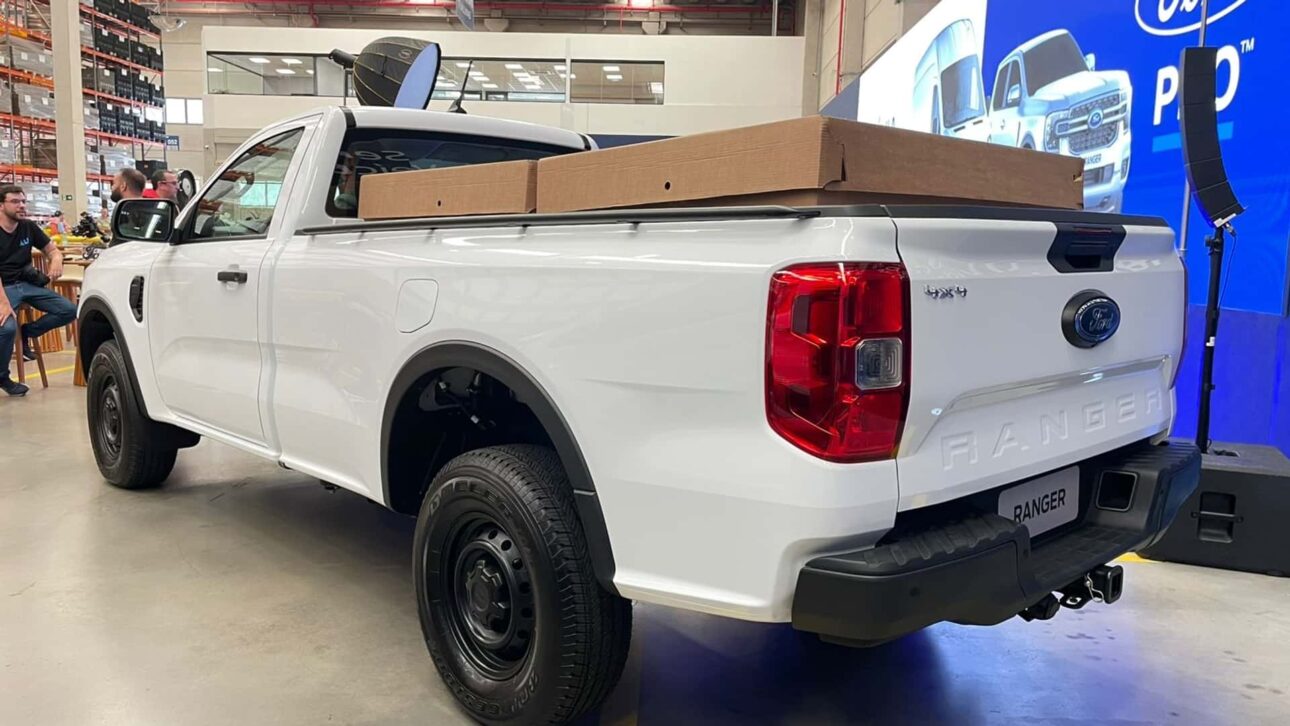
In addition to these figures, Ford reports a range exceeding 860 km.
The declared combined fuel consumption is 10.7 km/l, with averages of 10 km/l in the city and 11.5 km/l on the highway.
These figures are part of the brand’s presentation for the commercial use of the pickup, in a segment where fuel consumption and transport capacity tend to weigh heavily in purchasing decisions.
According to the manufacturer, the chassis of the new generation Ranger has been redesigned with long beams and cross members made of special steel.
The company claims that the structure is 30% more resistant to torsion compared to the previous generation.
According to Ford, the suspension has also been upgraded in travel to meet severe use applications.
Work Version Equipment Goes Beyond the Basics
In terms of appearance, the XL versions follow the more functional proposal of the lineup.
The models come with unpainted bumpers, halogen headlights, and 16-inch steel wheels.
The external finish, therefore, maintains the expected standard for configurations aimed at daily work.
The equipment list includes a 8-inch digital panel, SYNC 4 multimedia center with a 10-inch display, wireless connectivity with Android Auto and Apple CarPlay, electric power steering, height and depth adjustable steering wheel, cruise control, hill start assist, downhill control, and seven airbags.
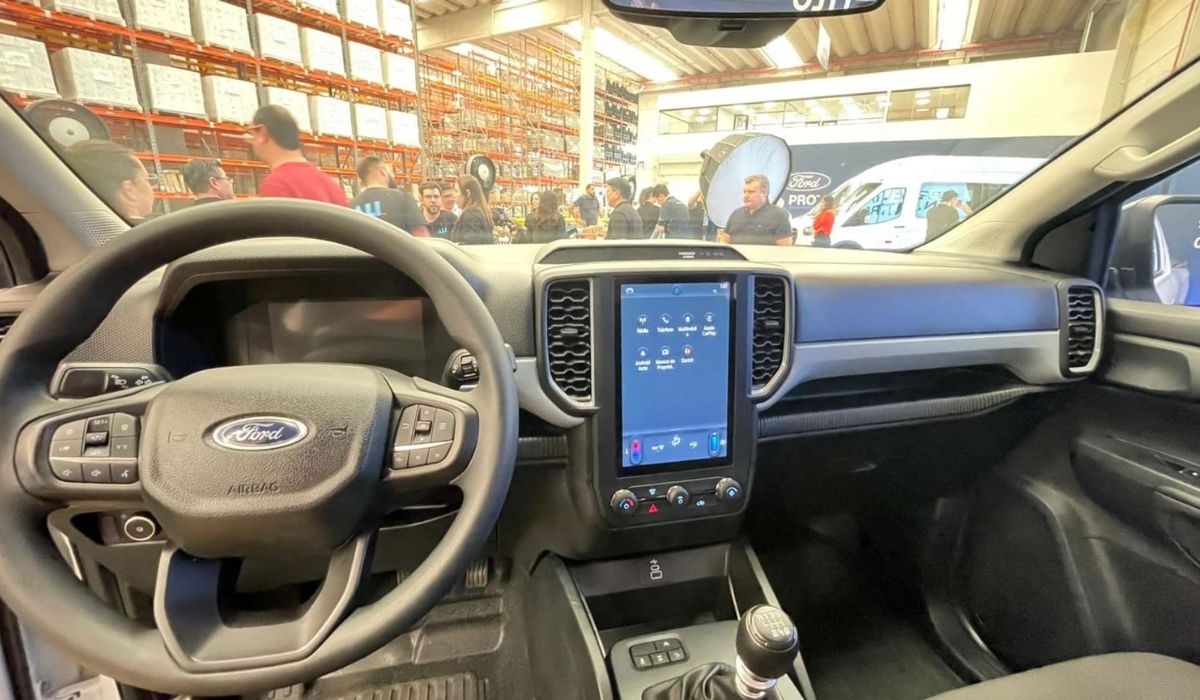
Automatic headlight activation and connectivity features associated with Ford Pro and the brand’s application are also included.
Ranger, Hilux, and S10 Compete for Space Among Work Pickups
The new Ford offensive targets established competitors in the midsize work pickup segment.
The Toyota Hilux regular cab remains available with a 2.8 turbodiesel engine and torque of 42.8 kgfm, maintaining the traditional configuration used by the brand in this niche.
In the case of Chevrolet, the S10 continues to be offered in WT and regular cab versions.
On the automaker’s official website, the lineup is listed with a starting price of R$ 282,990, while the regular cab S10 is advertised starting from R$ 262,990.
The prices show that the entry range of the segment remains concentrated on versions aimed at professional work.
Within this scenario, the Ranger starts to compete in a market area where price, robustness, payload capacity, and operating cost are central factors.
The comparison among the three manufacturers tends to focus on these criteria, especially among corporate buyers and agribusiness clients.
Ford Confirms Plug-In Hybrid Ranger for the Region
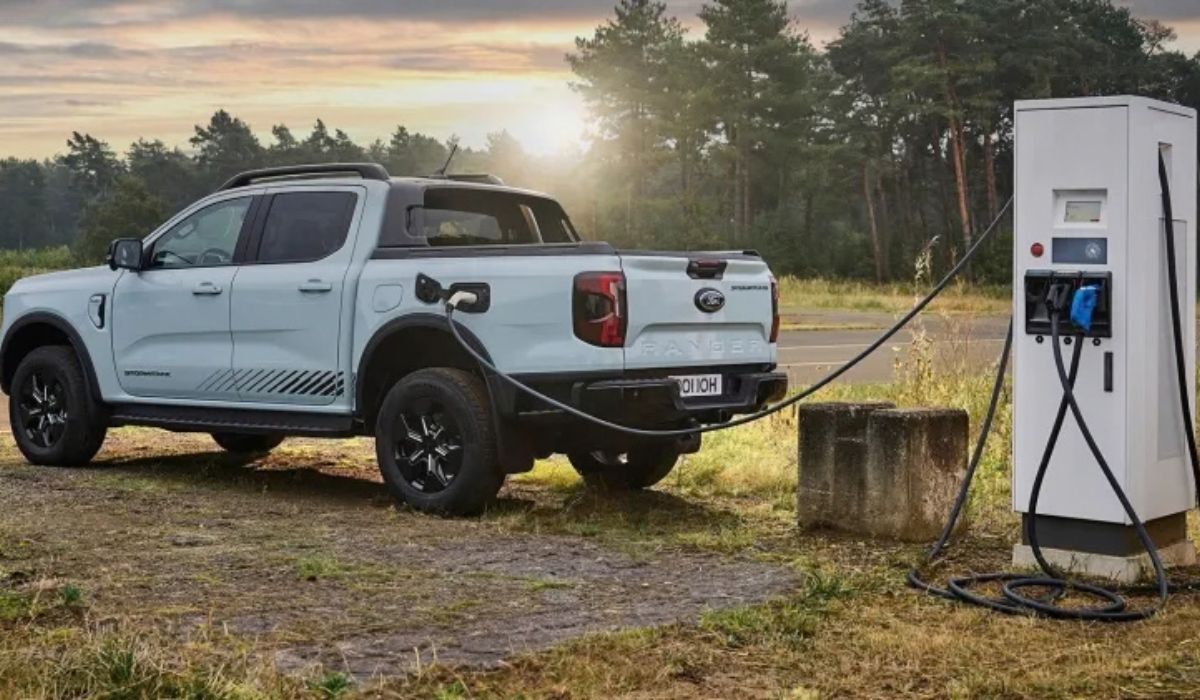
At the same time that it expands the work lineup, Ford confirmed the production of the Plug-In Hybrid Ranger at the General Pacheco plant in Argentina starting in 2027.
The manufacturer states that this will be the first electrified version of the pickup produced in South America.
The official announcement, however, did not detail the exact commercial launch date in the Brazilian market.
With this move, the brand expands the Ranger offering on two distinct fronts.
On one hand, it reinforces its presence in versions aimed at professional use.
On the other, it prepares for the future introduction of an electrified configuration in the region.
In the Brazilian midsize pickup market, competition is set to include everything from models focused on heavy work to versions proposing technological transition.








-

-

-

5 pessoas reagiram a isso.