





 English
  Francês
  Alemão
  Italiano
  Japonês
  Norueguês
  Portuguese
  Spanish
  4 min of reading
  0 comments


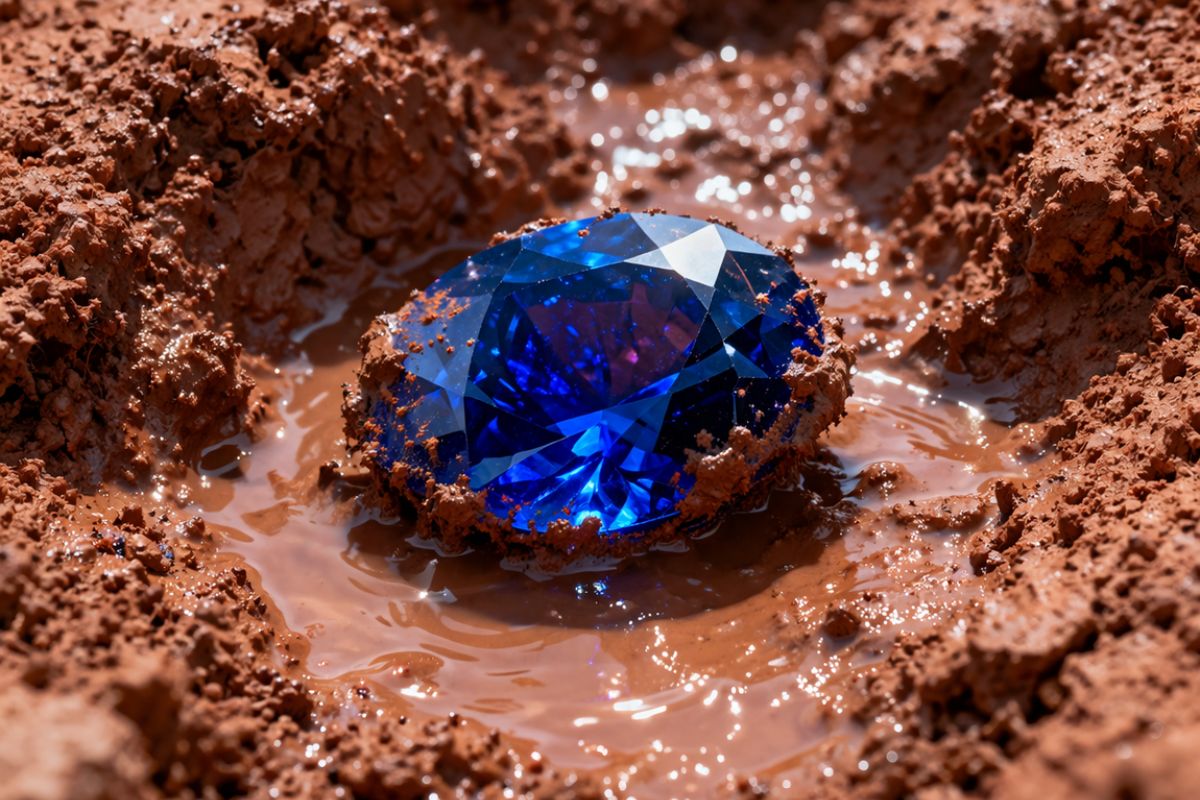
Jeremejevite is a blue aluminum borate crystal so rare that many collectors and geologists have never seen an original specimen. With a market value of $2,000 per carat, this mineral is only found in gem quality in the Erongo mountains of Namibia, in artisanal mining that drastically limits global supply.
Jeremejevite is a blue crystal of aluminum borate so rare that most geologists have never seen a gem-quality specimen. Originally discovered in Siberia, Russia, this stone fetches $2,000 per carat in the international market and is considered one of the most exclusive on the planet. The most beautiful and transparent specimens come from the Erongo mountains in Namibia, where mining is entirely artisanal. There are no large-scale commercial mines for this blue crystal, which means that every new stone that reaches the market is sought after by museums and major collectors.
According to GeologyScience, the rarity of the blue crystal is due to its complex chemical composition, which requires very specific geological conditions of temperature and pressure to crystallize. Jeremejevite forms in granitic pegmatites, but its occurrence is sporadic and almost always in tiny crystals. According to the collection of the Geosciences Museum at USP, most of the crystals found do not have gem quality, which greatly increases the value of the rare cuttable pieces. The combination of boron and aluminum in a perfect hexagonal crystal structure is a challenge that nature rarely manages to reproduce.
What is jeremejevite and why does this blue crystal challenge geology

Jeremejevite is a mineral from the borate group, composed of aluminum borate with a chemical formula that includes fluorine and hydroxide. Its crystal structure is hexagonal, forming long and elegant prisms that can vary from colorless to pale blue crystal.
-
Seen from space, a colossal ‘Y’ cuts through the largest desert in China, blending a jade-filled river, red and white mountains, and revealing the absurd scale of the transformation of the Taklamakan surrounded by a green wall with billions of trees.

-
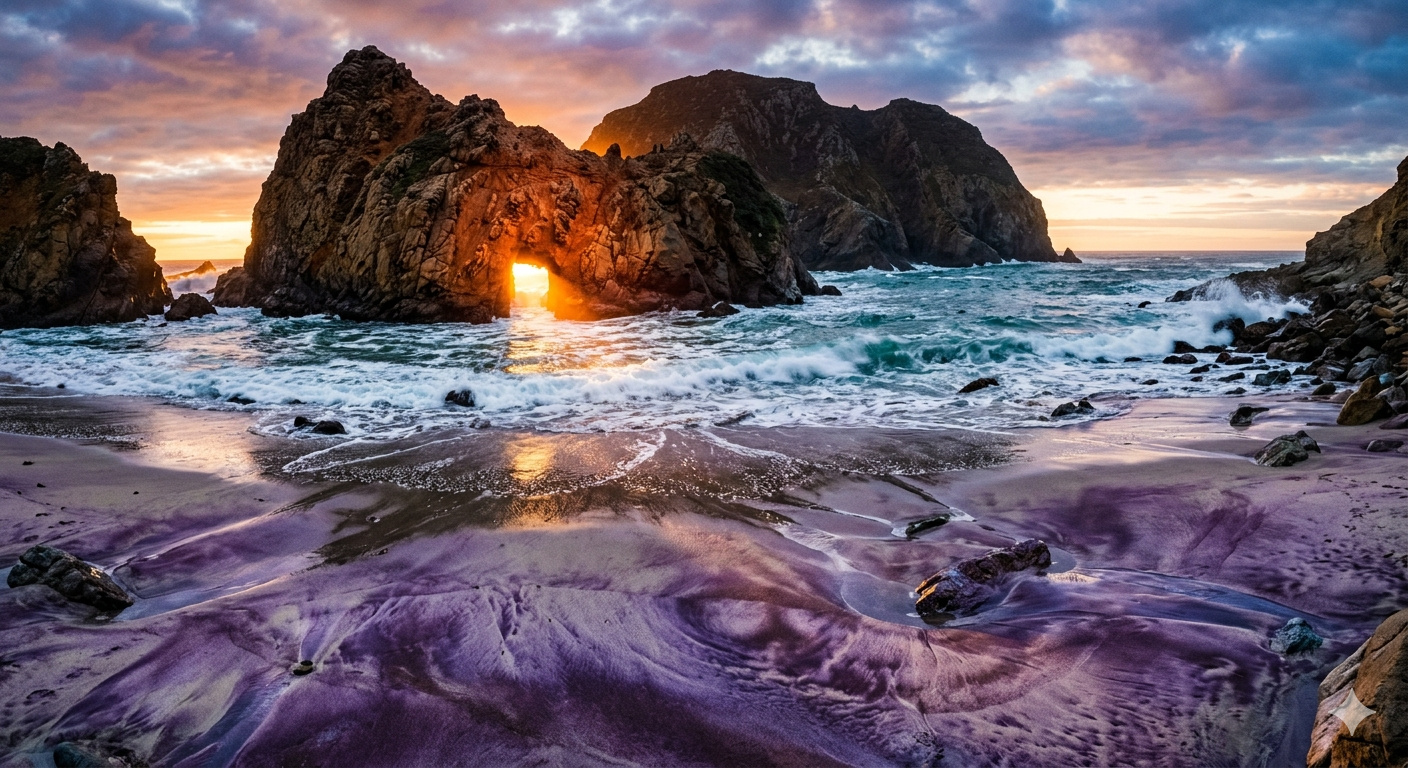
The Pacific Ocean reveals what the cliffs of Big Sur have hidden for millennia: Pfeiffer Beach, in California, features swirling purple sand formed by garnet crystals and displays a stone arch that is illuminated by the sun in winter for just a few days each year.
-
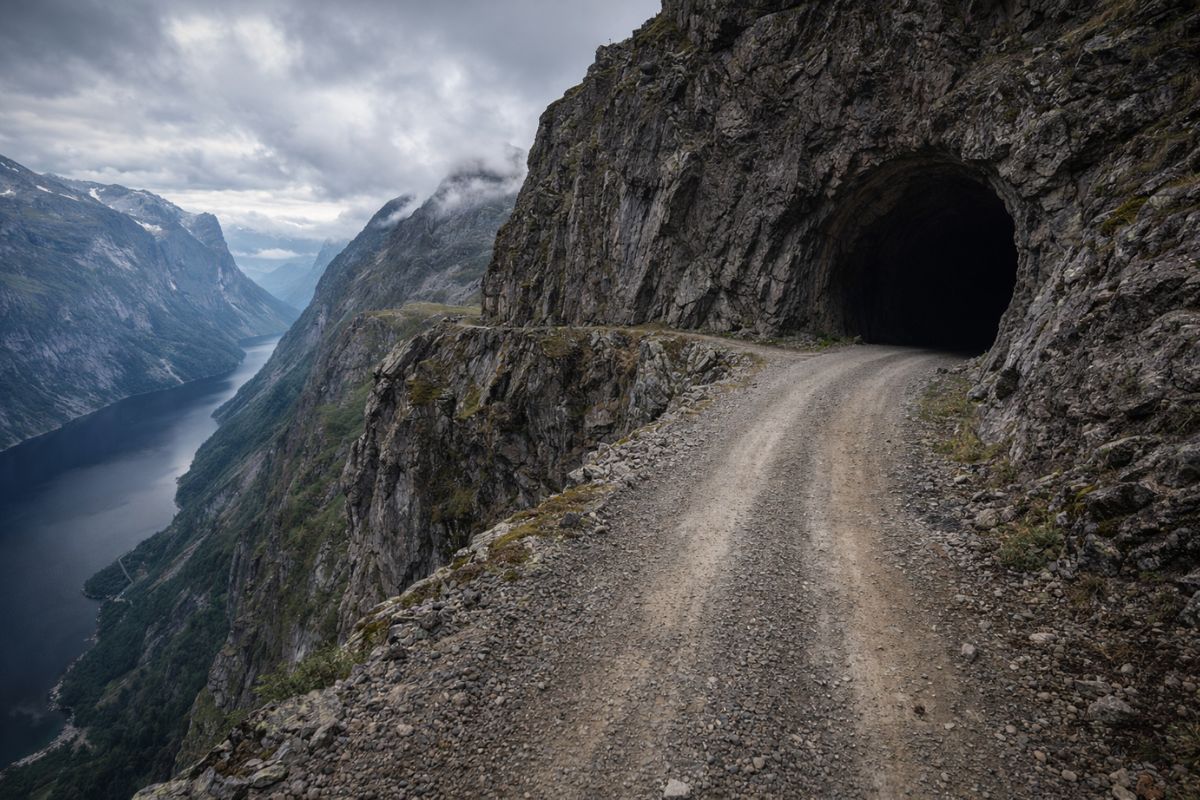
Aursjøvegen in Norway is a 100-kilometer gravel road that crosses chasms and dark tunnels carved into the rock at an altitude of 947 meters in the fjords and is only open for four months a year.
-
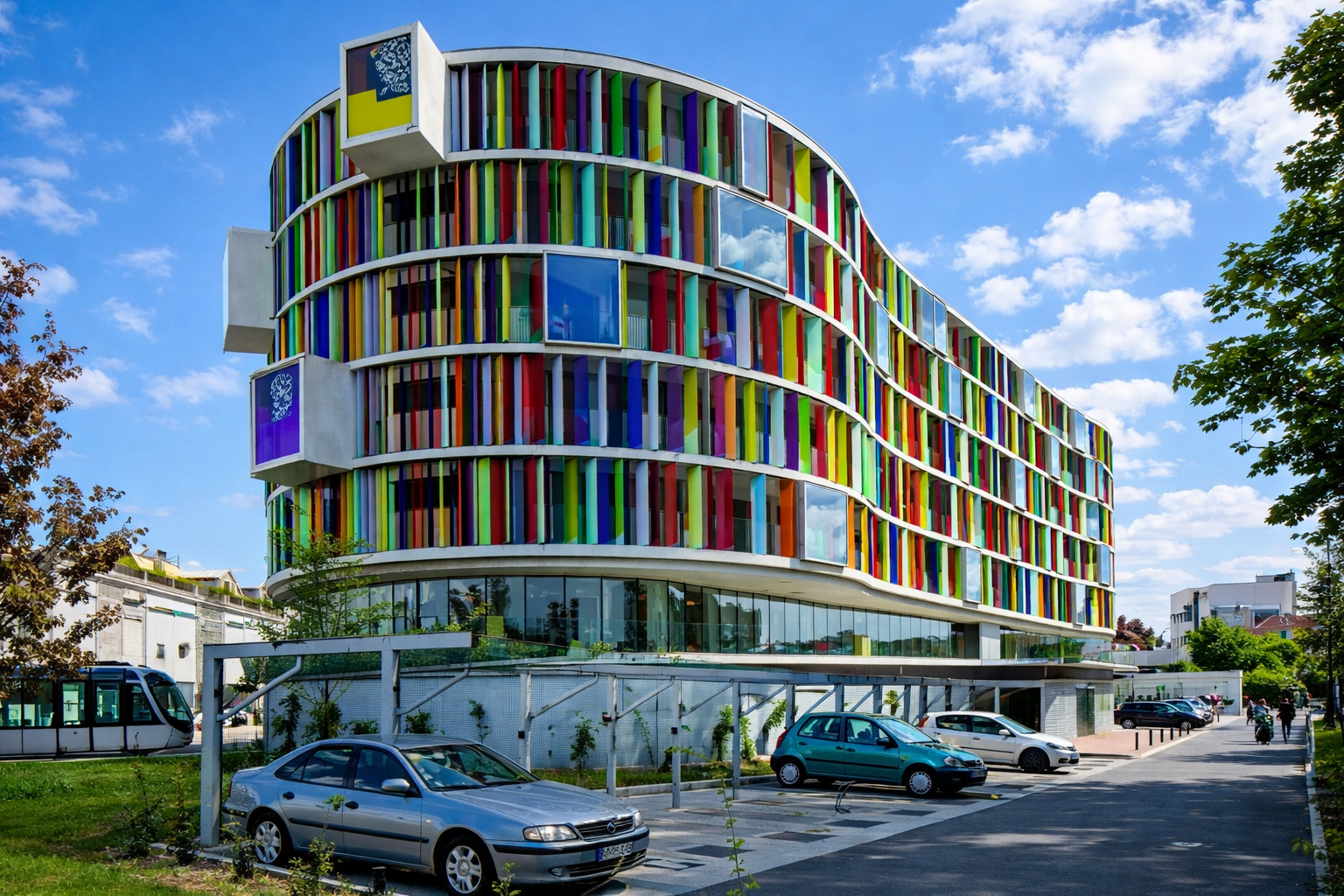
With about 4,000 m², the building constructed in a traditional neighborhood in France looks like a rainbow, has a colorful facade, mixes vibrant glass, and creates one of the most unusual visuals in Bordeaux.

The hardness of jeremejevite ranges between 6.5 and 7.5 on the Mohs scale, making it durable enough for use in jewelry. However, the overwhelming majority of specimens do not reach cut quality, remaining as pieces of mineralogical collection.
One of the most striking properties of the blue jeremejevite crystal is pleochroism, an optical phenomenon in which the stone changes color depending on the angle of observation. This characteristic is one of the ways to distinguish jeremejevite from similar gems like aquamarine and light sapphire.
For geologists and collectors, pleochroism is an optical signature that confirms the authenticity of this rare blue crystal.
Namibia: the only place in the world where the blue crystal has gem quality

Although jeremejevite was discovered in Siberia in the 19th century, Siberian specimens rarely exhibit the transparency and color necessary for cutting.
The best blue crystals in the world come from the Erongo mountains in Namibia, where mining is difficult and entirely artisanal. Small occurrences have been recorded in Myanmar, but in irrelevant quantities for the market.
The absence of large-scale commercial mines is the factor that keeps the price of the blue crystal at elevated levels. In Namibia, miners work manually in hard-to-reach areas, and every gem-quality stone found is a rare event.
Since there is no industrial production, each new blue jeremejevite crystal that appears on the market is immediately sought after by museums and private collectors. The supply is so limited that many specialized traders go years without having a specimen available.
How to differentiate the blue crystal of jeremejevite from sapphires and aquamarines
The visual identification of jeremejevite is complex because the blue crystal can easily be confused with aquamarine or light sapphire. The three stones share bluish hues and similar transparency.
The main difference lies in the chemical composition: jeremejevite is aluminum borate, sapphire is aluminum oxide, and aquamarine is beryl silicate. These compositional differences result in distinct physical and optical properties that gemological laboratories can identify.
In terms of value, the difference is also significant. The blue crystal of jeremejevite is worth about $2,000 per carat. Sapphire ranges between $500 and $1,500. Aquamarine, abundant in Minas Gerais, Brazil, is priced between $100 and $300.
Jeremejevite is more expensive not because it is more beautiful, but because it is incomparably rarer. For collectors, owning a blue jeremejevite crystal is to possess a piece that most gemology professionals have never held in their hands.
The blue crystal as a collection asset: why jeremejevite is called a trophy stone
In the world of mineralogy, jeremejevite has the status of a trophy stone. It is the missing item in many rare mineral collections worldwide. Its understated beauty hides a geological complexity that fascinates scientists and natural history enthusiasts.
Owning a blue jeremejevite crystal is to hold a piece of a natural process that rarely repeats itself perfectly.
Jeremejevite proves that, in the world of crystals, true wealth is not always in size or brilliance, but in the story of its absolute rarity.
With artisanal mining in Namibia as the only reliable source and no prospect of discovering new significant deposits, the blue crystal of jeremejevite is likely to appreciate even more in the coming years. For those seeking real exclusivity in the gem market, this stone is as rare as it is fascinating.
A $2,000 per carat blue crystal that only exists in gem quality in Namibia: have you ever heard of jeremejevite? Let us know in the comments if you know other rare stones or if you have ever seen any unusual mineral in person.








Seja o primeiro a reagir!