





 Portuguese
  English
  Spanish
  3 min of reading
  0 comments


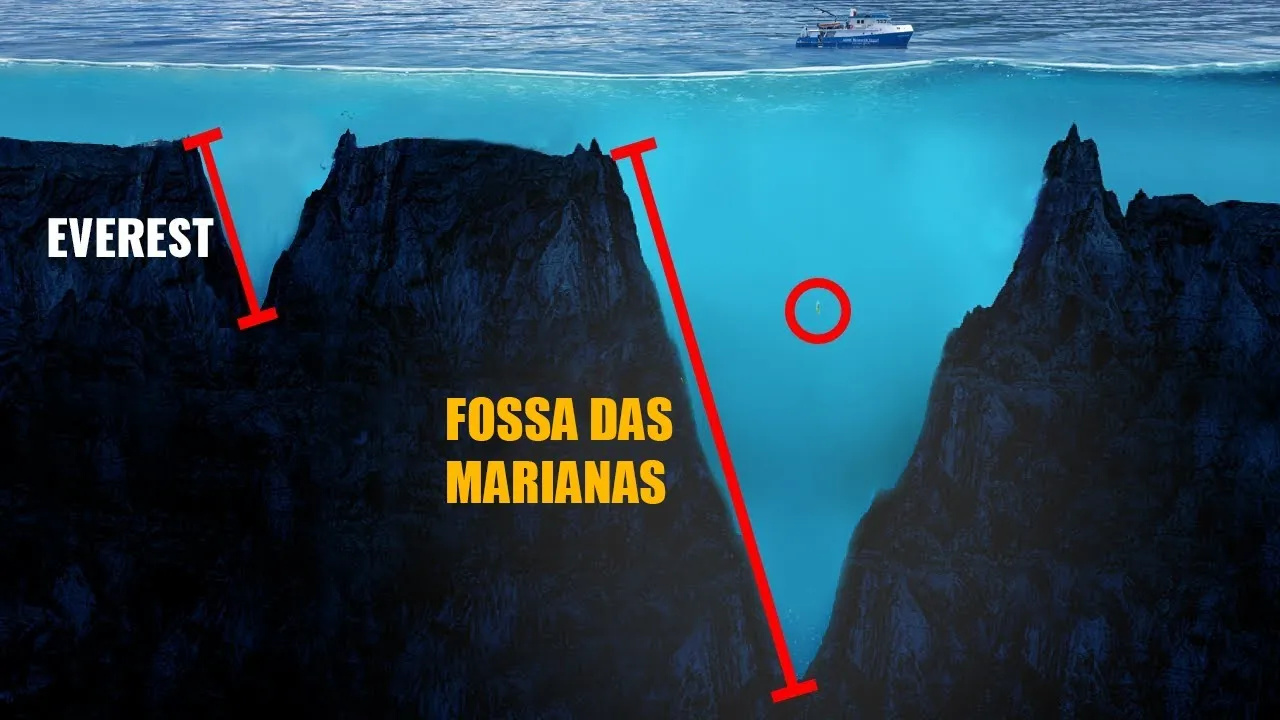
The Ocean Keeps Secrets! A Location Less Explored Than The Moon, With A Depth Of 11 Km, Only Downward, It Exists: The Mariana Trench.
Imagine a place so inhospitable and mysterious that its depths are practically unexplored; this place exists and is on our own planet: the Mariana Trench.
With an impressive 11 km depth, this oceanic abyss is not only the deepest point on Earth but also a true treasure of curiosities about extreme life and the geological secrets of our world.
Get ready for a journey to the depths, where the crushing pressure and darkness reveal landscapes and living beings that challenge our understanding.
-
Why do supermarkets place flowers right at the entrance even with low turnover, high waste, and little direct purchase?

-
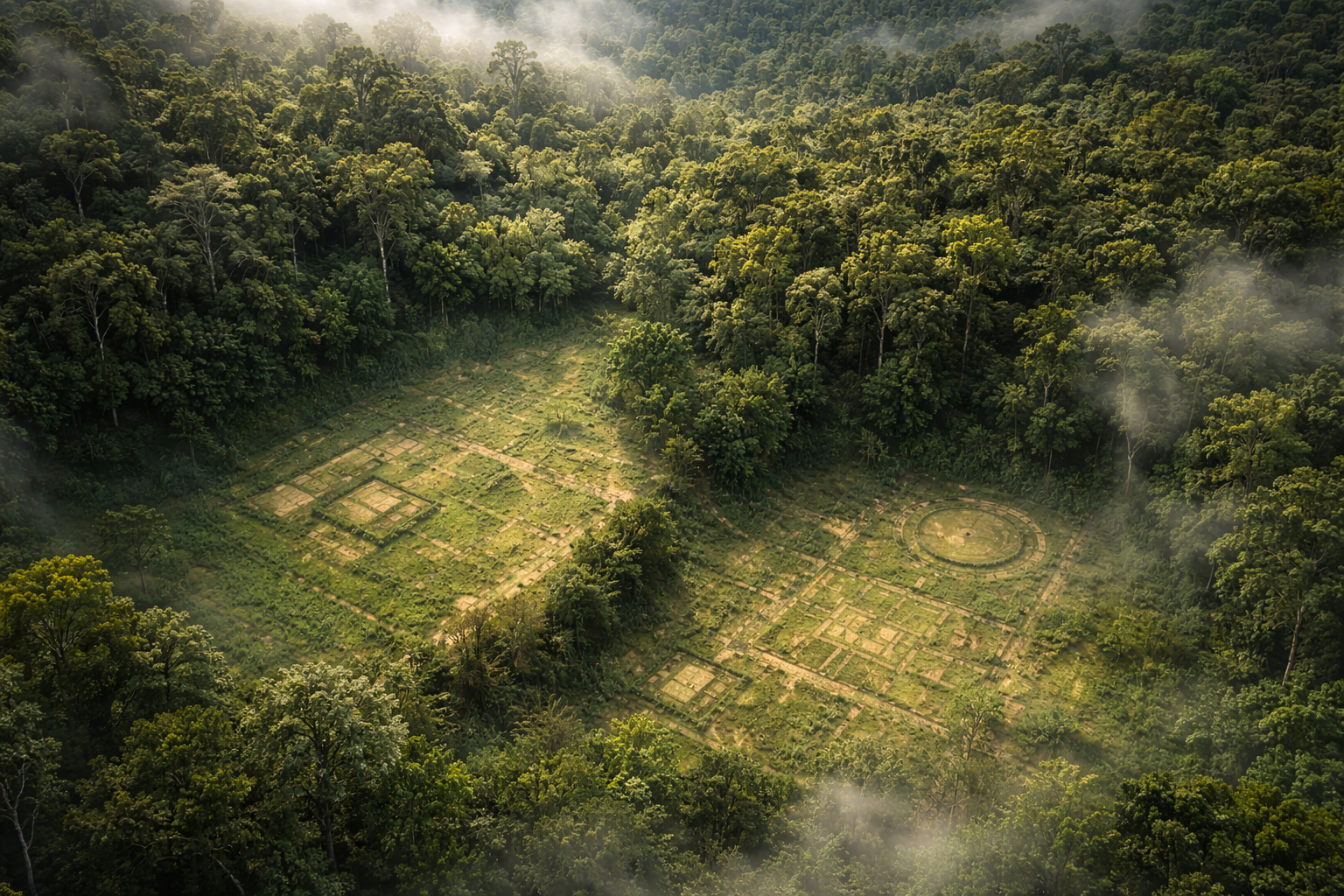
A study with a laser sensor reveals up to 23,000 hidden structures beneath the Amazon, pre-Columbian constructions invisible under the forest emerge in mapped areas and indicate a much broader occupation than previously thought.
-
Why is chocolate so “addictive”? Studies show how chemical compounds activate the brain, trigger intense pleasure, and make it difficult to control consumption.

-
One Beetle for every 10 residents and streets taken over by the bug: the small town in the interior of São Paulo that became the National Capital of the Beetle and preserves a Brazil that seems to have stopped in time.

Mariana Trench: The Amazing 11 Km Of Mystery And Extremes
The Mariana Trench is a colossal scar on the Earth’s crust, located in the western Pacific Ocean, near the Mariana Islands, a territory of the United States.
Its maximum depth, at the so-called Challenger Deep, reaches approximately 11 km (10,994 meters, to be exact), making it the deepest known point in any ocean.
To get an idea of the scale, if Mount Everest, the highest mountain in the world, were placed inside the Trench, its peak would still be over two kilometers below sea level.
This extraordinary depth generates unimaginable pressure. At the bottom of the Trench, the pressure is about a thousand times greater than atmospheric pressure at sea level.
It is an overwhelming force, equivalent to having approximately 50 jumbo jets on your body. These extreme conditions, of total darkness and near-freezing temperatures, create an environment that challenges the existence of life, yet paradoxically harbors surprisingly diverse and adapted ecosystems.
The curiosities about the formation of the Mariana Trench are equally fascinating: it was created by the process of subduction, where one tectonic plate (the Pacific Plate) dives beneath another (the Mariana Plate), a geological phenomenon that shapes vast areas of our planet.
Curiosities About Life And Exploration In The Mariana Trench
Despite the extreme conditions, the curiosities about life in the Mariana Trench are most surprising. Far from being a sterile desert, the abyss is home to incredible creatures adapted to pressure, darkness, and lack of food:
- Adapted Fish: Species like Pseudoliparis swirei, a type of snailfish, have been found living at extreme depths, with gelatinous bodies that prevent their cells from being crushed by the pressure.
- Extremophilic Organisms: Microbes and other organisms that thrive in extreme conditions, feeding on methane and sulfur released by hydrothermal vents on the ocean floor, form the base of a unique food chain.
- Plastic In The Depths: Unfortunately, one of the saddest curiosities about the Trench is the presence of human pollution. Research has already found microplastics and other debris even in the depths of the Challenger Deep, a sad reminder of the global impact of human activity.
The exploration of the Mariana Trench is a feat of engineering and human daring. Few people have managed to descend to 11 km of depth.
Among the most notable explorers is filmmaker James Cameron, who in 2012 successfully made a solo dive aboard his submersible Deepsea Challenger, becoming the third person to reach the deepest point of the ocean. His images revealed unseen landscapes, expanding our knowledge of this environment.
The Mariana Trench: A Natural Laboratory And A Warning
The curiosities about the Mariana Trench go beyond its depth. It serves as a natural laboratory, offering scientists a unique opportunity to study how life adapts to extreme conditions, which may have implications for the search for life on other planets and for the development of new technologies.
However, the fragility of this ecosystem also serves as a warning. The presence of pollutants in such a remote and untouched location underscores the urgent need to protect the oceans and combat marine pollution.
The Mariana Trench, with its impressive 11 km depth, is not just an extreme geographical point; it is an invitation to reflect on our impact on the planet and on the secrets that the ocean still holds for us.







-

-

-

8 pessoas reagiram a isso.