





 English
  Francês
  Alemão
  Italiano
  Japonês
  Norueguês
  Portuguese
  Spanish
  3 min of reading


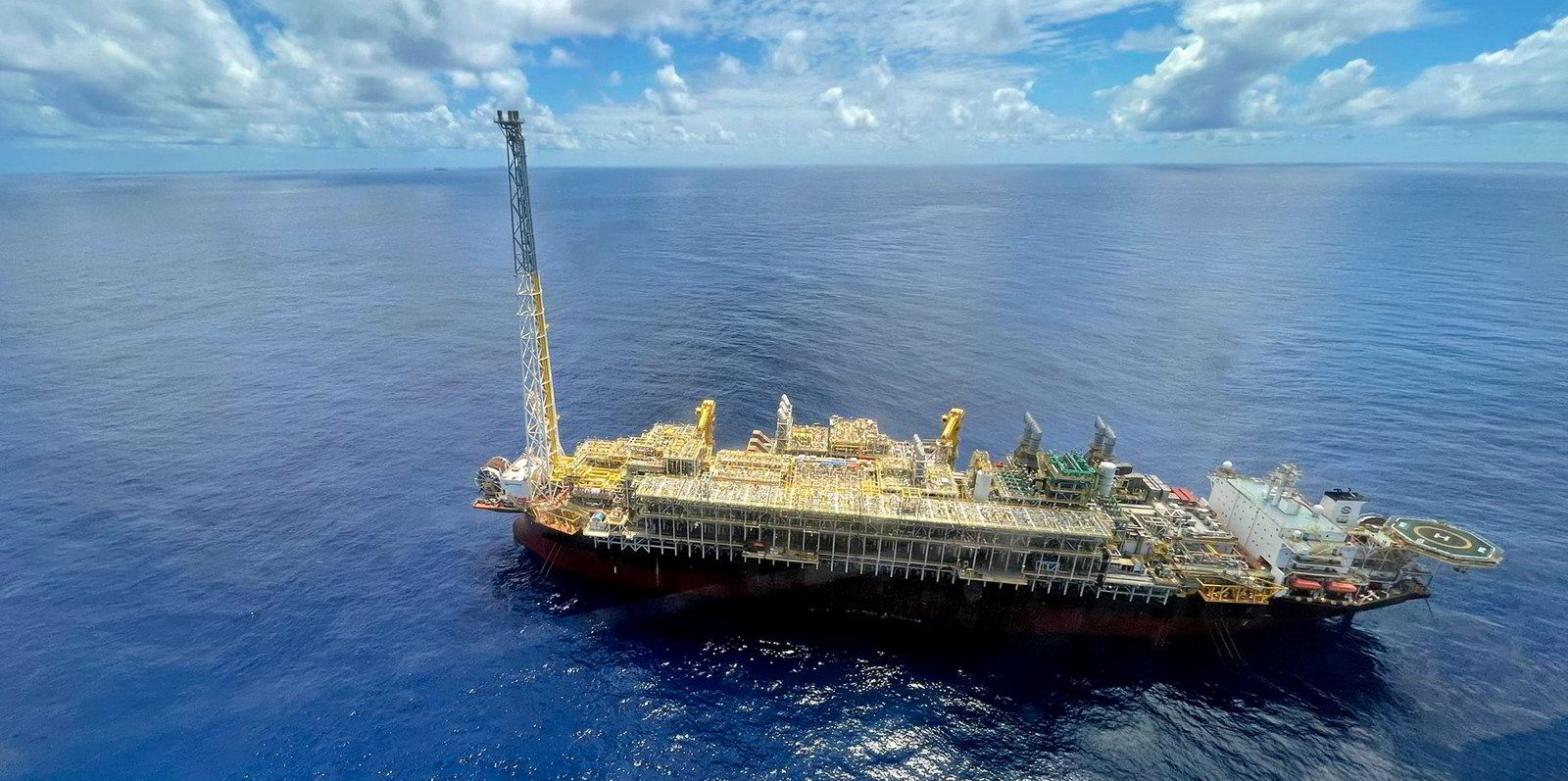
With the Capacity to Process Up to 180,000 Barrels of Oil and 12 Million M3 of Gas, The FPSO Guanabara from Petrobras Enters Operation, The First Definitive Production System Installed in The Mero Field in The Pre-Salt of The Santos Basin
Petrobras started oil and natural gas production through the FPSO Guanabara on April 30, the first definitive production system installed in the Mero field, in the pre-salt of the Santos Basin. The FPSO (floating production, storage, and offloading unit) is capable of processing up to 180,000 barrels of oil and 12 million m3 of gas, which represents 6% of the production operated by Petrobras, contributing to the projected growth of the company’s production. Mero is the third largest oil field in the pre-salt (behind only Búzios and Tupi). Watch the institutional video of the state-owned company from the first oil of the unit below:
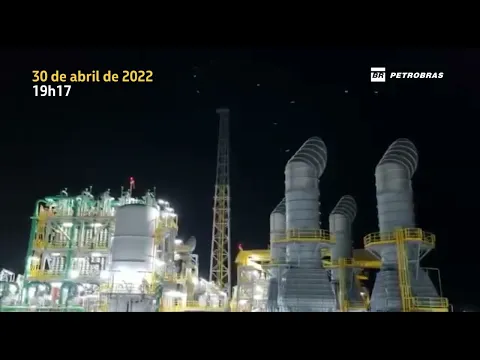

The platform arrived at the Mero field in late January 2022. During this period, it was connected to wells and subsea equipment, and underwent final testing before starting production. In the first wave, 6 production wells and 7 injectors will be interconnected to the FPSO. The forecast is that the platform will reach peak production by the end of 2022.
The FPSO Guanabara is The Most Complex Oil Production Unit Operating in Brazil
According to Petrobras, the FPSO Guanabara is the most complex oil production unit operating in Brazil. The implementation of a project with this technology is the result of more than a decade of learning in the pre-salt and the integrated action between Petrobras, partners, and suppliers. The project was designed to combine productive capacity, efficiency, and reduction of greenhouse gas emissions,” emphasizes João Henrique Rittershaussen, Director of Production Development at Petrobras.
-
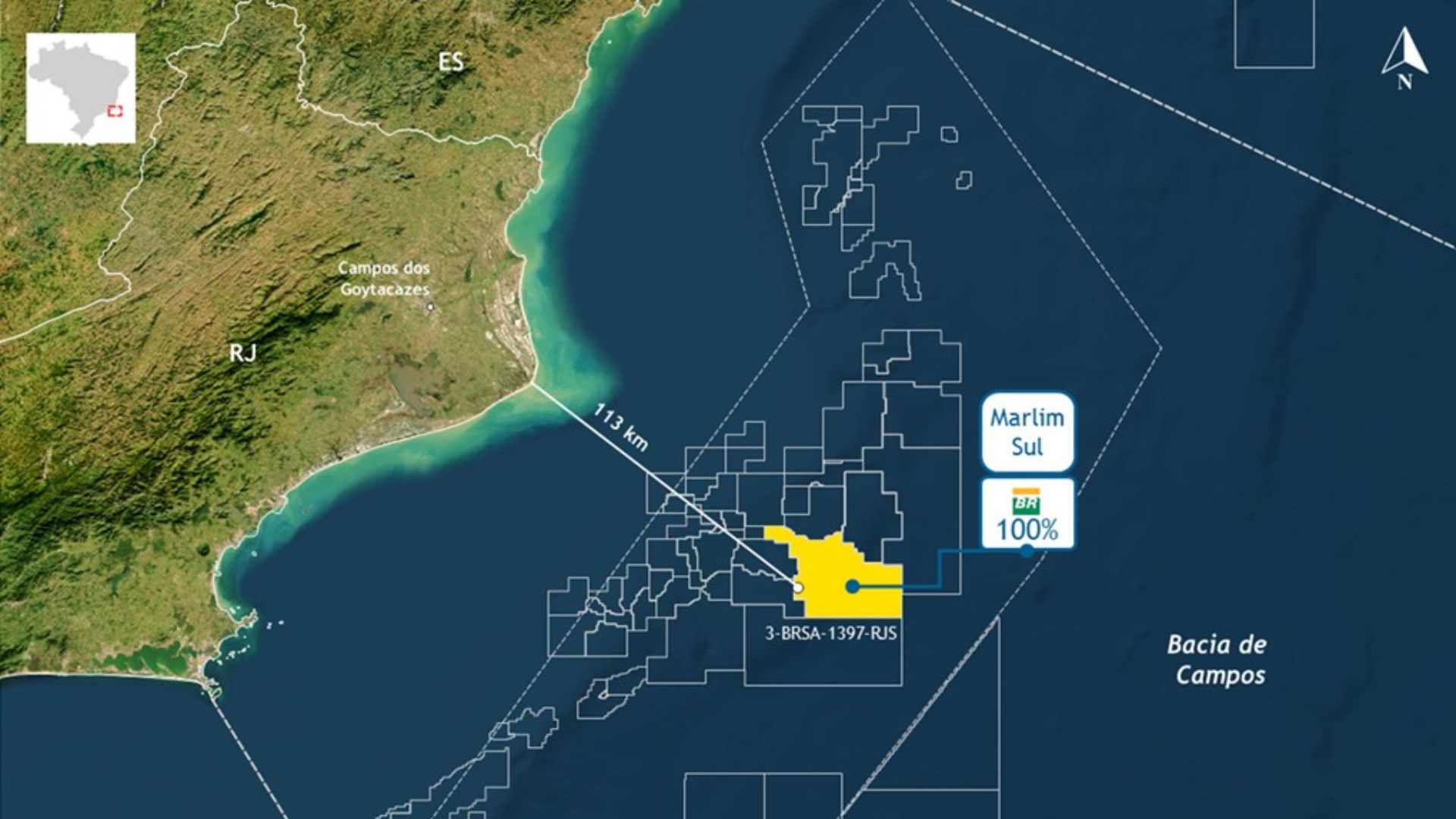
Petrobras finds high-quality oil in the pre-salt at 113 km from RJ and reignites expectations about strategic reserves in the Campos Basin.

-
Ocyan opens registrations for startups focused on innovation in the oil and gas sector and will select projects for Innovation Day with the support of Nexio.

-
Petrobras announces new oil discovery in the pre-salt of the Campos Basin and reinforces Brazil’s prominence with high-quality reserves that can increase production and energy revenues.
-
Alert in the fuel market: Analysts and a former director of ANP warn that oil prices may worsen in the coming months due to global instability.

The weight of the platform is 102,443 tons (equivalent to 258 Boeing 747s), a height of 172 meters, equivalent to 4.6 Christ the Redeemer statues, and a length of 332 meters, or three football fields. Additionally, it has an energy generation capacity of 100 megawatts, enough to supply a city of 330,000 inhabitants.
Built and operated by Modec, the unit is located more than 150 km off the coast of the state of Rio de Janeiro, in water depths reaching 1,930 meters. In total, three more definitive platforms are scheduled to start operations in the Mero field on the horizon of Petrobras’ Strategic Plan 2022-2026.
The FPSO Guanabara has gas reinjection systems, where gas production with a 45% carbon dioxide (CO2) content, after its own consumption in the FPSO, will be entirely reinjected into the reservoir, aiming to maintain pressure and improve oil recovery, as well as reduce CO2 emissions into the atmosphere. The reinjection of gas will be alternated with the injection of water (Water Alternating Gas – WAG).

Mero 1 Project is Part of One of The Most Robust Programs for Geologic Capture, Use, and Storage of CO2 in The World – Known as CCUS.
Additionally, the Mero field is developing an unprecedented technology for separating CO2-rich gas from oil, directly from the seabed, for its reinjection from the seabed, reducing the amount of gas that reaches the FPSO, thus increasing the FPSO’s availability for oil and the project’s efficiency.
The Mero 1 project is part of one of the most robust programs for geologic Capture, Use, and Storage of CO2 in the world – known as CCUS. These initiatives are aligned with Petrobras’ commitment to reduce carbon intensity by 32% in the Exploration and Production area by 2025.
The unitized Mero field is operated by Petrobras (38.6%), in partnership with Shell Brasil (19.3%), TotalEnergies (19.3%), CNPC (9.65%), CNOOC Petroleum Brasil Ltda (9.65%), and Pré-Sal Petróleo S.A – PPSA (3.5%), as the representative of the Union in the non-contracted area.









Seja o primeiro a reagir!