





 Portuguese
  English
  Spanish
  3 min of reading
  0 comments



Found off the coast of Cádiz, Le Tonnant reappears after more than 80 years and rescues a little-remembered episode of World War II
For more than 80 years, the French submarine Le Tonnant existed in military reports and family memories, until it was rediscovered off the coast of Cádiz, in an investigation that recovers an episode from World War II.
Rediscovery of the French Submarine
The location of Le Tonnant brings back a case lost for decades. Sunk during World War II, the French submarine had disappeared without confirmed traces, surviving in military records and in the memories of family members.
The discovery off the Spanish coast brings concreteness to the episode. Sonar images showed a ship whose dimensions match the original plans of Le Tonnant, allowing for identification with a high degree of certainty.
-
A simple stitch in wood with nylon thread can reduce adhesives, speed up production, and make sheets up to 4 times stronger and 14 times more difficult to break.

-
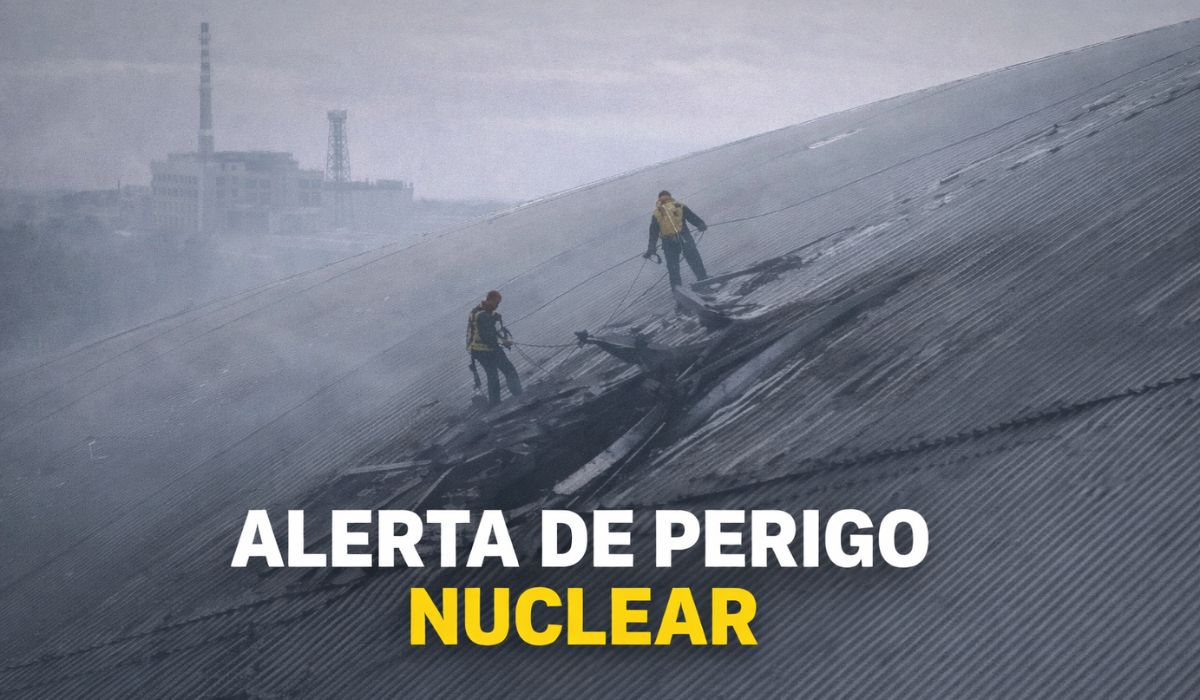
The gigantic steel shell built to contain Chernobyl for a century has been pierced by a drone, exposing a critical system and creating a hole that could cost over 500 million euros to repair.
-
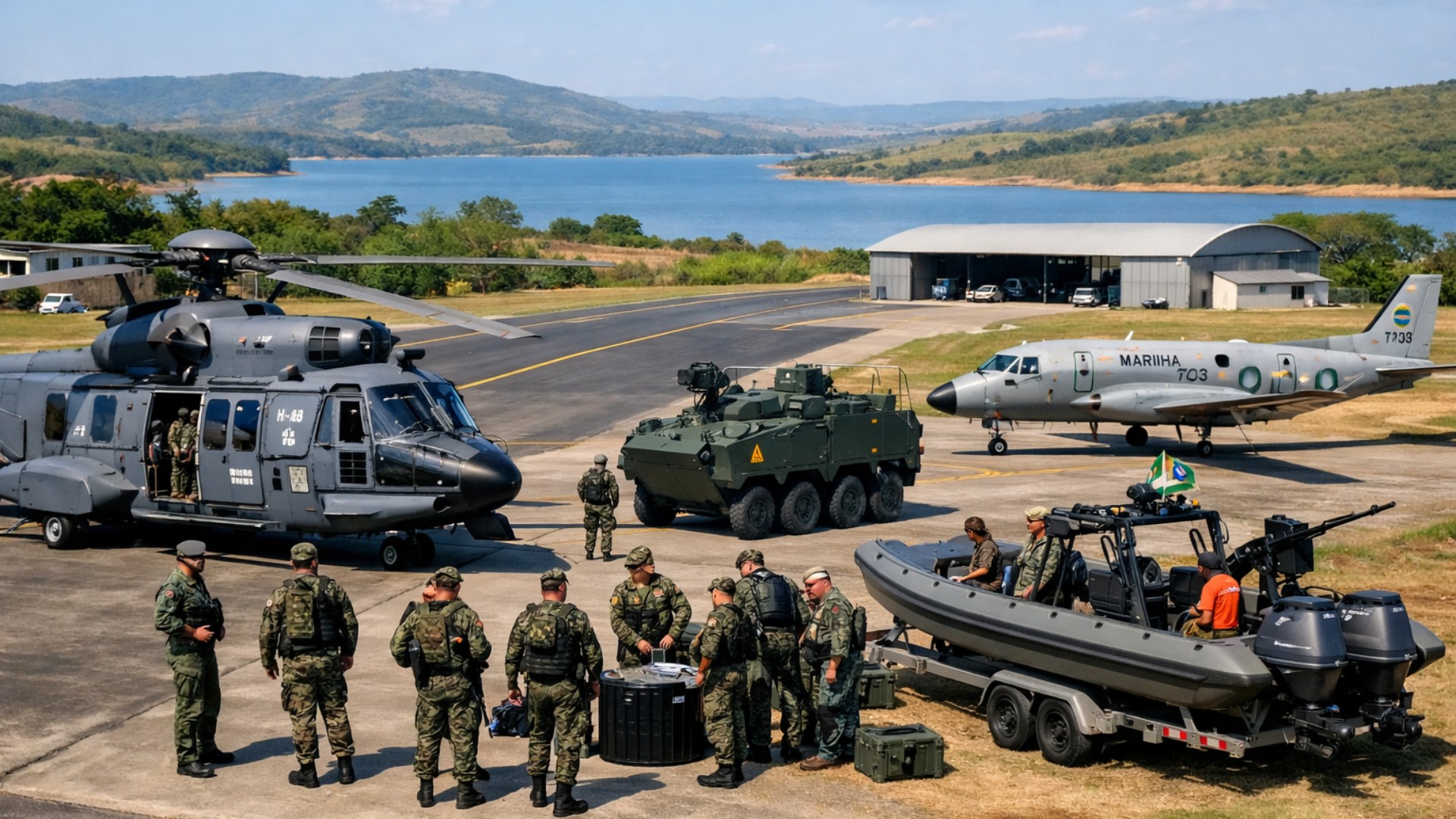
Brazilian Navy reaches a new level by taking over an airport with a 1,600-meter runway used by 1,800 military personnel and autonomous attack drone testing.
-
The Himalayas continue to grow to this day, with tectonic plates advancing 5 cm per year, mountains rising up to 10 mm annually, and the 2015 earthquake that killed 9,000 people may have increased the risk of an even larger seismic mega-event.



Attack in Casablanca
In November 1942, during Operation Torch, the submarine was in Casablanca after incomplete maintenance.
The American air raid hit the port with unexpected force, destroying several ships and throwing the French crews into chaos.
Commander Maurice Paumier died in the initial attacks. Command passed to Lieutenant Commander Antoine Corre, who took over the vessel in a difficult situation, with severe damage and a reduced crew.
Even under these conditions, Le Tonnant left the port and attempted to attack American forces with its last torpedoes.
The brief and unequal confrontation exposed the clash between historical allies on opposing sides.
Deliberate Sinking
After the ceasefire on November 11, 1942, the submarine stopped receiving coherent orders and became isolated at sea.
On the surface, it was mistakenly attacked by American aircraft, suffering damage that made crossing to Toulon impossible.
The decision to sink the French submarine was both technical and symbolic. Off the coast of Cádiz, the crew evacuated the vessel before deliberately sinking it, a maneuver that led Le Tonnant to a disappearance for more than eight decades.
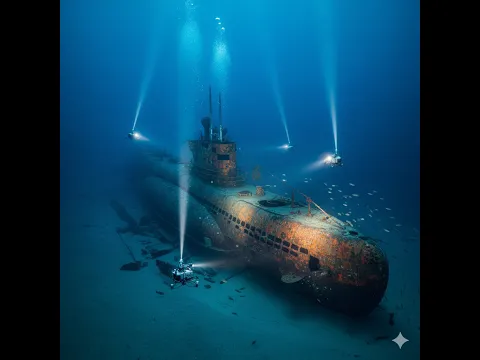
The wreck reveals a rudder, conning tower, and torpedo tubes. The stern is partially buried in sediments, but the preserved elements were enough to confirm the identity of the wreck.
Search Guided by Archives
The rediscovery did not happen by chance. The captain’s logbooks, preserved by the family, provided data to delineate the search area and guide the researchers’ prospecting campaigns.
In the Guadalquivir estuary, the turbidity of the water makes human diving practically impossible. Therefore, the team uses multibeam echosounders on an oceanographic vessel from the University of Cádiz.
New Clues Under the Sea
The case of Le Tonnant has reignited interest in other French submarines lost in the same events.
The teams are focusing their searches on Sidi-Ferruch and Conquérant, vessels sunk with their crews.
Under the sediments, the sea preserves fragments of history that memory has sometimes allowed to disappear.
The rediscovery of the French submarine shows how underwater archaeology combines new technologies with archives to recover forgotten episodes.
With information from Science et Vie.








Seja o primeiro a reagir!