





 Portuguese
  English
  Spanish
  7 min of reading
  0 comments


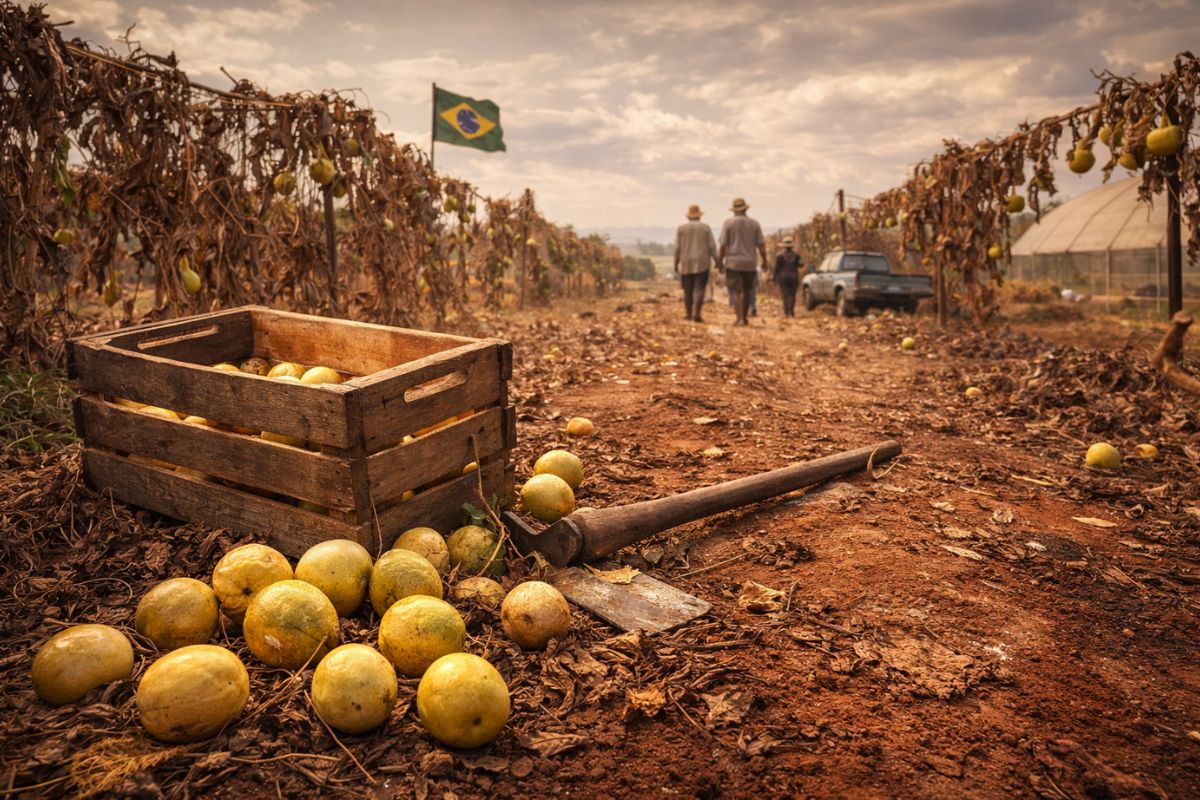
Araguari once had 130 passion fruit producers in the year 2000, but today only 15 remain fighting against the lack of labor in the fields, fusarium wilt that decimates entire plantations, and the costs of a fruit farming that requires manual harvest fruit by fruit, even though Brazil is the world’s largest producer with 736 thousand tons harvested in 2024 according to IBGE.
The passion fruit was once one of the strongest crops in the municipality of Araguari, in Minas Gerais. 26 years ago, hundreds of producers invested in cultivating the fruit in the region. Today the reality is different: according to data from Emater, the number of passion fruit producers in Araguari fell from 130 in the year 2000 to just 15. The decline is nearly 90% in two and a half decades, and the main reason is not a lack of market but a lack of people willing to work in the fields.
The paradox is evident. Brazil is the largest producer of passion fruit in the world, with 736 thousand tons harvested in 2024 according to IBGE. The fruit has both internal and external demand, is exported to the United States, France, Argentina, and Portugal, and generates more than R$ 1 billion in the national fruit farming sector. But in Araguari, where the tradition of passion fruit has lasted for decades, the remaining producers must face labor shortages, diseases like fusarium wilt, and a cultivation that requires constant manual attention challenges that have caused most to give up and migrate to other crops.
Why has labor disappeared from the passion fruit orchards in Araguari

José Rafael, a producer with over 40 years of experience in passion fruit farming in Araguari, has witnessed the transformation up close. “Forty years ago, labor was abundant. You could find as many people as you needed”, he says. Today, finding workers willing to work in the fields has become the biggest bottleneck of the activity.
-
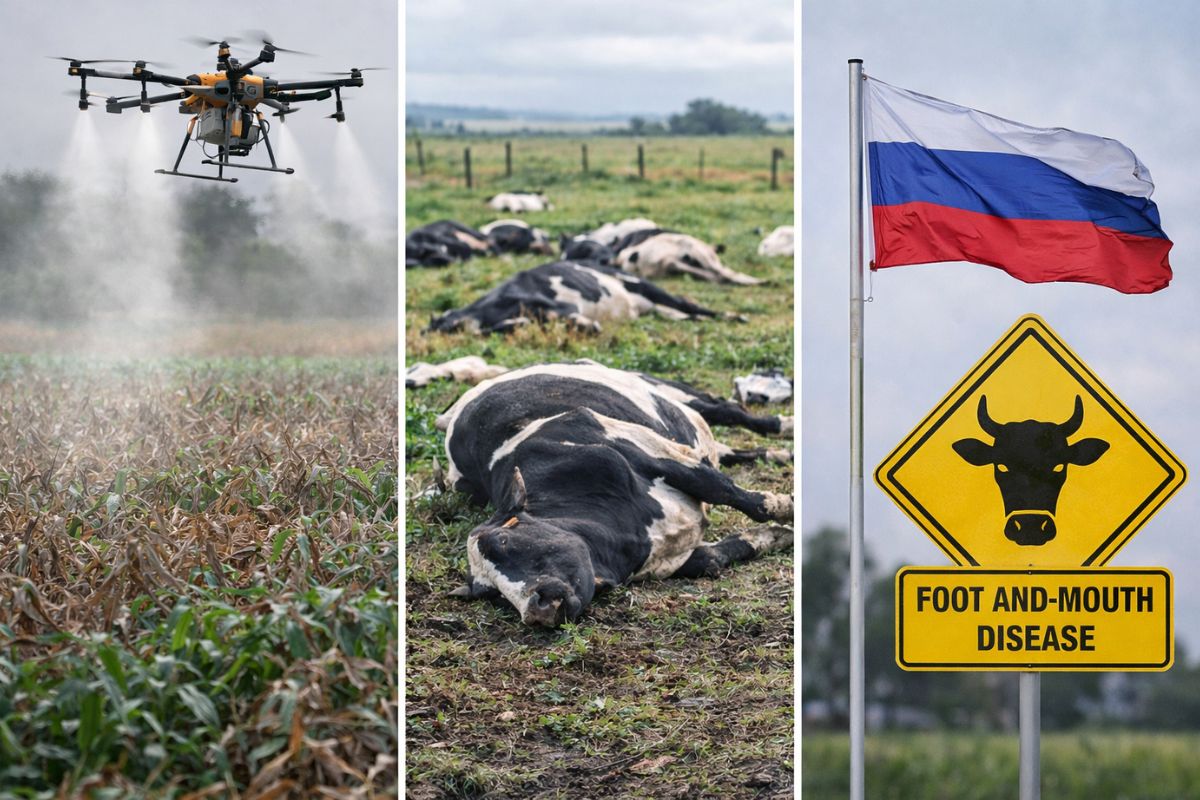
Agricultural drone sprayed poison into the air and destroyed the neighbor’s crops, causing 1 million in damages; 48 cows died from nitrite poisoning in the pasture, and Russia is hiding a possible outbreak of foot-and-mouth disease: the week was brutal for the rural sector.
-
Russia cut fertilizers, China cut fertilizers, and oil prices soared with the war in the Middle East: sugarcane producers in the interior of São Paulo are seeing costs explode from all sides and warn that the effects will take months to be absorbed.

-
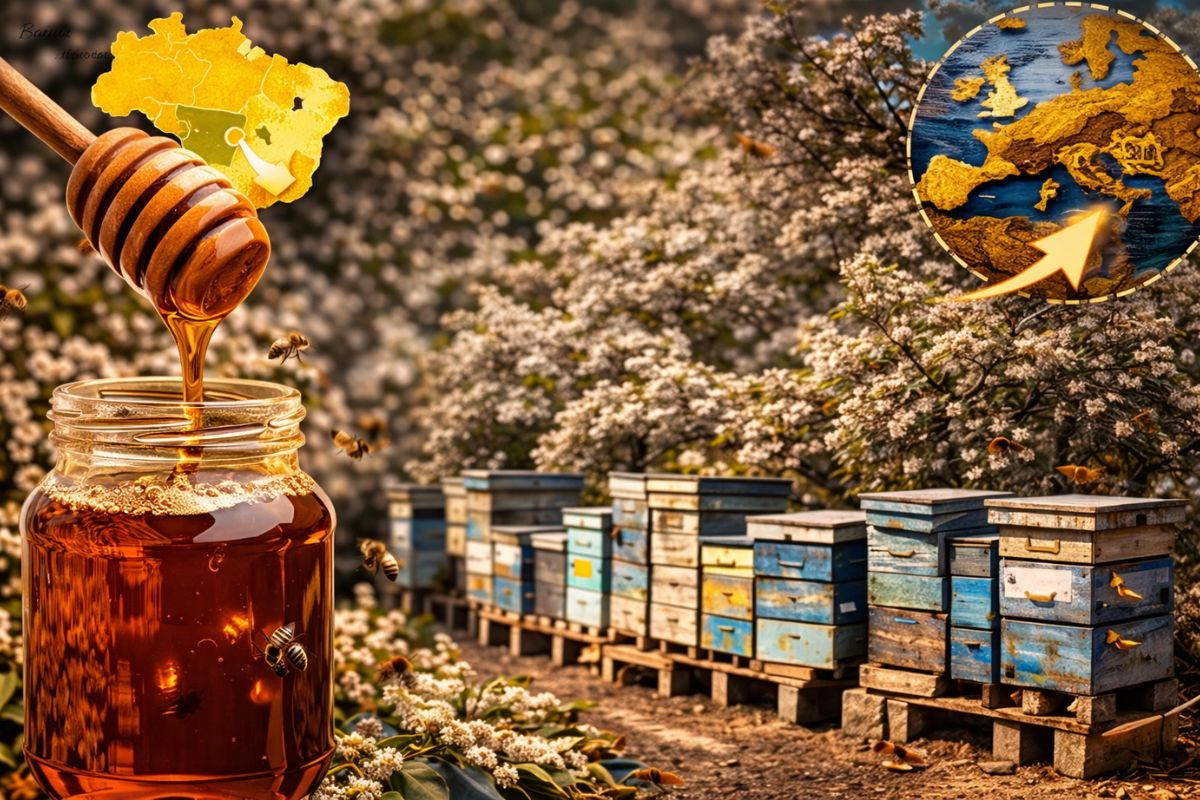
It does not come from flowers, is produced only every two years, and more than 90% goes straight to Europe: meet the bracatinga honeydew honey from Santa Catarina, considered one of the rarest in the world and overlooked by Brazil itself.
-
They said no to 26 million dollars and would do it all over again: mother and daughter from Kentucky reject a million-dollar offer from a mysterious company that wants to build the largest data center in the state on more than 2,000 acres of rural land.


The problem has intensified over the last eight to nine years. Rural labor often requires that the worker reside on the property, which is increasingly difficult when children need to go to school and adults want to study at night to qualify. “Everyone wants to develop. People need to study, they have children in school.
Even offering good conditions and adequate salary, it’s not easy”, explains José Rafael. Working in the passion fruit fields is different from an urban routine: there is dust when it doesn’t rain, mud when it rains, and a constant physical demand.
For the remaining producers in Araguari, the labor shortage is not just an inconvenience; it is an existential threat. Passion fruit is a fruit that requires manual harvest, fruit by fruit, directly from the ground. If the harvest is delayed, the passion fruit rots.
If there aren’t enough people to take care of the orchard, production decreases. And when the numbers don’t add up, the producer abandons the crop.
Fusarium wilt: the disease that expelled passion fruit producers from the activity
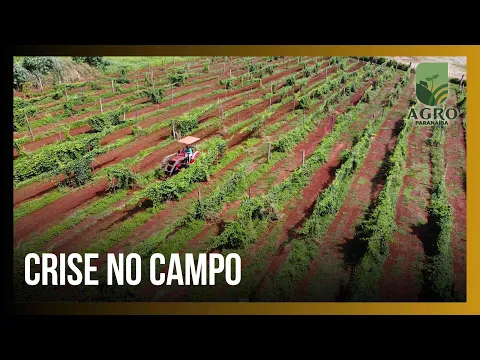

The lack of labor is not the only villain. Fusarium wilt, a disease caused by the fungus Fusarium that attacks the plant’s vascular system, is another factor that has drastically reduced the number of passion fruit producers in Araguari.
When fusarium wilt reaches a cultivation area, there is no chemical or biological control that can definitively solve the problem. The disease remains in the soil and attacks new plantations made in the same location again.
According to José Rafael, fusarium wilt was one of the main reasons that drove producers away from passion fruit farming in the region. The solution found by those who insisted on the activity is grafting: using seedlings from a resistant variety as a rootstock, allowing productive passion fruit to grow on a base that tolerates the fungus.
This technique is widely used in other fruit trees like avocado, orange, mango, and is now being applied to passion fruit with promising results.
The variety Pearl of the Cerrado, cultivated by José Rafael on his 2 hectares of orchard, has an additional advantage: it does not require manual pollination, which would demand even more specialized labor.
The combination of resistance to pests and diseases with lower human labor requirements is what allows producers like him to continue in the activity, but it is a solution that few have adopted in time.
How the 15 remaining producers manage to maintain production
The passion fruit producers who have survived in Araguari have adopted a set of techniques that make the activity viable even with all the challenges. The micro-sprinkler irrigation system keeps the plants thriving during dry periods.
The seedlings are produced in tubes and then transplanted to the field, where they grow on trellises, a wire structure that organizes the growth of the plant.
Passion fruit starts to produce six months after planting and has an average lifespan of three years. After the plant reaches the wire of the trellis, a pruning is done so that the branches grow sideways, forming a curtain of leaves and fruits.
José Rafael’s production, on just 2 hectares, reaches 50 tons per year an impressive yield that demonstrates the potential of the crop when well managed.
The rootstock technique with a smaller and resistant passion fruit variety is another differentiator. The seed of the productive variety is placed inside the fruit of the resistant species, being protected from possible pests from the start.
Studies conducted over the years have confirmed that the variety does not alter the productivity of the passion fruit and offers tolerance to fusarium wilt a combination that makes cultivation viable in areas that have already been contaminated by the fungus.
Brazil produces 736 thousand tons, but the base of producers shrinks
The contrast between national numbers and the local reality of Araguari is revealing. Brazil harvested 736 thousand tons of passion fruit in 2024, according to IBGE data 22 thousand tons more than in 2023. The planted area has remained practically stable in recent years, around 46 thousand hectares. The passion fruit farming sector generates more than R$ 1 billion per year and exports to the United States, France, Argentina, and Portugal.
Minas Gerais is the fifth state that produces the most passion fruit in Brazil, with highlights being Santo Hipólito, followed by Araguari, Presidente Olegário, Carmo do Paranaíba, and Jaíba. But the fact that Araguari has lost almost 90% of its producers in 25 years raises a question that applies to the entire country: if the productive base continues to shrink, how long can the total volume be sustained?
The passion fruit belongs to the genus Passiflora, which includes more than 500 species. The most planted variety in Brazil is the yellow or sour passion fruit (Passiflora edulis), responsible for 96% of the cultivated area in the country.
The other varieties such as the Pearl of the Cerrado, purple passion fruit, and ornamental species occupy smaller niches, but have been gaining space in markets seeking differentiated products with higher added value.
What the history of Araguari teaches about Brazilian fruit farming
The drop from 130 to 15 passion fruit producers in Araguari is not an isolated case. The lack of labor in Brazilian agriculture affects practically all crops that depend on labor-intensive manual work.
Coffee, fruits, vegetables entire sectors face the same difficulty in finding people willing to work in rural areas, especially the younger generations who seek urban opportunities.
For passion fruit, the situation is aggravated by the particularities of the fruit. The harvest is manual and daily: each passion fruit must be picked from the ground as soon as it falls. If delayed, it rots. If there aren’t enough people to harvest, production is lost. There is currently no viable mechanization for this stage — which makes the crop entirely dependent on available and willing human labor.
Initiatives like José Rafael’s show that with proper management, grafting technology, and adapted varieties, passion fruit can still be viable and profitable.
But as long as the issue of labor in the fields is not structurally addressed with public policies, training, and conditions that make rural work attractive, the trend is that more producers will give up and agricultural traditions like those in Araguari will continue to disappear.
Are you a passion fruit producer or know someone who has given up fruit farming due to a lack of labor? Do you think mechanization can solve this problem, or is manual labor irreplaceable in crops like this? Share your thoughts in the comments; this debate about the future of Brazilian fruit farming needs input from those who live the reality of the fields.









Seja o primeiro a reagir!