





 Portuguese
  English
  Spanish
  4 min of reading
  0 comments


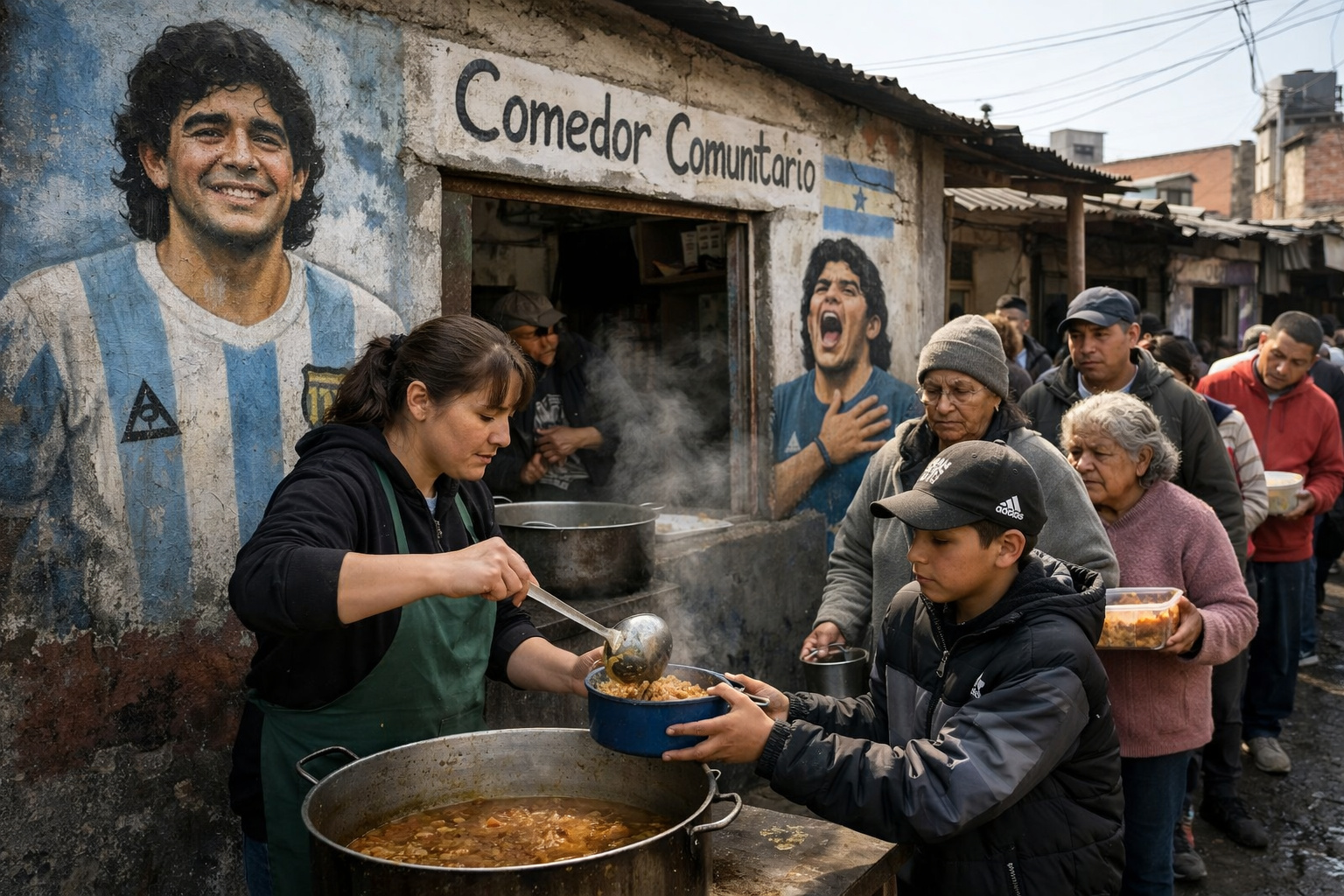
From world idol to social inspiration: historical space in Villa Fiorito transforms into a support point for vulnerable families amid the persistent economic crisis in the country
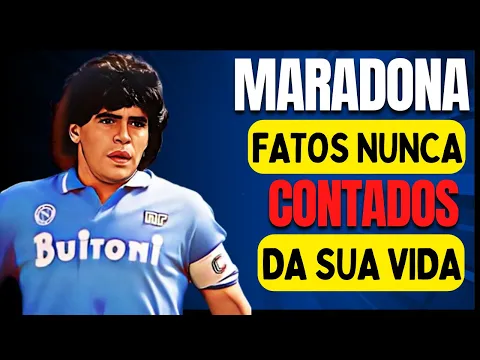
The simple house where Diego Maradona was born, in Villa Fiorito, on the outskirts of Buenos Aires, has ceased to be just a symbol of the history of world football to become a true refuge of solidarity. Today, the place operates as a community kitchen that distributes food and clothing to residents in vulnerable situations, reflecting the harsh economic reality faced by thousands of Argentines.
The information was disclosed by “CNN Brasil”, based on local reports and recent economic data, highlighting how one of the greatest sports idols continues to impact lives even after his death. Thus, the space that once witnessed a childhood marked by deprivation now serves as a support point for those facing similar difficulties.
Economic crisis and increase in vulnerability transform Maradona’s memory into a help point
Currently, dozens — and on some days even hundreds — of people form lines with plastic containers in hand to receive hot food prepared by volunteers. In the same dirt courtyard where the number 10 lived through difficult moments, meals are served while clothes are also distributed to the local population.
-
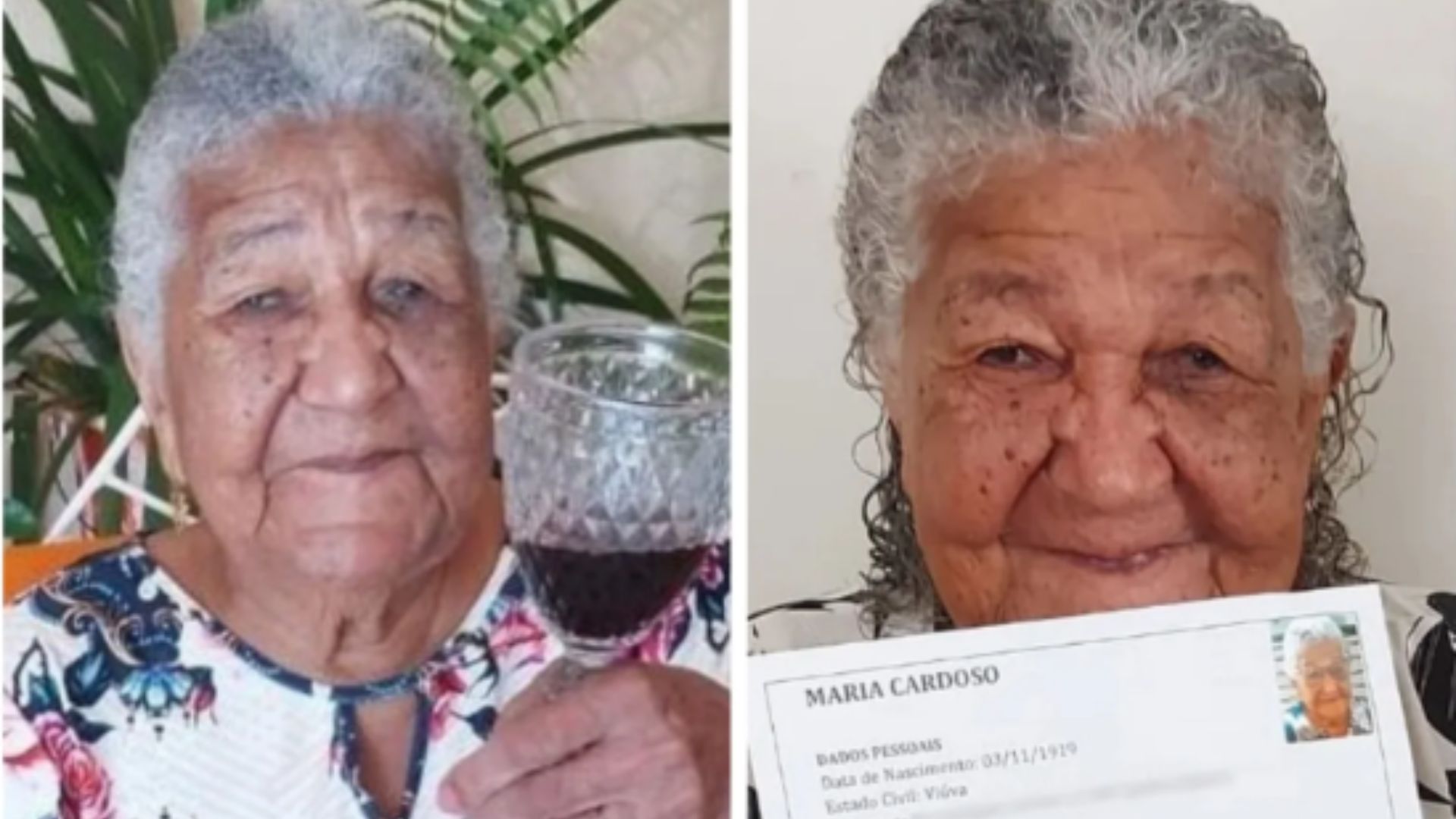
At 106 years old, Mrs. Maria decided to go back to work to continue buying her wines, but ended up being hired as an influencer by a brand and now calls herself the ‘most empowered grandma in the world.’
-
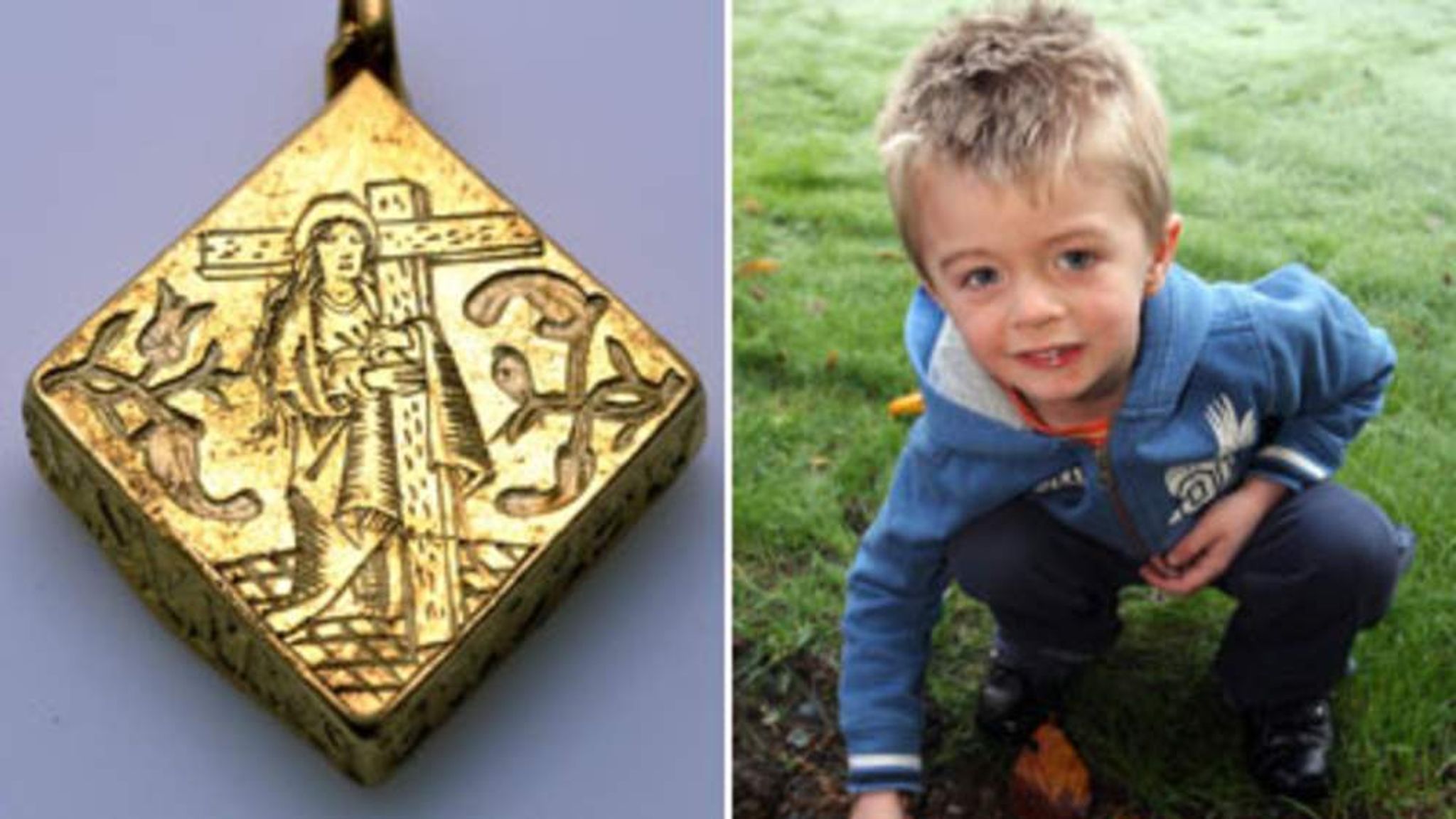
A 3-year-old child was playing with their father’s metal detector and found a gold pendant over 500 years old, valued at $4 million, a piece with a secret compartment linked to the era of Henry VIII, found by James Hyatt.
-
Brazil feels the record heat: 2025, the 3rd hottest year on the planet, brought 1,493 hydrological disasters, affected 336,656 people, and caused losses of R$ 3.9 billion, according to Cemaden in the country.

-
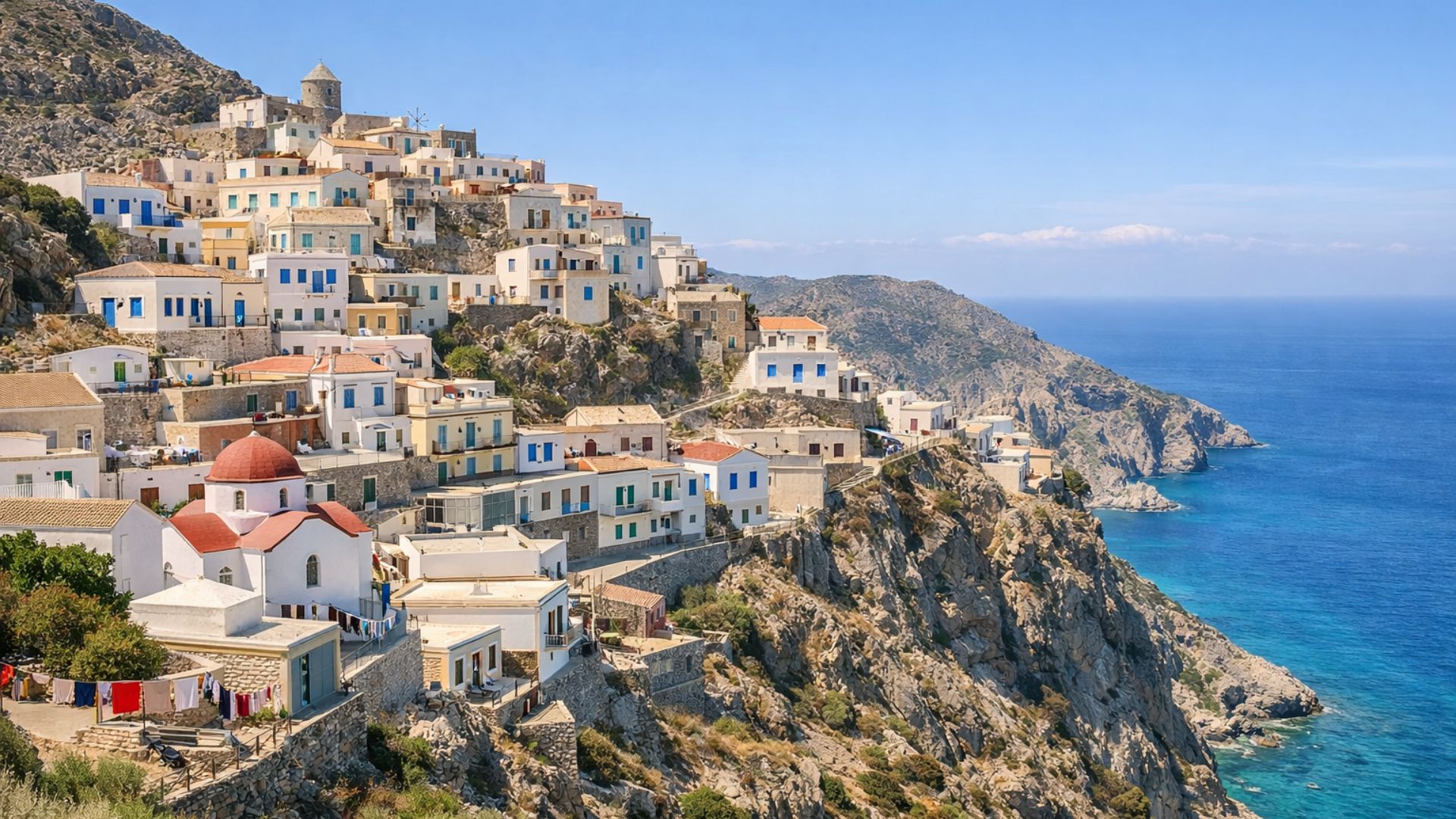
Few people know about this Greek island with 6 ideal months for visiting, perfect winds for kitesurfing, a medieval village on a cliff, almost untouched beaches, and a cuisine featuring fresh fish that surprises travelers.
Moreover, the scenery around the house reinforces the contrast between past and present. The neighborhood of precarious houses, many still under construction, is marked by dozens of murals depicting moments from Maradona’s life, who passed away in 2020 after a cardiac arrest. In the background, music like cumbia — one of the idol’s favorites — helps create an atmosphere filled with emotion and memory.
Meanwhile, the economic reality continues to pressure families. Although data indicates a decrease in poverty — which fell to 31.6% in the first half of 2025, down from 52.9% in the same period of 2024 — the practical situation remains delicate. This is because, despite inflation dropping to around 2.9% per month in February, many Argentines continue to struggle to make ends meet.
In this context, measures implemented by Javier Milei’s government since 2023 have had profound impacts. The so-called “chainsaw” policy reduced subsidies and raised tariffs by over 500%, in addition to causing the closure of about 22,000 companies in just two years, equivalent to approximately 30 companies per day.
Consequently, the job market has also changed drastically. There has been a significant increase in informal workers, such as app drivers and delivery workers, while traditional sectors — such as construction, carpentry, and domestic services — have been severely affected.
From hunger in childhood to a full plate in the present: Maradona’s emotional legacy gains new meaning
In light of this scenario, the transformation of Maradona’s house takes on an even deeper meaning. For many residents, receiving help right at this location carries enormous symbolic weight. After all, the player himself often recalled his difficult childhood in Fiorito, describing the neighborhood as “deprived of water, deprived of asphalt, and deprived of everything.”
Therefore, initiatives like the kitchen not only combat hunger but also restore the dignity of those living in the region. The space, albeit improvised — without tables and with a wood stove functioning as a cauldron — has become essential for the survival of many families.
Additionally, touching stories reinforce this legacy. Father Leonardo Torres, one of the project’s founders, recalls a poignant account from Maradona himself: his mother, Dalma ‘Tota’ Franco, often pretended to have a stomach ache so that he could eat.
Thus, the project’s goal is clear: to ensure that other families do not have to go through the same. “We want many ‘Totas’ and many ‘Diegos’ to go to sleep with full bellies,” the priest stated.
Meanwhile, residents like Diego Gavilán, who survives by collecting cardboard and metals, report the direct impact of the crisis. According to him, the opening of exports reduced the price paid for recyclable materials, making it even harder to support his family. As a result, many have come to depend on community kitchens.
Lines, solidarity, and hope: how Maradona’s house became a symbol of Argentinian reality
With the increase in demand for food, the kitchen has begun to receive an ever-growing number of people. This occurs especially after the closure of small factories and the reduction of formal jobs, factors that have amplified food insecurity in neighborhoods like Villa Fiorito.
Furthermore, experts highlight that, although there are macroeconomic advances, it is necessary to expand GDP growth in sectors that generate more jobs. Otherwise, improvements in indicators will not translate into quality of life for the population.
Still, the social impact of the project is undeniable. For many, being in “Diego’s house” represents more than just a meal — it is a symbol of resistance, memory, and hope.
Finally, the house, declared a national historical heritage site in 2021, reinforces its role not only as a sports landmark but also as one of the main community support points in the region. In this way, Maradona’s legacy transcends football and solidifies as a living example of solidarity in difficult times.





Seja o primeiro a reagir!