





 Portuguese
  English
  Spanish
  4 min of reading
  0 comments


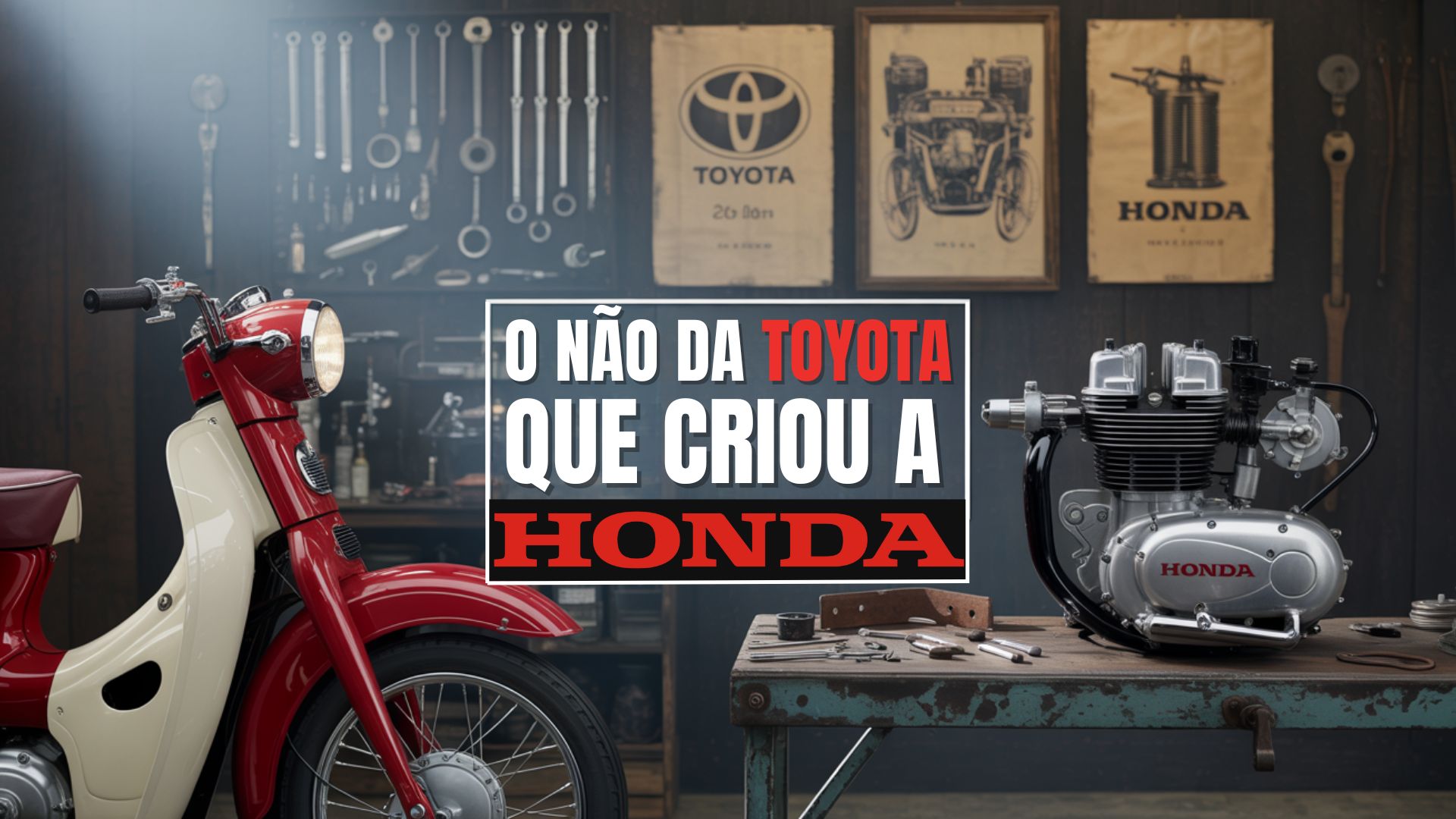
The Trajectory Of A Self-Taught Mechanic Who Turned Rejection And Adversities Into One Of The Most Remarkable Stories In The Motorcycle Industry, Creating A Small Displacement Model That Changed Mobility In Several Countries.
Rejected By Toyota In The Late 1930s, Soichiro Honda Turned An Unaccepted Piston Project Into The Starting Point To Create Honda Motor And Launch The Super Cub, A Motorcycle That Would Become The Best-Selling Motorized Vehicle On The Planet, With Tens Of Millions Of Units Produced.
The beginning took place in modest workshops, gained ground in a war-devastated Japan, and was consolidated with a clear proposal: Affordable, Robust, And Easy-To-Operate Mobility.
The Day When Rejection Became Motivation
In The Late 1930s, Soichiro Honda Presented A Piston Project That He Considered Innovative To Toyota.
-
Friends have been building a small “town” for 30 years to grow old together, with compact houses, a common area, nature surrounding it, and a collective life project designed for friendship, coexistence, and simplicity.

-
This small town in Germany created its own currency 24 years ago, today it circulates millions per year, is accepted in over 300 stores, and the German government allowed all of this to happen under one condition.

-
Curitiba is shrinking and is expected to lose 97,000 residents by 2050, while inland cities in Paraná such as Sarandi, Araucária, and Toledo are experiencing accelerated growth that is changing the entire state’s map.

-
Tourists were poisoned on Everest in a million-dollar fraud scheme involving helicopters that diverted over $19 million and shocked international authorities.


The Self-Taught Mechanic Believed That The Part Could Enhance Engine Performance. The Proposal Was Rejected.
According To His Own Account, He Was Told By The Engineers That “This Doesn’t Meet Our Standards”. Years Later, He Would Summarize The Episode With The Phrase: “I Was Rejected By Toyota… So I Founded Honda”.
The Immediate Result Was Not The Abandonment Of The Project. He Continued To Develop Prototypes, Investing His Own Resources And Working Long Hours. He Reported In His Memoirs That He Worked “Until His Hands Bled”.
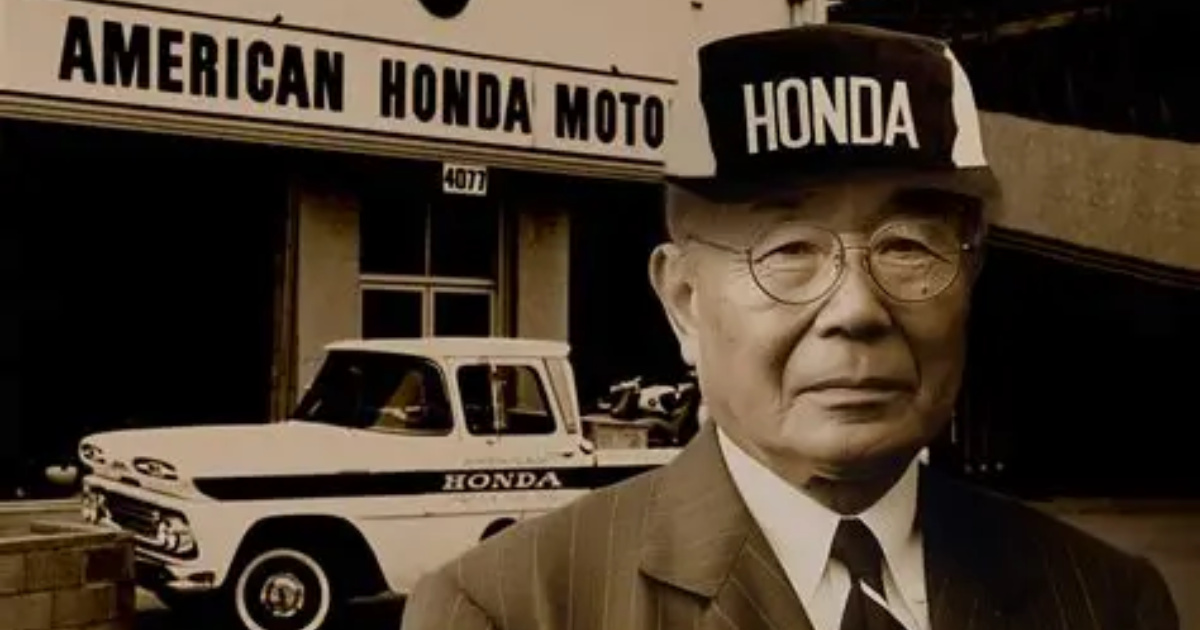
War, Destruction And Restart
During World War II, Soichiro Honda’s Factory Was Destroyed By Bombings. A Subsequent Earthquake Eliminated What Was Left.
The Recoverable Materials Were Sold, And With The Proceeds, He Founded The Honda Technical Research Institute In 1946, Dedicated To Developing Transportation Solutions.
In Post-War Japan, Resource Scarcity Limited Access To Vehicles. The Alternative Found Was To Adapt Surplus War Engines To Bicycles.
These Improvised Models Were Not Aesthetically Elaborate, But They Met The Demand For Short And Low-Cost Transport.
From Prototype To Dream Type D
In 1948, Soichiro Honda Partnered With Takeo Fujisawa, Who Handled The Administrative And Strategic Aspects.
The Collaboration Enabled Increased Production And The Structuring Of The Sales Network.
The Following Year, The Company Launched Its First Complete Motorcycle, The Dream Type D, Equipped With A 98 cc Two-Stroke Engine With About 3 Horsepower.
The Choice Of A 98 cc Engine Balanced Cost, Consumption, And Maintenance, Making The Model Suitable For Urban Use Conditions In Japan.
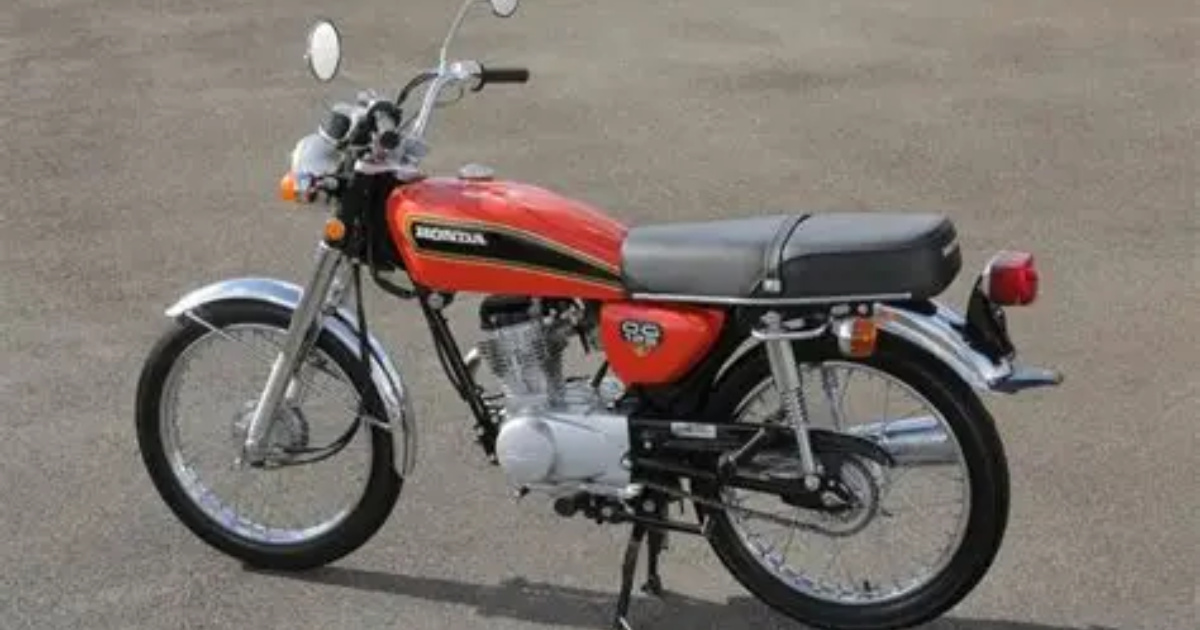
Technical Characteristics
The 98 cc Engine Featured A Two-Stroke Combustion Cycle, Simplifying Construction And Reducing The Weight Of The Whole.
The Power Was Sufficient For Daily Commutes, And The Structure Of The Motorcycle Facilitated Repairs And Parts Replacement.
These Factors Made The Model Accessible And Functional For Different User Profiles.
The Launch Of The Super Cub
The Biggest Milestone Came In 1958, With The Presentation Of The Honda Super Cub. The Model Had A Semi-Automatic Transmission, Reinforced Structure, And Low Fuel Consumption.
This Design Allowed It To Be Driven By People Without Previous Motorcycle Experience. The Practicality And Durability Expanded Its Acceptance In Urban And Rural Areas.
The Production Of The Model Expanded To Several Countries, With Variations That Retained The Original Characteristics.
The Super Cub Became A Reference In The Small Displacement Segment And Achieved Significant Sales Numbers Over The Decades.
International Expansion
In 1959, Honda Started Operations In The United States, Adopting Marketing Strategies Aimed At A Broad Audience And Campaigns Highlighting Reliability And Low Maintenance Costs.
The Entry Into The North American Market Boosted The Brand’s Global Presence.
From This Base, The Company Established Factories And Distribution Networks Across Various Continents.
Influence Of The Beginning On The Brand Philosophy
The Episode Of The Initial Rejection Contributed To Establish Stricter Quality Standards In Honda’s Industrial Processes.
Attention To Production Details, From Accurate Measurements To Specific Treatments Of Components, Became Part Of The Methodology Adopted.
The Early Years Also Defined The Approach Focused On Functionality, Prioritizing Solutions That Combined Low Cost, Reliability, And Ease Of Use.
The 98 cc Engine Of The Dream Type D And The Operational Simplicity Of The Super Cub Are Examples Of This Strategy.
Strategy Guided By Objective Questions
Throughout Product Development, Practical Questions Guided Decisions:
- How To Keep Production Affordable Without Compromising Performance?
- How To Make Riding Simple For Beginners?
- What Would Be The Best Technical Assistance Structure For Less Urbanized Areas?
The Answer To The First Came With Compact And Economical Engines. The Second Was Solved With Easier Operation Gear, And The Third Resulted In The Standardization Of Parts And The Training Of Mechanics In Different Regions.









Seja o primeiro a reagir!