





 Portuguese
  English
  Spanish
  7 min of reading
  0 comments


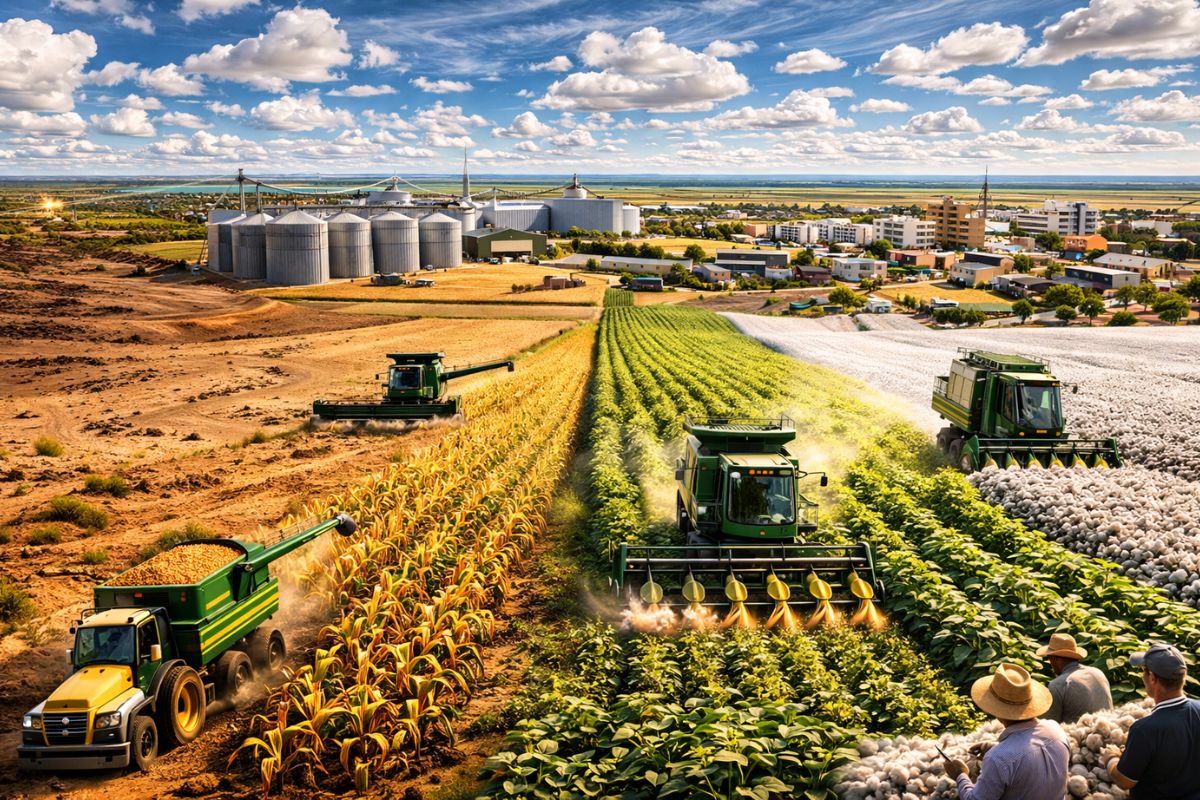
In the interior of Brazil, Matopiba transforms cities by uniting soy, agribusiness, and logistics in a region that already moves billions.
Matopiba transforms cities and changes the logic of those who still think that Brazil’s greatest economic dynamism is only in large urban centers or older agricultural hubs. In recent decades, the region has moved from being viewed with suspicion to becoming one of the most impressive food production areas in the country.
The movement draws attention because it occurs in an area that, for many, still seems to be made up only of savanna, long roads, and small municipalities. Behind this discreet appearance, there is a billion-dollar expanding machinery, based on soy, corn, cotton, technology in the field, and logistical corridors that connect the Brazilian interior to international markets.
What is Matopiba and why has it gained so much weight
The name Matopiba was born from the initials of Maranhão, Tocantins, Piauí, and Bahia. Together, these four states form a large quadrilateral in the interior of Brazil that has undergone a profound economic transformation in recent decades.
-
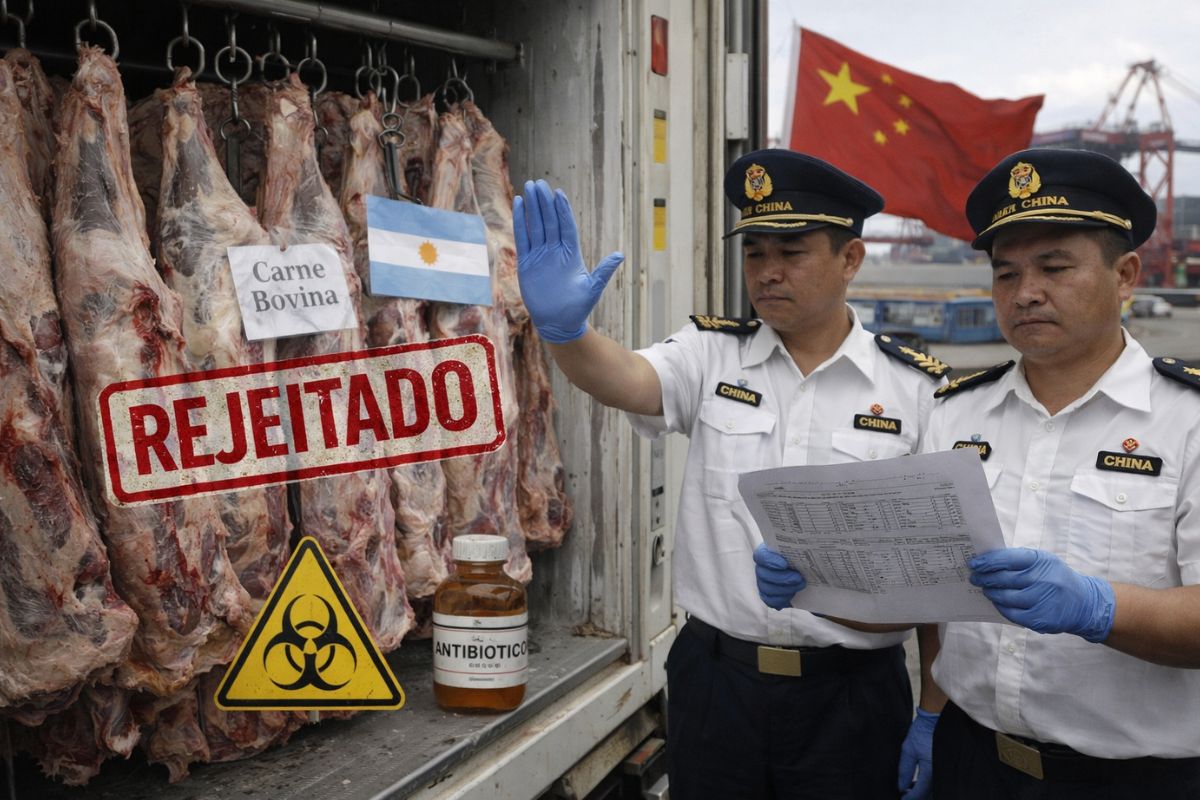
China rejected an entire shipment of beef from Argentina after detecting an antibiotic so dangerous that it has been banned for human consumption for over 30 years, and now the export sector is facing a crisis of international trust.
-
With nearly 500 thousand tons per year, barley production is growing in Brazil, while a decline in beer consumption among Generation Z raises alarms in the sector.

-
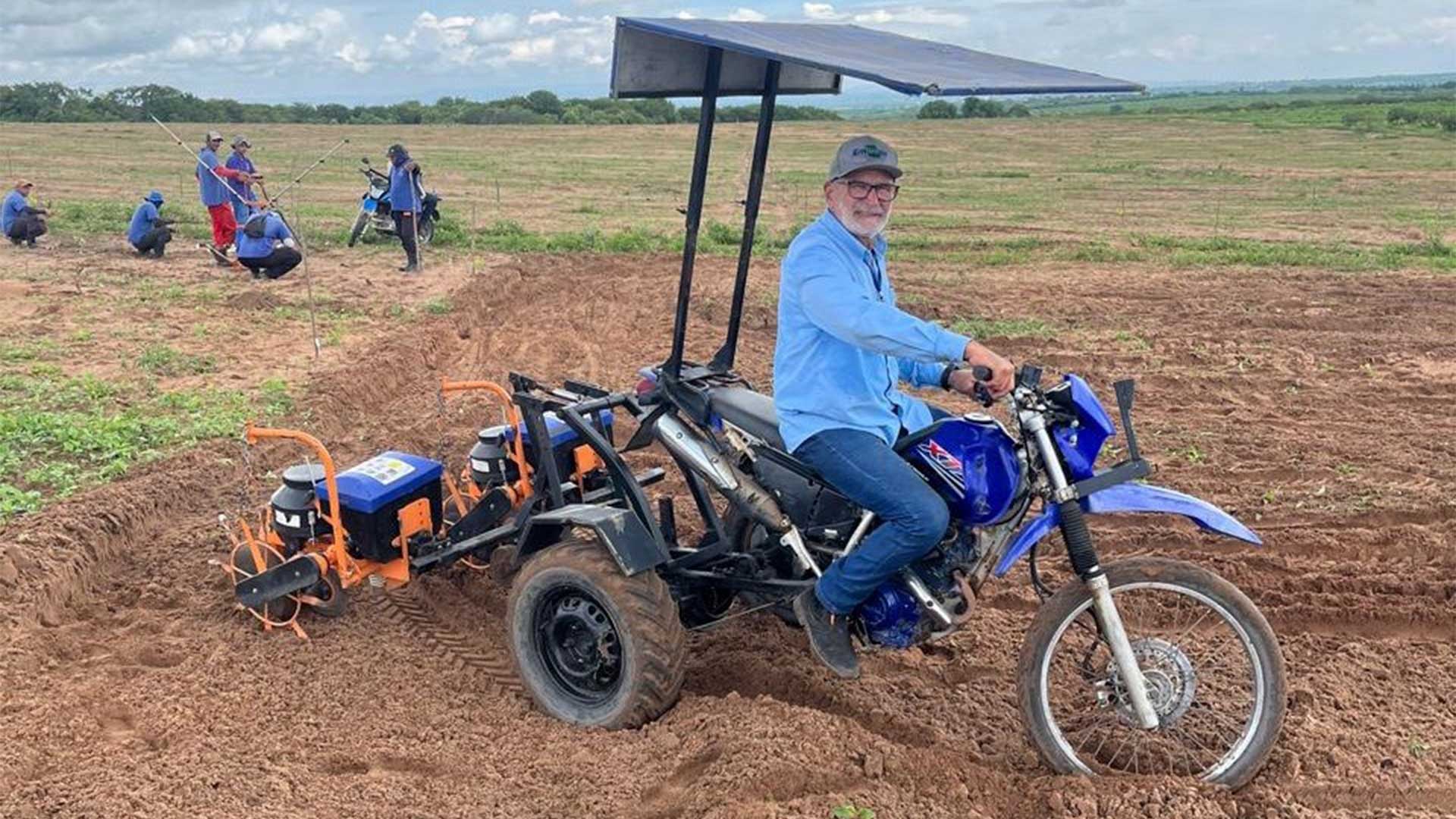
With tractors out of reach for small producers, a tricycle created by Embrapa Algodão becomes a cheap and efficient solution and gains national prominence.
-
From 130 producers in the year 2000 to just 15 today: the dramatic decline of passion fruit in Araguari shows how the lack of labor in the Brazilian countryside is killing a decades-old agricultural tradition, even with Brazil being the largest producer in the world.

The strength of the region lies in a rare combination. There are large expanses of flat land, a climate favorable to agriculture, and space for productive expansion.
This mix has attracted rural producers, investors, and agricultural companies from various parts of Brazil, especially from the South and the Midwest, in search of larger and cheaper areas.
As a result, Matopiba has ceased to be just a promise and is now seen by many experts as the last great agricultural frontier on the planet.
The idea has gained strength because there is still room for growth in a world where many cultivable areas are already saturated.
Soy, corn, and cotton accelerate the new phase of the region

In just a few decades, previously underexplored areas have begun to produce gigantic volumes of grains. Among the main products cultivated in Matopiba are soy, corn, and cotton, three commodities that move billions of dollars in international trade.
In the 2025-2026 harvest, according to the data provided, the region already accounts for between 32 and 35 million tons of grains, with a significant share in national soy production.
This advancement helps explain why Matopiba has ceased to be just an agricultural bet and has come to play a central role in Brazilian agribusiness.
Productivity has also grown at an accelerated pace. In some areas, performance is already comparable to that of international agricultural hubs, demonstrating the impact of mechanization, soil correction, seed adaptation, and large-scale technology use.
How Matopiba transforms cities in the interior
Matopiba transforms cities because agricultural production is not limited to farms. When the countryside grows, it pulls in storage, transportation, utilities, services, infrastructure, and new businesses that change the local economy.
One of the examples mentioned in the data is Luís Eduardo Magalhães, in western Bahia. In just over 20 years, what was described as a small village surrounded by empty land has turned into one of the richest agricultural hubs in the Northeast. Today, the city hosts large agribusiness companies, giant agricultural machinery, and a heavy flow of trucks.
Another notable case is Balsas, in southern Maranhão. The city has established itself as one of the entry points for modern agribusiness in the region, receiving investments in infrastructure, grain storage, and logistics. These examples clearly show how the advancement of agribusiness reorganizes the urban and economic space of the interior.
Logistics has become a decisive piece for growth
Producing millions of tons in the interior of Brazil solves only part of the equation. The other challenge is to transport this production to international markets competitively. It is at this point that logistics emerges as a strategic factor.
For a long time, a significant portion of Brazilian agricultural production depended on ports in the South and Southeast. With the expansion of agribusiness in Matopiba, shorter and more efficient routes have gained importance, especially those linked to the Northern Arc. This change has shortened distances, reduced costs, and further strengthened the region.
One of the highlights mentioned in the material is the port of Itaqui, in São Luís, Maranhão. In 2025, the Gran Itaqui grain terminal handled 13.5 million tons, much of it coming from Matopiba.
This logistical corridor saves thousands of kilometers in freight compared to more traditional routes, making production more competitive against buyers in Europe and Asia, especially China.
Railway, truck, and port connect the interior to the global market
The port of Itaqui does not operate alone. Infrastructure projects like the North-South Railway serve as the backbone of cargo transport in central Brazil and help connect producing regions to strategic ports.
For Matopiba, this means more efficiency in moving large volumes. Transporting by train reduces costs and increases competitiveness, especially in a region where production scale is rapidly growing.
This articulation between farm, road, railway, and port allows the interior to communicate directly with the global market.
Trucks and, increasingly, trains form export corridors that link vast fields to international destinations. This helps consolidate Matopiba as not only an agricultural frontier but also a logistical one.
Agricultural science changed the image of unproductive land
For a long time, a significant portion of this land was treated as unsuitable for large-scale agriculture. Poor soils, distance from consumer centers, and limited infrastructure helped reinforce this perception.
This view began to change with the advancement of Brazilian agricultural science. Researchers from Embrapa developed techniques for acidity correction, proper fertilization, and seed varieties adapted to the tropical climate. What was once seen as an obstacle has come to be treated as an opportunity.
From these solutions, producers from other regions began to migrate to Matopiba. At first, the bet was risky, but the results emerged.
Crops thrived, productivity increased, and land values rose significantly. In some areas, land that was once worth very little has become worth fortunes.
Giant farms and technology explain the scale of the phenomenon


Another aspect that helps to understand the strength of Matopiba is the size of the properties. While in many parts of the world rural areas are relatively small, in the region there are farms with over 10,000 hectares cultivated.
These areas function as true agricultural cities. Large machinery traverses extensive plantations, silos store immense volumes, and modern production systems operate with precision agriculture, drones, and irrigation. The scale of the territory combined with technology helps explain why the growth has been so rapid.
This set has created a productive environment capable of rivaling large international hubs. At the same time, it has driven new services and urban structures in the surrounding cities, reinforcing the link between agricultural production and local economic transformation.
The interior that grows outside the traditional focus
Even while moving billions and attracting investments, Matopiba is still little known by a large part of Brazilians.
While the large centers dominate the headlines, the region grows more quietly in the heart of the country.
This contrast is strongly evident in the base material. On one side, there are small towns and savanna landscapes.
On the other, there is a modern productive structure, integrated into the international market and capable of reshaping local economies. It is precisely this difference between appearance and reality that makes the phenomenon so impactful.
Matopiba transforms cities because it creates new economic centralities far from the traditional news axis. Previously peripheral municipalities begin to concentrate wealth, services, capital circulation, and infrastructure linked to agribusiness.
What may still happen in the coming years
The base text indicates that the potential for expansion in Matopiba remains large. In a global scenario of increasing food demand, the region appears as one of the areas with the most capacity to increase production.
At the same time, the environmental challenge also imposes itself. The need to balance growth with the preservation of the savanna emerges as an important part of the equation.
Still, the base highlights that Brazil has shown the capacity to innovate to reconcile production and sustainability.
Therefore, the story of Matopiba seems far from over. The region has already established itself as a giant in agribusiness but can still gain even greater weight in the Brazilian economy and global supply.
Matopiba transforms cities, reorganizes the interior, and reinforces the idea that a new stage of Brazilian growth may be emerging far from the more traditional centers.
What once seemed unproductive now moves billions, attracts technology, expands logistical routes, and helps to form a new economic map within the country.
Do you think Matopiba can become the most strategic region of Brazilian agribusiness in the coming years?







Seja o primeiro a reagir!