





 Portuguese
  English
  Spanish
  5 min of reading
  2 comments


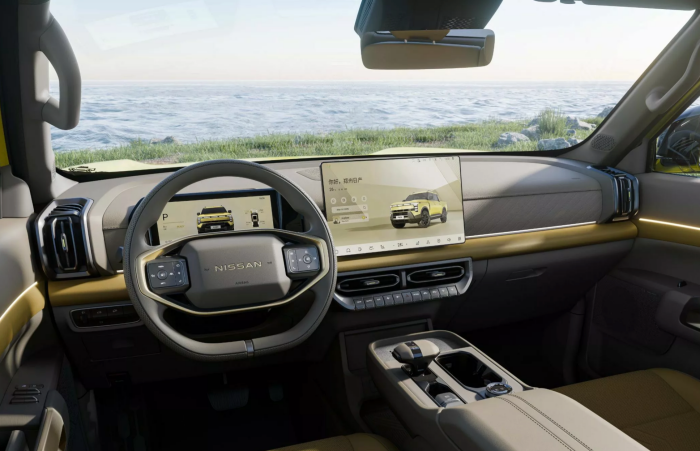

Nissan Frontier Hybrid Costs R$ 123 Thousand in China, but in Brazil the Price Jumps 150%, Highlighting a Significant Difference in the Automotive Market.
If you are looking for a mid-size pickup that combines power, hybrid technology, and an affordable price, the difference between the Chinese and Brazilian markets may surprise you.
Nissan, through its joint venture with Dongfeng in China, launched the plug-in hybrid version of the Z9 pickup, a sort of electrified sister to the Frontier, but at a fraction of the price charged here in Brazil.
According to official data, the Z9 GE PHEV — the plug-in hybrid version of the pickup — is sold for around R$ 123 thousand in China, equivalent to US$ 21,800, which is less than a HB20 Platinum Safety 1.0 Turbo AT, which in June is being sold for R$ 124,390.
-
China has deployed more than 1,400 fishing boats in formation, creating a barrier of 320 kilometers at sea, and the whole world wants to know if this is fishing, a military exercise, or a message of war.

-
Spain surprises the world by erecting 62 artificial dunes, mixing sand with natural remains of posidonia, and causing the structure to lose only 1.4% of its volume in 1 year.

-
With 16 Bulava missiles, improvements in acoustic stealth, and a design focused on silent patrols, Russia’s nuclear submarine was born to ensure Moscow’s invisible retaliation and has become one of the pillars of its maritime strength.

-
‘Populous’ city in Rio among the worst in Brazil in national ranking and exposes silent development crisis.


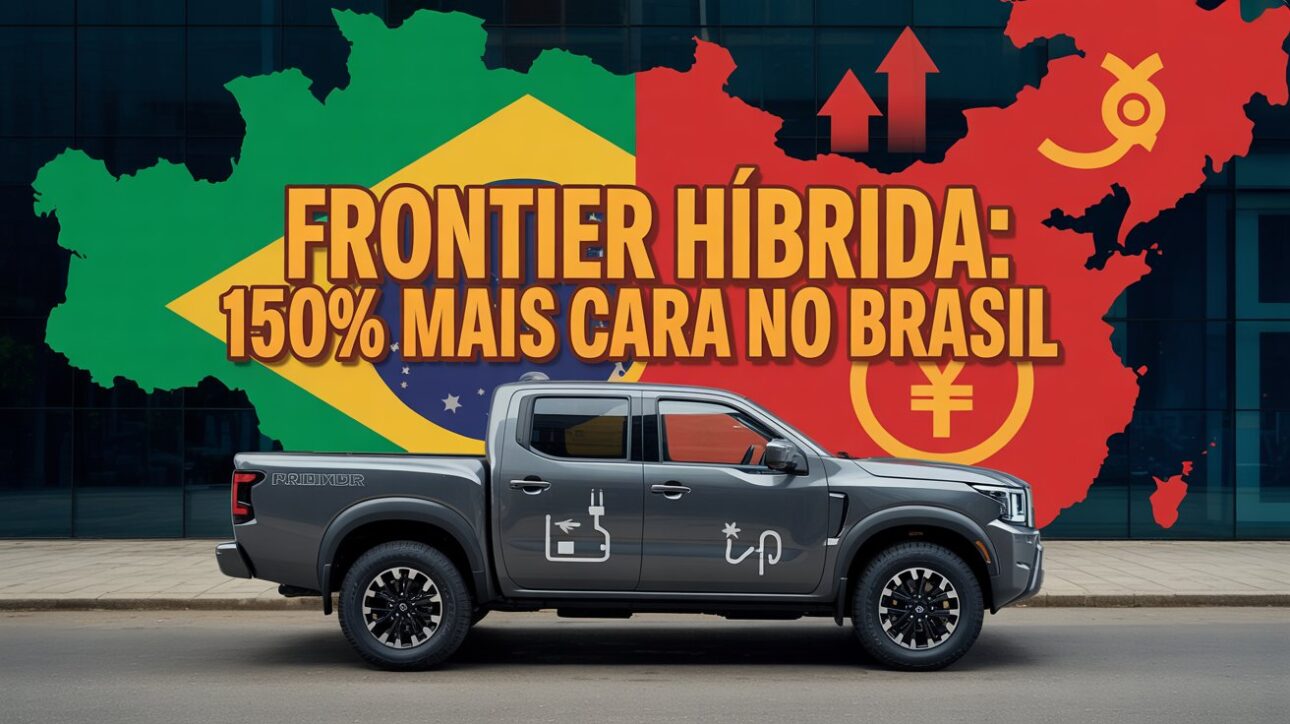
In the Brazilian market, the price of the Nissan Frontier can exceed R$ 310 thousand, a value 150% higher.
This discrepancy draws attention to the price disparities and incentives between countries and reinforces the impact of taxes, logistics, and public policies on hybrid and electric vehicles in Brazil.
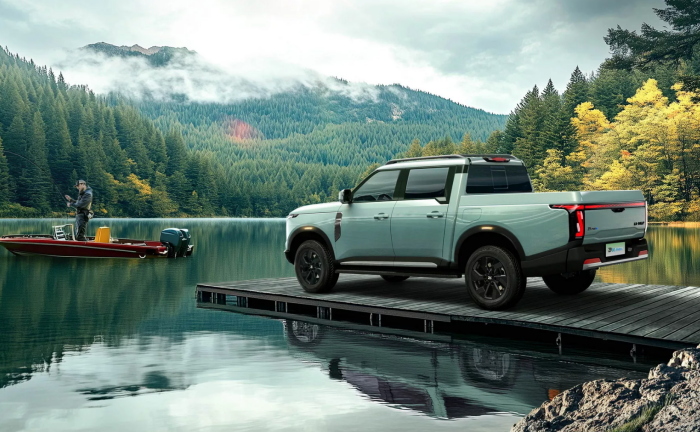
Nissan Z9 GE PHEV: Advanced Technology and Competitive Pricing
The Chinese Z9 GE PHEV pickup features an impressive mechanical set.
It combines a 1.5 turbo gasoline engine with an electric motor, which together generate between 322 hp and 429 hp, depending on the chosen version.
Torque is one of the highlights: an impressive 81 kgfm, capable of ensuring power and performance for urban and off-road use.
The automatic transmission is exclusive to the hybrid system, and there are options with rear or all-wheel drive, which enhances its versatility for different terrain types and needs.
Additionally, the Z9 offers two battery options: one with 17 kWh, allowing for up to 60 km of electric-only driving, and another with 32.85 kWh, with a range of up to 135 km without using fuel, according to the NEDC cycle.
Impressive Features
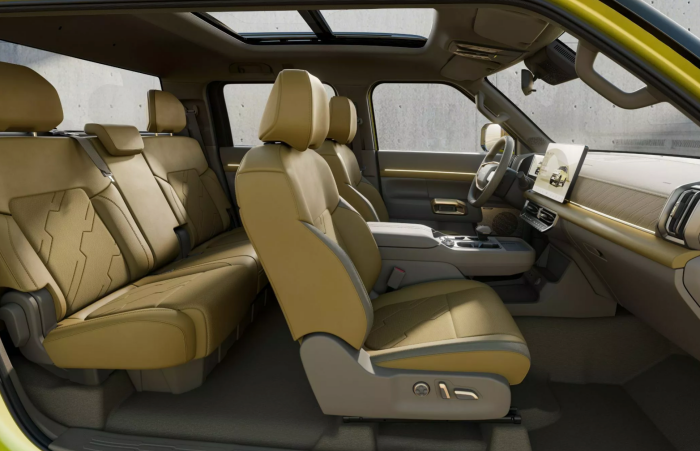
Even in the more basic versions, the Z9 already comes with a 10.25-inch digital display and a 12.8-inch multimedia center, providing connectivity and comfort for the driver.
The more sophisticated versions offer a 14.6-inch screen, Nappa leather seats with heating, ventilation, and even massage functions, as well as a premium sound system with 12 speakers.
The interior of the Z9 is practically the same as the Nissan Frontier Pro manufactured in China, although both have exclusive visual details, such as grilles, bumpers, and LED signatures.
Dimensions and Comparison with the U.S. Market
With a length of 5.49 meters, double cab, and a 1.52-meter bed, the Z9 is on the same dimensional level as the Frontier sold in the United States.
There, the Frontier starts at US$ 32,050 for the simplest version, equipped with a naturally aspirated V6 engine and without electrification.
Even the top-of-the-line version of the Z9 hybrid costs around US$ 30,500, making it a more accessible and technologically advanced option.
Brazil: A Market Struggling with Taxes and High Taxation
In Brazil, the scenario is quite different.
The Nissan Frontier, a model manufactured locally in Resende (RJ), reaches dealerships with an average price exceeding R$ 310 thousand for the most equipped version.
This amount represents an increase of approximately 150% compared to the price of the Chinese hybrid Z9, even considering the import duties that apply to foreign models.
The main reason for this difference lies in the high tax burden on vehicles in Brazil, especially those with hybrid or electric technologies, which still do not benefit from clear and consistent tax incentives.
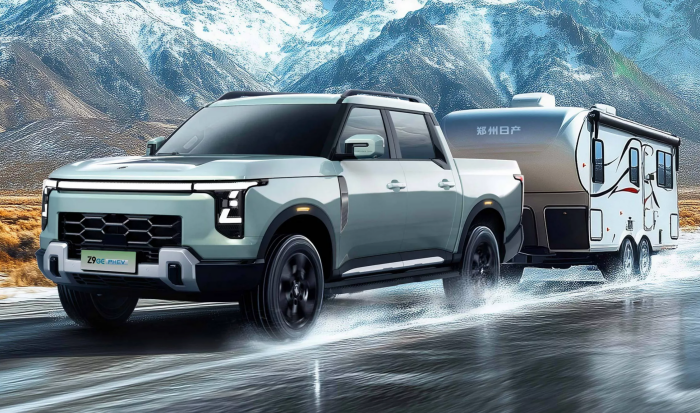
Incentives and Challenges for Green Vehicles in Brazil
While countries like China and the United States are expanding incentives for hybrid and electric cars, Brazil is moving slowly in that direction.
The absence of robust public policies and the tax complexity make the final price of these vehicles less competitive for Brazilian consumers.
Additionally, the cost of infrastructure for charging and maintaining batteries remains a challenge, hindering the popularization of these models here.
Electric and Hybrid Pickups: Future and Global Challenges
The launch of the Nissan hybrid Z9 in China highlights the global race for more efficient and technological vehicles.
In the United States, for instance, the supply of electric pickups is growing, but basic versions are sold with minimal equipment, sometimes even lacking electric windows and with limited paint options, to keep the price competitive.
In Brazil, however, this reality is still distant, mainly due to the lack of incentives and difficulties in local production of electrified vehicles.
What is the Future of the Nissan Frontier in Brazil?
The Nissan Frontier manufactured in Brazil still has no forecast of receiving a plug-in hybrid version, which could bring its price and technology closer to what is seen in China.
For now, the market is divided between the limited offer of traditional combustion pickups and the growing pressure for more sustainable and technological models.
This discrepancy between the prices practiced in China and Brazil highlights a dilemma for consumers and manufacturers: how to offer advanced technology at an accessible price in a country facing high taxes and little infrastructure for green vehicles?
Impact on the Brazilian Consumer
The price disparity and technologies highlight a question that directly affects the Brazilian wallet and the conscious choice for a vehicle that combines power, economy, and respect for the environment.
With the advancement of environmental legislation and the possible expansion of incentives for hybrid cars, many consumers hope that the national market adapts to offer more modern and accessible pickups.
Until then, models like the Nissan Z9 hybrid in China serve as a clear example of what Brazil could have if conditions were more favorable.
A Look at the Future of the Brazilian Automotive Market
Nissan and other global automakers continue to invest in hybrid and electric technology, pressuring governments and markets to adapt their policies.
However, mass adoption depends on factors such as tax incentives, charging infrastructure, and consumer awareness.
Until that happens, Brazilians pay a high price for traditional pickups, with limited availability of electrified versions and cutting-edge technologies.
Do you believe Brazil will be able to keep up with the technological evolution of hybrid and electric pickups without significant changes in public policies? Leave your opinion in the comments!






Brasileiro não se importa de pagar muito caro, desde que entre na fila de reserva. É chic!!!! Kkkkkkkkk. Esse povo merece os impostos no lombo.
Falou tudo !