





 Portuguese
  English
  Spanish
 2 min of reading
  0 comments


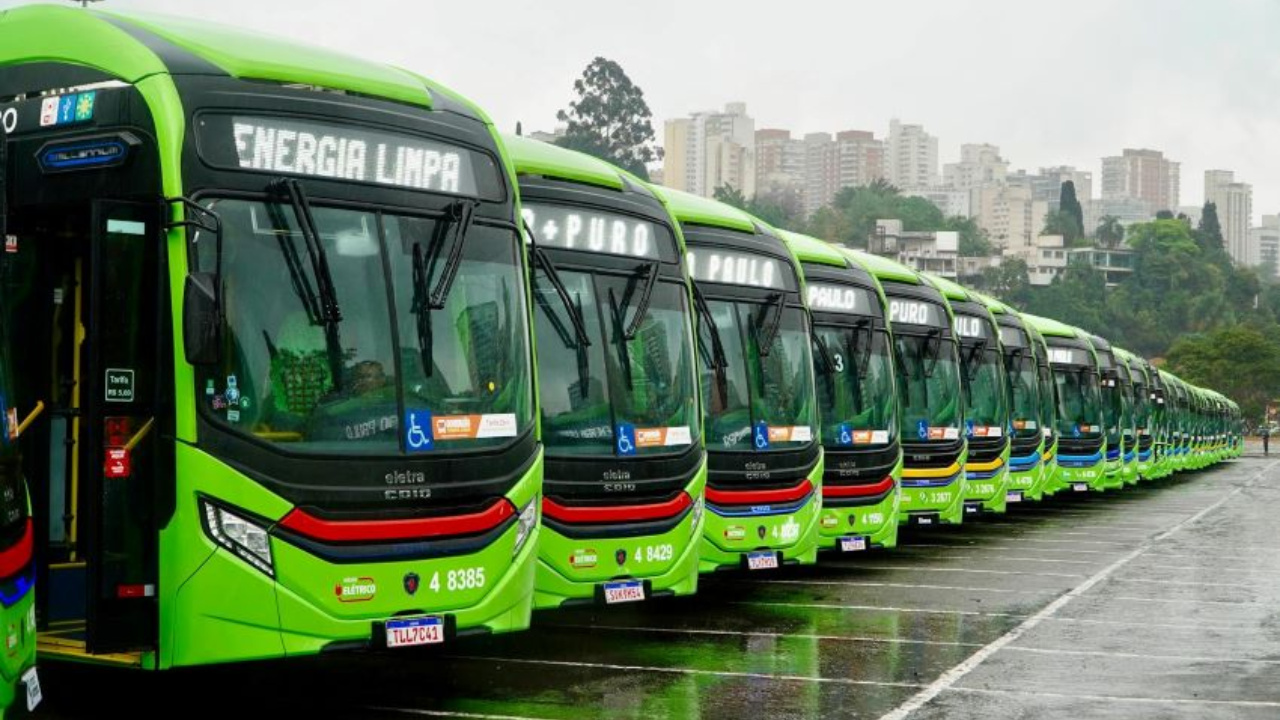
São Paulo Already Has 930 Electric Buses in Operation, Saving R$ 208 Million in Diesel and Avoiding the Emission of Over 80,000 Tons of CO2 per Year.
The capital of São Paulo, owner of the largest fleet of clean energy vehicles in Brazil, is already feeling the positive impacts of the electrification of public transport. With 930 electric buses in operation, São Paulo has avoided consuming 34 million liters of diesel in a year, as reported by CanalVE this Monday, September 15.
According to data from Petrobras, based on the average price of diesel at R$ 6.14 per liter, the savings exceed R$ 208.7 million for public coffers. This amount represents not only financial relief but also a sustainability strategy in collective transportation.
Significant Reduction of Pollutants in the Air
In addition to fuel savings, São Paulo’s electric buses play an essential role in improving air quality. According to SPTrans, the use of the current fleet prevents the emission of 80,910 tons of CO2 per year.
-
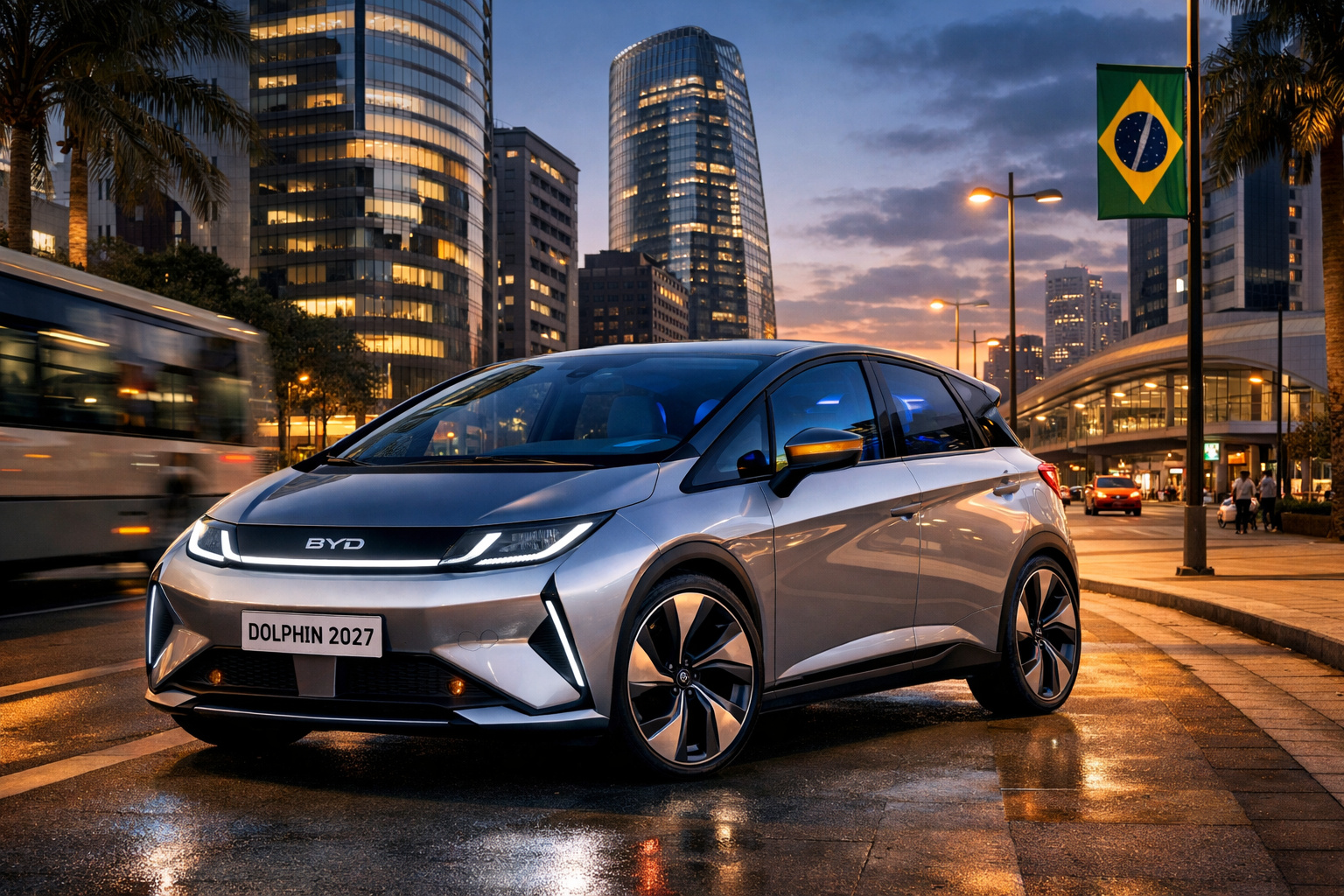
BYD Dolphin 2027 gains more power, increases in size, changes interior, and abandons controversial feature to face new competition in Brazil.
-
The German economist Wolf-Peter Schill has no doubts: “Electric cars are already far superior to cars with internal combustion engines.”

-
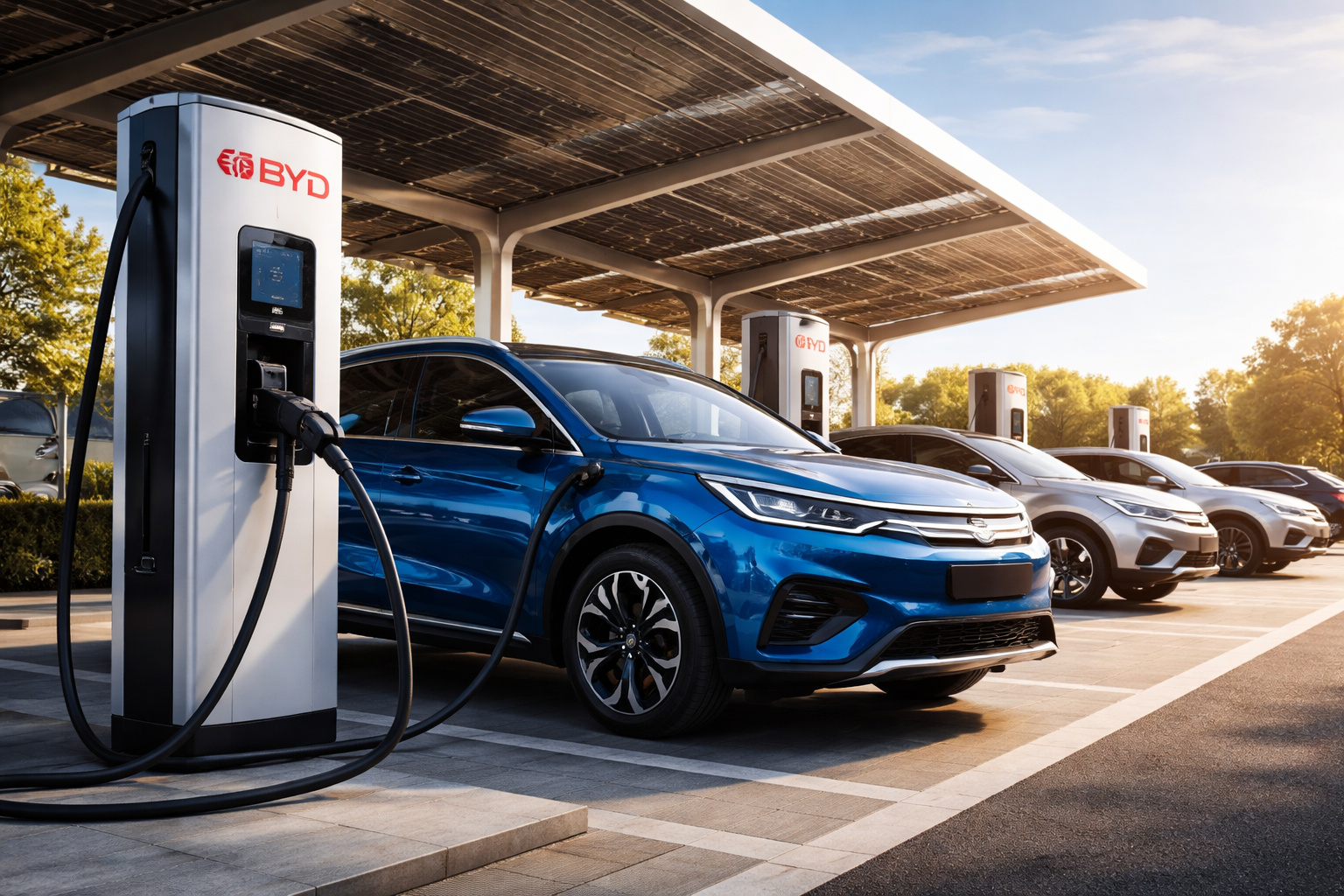
Largest public charging network in Brazil: BYD reaches 125 fast chargers and accelerates national expansion of electric mobility.
-
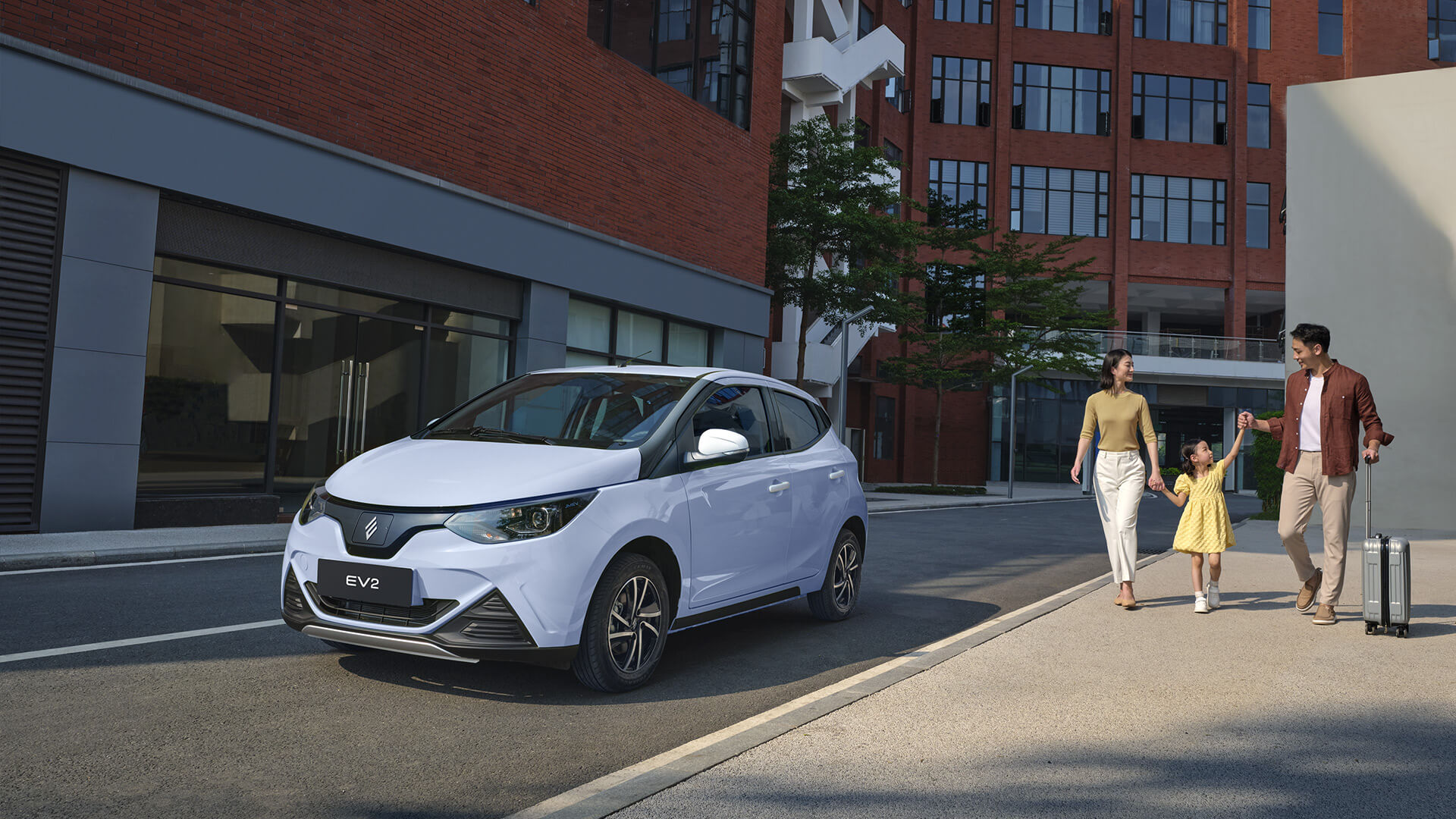
Goodbye expensive popular car: electric vehicle for less than R$ 70,000 starts being sold in Brazil with a range of 200 km and targets those looking to escape gasoline.

Calculations show that each electric bus reduces CO2 emissions by 87 tons annually, along with 0.21 tons of nitrogen oxides (NOx) and 0.002 tons of particulate matter. By multiplying these numbers by the 930 vehicles in operation, one arrives at the positive environmental impact that already benefits millions of residents of São Paulo.
Expanding Electric Fleet and Goals for the Future
Currently, of the 13,300 buses in the city, 6.3% are electric, including 729 battery-powered and 201 trolleybuses. These vehicles operate on more than 220 lines, transporting 1.69 million passengers daily.
The first electric buses were delivered in 2017, with national production. Now, the City Hall’s Goals Program aims to replace 2,200 diesel vehicles by 2028. The initial goal was to reach 20% of the fleet by 2024, but it has been postponed. Nevertheless, the progress of electrification shows that the city remains committed to a sustainable future for urban transport.
According to mobility specialists, the investment in electric buses in São Paulo goes beyond savings and pollution reduction. It strengthens the national industry, enhances technological innovation, and positions the capital as a reference for clean transportation in Latin America.
With a growing fleet, São Paulo demonstrates that the energy transition in public transport is possible, even though the challenges of infrastructure and implementation costs remain at the center of the debate.








Seja o primeiro a reagir!