





 Portuguese
  English
  Spanish
  7 min of reading
  0 comments


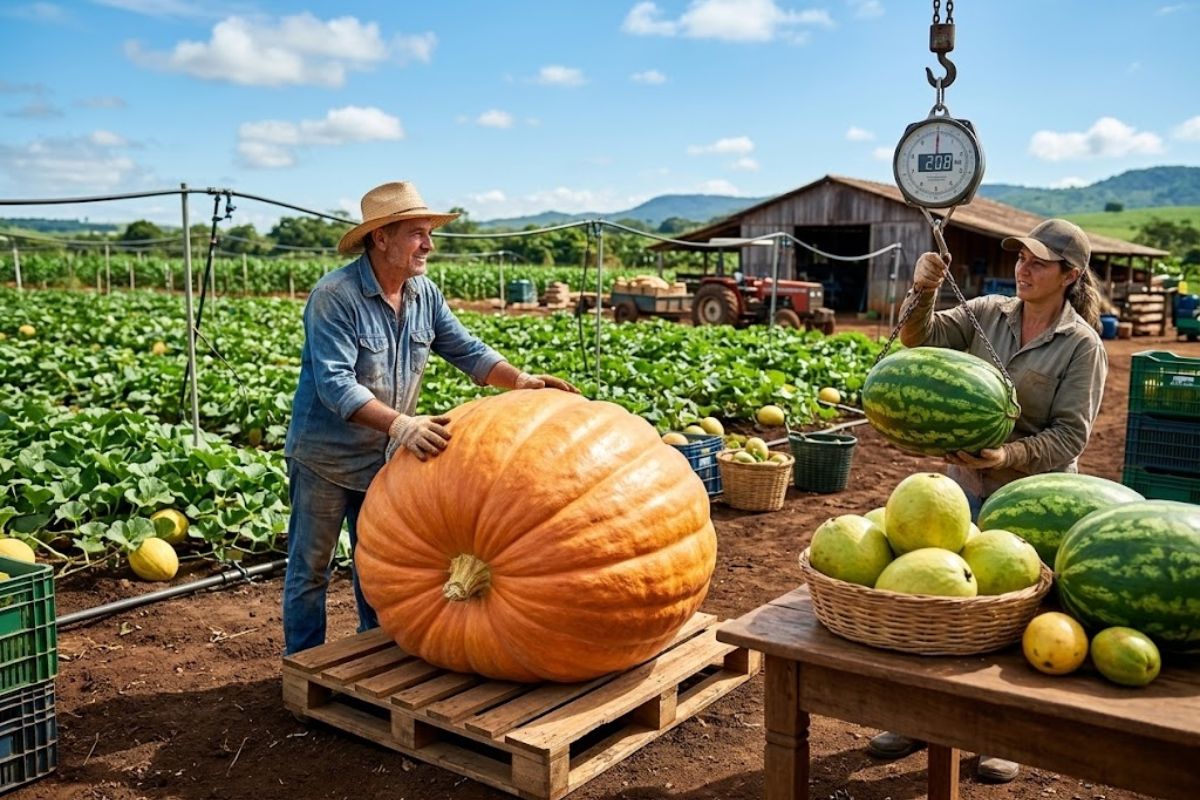
The Giant Fruits That Are Beginning to Appear in Different Regions of Brazil Did Not Arise from a Single Trick, but from the Combination of Warm Climate, Volcanic Soil, Imported Seeds, Patient Management, and Organic Fertilization, Producing Fruits Out of the Ordinary and Rekindling Curiosity About Simple Cultivation Techniques Throughout the Country
The giant fruits that have caught attention in Fernando de Noronha, Santa Catarina, and Goiás do not belong to the same miraculous recipe. In each case, what appears is a different combination of environment, genetics, cultivation time, and soil management, capable of producing watermelons, pumpkins, and guavas far above what is considered normal.
What makes these examples so interesting is precisely the contrast between them. There is no single universal secret. In one place, the heat and soil favor development. In another, an imported seed and careful management over more than 120 days explain the result. In yet another, organic fertilization transforms an apparently common plant into a tree capable of producing an almost record-breaking fruit.
Enormous Watermelons in Noronha Show the Impact of Climate and Soil
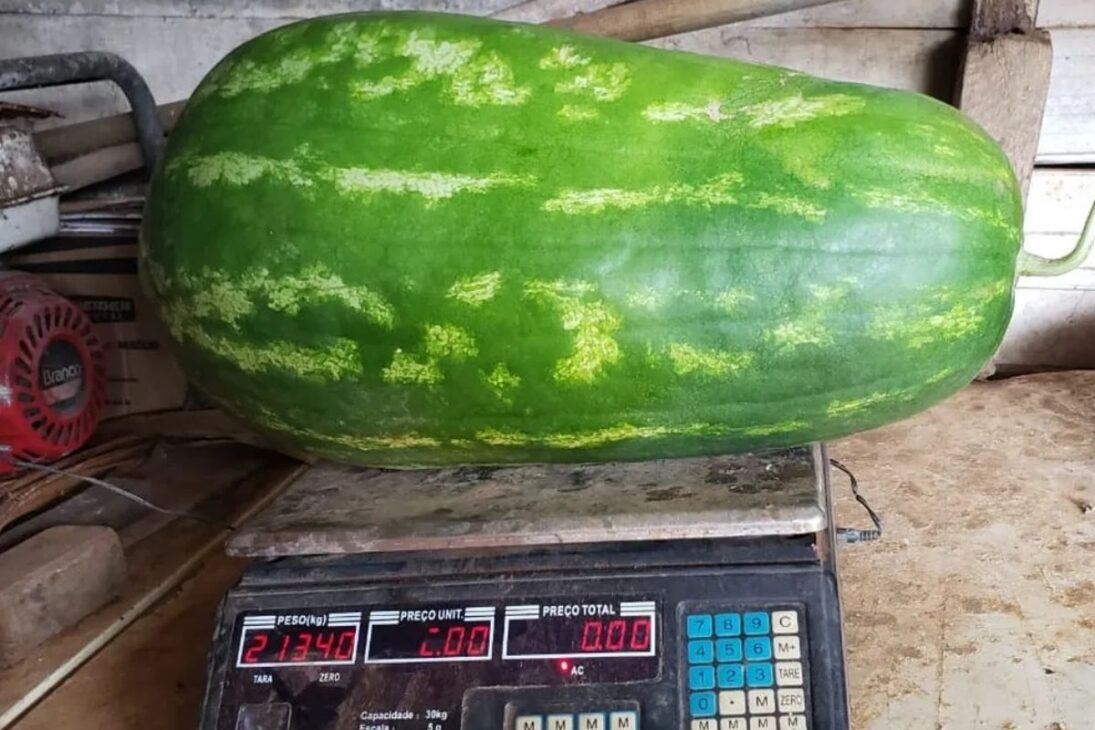
In Fernando de Noronha, farmer Josinaldo began harvesting a crop at the end of last year that surprised with its weight.
-
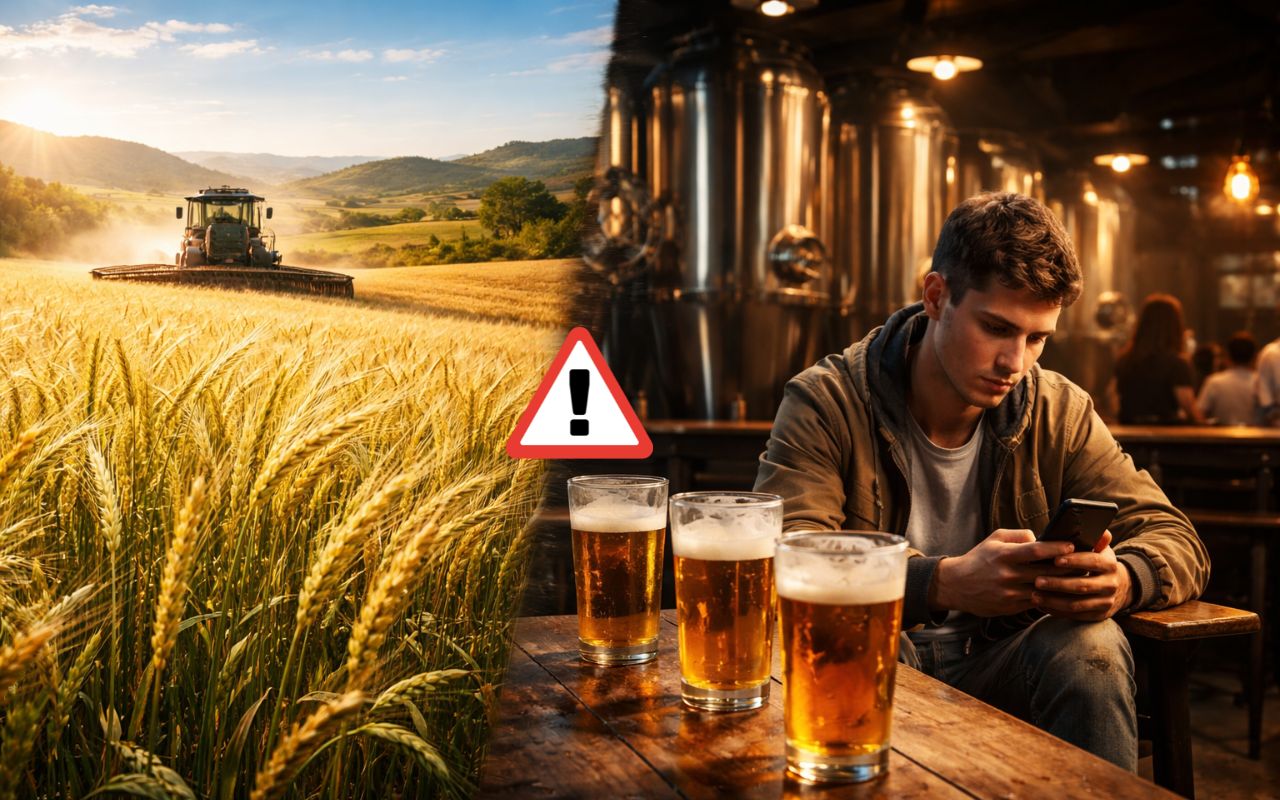
With nearly 500 thousand tons per year, barley production is growing in Brazil, while a decline in beer consumption among Generation Z raises alarms in the sector.
-
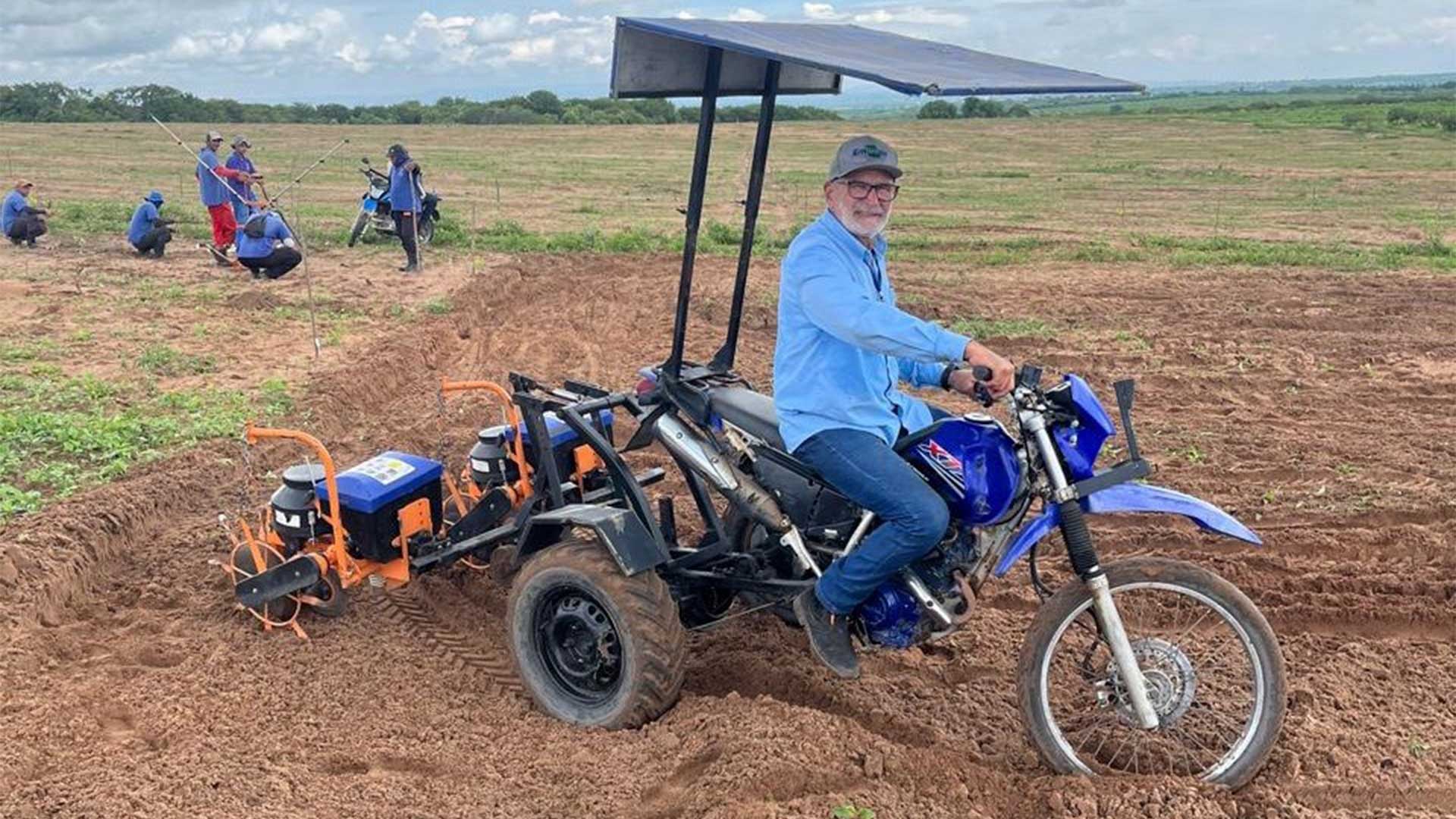
With tractors out of reach for small producers, a tricycle created by Embrapa Algodão becomes a cheap and efficient solution and gains national prominence.
-
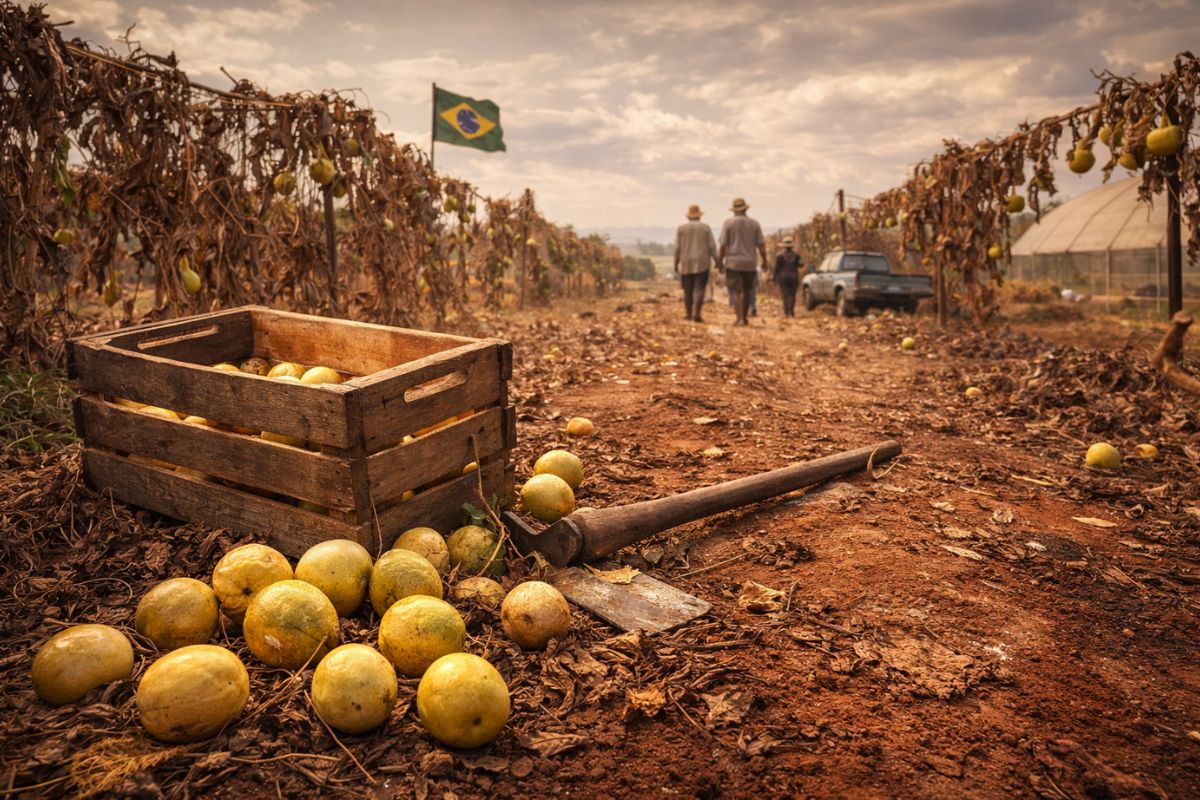
From 130 producers in the year 2000 to just 15 today: the dramatic decline of passion fruit in Araguari shows how the lack of labor in the Brazilian countryside is killing a decades-old agricultural tradition, even with Brazil being the largest producer in the world.
-
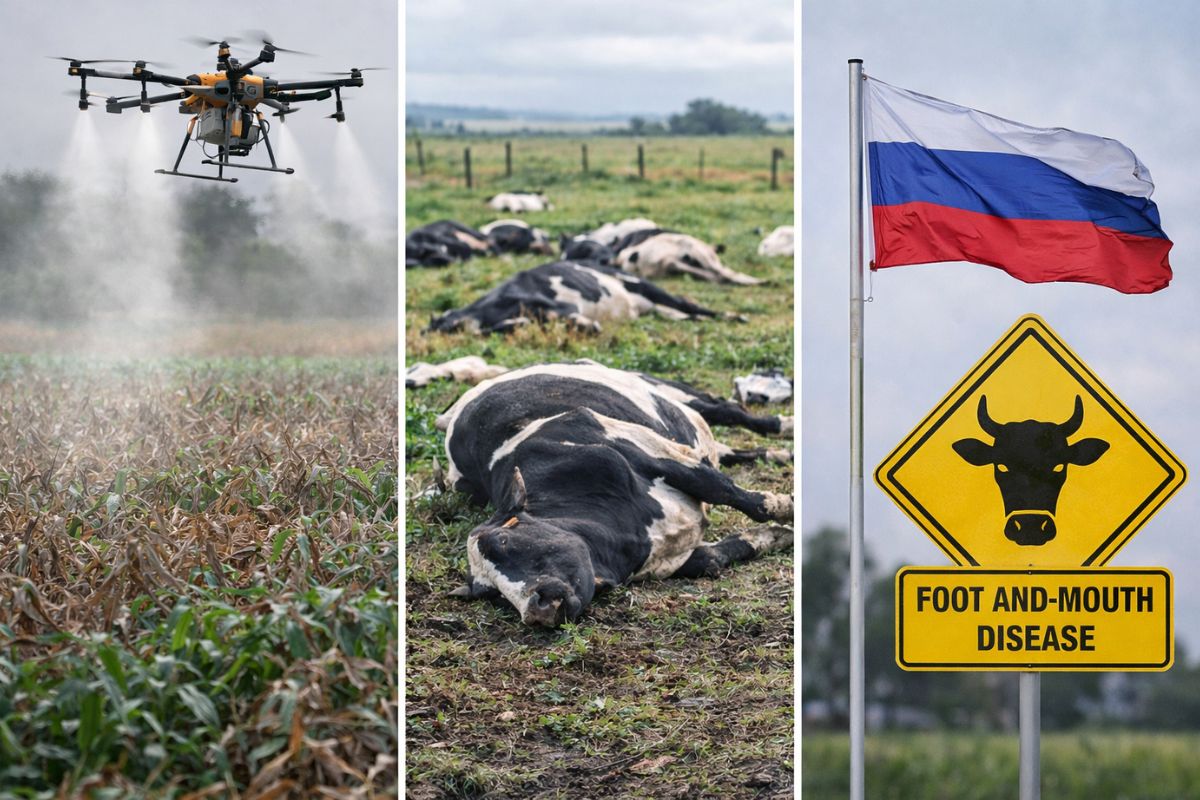
Agricultural drone sprayed poison into the air and destroyed the neighbor’s crops, causing 1 million in damages; 48 cows died from nitrite poisoning in the pasture, and Russia is hiding a possible outbreak of foot-and-mouth disease: the week was brutal for the rural sector.

In total, he harvested 15 watermelons, some reaching 20 kg, more than double what he considers normal. In an island where a kilogram of watermelon costs an average of R$ 15, the heaviest fruit should be sold for around R$ 300.
In this case, the farmer himself associated the performance of the giant fruits with the heat and soil. According to him, watermelons grow better in warm climates, and this year’s temperatures, around 27°C, favored cultivation.
Josinaldo also highlighted the island’s volcanic soil as an important element for the plantation’s development.
The most common weight, according to his account, would be between 8 and 10 kg, which shows the difference between a normal harvest and the current result.
The history of the plantation reinforces this understanding. In 2023, he had already harvested a watermelon weighing 27 kg, but considered it an exception. Now, the scenario has changed: almost all the fruits appear larger and heavier, indicating that the phenomenon no longer seems isolated within the field.
When the farmer notices repetition in size, he is no longer facing pure chance, but rather a very favorable cultivation condition.
His ambition also shows how cultivation has been observed differently.
After already achieving 27 kg in a rare fruit and 20 kg in several units of the current harvest, Josinaldo now hopes to reach 30 kg.
This figure is not merely curious. It suggests that the local environment may continue to push the production limit if conditions remain favorable.
The Pumpkin Weighing Nearly 300 kg Reveals the Weight of Genetics and Management
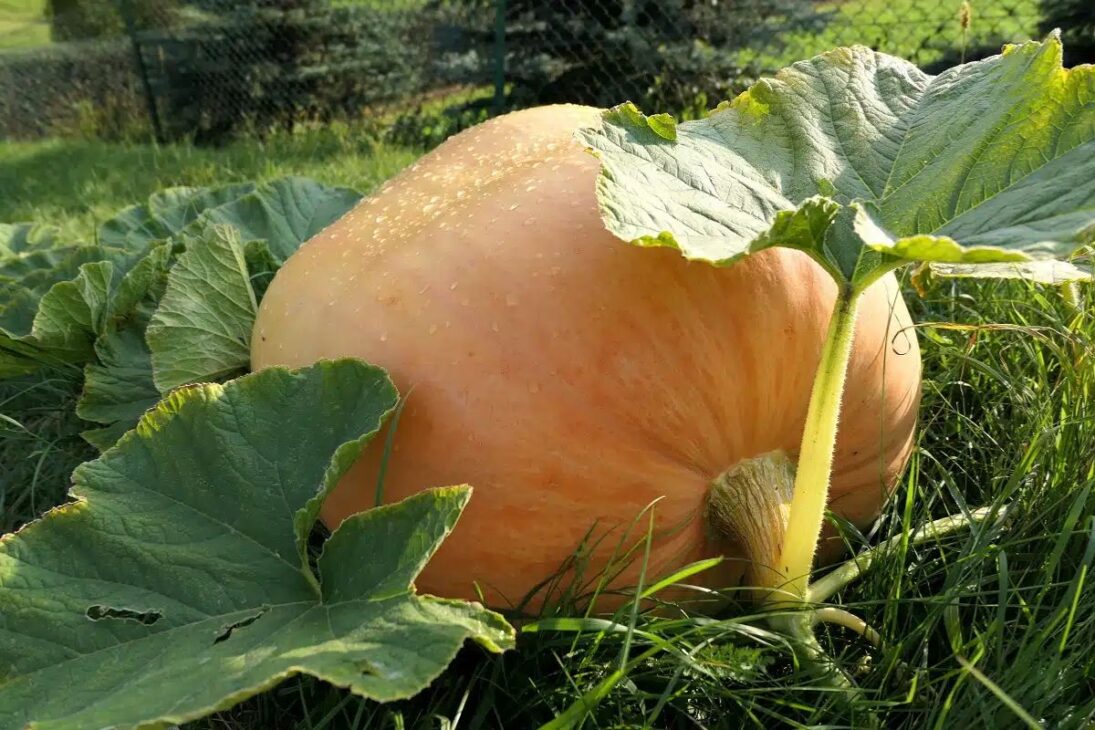
If in Noronha the emphasis was placed on climate and soil, in Santa Catarina the case of the pumpkin points to another path. Alessandro Ribeiro, 24, cultivated a pumpkin of about 300 kg in his backyard, with a circumference of 3.5 meters.
The fruit, produced in the Serra catarinense, began to attract the curiosity of neighbors who observed the growth of a plantation outside any normal household standard.
In this case, the starting point was an imported seed from the United States. Alessandro said he became interested in cultivation after watching online content about giant pumpkins produced abroad.
The goal became almost a personal bet. He joked with his brothers that he wanted to produce in Brazil a pumpkin larger than 300 kg and decided to pursue the idea.
The seed was planted at the end of October. About 80 days later, the pumpkin appeared and began to grow with enough strength to show that it was not an ordinary fruit.
More than 120 days after the beginning of the process, the result was already one of the most striking cases among the current giant fruits cultivated in the country.
Here, the differential was not only the environment, but the choice of genetic material and the careful cultivation over time.
There is also a symbolic aspect to this example. Alessandro works in the agricultural implement industry and brought the habit of planting from the time he lived in the countryside.
The pumpkin ended up becoming a personal and family pride. He wanted to display it at the gate of his house, but the very weight of the fruit made that idea difficult to execute.
The giantism, in this case, impresses not only in numbers but in the concrete difficulty of moving, displaying, and even accommodating the produce.
The Almost Record-Setting Guava Displays the Power of Organic Fertilization
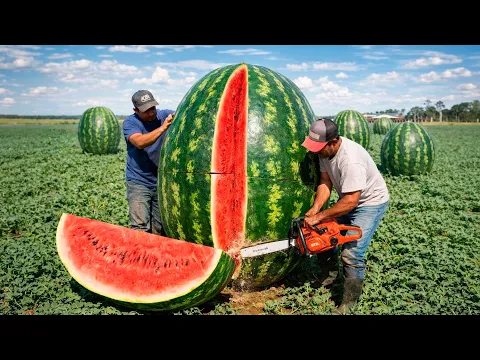

In Vianópolis, in southeastern Goiás, attention turned to a guava almost the size of the head of the resident who displayed it on social media.
The fruit weighed 1.412 kg and was consumed by family and friends at a gathering by the shores of Serra da Mesa lake, in Niquelândia.
The size draws attention by itself, but what’s most interesting is the difference compared to the history of the tree itself.
According to the family, the largest previous fruit produced by the same guava tree had reached 761 g. The new specimen practically doubled that mark.
The resident’s husband, responsible for the planting, attributed the result to a more organic fertilization based on worm humus and the liquid resulting from the decomposition of the material, which goes directly to the base of the tree.
He summarized this very directly by saying that the fertilizer falls “directly into the vein” of the guava tree.
The composition of this fertilization helps explain why the case gained so much attention.
Since she works with confectionery and uses many eggs in her daily life, the shells are included in the preparation of the fertilizer. Items such as sawdust and peels of fruits and vegetables are also utilized.
The tree sprouted about five years ago in a crack in the floor of a completely cemented backyard, making the result even more curious.
It is a case where the power of organic management appears to have compensated for an apparently unfavorable physical environment.
The final size was very close to an international benchmark. The world record for the largest guava, according to information received by the Guinness organization, is 1.5 kg. The fruit harvested in Goiás was only 89 g below that.
Among the recent giant fruits cultivated in Brazil, this may be the one that stirs the most curiosity precisely because it appears on an ordinary backyard tree, not in a large-scale agricultural structure.
What These Cases Say About Cultivation Techniques and Final Results
The three examples help dismantle the idea that very large fruits appear only by luck. What we see is a combination of factors.
In the case of the watermelons, heat, volcanic soil, and a plant’s response to a very favorable environment come into play.
In the pumpkin case, the genetics of the imported seed and the time spent monitoring became central.
In the case of the guava, the difference came from organic fertilization and ongoing care.
This means that giant fruits are not a unique phenomenon but a consequence of different techniques applied to different contexts.
The final weight of the fruit depends on the potential of the species, genetic quality, nutrient availability, climate, and consistency in management.
A good result does not arise from a single isolated detail but from a combination of several elements that reinforce each other.
It is also noteworthy that these examples appear in places that are very distinct from one another. Fernando de Noronha has very specific climate and soil.
Santa Catarina offers another environment and another cultivation logic. Goiás presents a case of an urban backyard with a strong presence of homemade fertilization.
What unites all these episodes is not the location but the ability to extract above-standard performance from the plant through very well-aligned conditions.
In the end, the public fascination surrounding these harvests reveals something greater. The interest lies not only in the exaggerated size of the fruit but in the question that follows closely after.
How was this possible? It is precisely this question that transforms a simple rural curiosity into a topic of great attention because it forces us to look more carefully at the relationship between technique, environment, and productivity.
The giant fruits harvested in Brazil show that the field still holds room for surprise, observation, and practical learning.
There is no magic formula, but there is clear evidence that favorable climate, suitable genetic material, patience, and well-managed fertilization can push a plantation to impressive results.
Among watermelons weighing 20 kg, a pumpkin of almost 300 kg, and a guava just 89 g shy of a world record, the great lesson is that cultivation continues to be a game of details, persistence, and correct reading of the environment.
Which of these cases caught your attention the most, and have you seen anything similar being harvested near where you live?






-

4 pessoas reagiram a isso.