





 Portuguese
  English
  Spanish
 2 min of reading
  0 comments


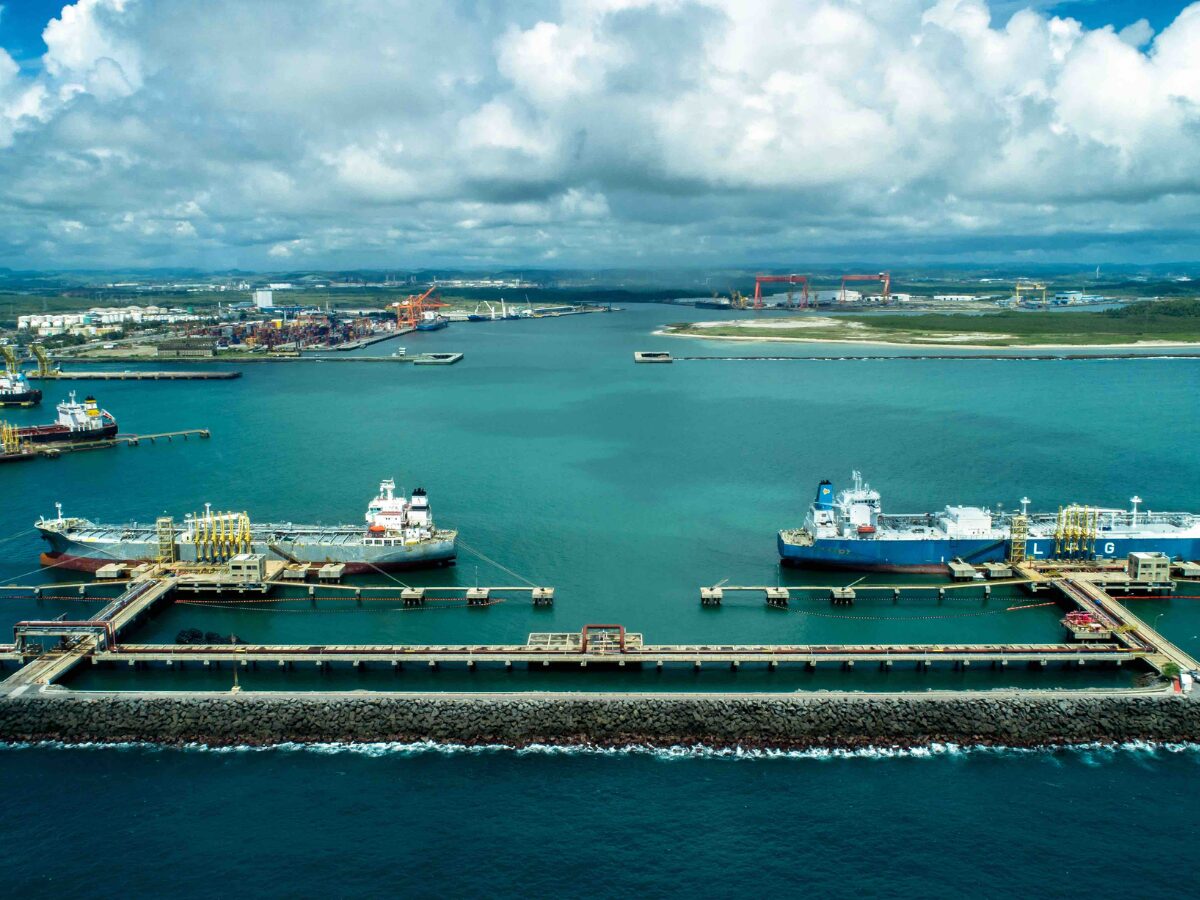
International Partnership Ensures Regasification Ship for Suape Terminal and Marks Energy Advancement in Pernambuco.
In yet another decisive step to strengthen the energy infrastructure of the Northeast, OnCorp formalized a contract with a multinational company for the chartering of a Floating Storage and Regasification Unit (FSRU). The ship will be used at the Suape Regasification Terminal (TRS), located in Pernambuco, and represents one of the key operational milestones for the start of the terminal’s activities.
The large vessel has a storage capacity exceeding the originally planned, which not only enhances the efficiency of the terminal but also ensures a greater supply of natural gas in the region.
With this, the TRS positions itself as an important vector for energy development, promoting supplier diversification and encouraging competitiveness in LNG prices.
-
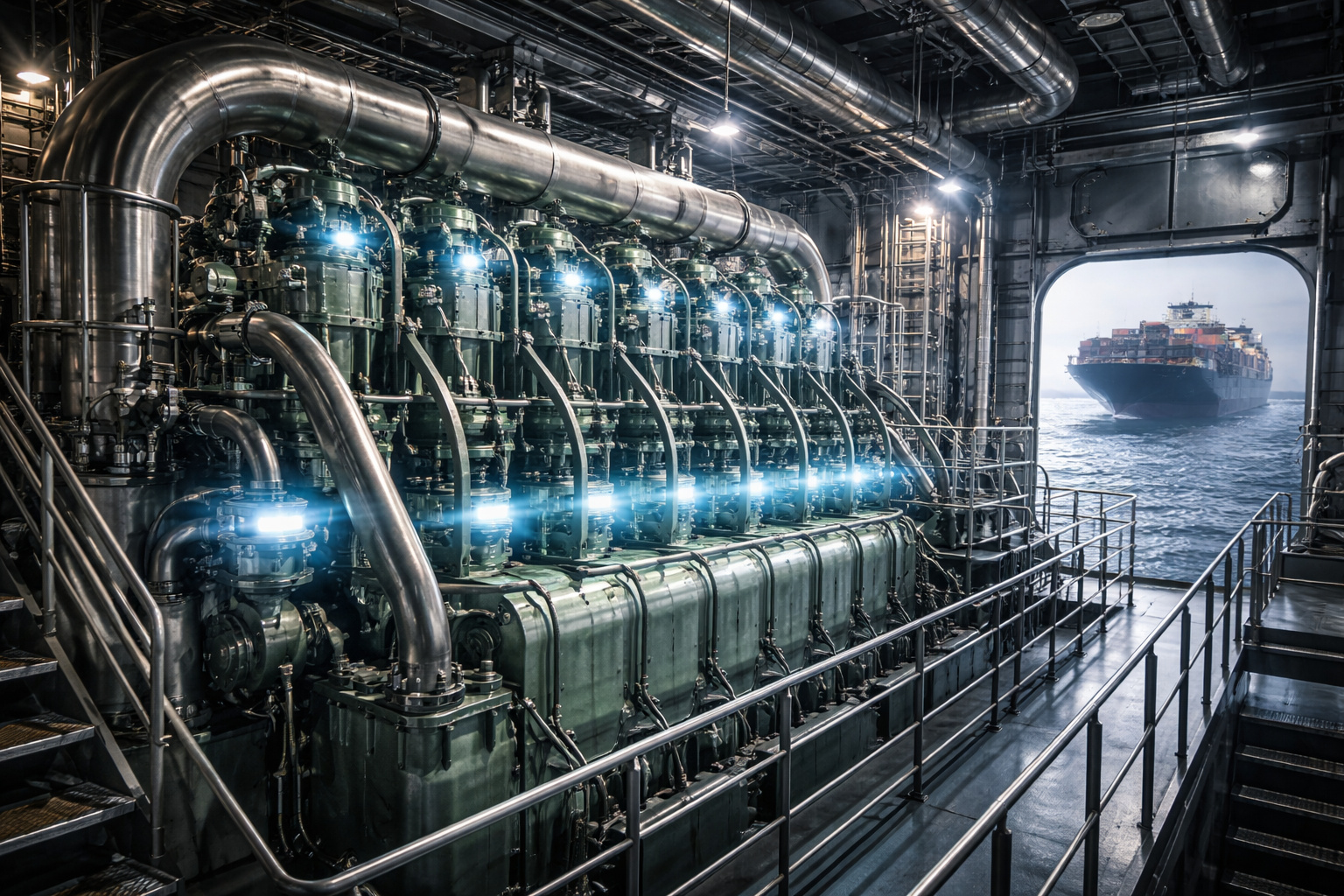
Europe is trying to create an ammonia-powered marine engine without auxiliary fuel, which could unlock the race for giant emission-free ships. The technology aims to eliminate one of the biggest obstacles to clean maritime propulsion.
-
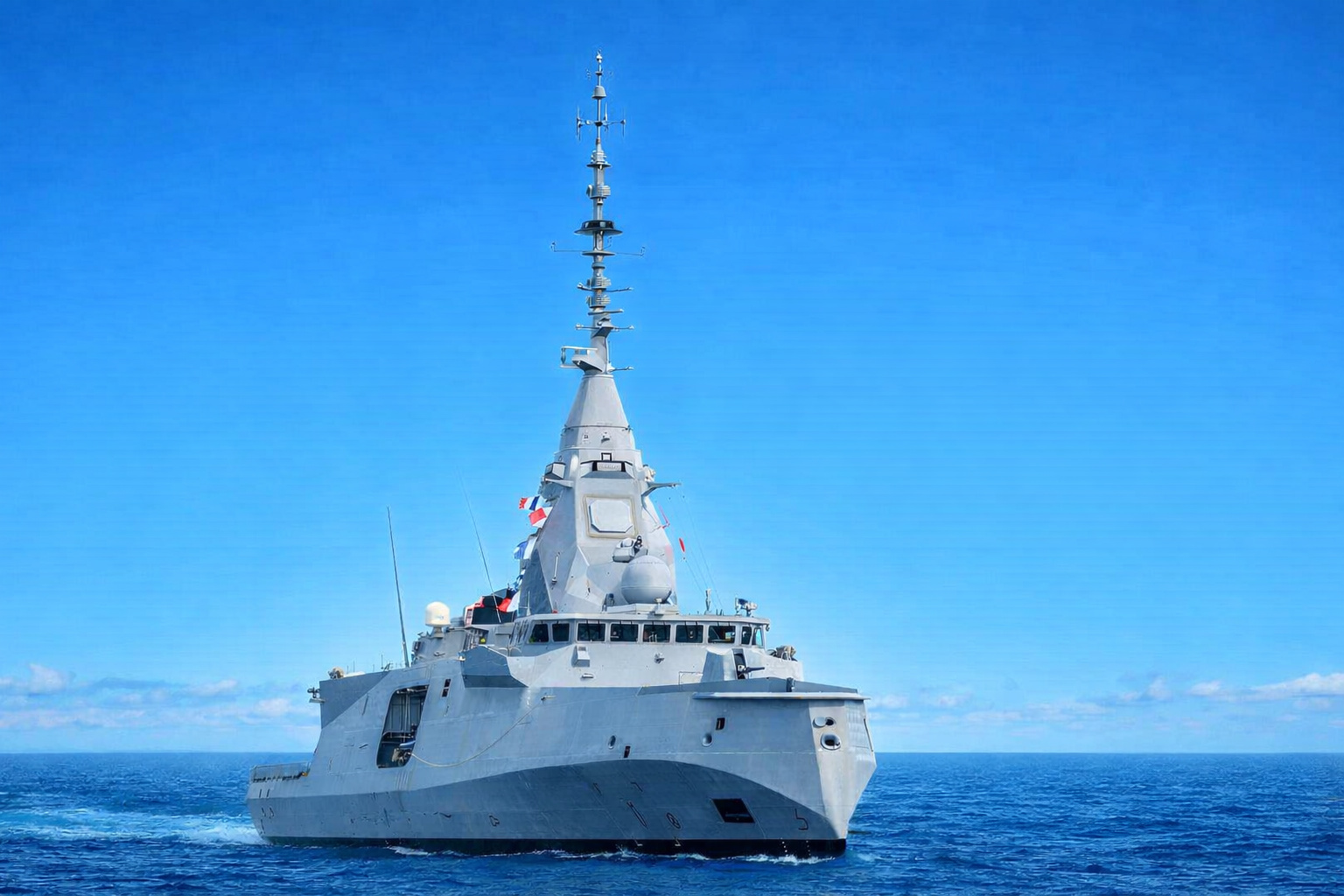
A 4,500-ton frigate with just over 100 crew members, state-of-the-art radar, and cruise missiles is being touted as the new standard of naval warfare in the 21st century.
-
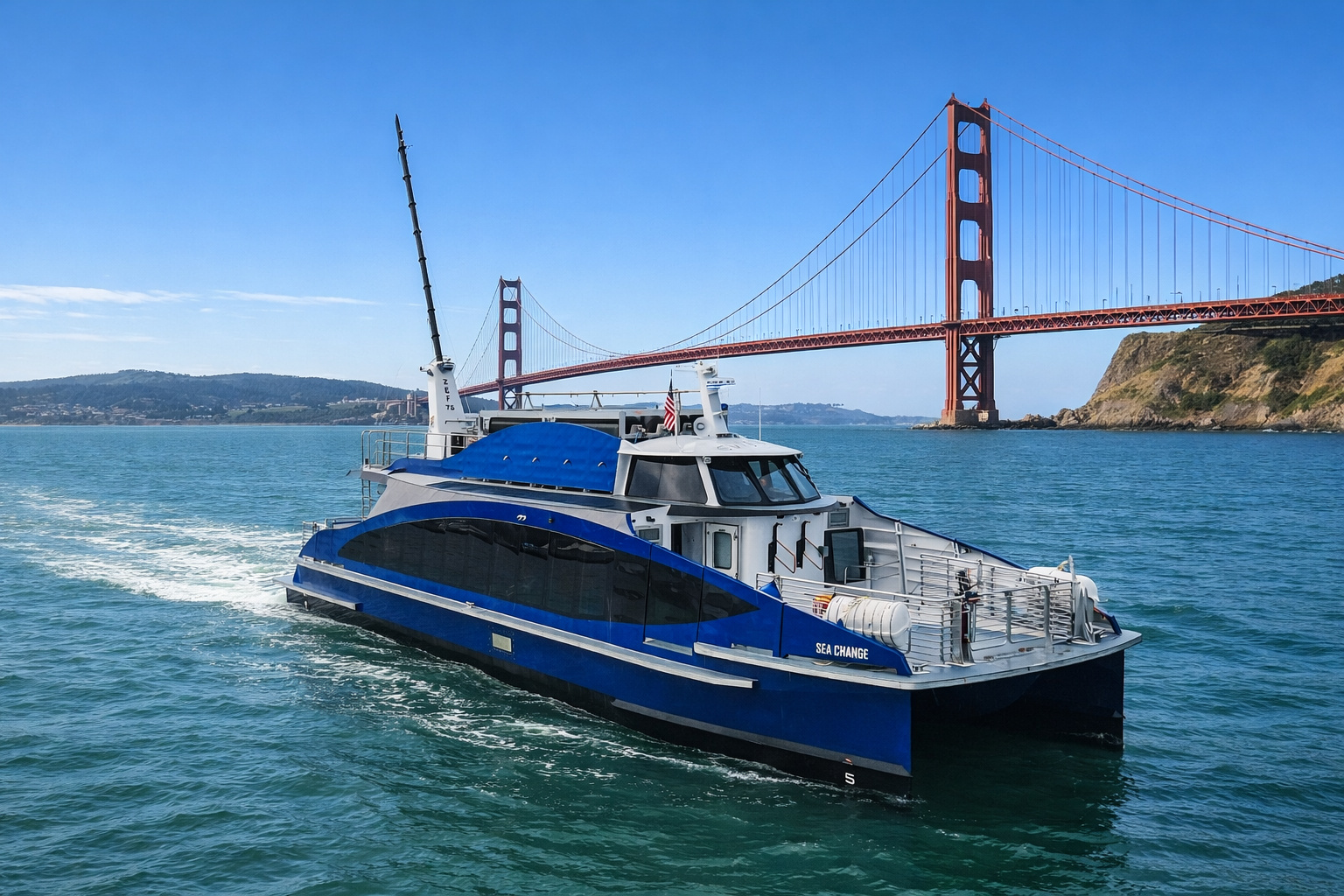
The first commercial hydrogen-powered ferry enters operation in the U.S., eliminates the use of diesel, uses fuel cells to generate clean energy on board, and transforms San Francisco Bay into a landmark of the new era of emission-free navigation.
-
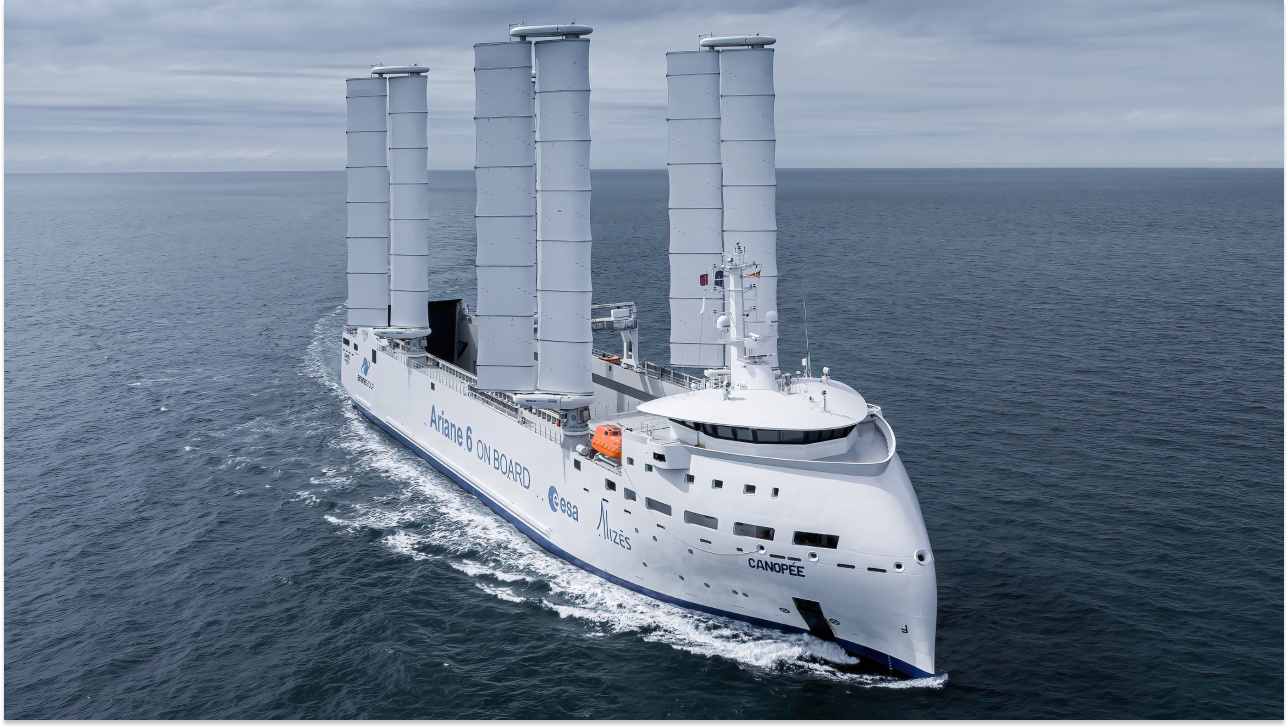
With a length of 121 meters and four rigid sails of 36 meters that automatically rotate to capture the wind, Canopée is the world’s first hybrid industrial cargo ship powered by wind, used to transport rockets and reduce fuel consumption by up to 30% on transoceanic routes.

New Ship Contract Reinforces Suape’s Strategic Position in the National Energy Matrix
The signing of this contract consolidates the Suape Terminal as Brazil’s first multi-user liquefied natural gas terminal, with the capacity to simultaneously serve two major international players in the oil and gas sector.
“This agreement is the result of rigorous technical work and a strategic alignment with our users that has been developed over the past year. The contracted FSRU will have a storage capacity greater than initially anticipated, which enhances the terminal’s efficiency and contributes to increasing the supply of natural gas in the Northeast. This equipment will help stimulate tariff moderation, fostering the attraction of new industrial investments to Pernambuco,” stated OnCorp’s CEO, João Guilherme Mattos.
The contract signing ceremony took place in New York and was attended by the governor of Pernambuco, Raquel Lyra, who emphasized the importance of the initiative for regional development and the consolidation of the state as an energy hub in the country.
“The signing of this contract is a historic step towards consolidating Pernambuco as the energy hub of the Northeast. The Suape Terminal will be a strategic differentiator in Brazil’s energy matrix, and the partnership with OnCorp, along with Shell, is proof that we are ready to receive major investments and generate sustainable development for our people,” highlighted the governor.
Expectations for the Future of Natural Gas in the Northeast
With the arrival of the FSRU ship at the Suape Terminal, the expectation is that the supply of liquefied natural gas will be increased, reducing logistical costs and encouraging new industrial investments in Pernambuco and throughout the Northeast region.
The contract also marks the strengthening of OnCorp’s operations in the national market, elevating the status of TRS in the Brazilian energy landscape.
Source: Petronotícias








Seja o primeiro a reagir!