





 Portuguese
  English
  Spanish
  4 min of reading
  3 comments


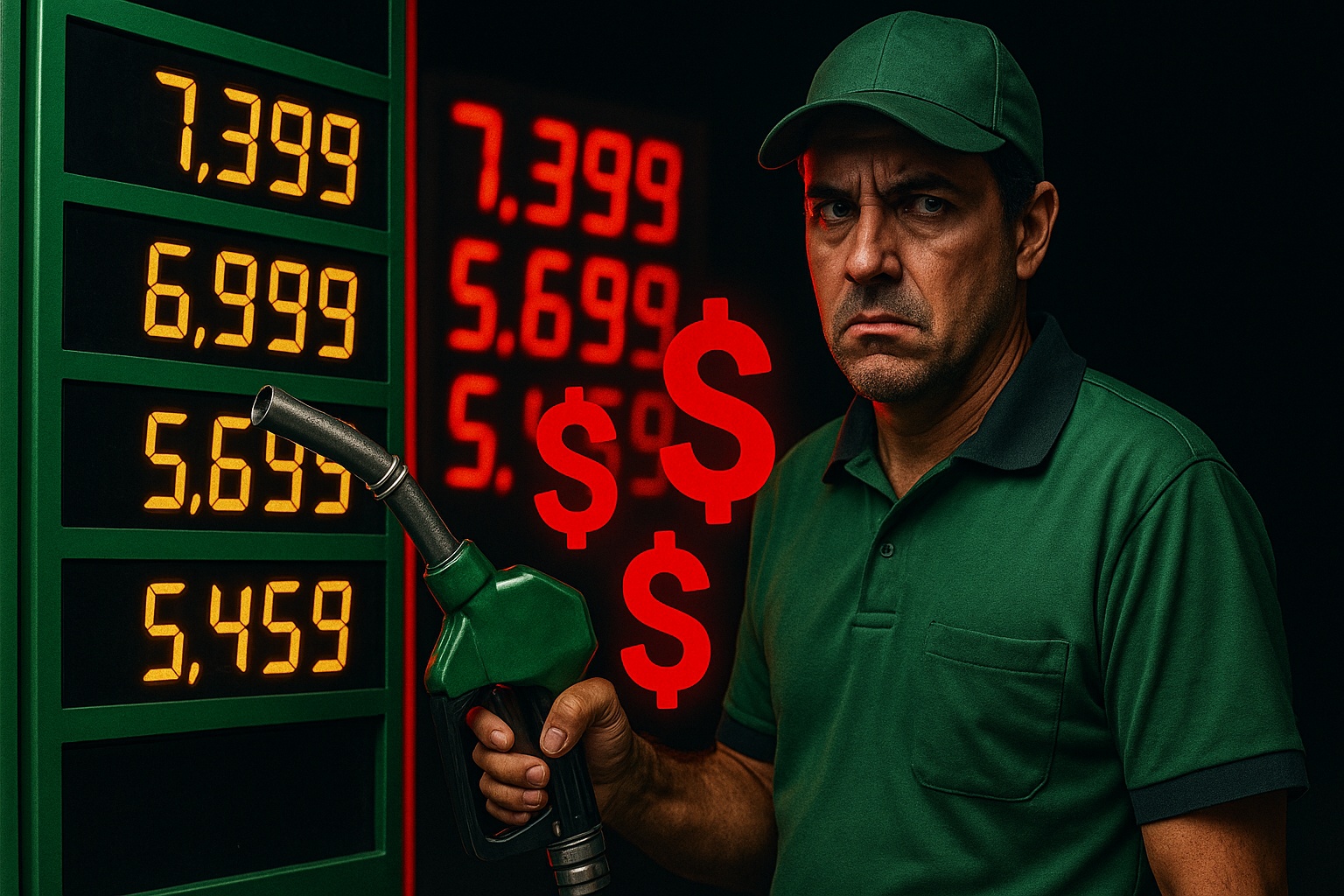


Know The 6 Most Common Scams At Fuel Stations — Fake Pumps, Diverging Prices, Fake Fuels, And How To Protect Yourself In Your Day-To-Day Life.
Filling up seems as simple as filling the tank — but there are practical traps lurking at the stations. Many of the most common scams are committed with subtle details, imperceptible to those who are not attentive. Here, you will discover the six tricks that steal your money at the pump and how to protect yourself from them.
Chipped Pump Or Low Pump — The Display Shows More Than It Delivers
One of the classic frauds: the pump display shows a larger volume than the fuel actually delivered to the tank. This can occur due to hidden chips or electronic devices inside the pump or malicious defects in the system. Some reported cases indicate errors of up to 30% or more.
How To Protect Yourself: ask to see the display zeroed out before you start; keep an eye on whether the liter indicator suddenly “jumped”; check if what you see on your car’s display (hydrometric) matches what was shown on the pump.
-
A French brand placed a car on four huge red balloons to prove that its suspension made the vehicle “float,” and the surreal scene became one of the most iconic and unusual images in automotive history.

-
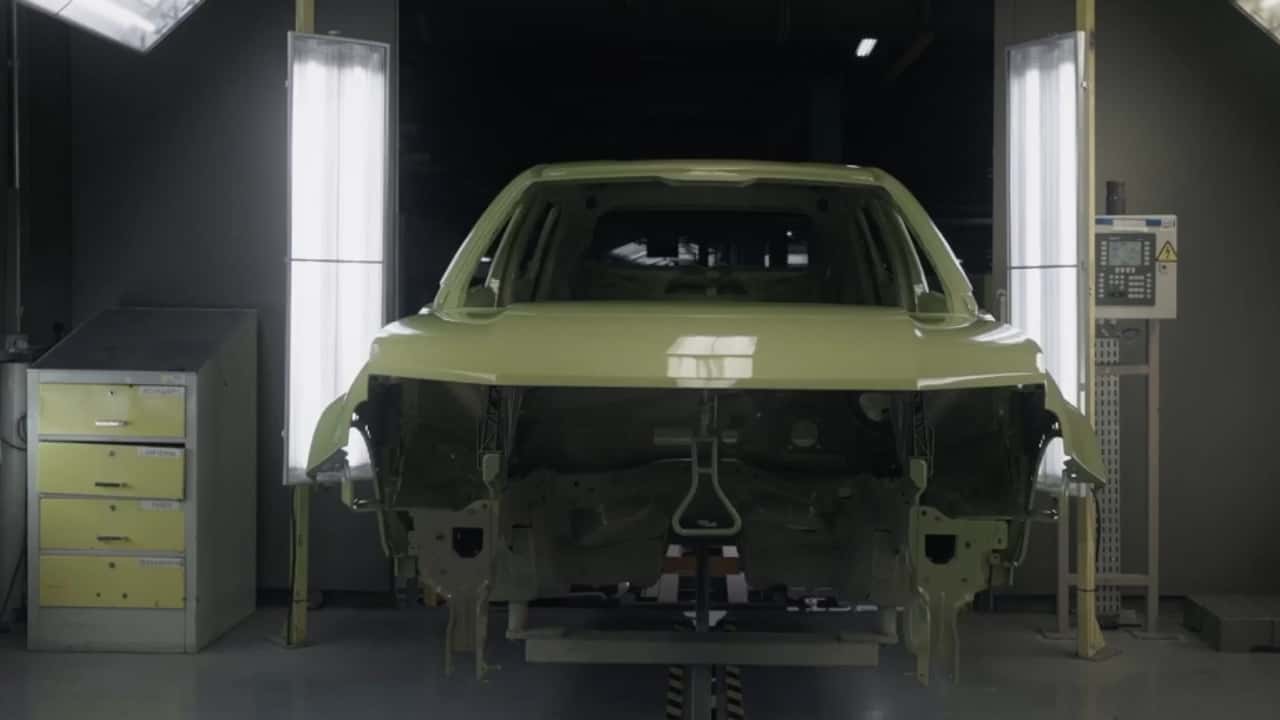
Jeep Avenger begins production in Brazil, debuting as the brand’s new entry-level SUV and inaugurating an unprecedented phase by becoming the first national Jeep manufactured outside of Goiana, as part of a R$ 3 billion plan.
-
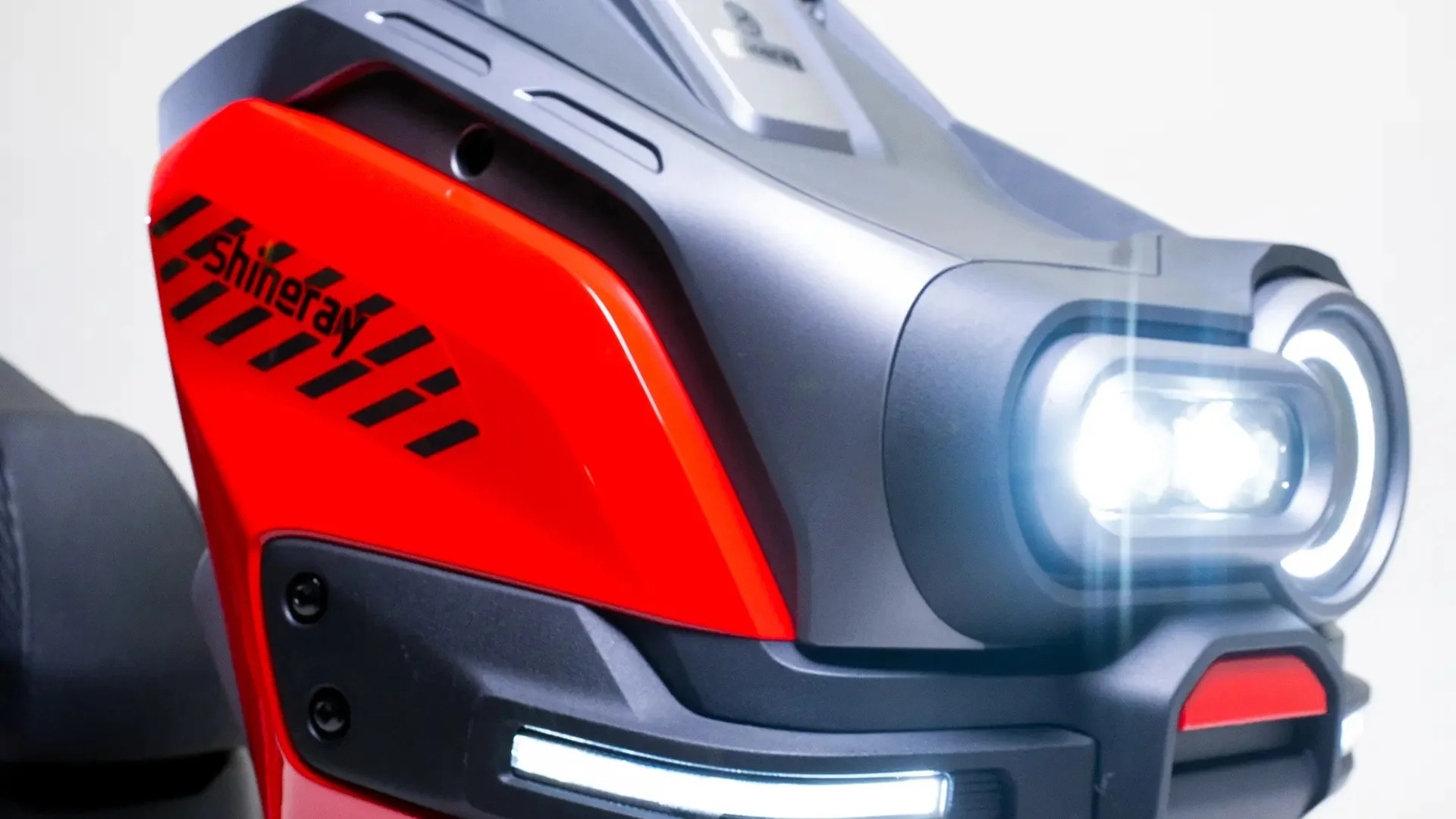
Costing R$ 12,490, the new Shineray Urban Lite 150 “cheap one” arrives in Brazil with a CVT transmission, digital dashboard, and LED lights, making it more affordable than the Biz and targeting those who want to abandon the bus.
-
Ducati brings to Brazil the Superleggera V4 Centenario: 228 hp that become 247 with a track kit, carbon fiber and carbon-ceramic brakes, estimated price between R$ 1.5 and 2 million, deliveries only in 2027.


Fuel Adulteration — Water, Solvents, Or Excess Alcohol
Mixing water, solvents, or ethanol in proportions higher than allowed reduces the quality of the fuel and can damage internal engine components (fuel pump, injectors, sensors). Some drivers only notice the scam when the car starts to “stutter” or lose performance.
Defensive Tip: prefer stations with recognized brands and oversight, watch for prices significantly lower than the market, and be alert to color or strong smell changes right after refueling.
Early Interruption Of Refueling
In some cases, the attendant stops the refueling before the tank is full — intentional stop — and charges as if it had been completed. The customer does not notice because they trust the automatic shut-off of the pump or do not visually monitor.
Protect Yourself This Way: observe if the pump nozzle shuts off automatically when the tank reaches the internal point; compare the car’s volume indicator level with what was shown on the pump.
Divergent Price Between Pump And Register
Another seemingly simple scam, but one that deceives many: the amount charged at the register differs from the amount displayed on the pump. It can be a cent more per liter or a total much higher than what the display indicated.
How To Avoid This: before paying, confirm the price per liter and the total being charged with what is on your display and on the receipt. If there is a discrepancy, demand correction or refuse to pay until it is explained.
Oil Change Or Service As A “Freebie”
Many stations “offer” or “strongly recommend” additional services — oil changes, filters, additives — as if they were mandatory complements to refueling, even when they are not necessary. It’s pressure to generate extra revenue.
Be Aware: use only what your car manual recommends, consult the actual maintenance schedule, and avoid accepting services at the time of refueling without prior quotes.
Hidden Devices In The Pump Or Hose
There are cases where hidden devices are attached to the pump or hose to interfere with the flow or reading, such that the effective delivery volume is lower. The display may seem normal, but the adulterated device diverts or retains part of the fuel.
What To Do: visually inspect the hose and base of the pump for anything suspicious (joints, wires, hidden boxes); if you suspect, request an inspection or refuse, using another station.
Why Do These Scams Persist In Brazil
Failures in oversight, the high cost of operating stations, aggressive competition, and the vulnerability of many pieces of equipment create a fertile environment for fraud. Some drivers maintain distrust of smaller brands, which facilitates “unbranded” stations committing such practices without significant repercussions.
There is also the psychological element: amidst the everyday act of refueling, many drivers go through the process “on autopilot,” without observing the details — which makes these scams easier to go unnoticed.
How To Act If You Are A Victim Or Suspect A Scam
- Always ask for a receipt with all details (liters, price per liter).
- Take a photo of the pump display before and during refueling.
- Report to the state or municipal Procon, the Civil Police, or the National Agency of Petroleum (ANP) with the receipt as proof.
- Prefer to refuel at recognized brand stations that tend to have more oversight.
- Share information with friends and on social media — highlighting cases helps reduce impunity.










Eu não acredito que com toda a tecnologia, não vai ter bombas seguras de fraudes e se tem porque o governo não obriga a utilização somente dessas bombas? Inclusive, nessa própria bomba poderia ter um detector de combustível que se fosse alterado a bomba trancava, isso seria o mínimo que um posto poderia ter pelo valor absurdo que se paga pelo combustível.
Abasteci no posto Ale e verifiquei que a bpmba estava alterada e solicitei a nf., denuciei o posto na Anp e aproximadamente um mês após o posto foi lacrado.
Ale de qual cidade e estado canela RS ??