





 Portuguese
  English
  Spanish
  3 min of reading
  0 comments


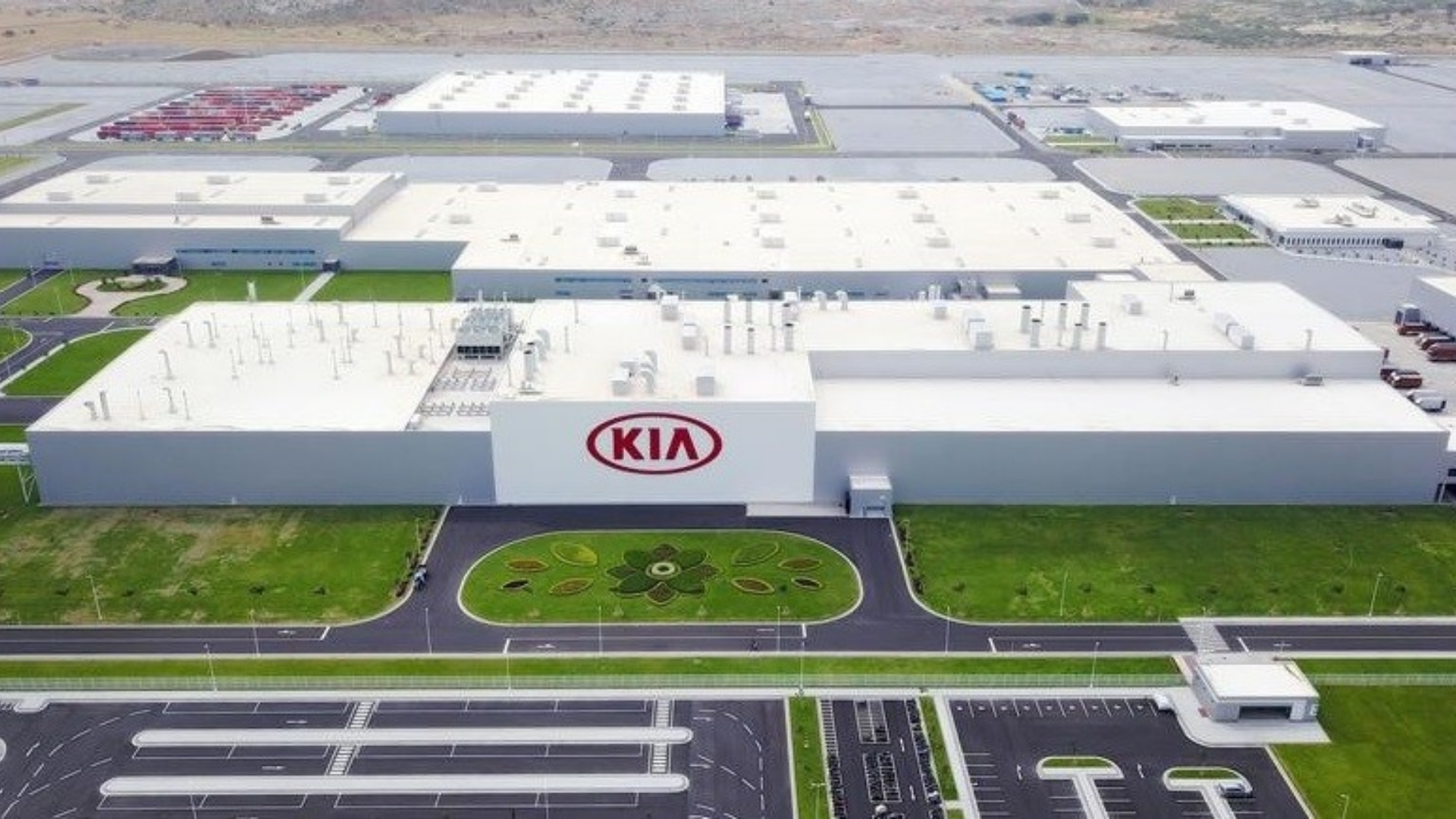
Two Factory Employees Have Been Identified as Main Suspects in a Theft Scheme That Lasted Three Years!
An audacious theft scheme within a Kia factory resulted in the theft of more than 1,000 engines over three years, causing an impressive loss of US$ 2.3 million (R$ 11.5 million), according to the website motor1.
The discovery of this crime occurred during an internal audit, which revealed the alarming discrepancy of missing engines, a problem that, surprisingly, went unnoticed for so long.
This case raises questions about the safety and internal processes of large automotive industries.
-
The car stored for 38 years: when opening the barn door, what appears is breathtaking and looks like a scene from a movie!

-
Fiat works miracles in the Brazilian market, lowers the price of its 0 km hatch to R$ 69,990, reestablishes the model as the cheapest car in the country, and reignites the battle against Kwid and C3.

-
Chevette with cooking gas: How the gas cylinder ends up being used in cars clandestinely and why this makeshift solution can result in leaks, explosions, damaged engines, and seized vehicles.
-
Fiat launches the new 2027 Toro hybrid with 48V, 176 hp, an electric motor of 15.5 hp, a 0.85 kWh battery, up to 7% fuel savings, 8% fewer emissions, and possible exemption from IPVA.


Employees Involved in the Theft
The investigation identified two main suspects, both employees of the factory, Vinayagamoorthy Veluchamy, 37 years old, who was the head of the engine section until 2023, and Patan Saleem, 33 years old, a team leader who left his position in 2025.
Veluchamy has been arrested and is awaiting bail, while Saleem’s whereabouts remain unknown.
It is surprising to think that these engines were taken directly from the factory without the security personnel noticing the illicit operation.
The Modus Operandi of the Scheme
The theft was facilitated by a series of illegal transactions.
The perpetrators forged documents, including invoices and entry and exit passes, allowing the engines to be taken out of the factory in trucks with false license plates.
According to inspector K. Raghavan, “the entire operation involved repeated illegal transactions and the use of several trucks with altered or fake license plates.”
This implies that, in addition to the two main suspects, they had the assistance of other accomplices, which makes the situation even more complex.
The Route of the Engines and the Black Market
The stolen engines were transported for over 2,000 km to New Delhi, where they were sold on the black market, with the help of scrap merchants.
This journey, which would take about 35 hours by truck, reveals the complexity and audacity of the scheme.
Furthermore, the investigation suggests that the suspects collaborated with at least two other individuals to facilitate the theft.
Can you imagine how the logistics of this scheme worked without raising suspicions?
Financial and Reputational Impact on Kia
The impact of the theft was devastating. In addition to significant financial losses, Kia’s management faced a reputational crisis.
The audit report indicated that the situation affected the confidence of stakeholders and the security of the factory.
The company, which produces between 300,000 and 400,000 vehicles annually, now needs to deal with the consequences of not having noticed the lack of engines during previous inventories.
How do you think Kia can regain its customers’ trust after such a large-scale scandal?
Legal Consequences for Those Involved
Both Veluchamy and Saleem have not yet been formally charged, but the investigation is ongoing.
The evidence points to prior planning and manipulation of internal access, which could result in sentences of up to 10 years in prison if they are convicted.
The money obtained from the sale of the engines was used to pay off debts, purchase real estate, and invest in other businesses, highlighting the seriousness of the crime.
Do you believe that harsher penalties could deter this type of crime in companies?
Increased Security at the Factory
After the discovery of the scheme, Kia’s management stated that they are enhancing surveillance at the factory’s entry and exit points to prevent similar incidents from occurring in the future.
The company will implement stricter controls, including more audits and the use of tracking technology to monitor its products.
This crisis serves as a warning to other companies about the importance of effective security systems and regular audits.
Reflections on Corporate Security
The situation at Kia’s factory raises important questions about safety in workplace environments.
How can companies ensure that their operations are secure and transparent? What measures do you think are essential to prevent internal fraud? Share your thoughts and experiences in the comments!









-

Uma pessoa reagiu a isso.