





 Portuguese
  English
  Spanish
 4 min of reading
  0 comments


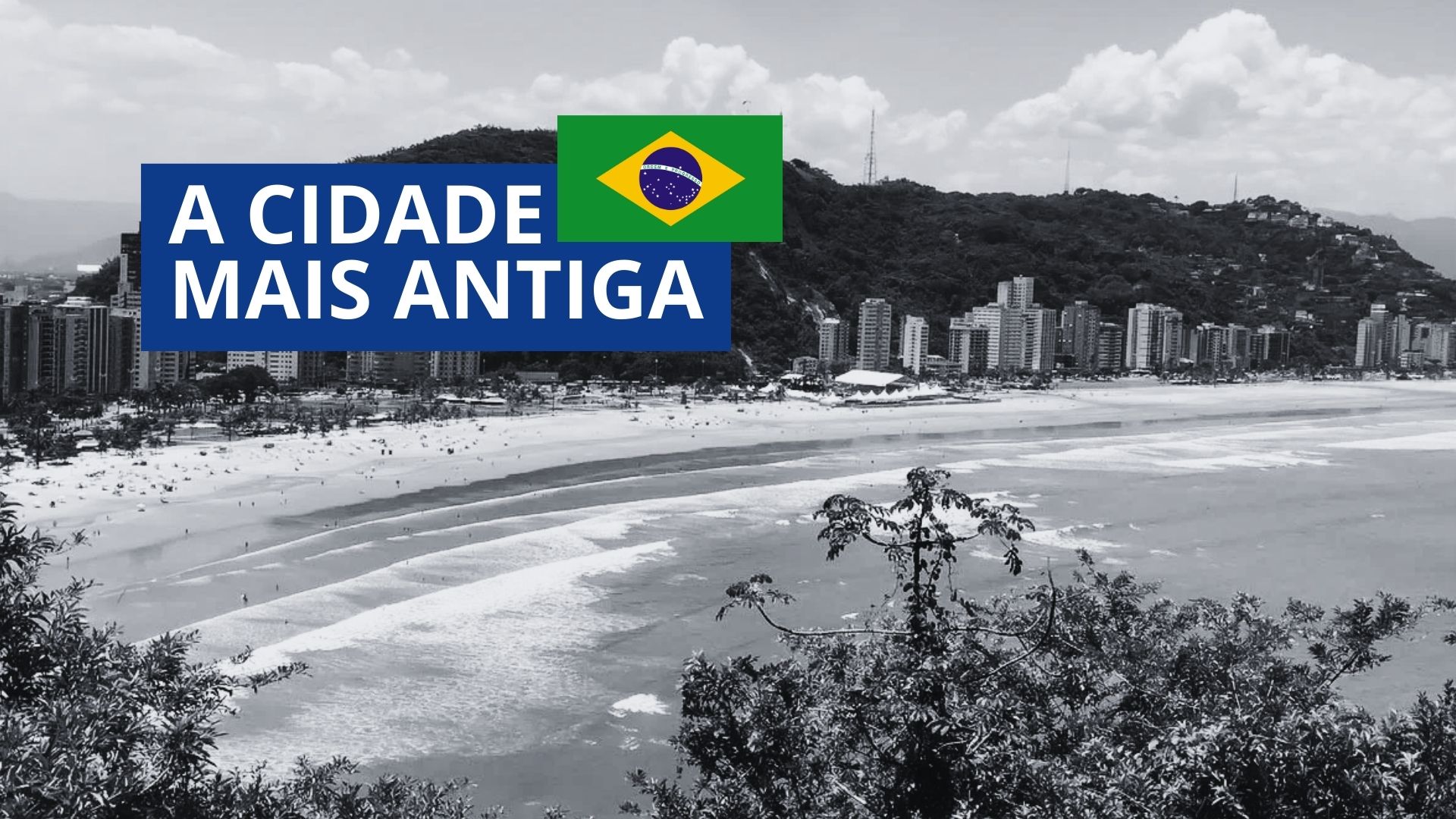
Coastal City Preserves Secular Monuments, Notable Beaches, and Pioneering Efforts in Preserving Afro-Brazilian History. The Past and Present Unite in Experiences that Value Culture, Nature, and National Memory.
On the shores of the south coast of São Paulo, there is a municipality that played a central role in the beginning of Brazil’s colonization.
Founded in 1532 by Martim Afonso de Souza, São Vicente is recognized as the first formal village in the country and still preserves remarkable traces of its trajectory, combining historical heritage with natural landscapes and culturally significant attractions.
History and Urbanization in São Vicente
The founding of São Vicente marked the beginning of urbanization in Brazilian territory. Walking through the central streets, one encounters buildings that have witnessed centuries of transformations.
-
A forgotten cord on the floor of a basement in Vienna leads a plumber to a box containing 30 kilograms of gold with Mozart’s face, hidden before World War II. The treasure, worth 2.3 million euros, was just centimeters away from a worker who ignored the sign a day earlier.
-
A couple buys an old chalet, breaks the kitchen floor for renovation, and finds over a thousand coins of gold and silver hidden since the English Civil War over 4 centuries ago.

-
Rigid bags with their days numbered: new trend prioritizes comfort in 2026.

-
YouTuber creates an excavator equipped with a giant 4.5-meter sword to challenge his brother to a rematch, and the invention quickly goes viral on social media.


Among the historical monuments is the Suspension Bridge, inaugurated in 1914 and considered the oldest in Brazil still in operation, which has become a symbol of the city and a reference in postcards.
Other landmarks help tell the local history. The Main Church, rebuilt in 1757 on the foundations of the original temple, remains a religious and architectural reference.
The Standard Marker, erected in 1932 to celebrate the 400th anniversary of the municipality’s founding, reinforces the city’s importance to national memory.
Museums and Afro-Brazilian Memory on the Paulista Coast
In addition to the monuments, São Vicente also stands out for its role in preserving the history of slavery.
The first Slavery Museum in the Paulista coastal region was reopened in January 2015, aiming to deepen the discussion about the slave-owning past and its impact on local social formation.
The institution was originally created in 2001 and underwent revitalizations to expand its collection and educational offerings.
The Cultural Park Villa of São Vicente, located in the historical center, complements the cultural offering by hosting exhibitions on the colonial and imperial periods, in addition to promoting educational activities focused on the history of the city and Brazil.
Historical Squares and Meeting Points
The Biquinha de Anchieta Square is one of the most well-known tourist spots, especially for the Bica Fountain – also called Biquinha de Anchieta, which dates back to colonial times and has established itself as a space for coexistence and tourism.
Another location that reinforces Vicentina identity is the Lovers’ Pier, sought after primarily by couples and visitors looking for leisure by the sea.
São Vicente has immortalized significant episodes in its memory, including tributes to emblematic figures of national sports, as well as cultural events held periodically in its public spaces.
Beaches and Leisure in São Vicente
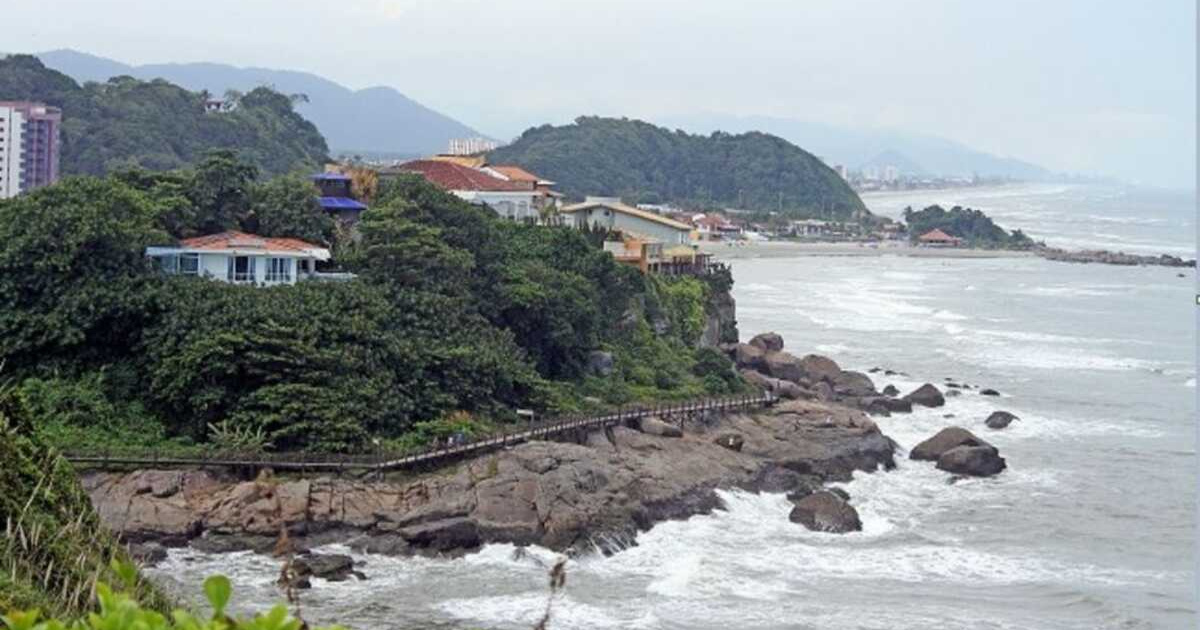
The coast of São Vicente hosts varied beaches that cater to different profiles of visitors.
The Itararé Beach is a reference for water sports, with infrastructure including kiosks and stalls offering typical snacks from the region. Its length and easy access attract families and groups of friends.
Looking for tranquility, tourists opt for Millionaires Beach, recognized for its good infrastructure, nearby restaurants, and an environment conducive to prolonged relaxation.
Meanwhile, Gonzaguinha blends the lively atmosphere of the boardwalk with multiple dining options, creating a dynamic space that stands out particularly at sunset.
Porchat Island and Areas of Nature
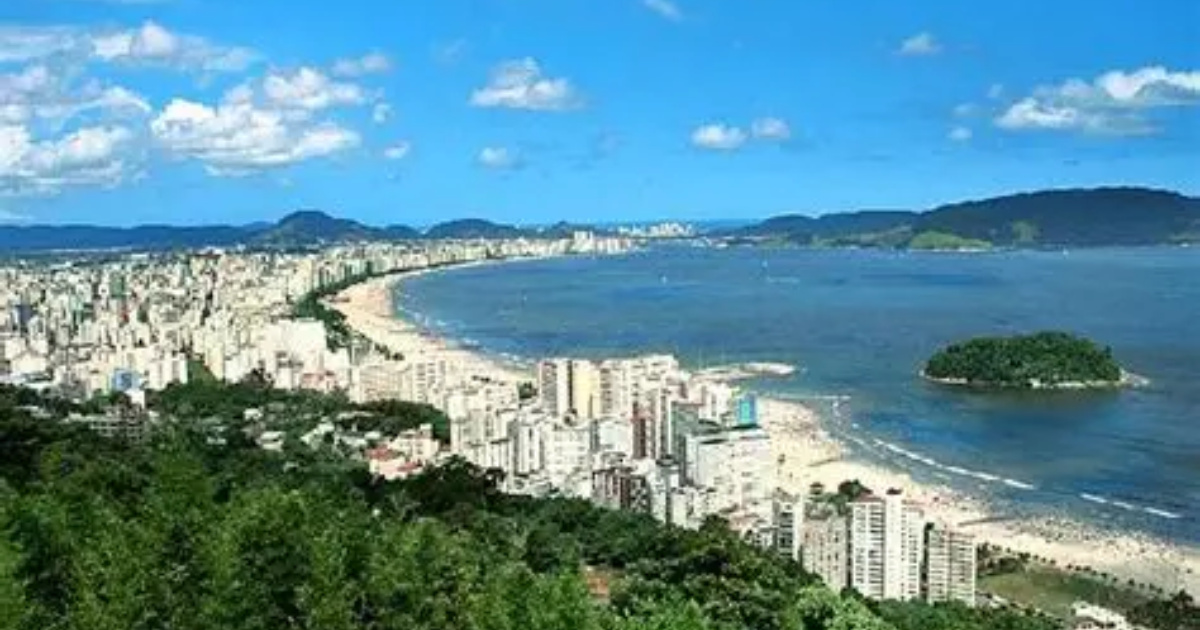
For those who appreciate direct contact with nature, Porchat Island offers trails and viewpoints with a panoramic view of Baixada Santista, making it one of the most sought-after experiences for those looking to relax outdoors.
Another highlight is the Voturuá Ecological Park, where visitors can hike, organize picnics, and observe native species of the regional fauna in appropriate enclosures.
Regional Cuisine and Ease of Access
Vicentina cuisine highlights the influence of seafood, present in dishes such as moquecas, shrimp, and caldeiradas.
Traditional restaurants and beachfront kiosks provide a wide variety of regional flavors, valuing fresh ingredients and preparation methods passed down through generations. Proximity to the São Paulo capital is also a differentiator.
Located approximately 70 kilometers from São Paulo, São Vicente has well-signposted highways and transportation alternatives that facilitate access year-round, increasing tourist flow.
Heritage and Identity of the Oldest City in Brazil
Recognized as the oldest city in Brazil, São Vicente preserves its essence amid urban development.
The visitor finds, in a single destination, experiences related to historical heritage, seaside leisure, and the valorization of national memory.
The municipality reinforces its commitment to preserving and promoting its history while promoting new attractions and events that renew the connection between past and present.
Among so many cultural, natural, and gastronomic options, what is still left to be discovered by those passing through São Vicente?








Seja o primeiro a reagir!