





 Portuguese
  English
  Spanish
  3 min of reading
  0 comments


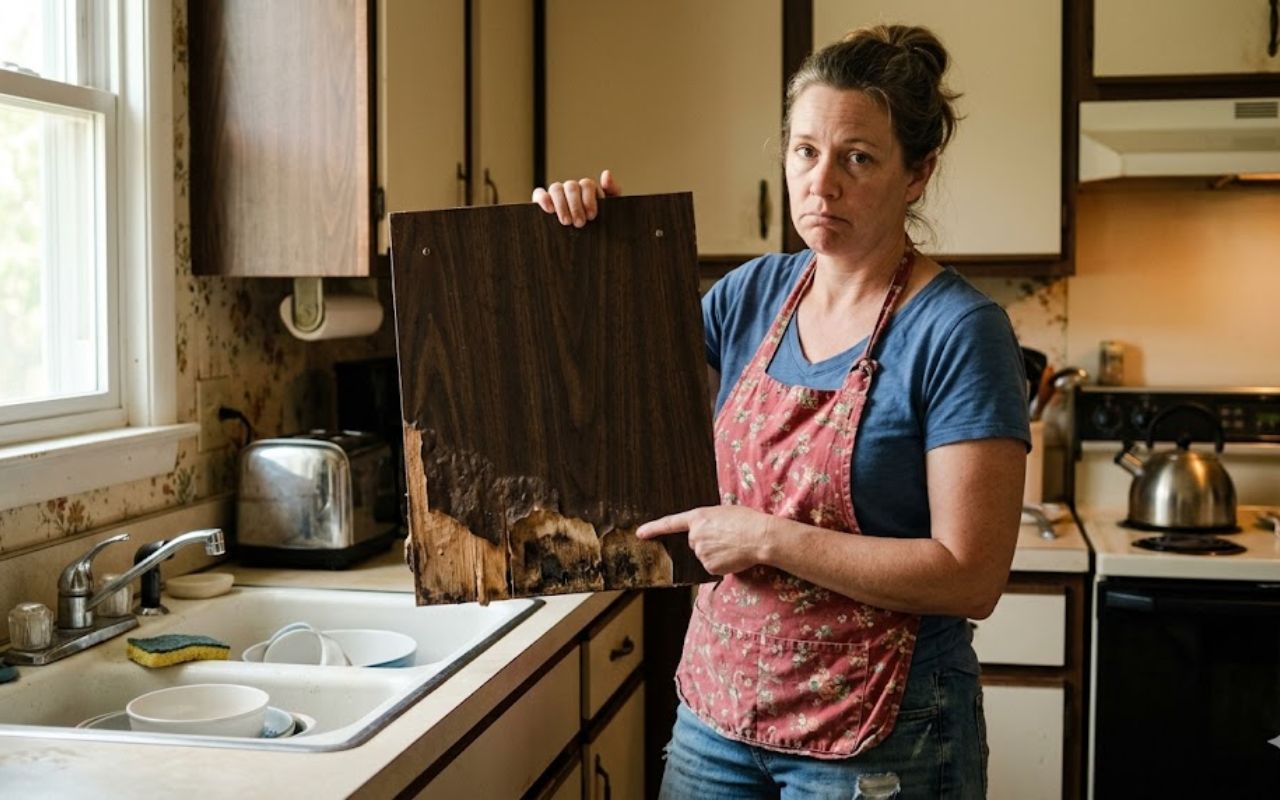
See how furniture that does not swell is replacing MDF in humid areas, bringing more durability, hygiene, and resistance.
The furniture that does not swell, usually made of glass and aluminum, is gaining ground in Brazil and changing the standard in interior design projects, especially in humid areas such as kitchens, bathrooms, and laundries.
The adoption of these materials has been growing in recent years, driven by the need for more durable and resistant solutions.
Architects, designers, and consumers have opted for alternatives such as aluminum and glass, which do not suffer from moisture action.
-
Finland, the happiest country in the world, wants to hire 140,000 technology professionals and is eyeing Brazilians: visas are issued in just two weeks and salaries with a 37-hour workweek are surprising.

-
Mr. Mário reveals the technique of the caipira papaya: he cuts the fruit in half, discards the seeds from the tip, and plants the ones from the back to increase the chance of a productive female tree.

-
Few remember, but the submarine that disappeared in 1968 with 52 crew members was found after 51 years at the bottom of the sea at more than 2,000 meters, intriguing the entire world.

-
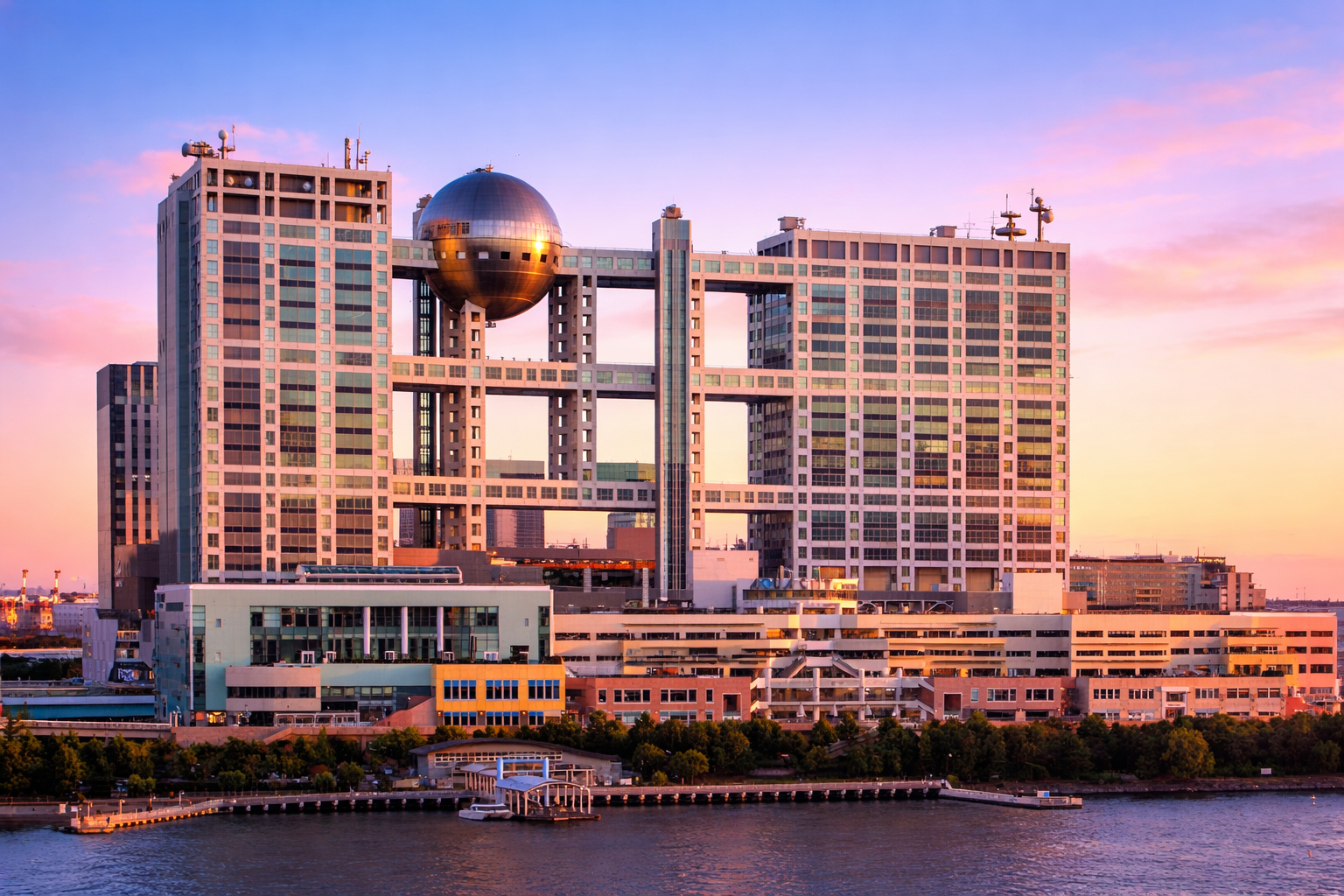
With 1,200 tons suspended, the Japan mega-structure in a grid shape with a floating sphere from Fuji TV features two 25-story towers connected by elevated walkways, titanium panels, and impresses the world with its ability to reduce wind impact.

This change is happening in various regions of the country and aims to solve old problems related to the wear of traditional furniture.
The main goal is to ensure a longer lifespan and reduce maintenance costs.
Moreover, the trend reflects a new way of thinking about consumption, prioritizing efficiency and practicality in daily life.
Sustainability drives choice for these types of furniture
One of the factors that most contributes to the popularization of this furniture is sustainability.
Although the initial cost is higher, the prolonged durability reduces the need for frequent replacements.
This means less disposal of materials and a lower environmental impact. Therefore, the choice ends up being more economical over time.
Additionally, the investment can be up to 50% higher compared to MDF. Still, experts point out that the cost-benefit is worth it.
Furniture that does not swell offers more hygiene and practicality
Another decisive point is the ease of cleaning. In environments that require greater care with hygiene, this characteristic makes a difference.
Glass and aluminum, for example, are non-porous surfaces. This prevents the proliferation of fungi, mold, and microorganisms.
Moreover, these materials are resistant to pests, such as termites. Cleaning can be done with just water and neutral soap, keeping the appearance new for longer.
Resistance to moisture highlights furniture that does not swell
The main advantage of furniture that does not swell lies in its water resistance.
Unlike MDF, they do not absorb moisture.
In practice, this avoids problems such as swelling, deformation, and deterioration. Thus, the furniture maintains its structure intact even after years of use.
This characteristic is even more important in coastal regions. In these locations, aluminum with electrostatic painting offers high resistance to corrosion caused by sea air.

More resistant structure expands design possibilities
In addition to durability, the structure of this furniture allows for greater creative freedom. This is because aluminum combines lightness with high resistance.
A common problem in traditional furniture is the warping of large doors. With the new materials, this risk is reduced.
Thus, furniture that does not swell allows for projects with larger and more sophisticated doors, maintaining alignment and functionality over time.
MDF problems accelerate change
Although still widely used, MDF has significant limitations. Being a material that absorbs water, it suffers from humidity.
This can cause swelling, wear, and loss of original appearance. Over time, the need for maintenance becomes frequent.
For this reason, many consumers have migrated to furniture that is not made of MDF and does not swell, seeking more security and durability.
Modern aesthetics values furniture
The change is also driven by aesthetics. The new materials offer more modern and sophisticated finishes.
Thus, furniture manages to unite functionality and aesthetics, meeting the new demands of the market.
With more demanding consumers, the trend is that “furniture that does not swell” will continue to gain ground in Brazil. The search for quality and durability should further drive this movement.
Meanwhile, MDF is expected to remain a more accessible option. However, its market share may gradually decrease.
Thus, the furniture sector is undergoing a transformation. And furniture that does not swell emerges as the protagonist of this new phase in interior design.
Source: DIÁRIO DO LITORAL








Seja o primeiro a reagir!