





 Portuguese
  English
  Spanish
  5 min of reading
  0 comments


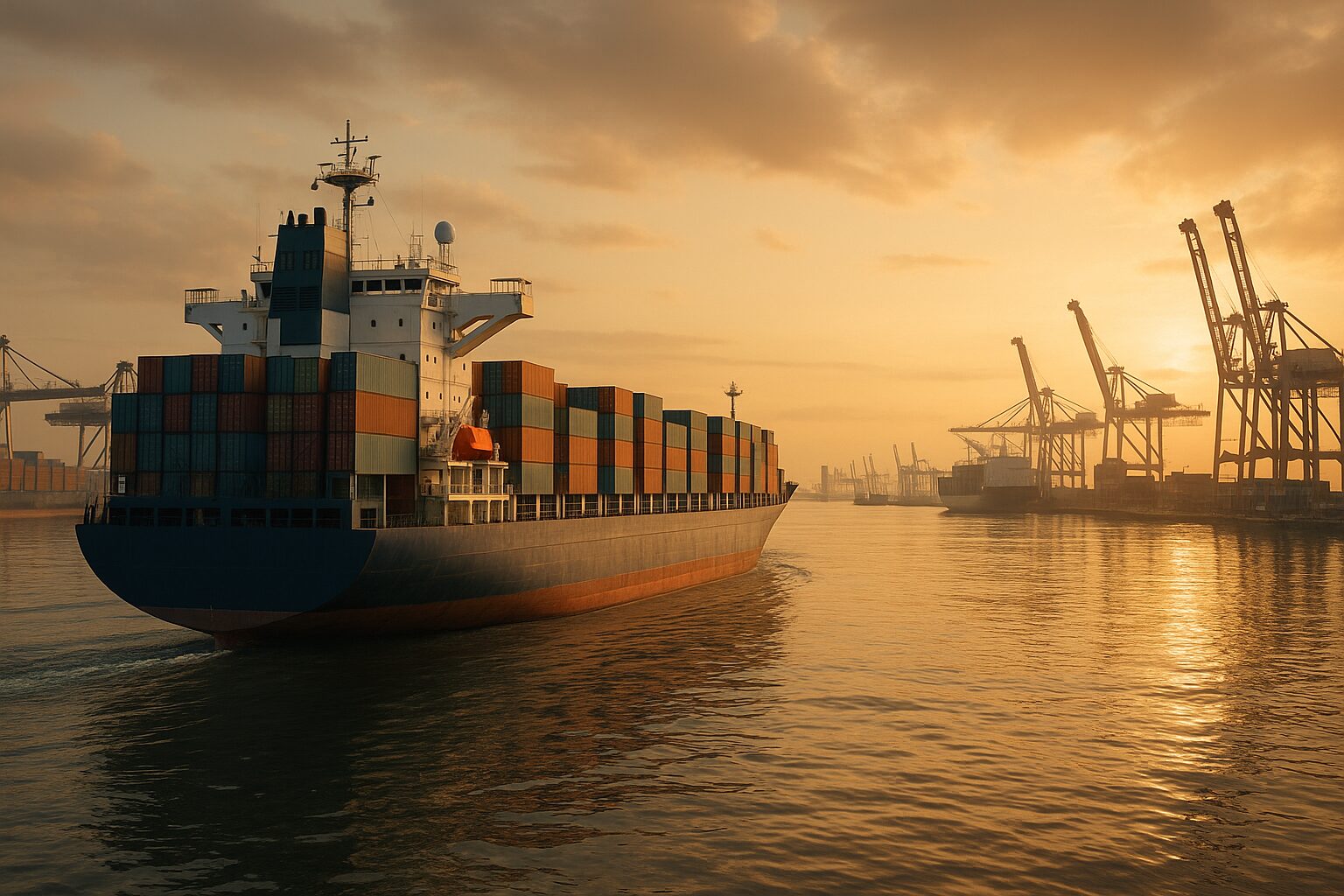
Understand How the Future of the Shipping Industry Affects Trade, the Global Economy, and Even the Products You Consume in Your Daily Life — with Technological Innovations, Sustainability, and New Business Opportunities.
The shipping industry is one of humanity’s oldest economic activities. From the first vessels built of wood and propelled by rowing to the modern ships equipped with cutting-edge technology, the sector has evolved impressively.
More than just transporting cargo or people, maritime transport keeps global trade running.
Therefore, thinking about the future of the shipping industry means understanding how transformations in this sector directly influence our daily lives and the business environment.
-
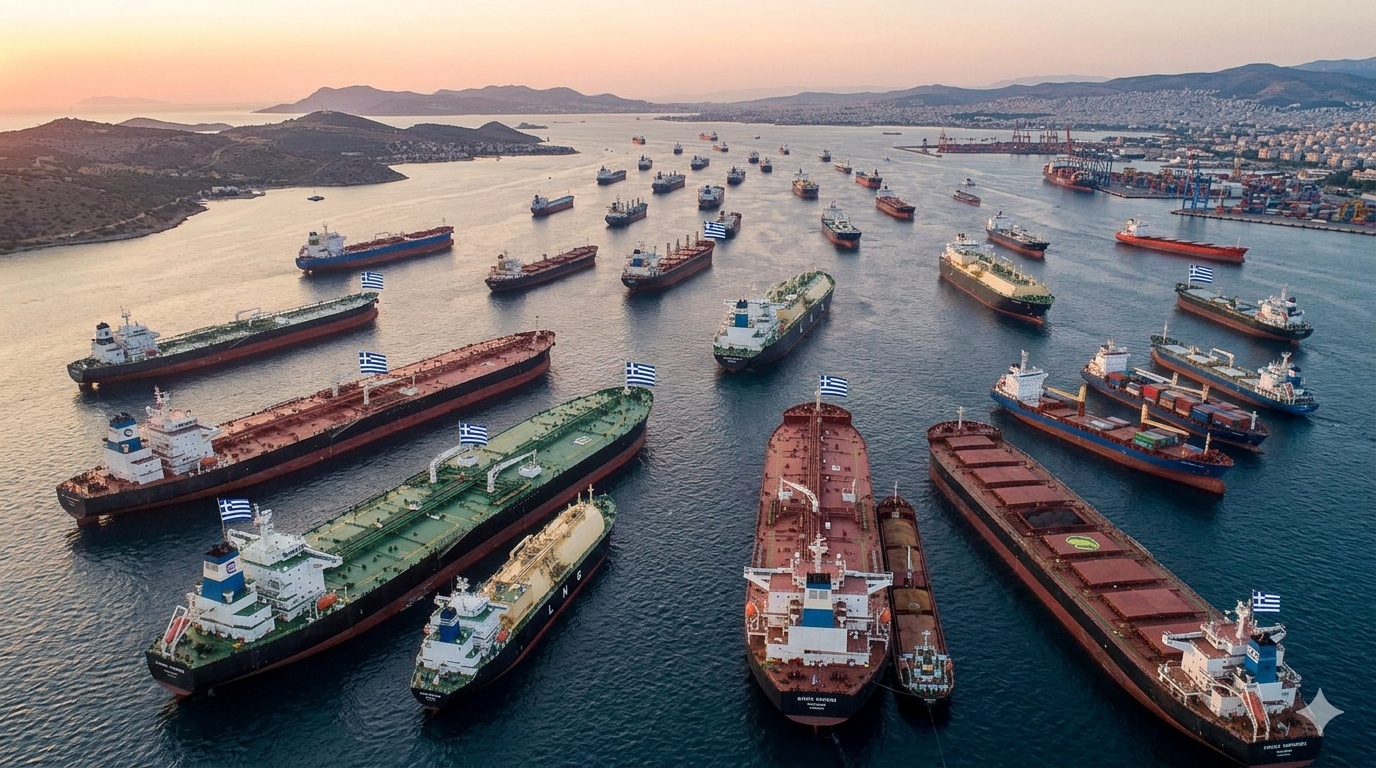
Neither the USA nor China: a small European nation has become one of the largest maritime powers on the planet, controlling one of the largest merchant fleets in the world with thousands of ships and dominating the global transportation of oil and strategic cargo.
-
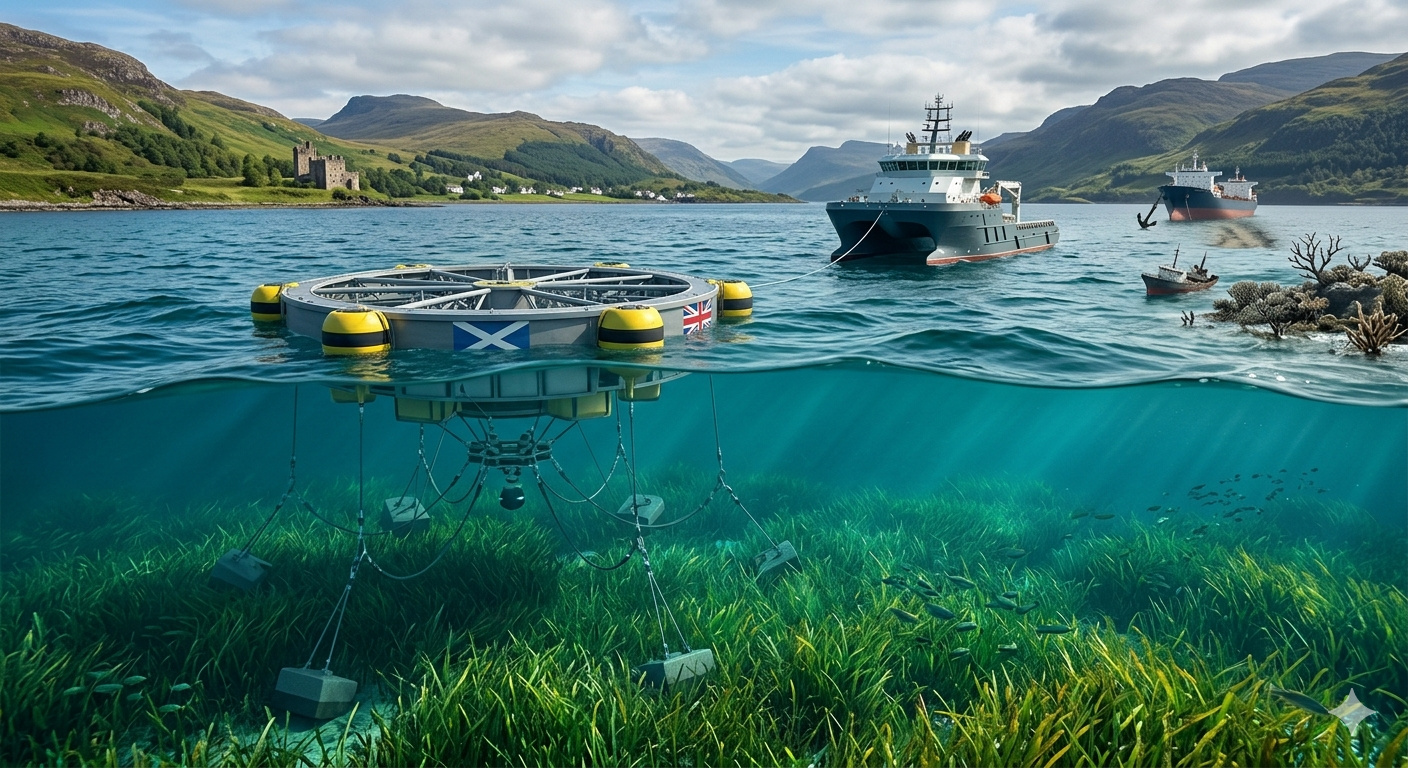
Scotland and the United Kingdom have created a new anchoring system that floats in the water without touching the seabed, after discovering that the current from a conventional anchor destroys up to 50 m² of seagrass meadow per event and that ship-damaged reefs showed no signs of recovery even ten years later.
-
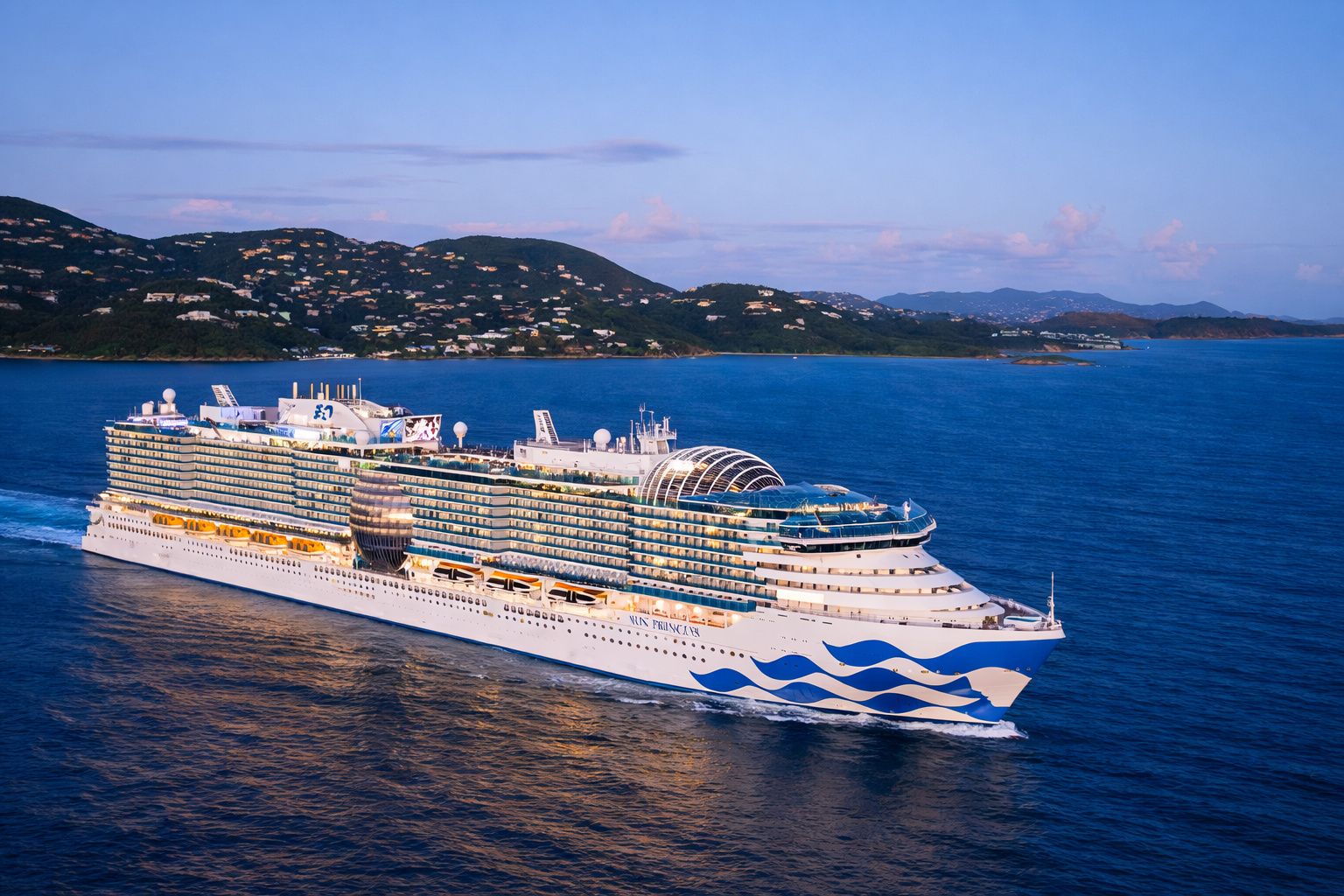
Weighing 175,500 Tons, Measuring 345 Meters Long, and With Capacity for Over 4,300 Passengers, the Sun Princess Becomes the Largest Ship Ever Built by Princess Cruises and Attracts Global Attention for Its Huge Glass Dome Inspired by Santorini’s Architecture Installed on Top of the Vessel
-
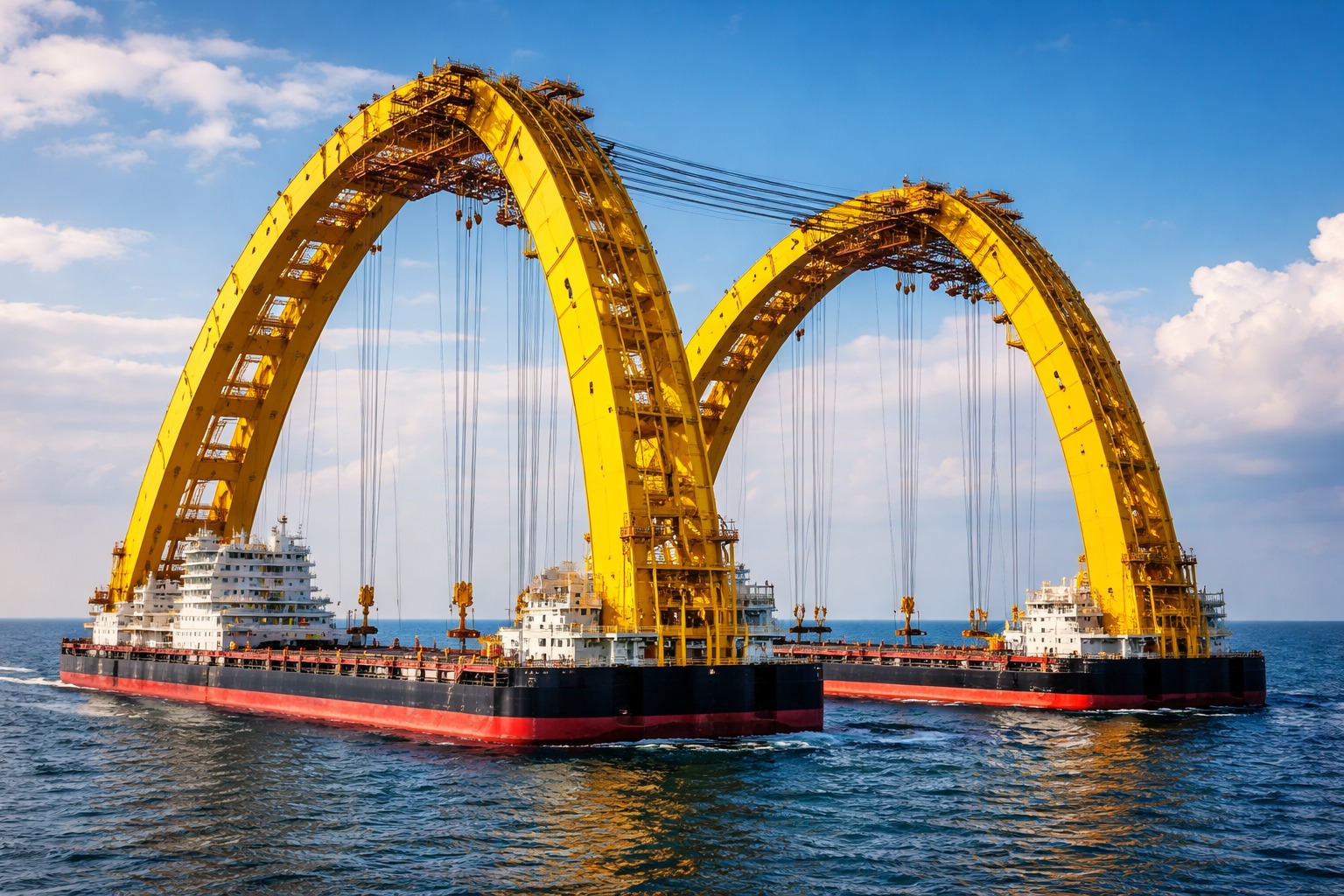
TX-10, The Colossus of The Sea: Largest Lifter Ship in The U.S., With Two Giant Barges, 73-Meter Tall Structure, and Strength to Raise 7,500 Tons of Sunken Oil Rigs
Moreover, the shipping industry is also a reflection of the technological innovation of the time in which it exists.
From sails to modern engines powered by alternative fuels, each advancement reflects the human ability to adapt and improve the efficiency of processes.
Thus, understanding its evolution helps predict trends and prepare for a future in constant transformation.
Historical Roots of Navigation
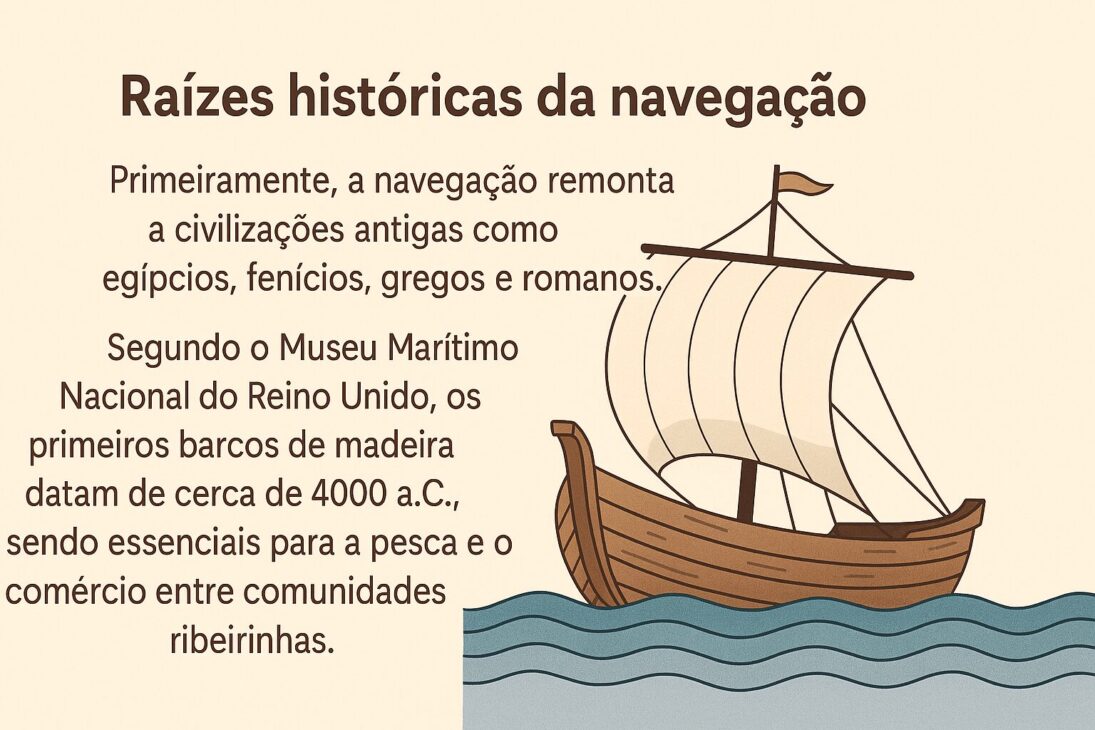
Firstly, navigation dates back to ancient civilizations such as the Egyptians, Phoenicians, Greeks, and Romans.
According to the National Maritime Museum of the United Kingdom, the first wooden boats date back to around 4000 B.C., being essential for fishing and trade among riverside communities.
During Antiquity, the development of vessels was fundamental for the expansion of great civilizations.
For example, the Phoenicians were pioneers in commercial maritime navigation, establishing routes across the Mediterranean.
In the Middle Ages and early Modern period, shipbuilding evolved with the use of sails and more advanced hull construction techniques.
This progress culminated in the great navigations of the 15th century, when countries like Portugal and Spain explored new territories and opened trade routes to the Americas, Asia, and Africa.
The Industrial Revolution, which began in the 18th century, brought significant changes to the naval sector.
As recorded by the International Maritime Organization (IMO), the advent of the steam engine allowed ships to become larger, faster, and independent of the winds, increasing cargo capacity and regularity of voyages.
These innovations were essential for the growth of global trade, especially in the 19th century and early 20th century, when diesel and natural gas ships began to gradually replace steam engines.
According to the IMO, the international regulation of maritime transport after World War II was also a decisive milestone for the growth and safety of the shipping industry, with the creation of the organization itself in 1948.
The Current Impact of the Shipping Industry
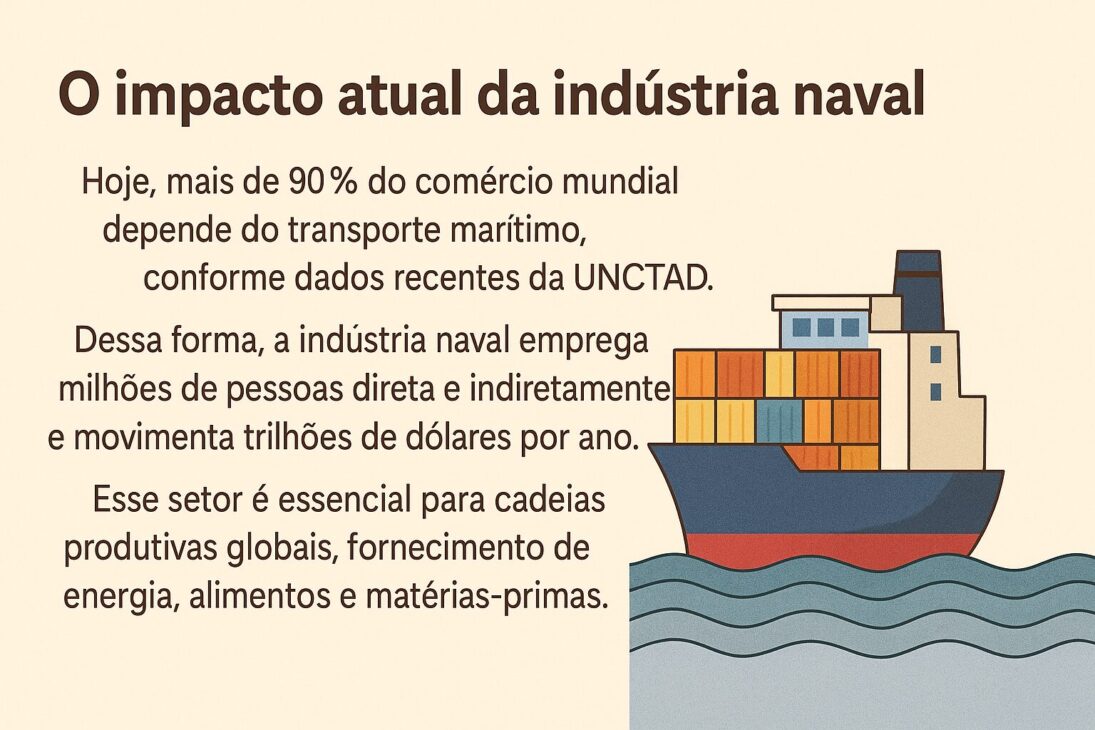
Today, more than 90% of global trade depends on maritime transport, according to recent data from the United Nations Conference on Trade and Development (UNCTAD), 2023 report.
Thus, the shipping industry employs millions of people directly and indirectly and moves trillions of dollars each year.
This sector is essential for global supply chains, energy supply, food, and raw materials. Without ships, the world economy would not function as we know it.
In addition, the shipping industry involves various fields of knowledge, including engineering, metallurgy, electronics, automation, logistics, and foreign trade.
Therefore, its impact reaches far beyond the port or shipyard, extending to the end consumer, who may not always realize that their phone, car, or imported food has traveled thousands of kilometers by sea.
Another important point is that the shipping industry also transports natural resources that sustain other industries, such as oil, mineral, and natural gas.
Thus, any disruption in maritime transport can generate ripple effects, affecting prices, production, and jobs in different sectors.
Innovation and Sustainability at Sea
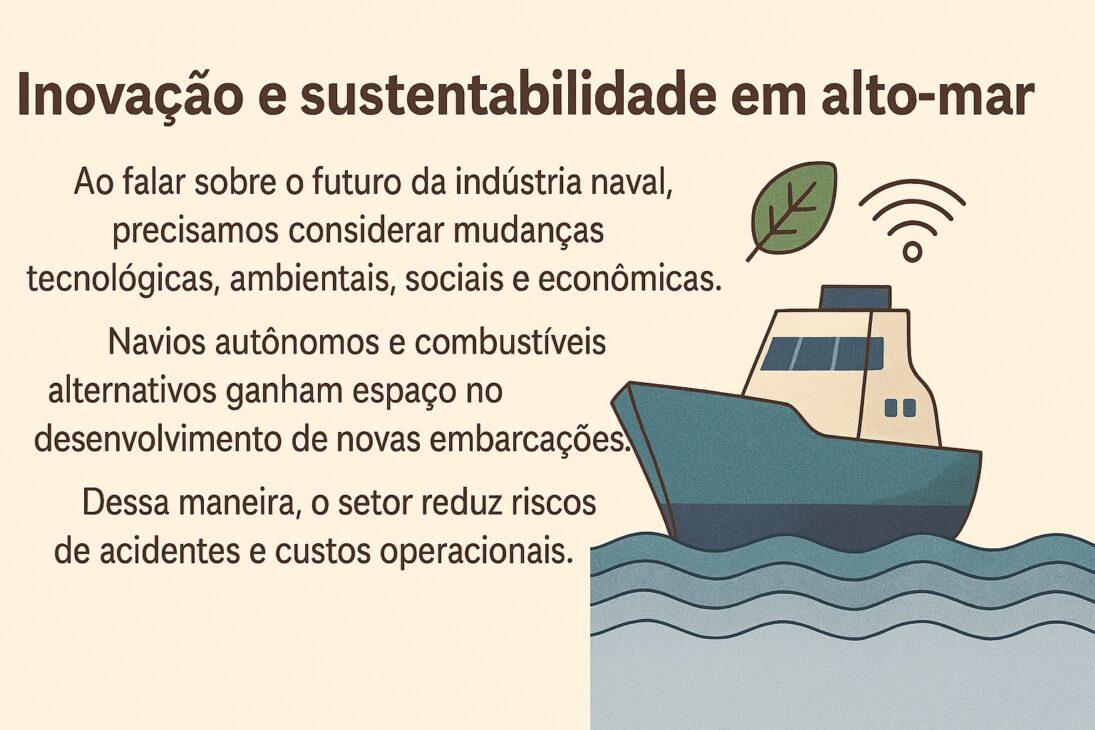
When discussing the future of the shipping industry, we need to consider ongoing technological, environmental, social, and economic changes.
One of the main challenges is to make the sector more sustainable.
According to the United Nations Environment Programme (UNEP), the maritime sector is responsible for about 2-3% of global CO₂ emissions, which requires efforts to reduce its environmental impact.
For this reason, alternative fuels such as green hydrogen, ammonia, methanol, and electric energy are gaining traction in the development of new vessels.
Additionally, automation and digitalization play a central role in this transformation.
Autonomous ships, which sail with little or no crew, are already being tested in some countries, using artificial intelligence, sensors, GPS, and big data to operate with greater precision and safety.
Thus, the sector reduces the risk of accidents, optimizes routes, and lowers operational costs.
The development of these new technologies is happening thanks to extensive international cooperation among governments, organizations such as the IMO, research institutions, and private companies.
Therefore, it is expected that in the coming years, the shipping sector will undergo rapid and profound transformations.
The Influence of the Sector on Your Life
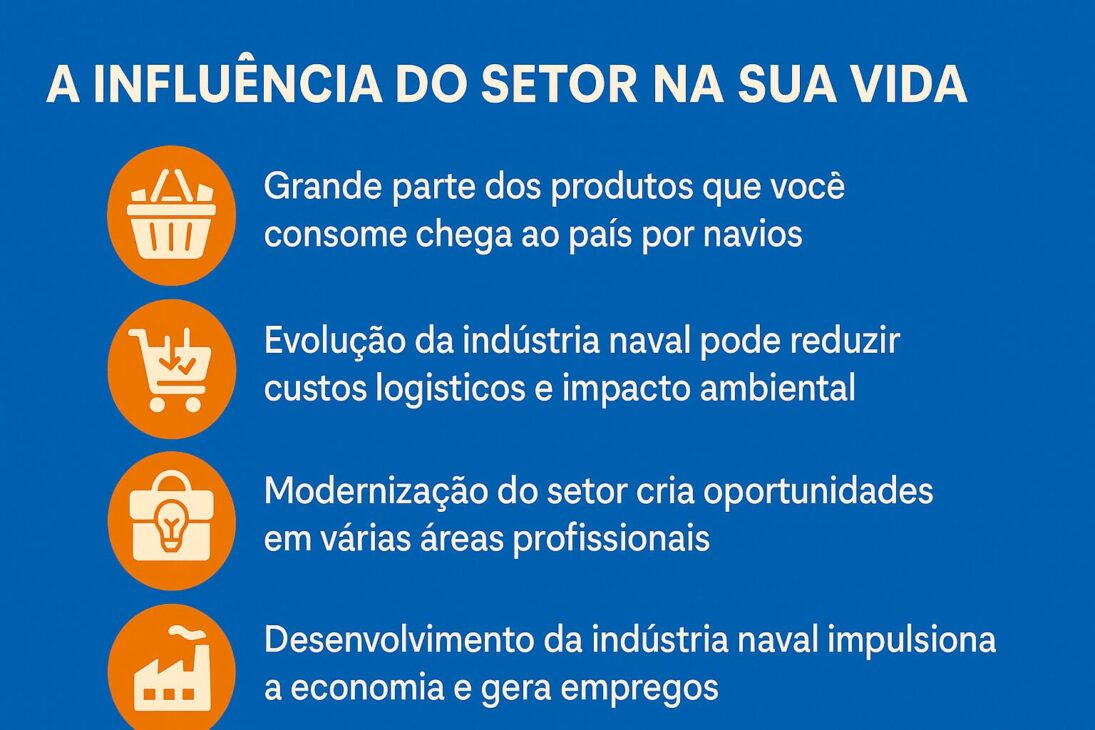
Even if you do not work directly with ships, the future of the shipping industry affects your life.
Think, for example, of the products you buy at the grocery store, the electronics you use, or the fuels that power public transport.
Most of these items arrive in the country by ships.
With the evolution of the shipping industry, logistics costs may decrease, efficiency may improve, resulting in more affordable prices and a lower environmental impact.
From the consumer’s perspective, the modernization of the sector ensures that products arrive with greater speed, safety, and quality.
For professionals in fields like engineering, logistics, and technology, new opportunities arise.
Without a doubt, the demand for specialists in automation and artificial intelligence is growing daily.
Moreover, the shipping industry is connected to various other sectors, such as construction, chemical industry, and energy sector.
Thus, the development of this market directly influences the economy of entire regions, especially port cities, creating jobs and stimulating the local production chain.
New Business Opportunities
Companies of all sizes and sectors feel the impact of changes in maritime transport.
Therefore, businesses that import or export products need to adapt to new routes, regulations, and technologies that arise.
Additionally, the integration between ports and intelligent logistics systems makes the supply chain more efficient, which is essential to maintain competitiveness in the global market.
Investment in innovation within the shipping industry fosters partnerships between technology companies, universities, and government agencies.
Startups focused on solutions for maritime logistics, data analysis, autonomous navigation, and sustainability have room to grow in this scenario.
In other words, the future of the shipping industry also represents a great business opportunity.
Investments in technology also help create more transparent and secure processes, facilitating international trade.
This reduces fraud, delays, and increases trust between suppliers and customers, benefiting the entire commercial chain.
Therefore, understanding these changes is essential not only for those working in the sector but for anyone who wants to better understand how the world works.
After all, every product that reaches your home, every new technology, every business opportunity may have begun its journey on a ship crossing the seas.










Seja o primeiro a reagir!