





 Portuguese
  English
  Spanish
  4 min of reading
  0 comments


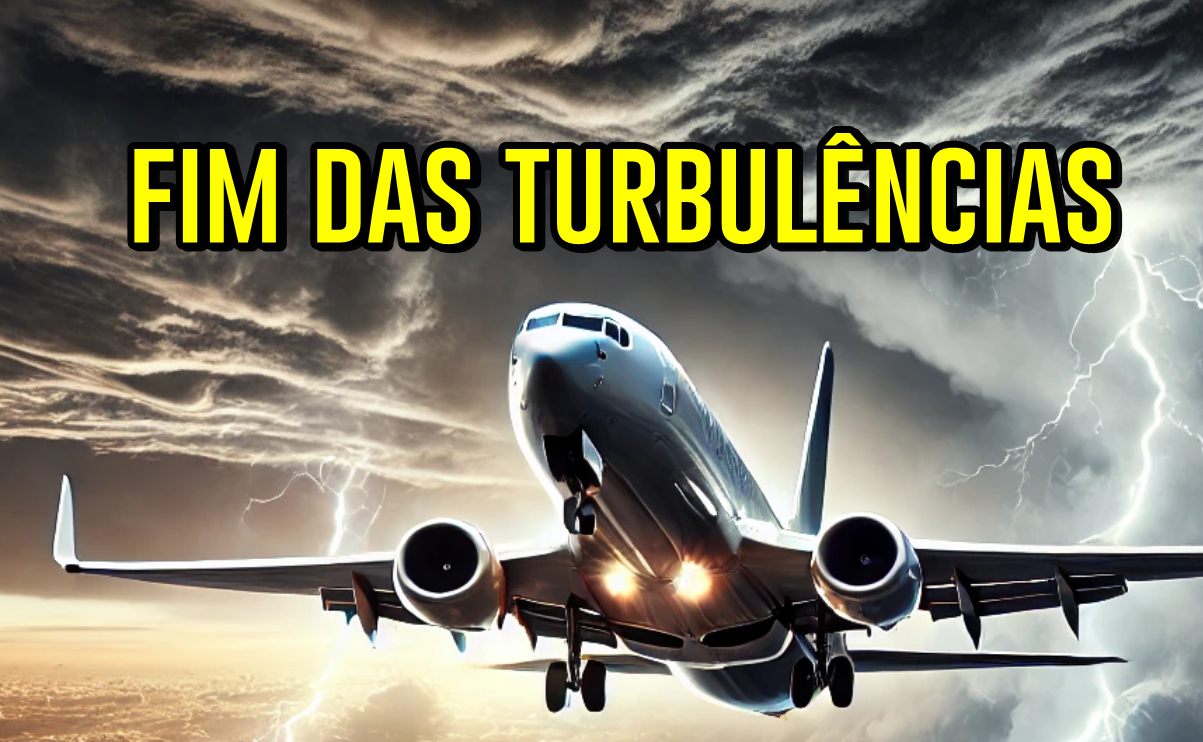
Artificial Intelligence Promises to Eliminate Turbulence in Commercial Flights, Providing a More Comfortable Flying Experience
Imagine a flight without turbulence along the way. This may seem like a distant dream, but it is closer than you think, thanks to a new technology of artificial intelligence (AI) called FALCON.
Developed by renowned scientists and engineers, FALCON is an AI system that teaches aircraft to automatically adjust to turbulence within minutes, promising to transform the concept of a turbulent trip.
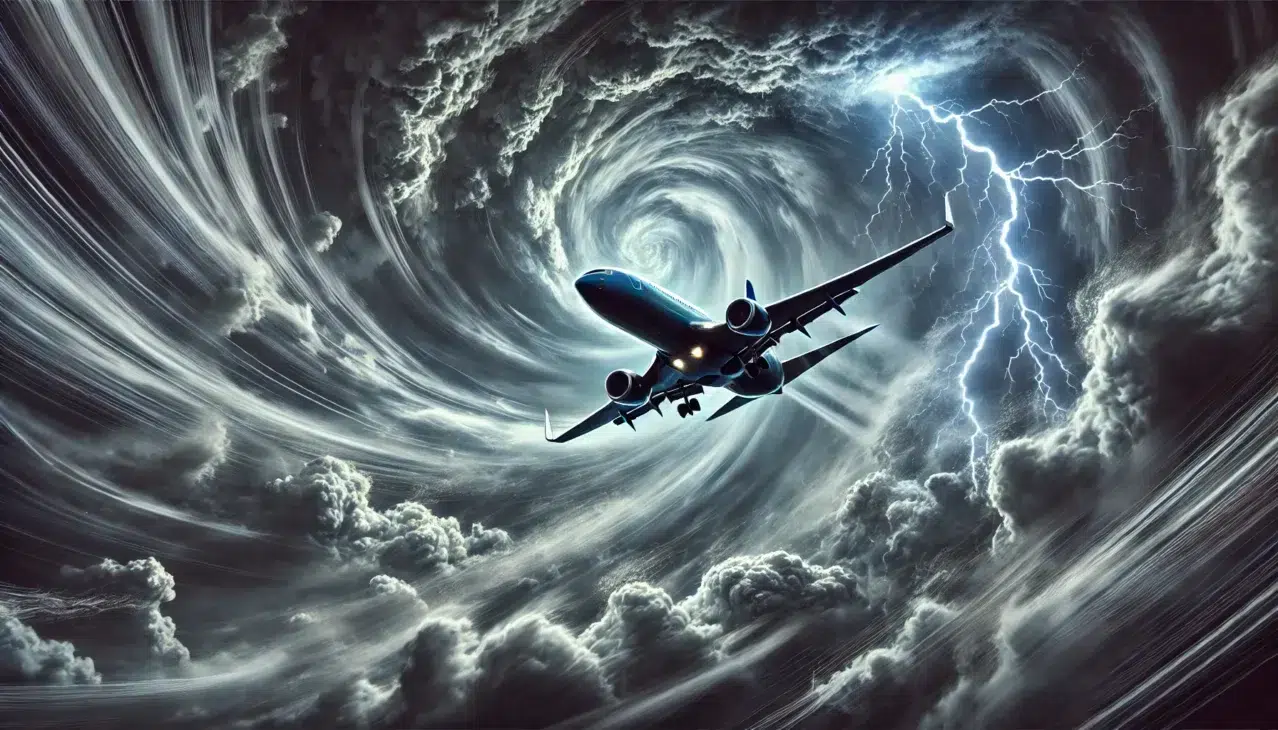
Turbulence: What It Is and Why It Happens?
Turbulence occurs when there are sudden changes in air pressure, causing the plane to shake or bounce. Imagine driving on a bumpy road – that’s a good parallel to what happens to an airplane during turbulence.
-
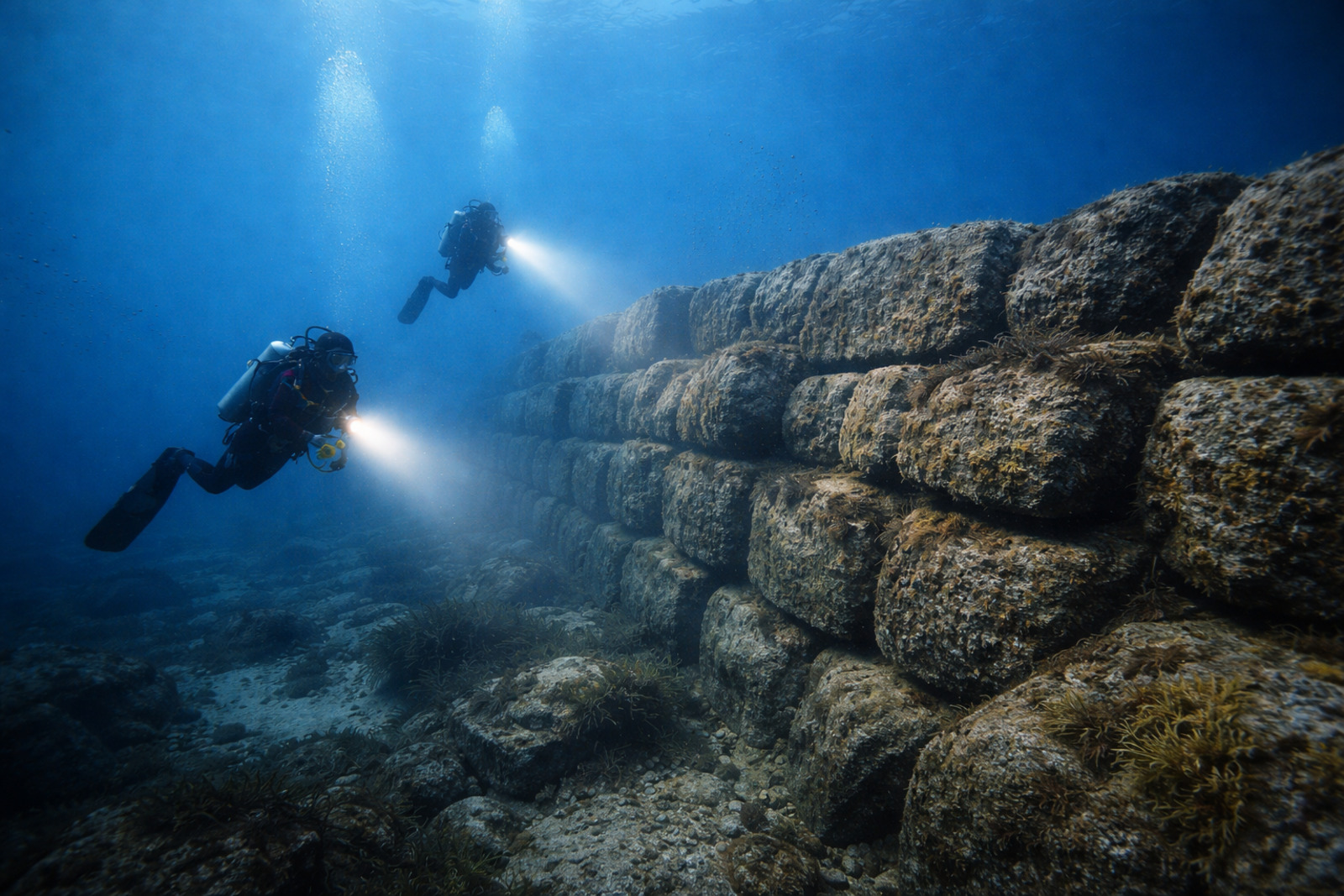
Archaeologists have discovered a colossal submerged wall in the Atlantic, dating back 7,000 years and weighing 3,300 tons, regarded as the largest prehistoric submerged structure ever found in France.
-
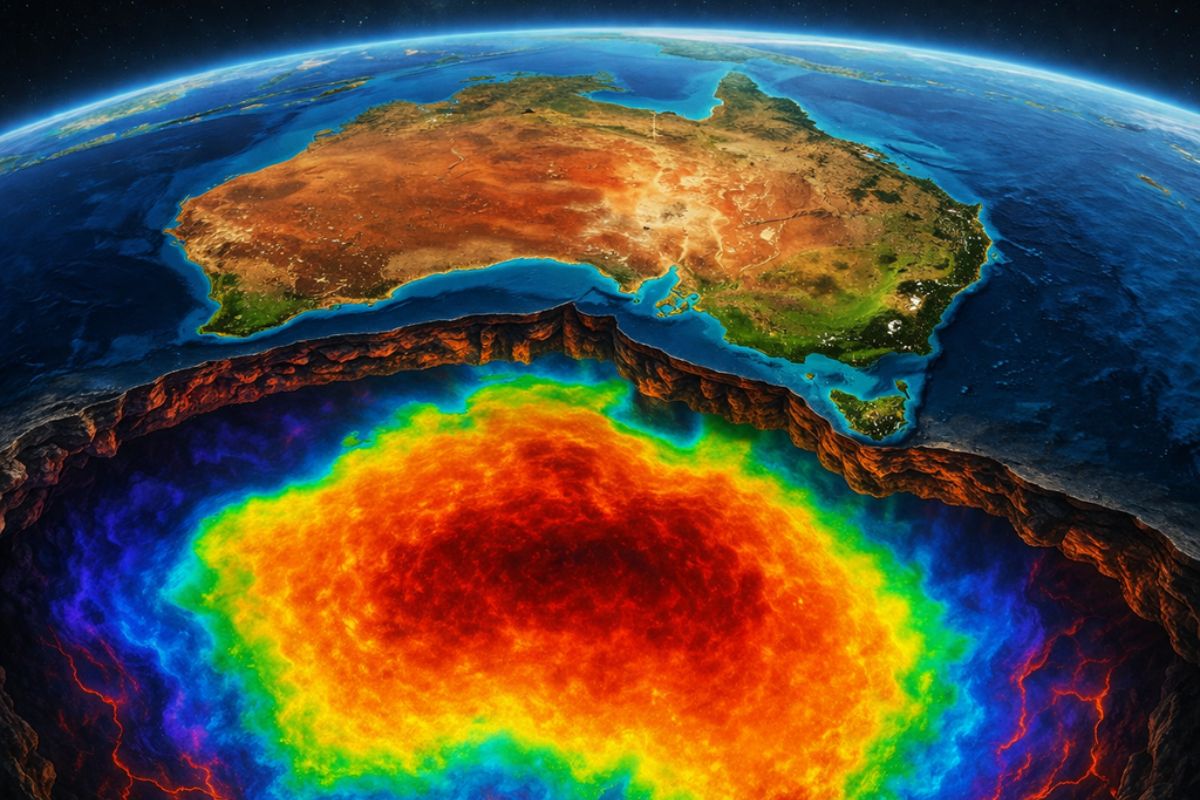
Scientists have discovered a gigantic magnetic anomaly hidden beneath the soil of Australia that mirrors the shape of the entire continent and holds geological records of two and a half billion years that could change what we know about the Earth.
-
The heatwave that has been affecting Brazil in recent weeks is coming to an end: a cyclonic vortex is moving in during Holy Week with heavy rains, and a cold air mass is already threatening to lower temperatures in the South starting in April.

-
(VIDEO) Cameras from an astronomical observatory captured two meteors falling over Santa Maria in Rio Grande do Sul with only a one-minute difference and such close trajectories that scientists are now investigating whether the two objects have the same origin.


In nature, birds and other flying animals have developed an impressive ability to sense and quickly adapt to these changes, maintaining a smooth flight even in difficult conditions. Aircraft, on the other hand, rely on traditional stabilization techniques that are not as quick or efficient.
This is where FALCON comes into play, bringing to aircraft a form of “sensitivity” that mimics the natural response of birds to turbulence.
The FALCON Revolution: How It Works?
FALCON is not just another control system. It utilizes a type of AI known as reinforcement learning, which essentially allows the system to learn through trial and error. During tests, the AI “observes” turbulence conditions and adapts by automatically adjusting the aircraft’s controls to maintain stability. And the most impressive part? It does this in minutes.
The secret behind FALCON is the use of Fourier methods, a mathematical technique that represents complex data, such as wind movement, in sinusoidal waves. This method allows the system to understand and anticipate turbulence as if it were a wave, adjusting the aircraft’s response in real time.
Tests Conducted in the Wind Tunnel
To prove FALCON’s potential, scientists conducted experiments in a wind tunnel at Caltech. They obtained an aerodynamic wing equipped with pressure sensors to simulate an unmanned aerial vehicle (UAV). To generate turbulence, they placed a movable cylinder on the leading edge of the wing, creating periodic fluctuations in the airflow. FALCON had only nine minutes to learn to adapt to these changes, adjusting the angle of the wing to maintain stability.
This test is proof that FALCON can be scaled to larger aircraft, but it also reveals practical challenges. In the real world, atmospheric conditions can vary greatly, requiring the system to quickly adapt to different scenarios. Even so, the possibility of an adaptive AI system in the skies opens doors to a more pleasant and safe flying experience.
Impact of FALCON on Commercial Flights and UAVs
Currently, FALCON is being developed with a special focus on UAVs, but its applications could expand to commercial airplanes in the future. Imagine a scenario where each aircraft can automatically adjust to adverse conditions, eliminating much of the turbulence that leaves so many passengers uncomfortable.
Additionally, researchers suggest that in the future, data about environmental conditions could be captured by an aircraft and shared in real time with other nearby aircraft. This would create a “connected flight network,” where each aircraft helps to anticipate and prepare for turbulent conditions. While this data exchange is revolutionary, there are challenges in terms of cybersecurity, as shared control systems require robust protection against breaches and other risks.
Next Steps: Refinement and Adoption of FALCON
Scientists are already thinking of ways to make FALCON even more efficient. One of the main goals is to reduce the AI’s learning time, which would allow the system to adapt in seconds instead of minutes. This is a challenge, as the speed of response is essential for FALCON to operate effectively in any weather condition.
Moreover, there is a demand for improving system accuracy. With more data and better technology, FALCON will be able to predict turbulence more accurately, resulting in an even more stable and comfortable flight.
Flights Without Turbulence
It is exciting to imagine a future where turbulence is just a distant memory for passengers and crew. The FALCON technology promises to revolutionize the way we understand and face turbulence, bringing more safety and comfort to the skies. And while there is still a long way to go, the progress already made shows us that aviation is ready to take a leap toward a smoother flight – free from the bumps we know today.
This innovation not only aligns airplanes with the environment but also opens doors to a more interconnected and safe sky. Soon, those bumps that used to mark our journeys may become just a memory of the past.







Seja o primeiro a reagir!