





 Portuguese
  English
  Spanish
 3 min of reading
  0 comments


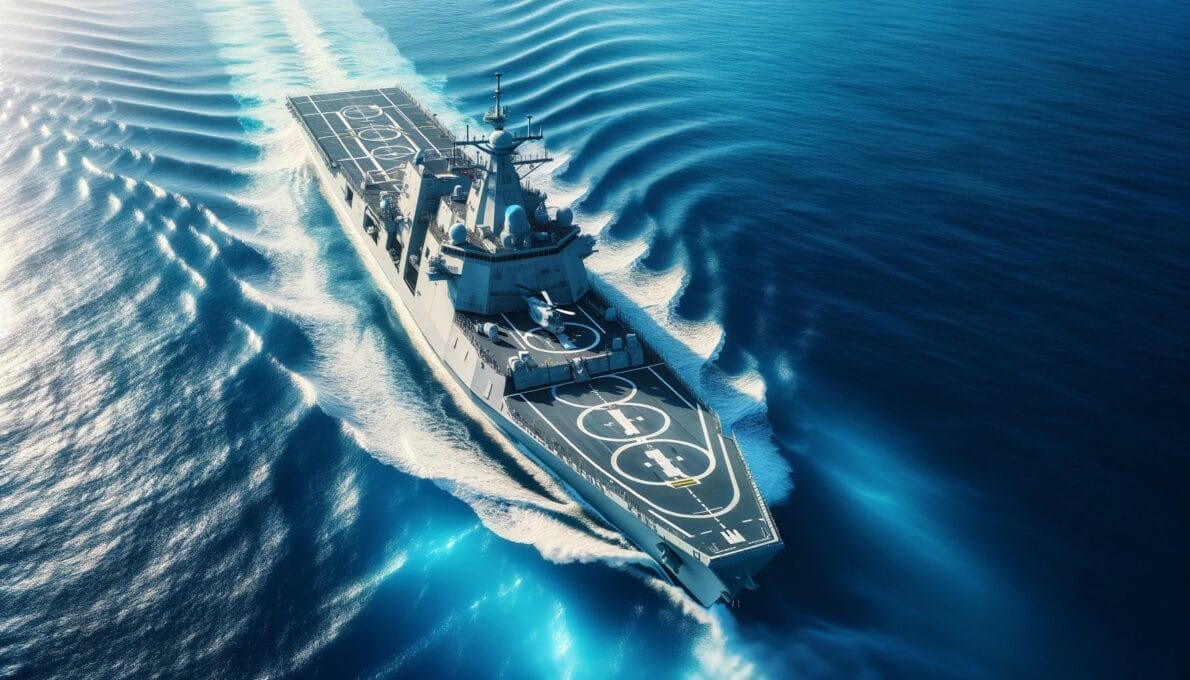
Meet The G-40 Bahia, The Second Largest Ship In The Brazilian Navy. The French Ship Is 168 Meters Long And Can Transport Up To 224 Crew Members.
One of the most important and imposing ships of the Brazilian Navy, the Multipurpose Dock Ship G-40 Bahia, acquired by the Brazilian Navy in 2015, was obtained during a round trip between Rio de Janeiro and Santos, on the São Paulo coast. This Is The Second Largest Ship In The Brazilian Navy and “Multipurpose” means that it is used for various purposes.
Check Out The Main Details Of The Second Largest Ship In The Brazilian Navy
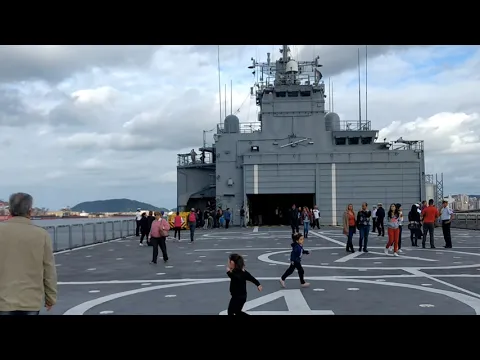

The Multipurpose Dock Ship G-40 Bahia is an amphibious assault ship of the Foudre Class built in France. The vessel, built for the French Navy by the Naval Group and initially named Siroco, served in the French National Navy from 1998 until 2015, when it was acquired by the Brazilian Navy.
The NDM G-40 Bahia, whose initial name was Siroco in the French National Navy, began its activities in 1998, being used internationally on various missions, including humanitarian efforts in Haiti during the earthquake that struck the country in 2010, and for combatting piracy off the coast of Somalia in 2013, eventually ceasing its operational activities in that Navy in July 2015.
-
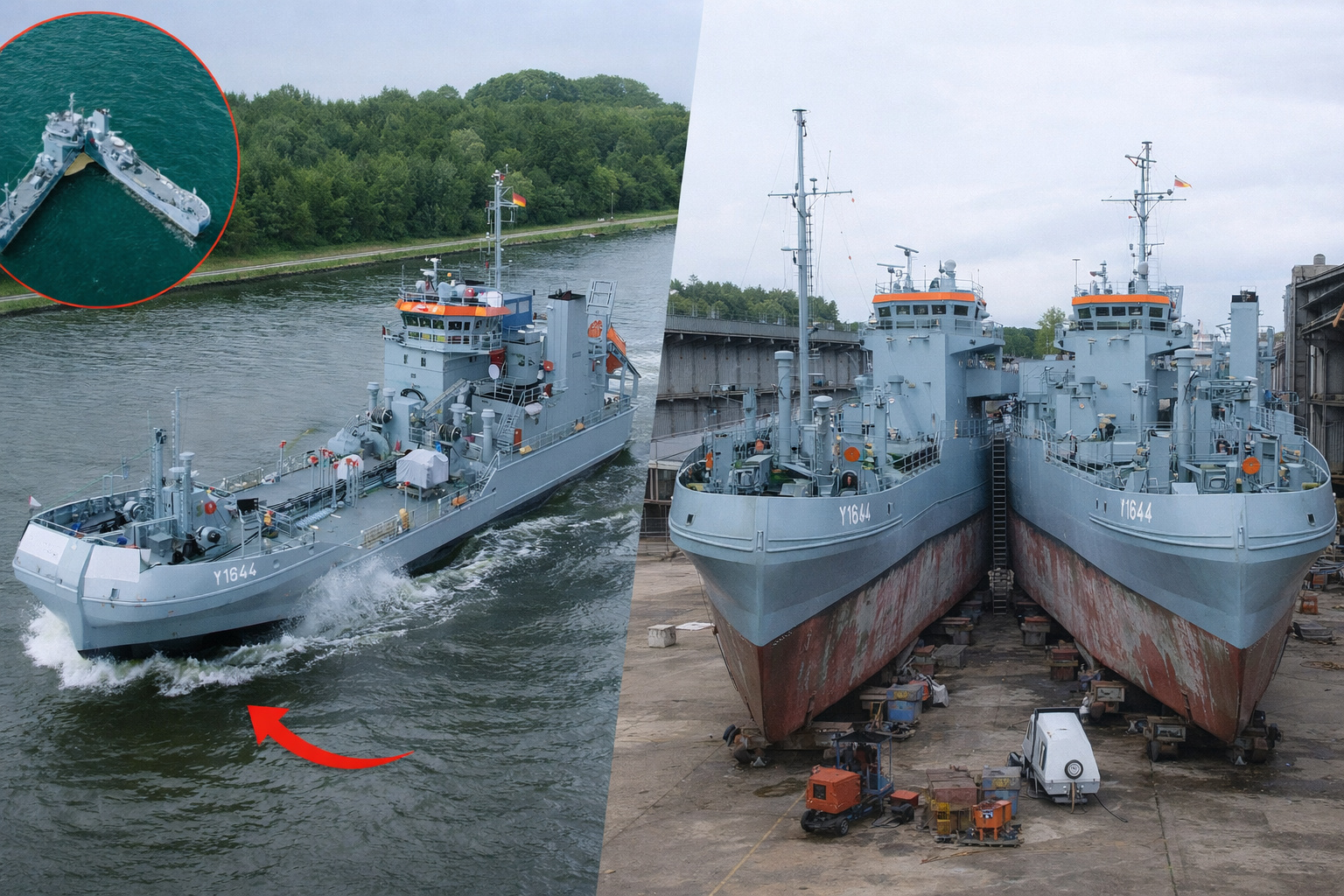
The German ship Bottsand splits its hull in two halves in the middle of the ocean to swallow spilled oil on the surface, separating the oil from the water inside a 790 cubic meter tank and then closing again. It is the only ship in the world factory-designed to split in half as part of normal operations, and the crew of six people who operate everything is civilian.
-
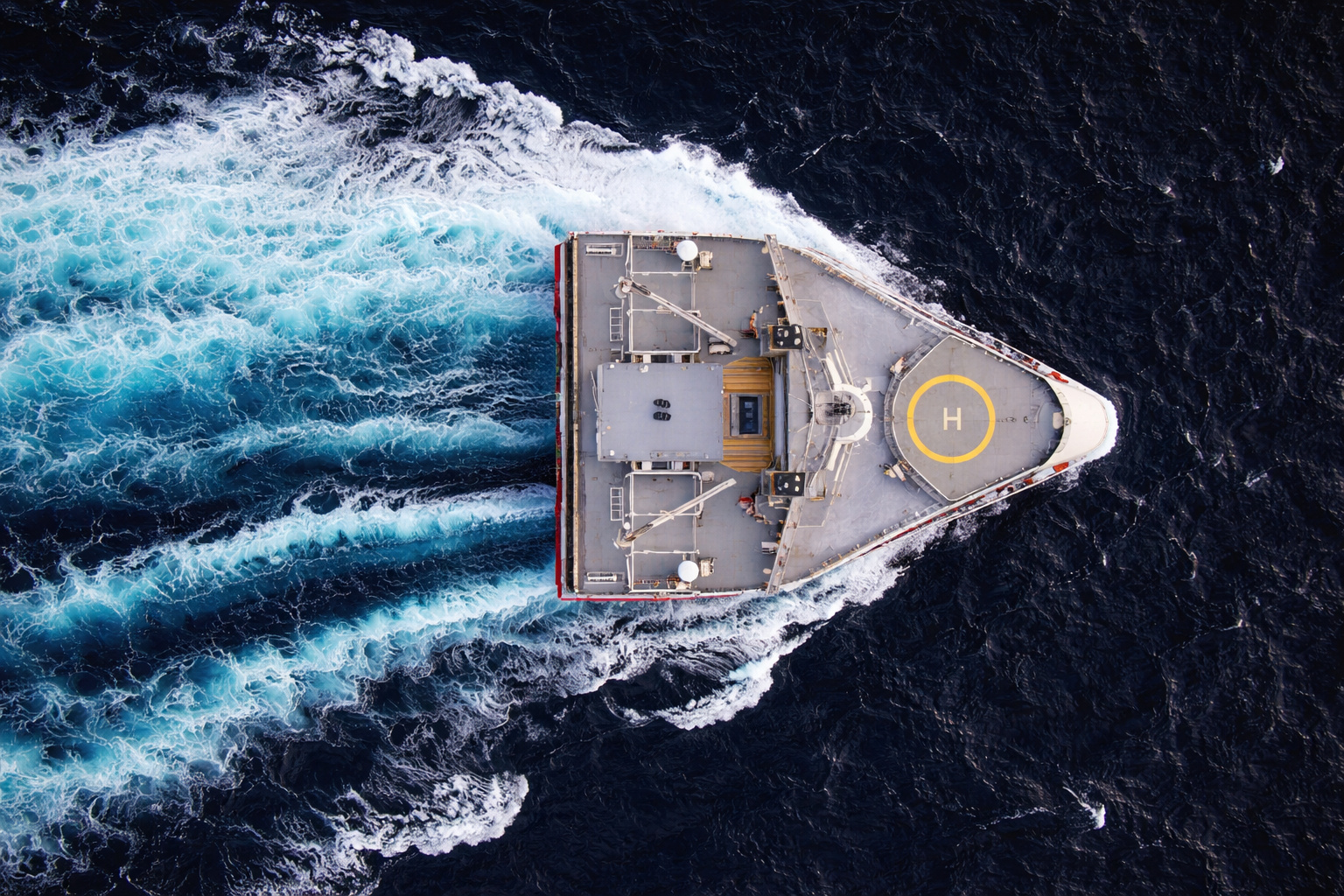
With almost 70 meters in width at the stern and a shape resembling a “giant slice of cheese,” the Ramform Titan tows up to 24 seismic cables to sweep the ocean floor in 3D and reveal oil reserves hidden beneath kilometers of sediment.
-
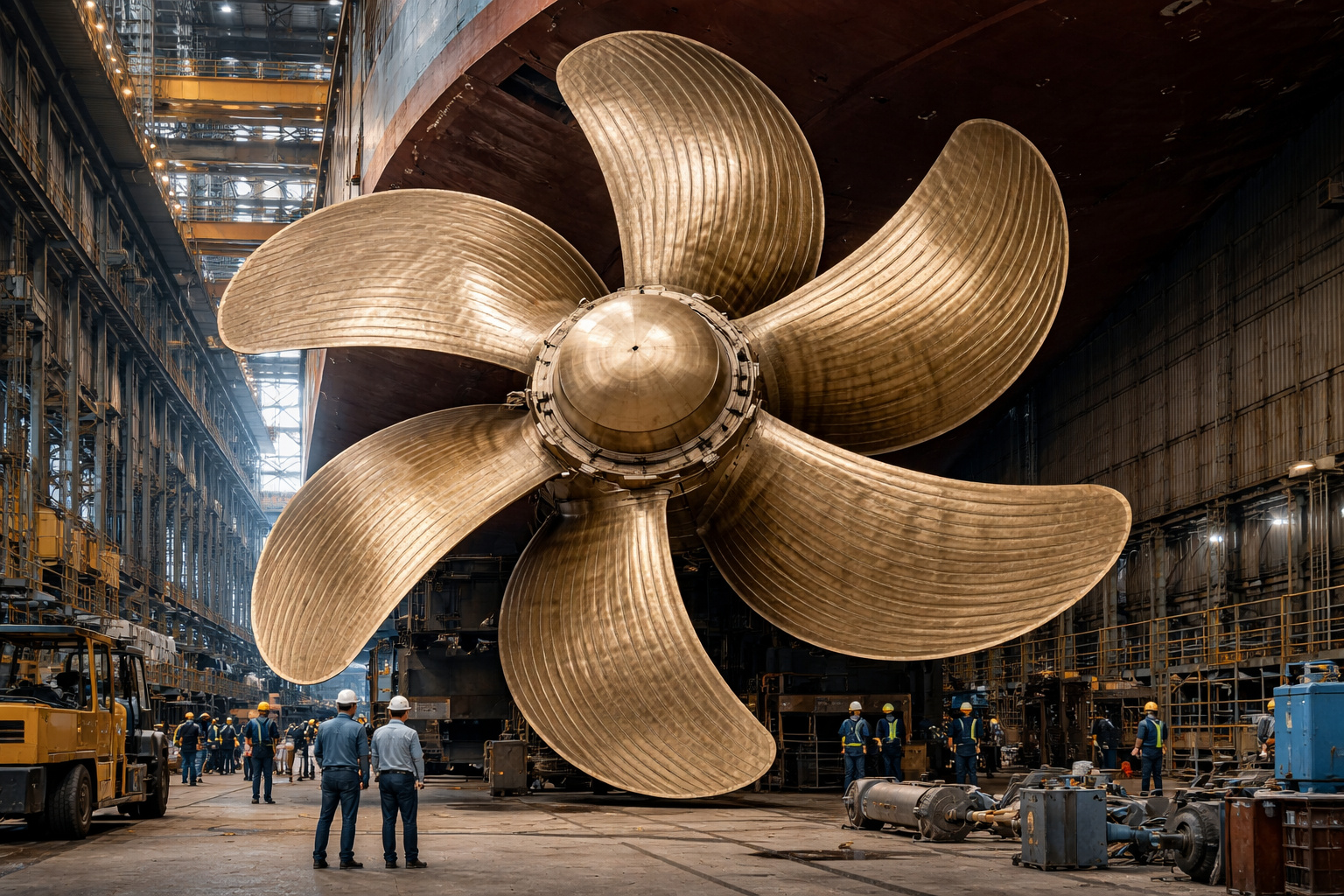
How a 131-ton, 11-meter propeller supports 90% of global trade and transforms the largest container ships on the planet.
-
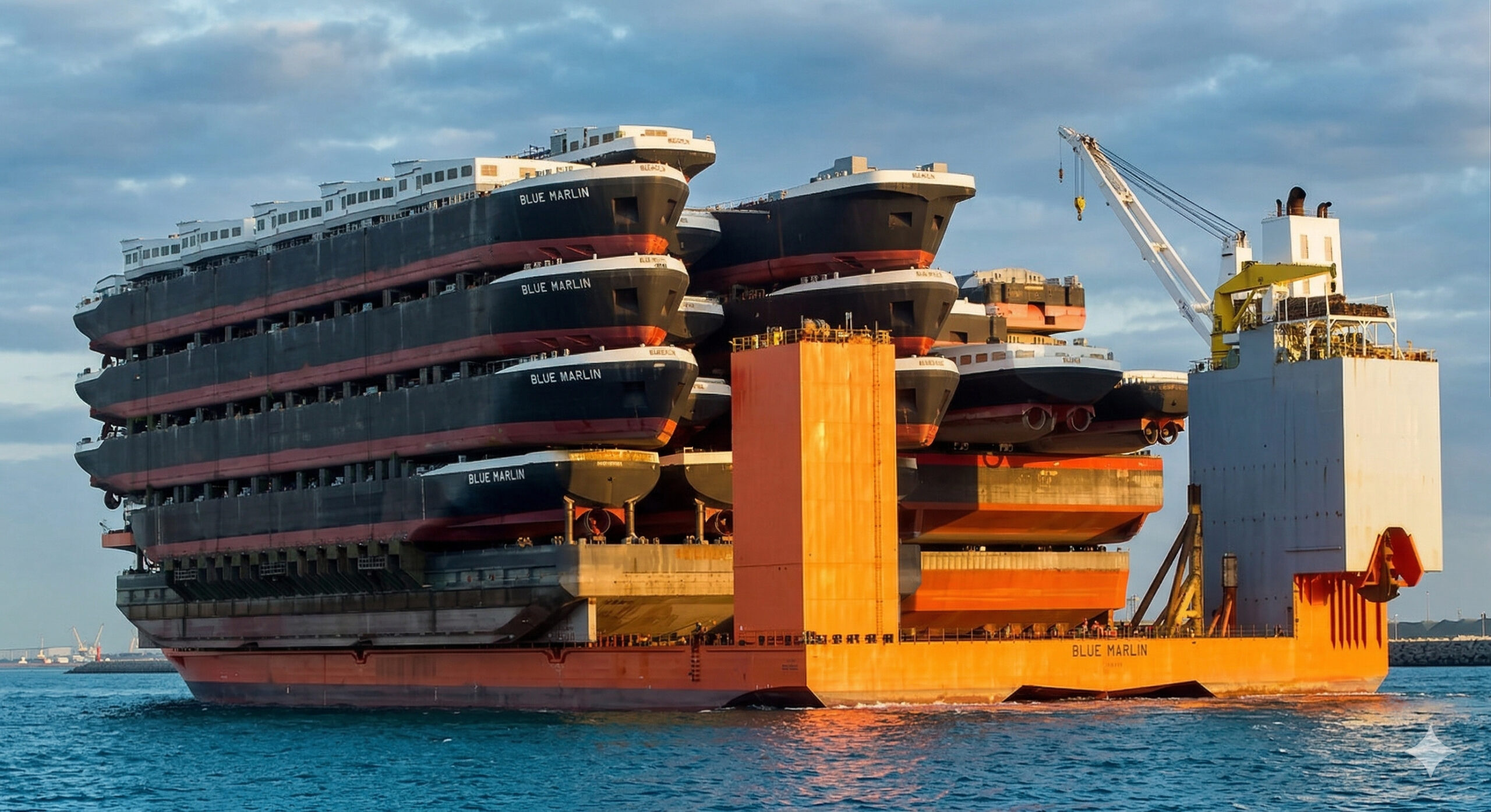
With a length of 225 meters and a capacity of 76 thousand tons, this ship “sinks” its own deck down to 28 meters deep to accommodate war destroyers, oil platforms, and giant radars floating above, and then emerges with everything intact on top like a colossal tray crossing oceans.
Used for transporting troops, vehicles, helicopters, equipment, ammunition, and supplies directly to operational areas, the second largest ship in the Brazilian Navy is designed for high intensity operations.
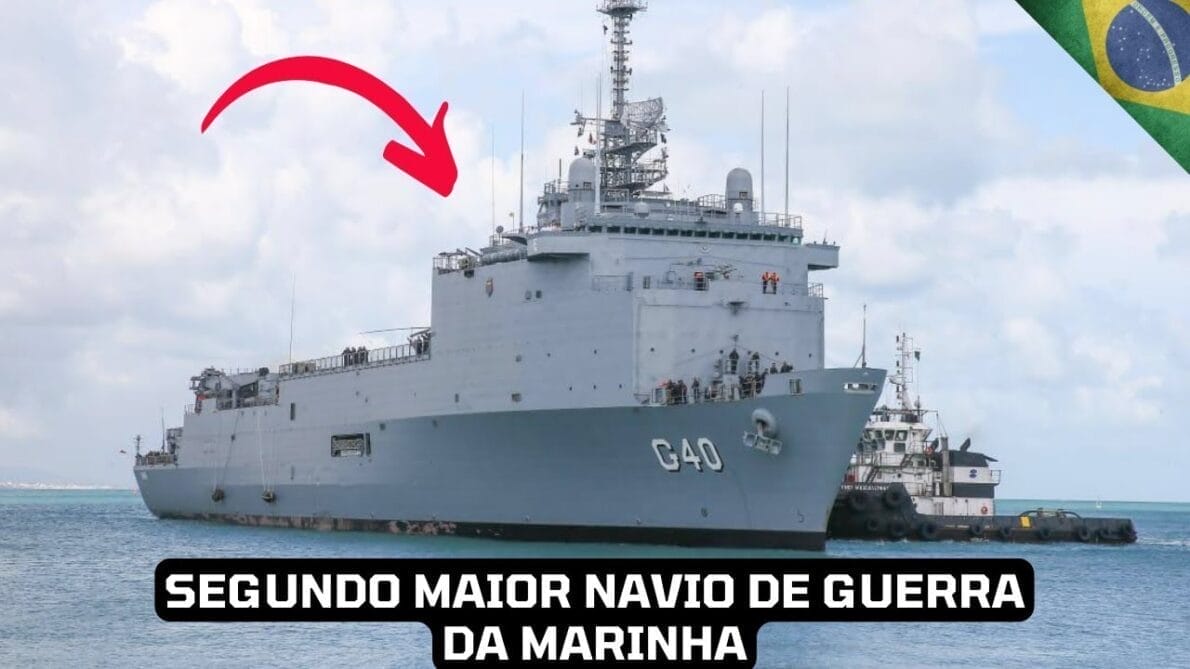
However, it is also suitable for lower intensity missions, such as humanitarian efforts and disaster relief. In addition, it has the capacity to load and unload cargo by both sea and air and to operate with landing craft in open water.
NDM G-40 Bahia Can Transport A Crew Of 224 Sailors
The second largest ship in the Brazilian Navy has a length of 168 meters, a width of 23.5 m, a draft of 5.2 m, and a displacement of 11,300 tons (standard and/or 12 tons (full load). Its propulsion is powered by 2 SEMT Pielstick 16 PC 2.5 V400 diesel engines, allowing it to reach a maximum speed of 21 knots and a standard speed of 15 knots.
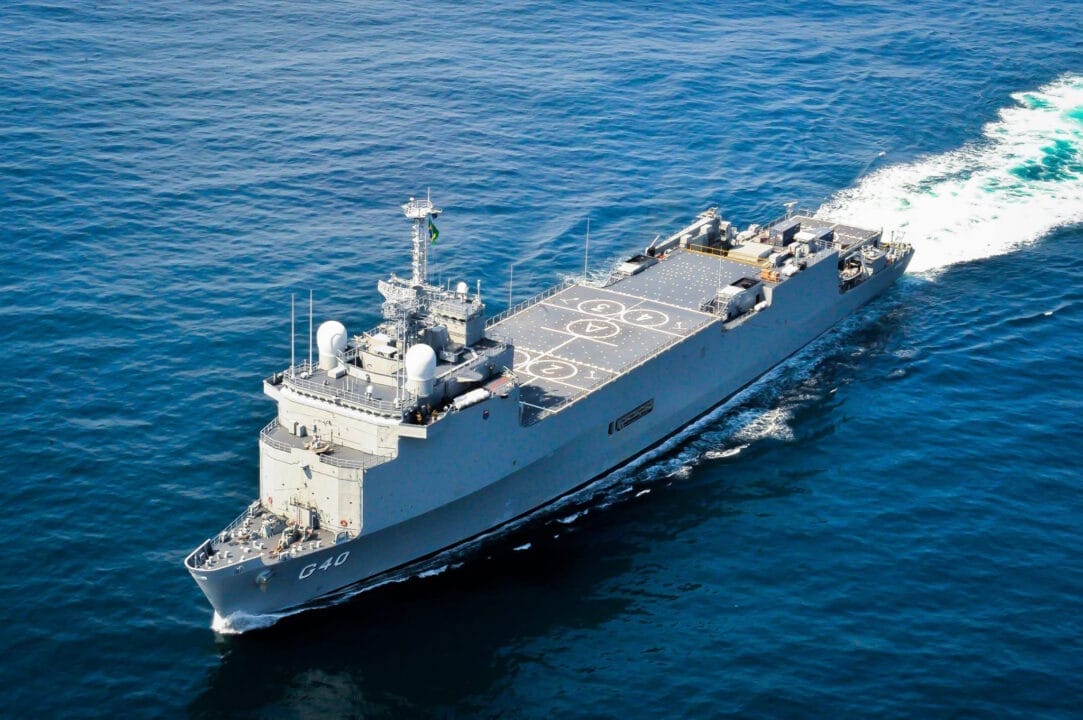
Its range is 20,300 km at 15 knots (28 km/h). In addition, the G-40 Bahia can accommodate a crew of up to 224 sailors, with the capacity to transport up to 450 marines.
Its armament consists of 3 Simbad/3 30 mm Breda-Mauser/4 12.7 mm M2-HB Browning. With a dock of 1,732 m², it has a hangar with capacity for up to three medium-sized helicopters, such as the MH-16 and UH-15.
G-40 Bahia Is Smaller Than The Sunken Aircraft Carrier São Paulo
Exploring the G-40 Bahia can be an exhausting task due to its colossal size and the presence of multiple decks. Interestingly, there is a small elevator intended solely for the commander’s use, which extends only from the fourth to the seventh deck.
Most of the time is spent climbing up and down stairs and navigating a maze of corridors. Intriguingly, these corridors are adorned with plaques reminiscent of the streets of Marseille, the French city historically connected to the ship, adding a touch of charm and history to its internal architecture.
Until then, the most important ship in the Navy was the aircraft carrier São Paulo, also French, formerly known as Foch. It fulfilled its mission of having the Navy operate fixed-wing aircraft again, something that had been discontinued in the 1960s, and is now decommissioned.
The G-40 Bahia is smaller, with half the displacement, but it is more versatile. It was transferred to the Brazilian Navy in December 2015, in Toulon, a city in France.
The French recently built a newer class of this type of “intervention and projection” helicopter carrier ship, the Mistral. Thus, the Siroco was available and was put up for sale.





-

-

2 pessoas reagiram a isso.