






 Portuguese
  Spanish
  2 min of reading
  0 comments


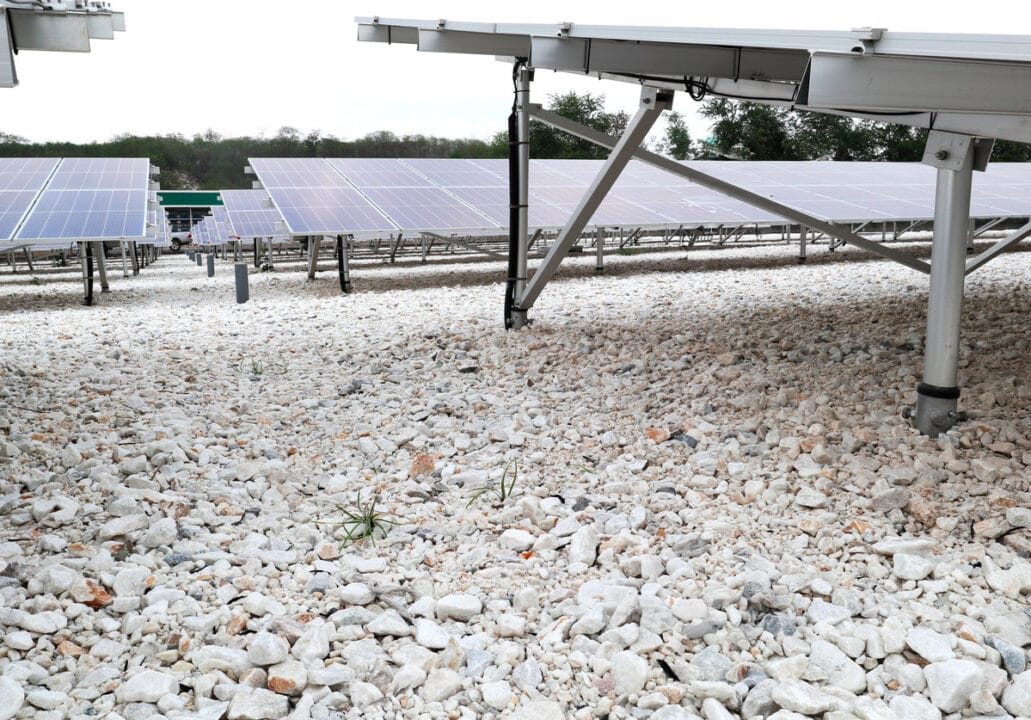
Innovative Technology Protects Against Corrosion, Boosting Energy Efficiency in Brazil
As Brazil stands out on the global stage as a leader in solar energy, the search for effective methods to prolong the lifespan of plant equipment has become a priority. Cold galvanizing emerges as a cutting-edge solution, offering a shield against corrosion, essential for maintaining the high productivity of solar installations. According to the Ministry of Mines and Energy, the country already has over 18,000 solar plants, which together produce 10.3 gigawatts annually, showcasing the immense potential of this renewable source.
The Battle Against Corrosion
Marcos Pacheco, a chemist at Quimatic, a manufacturer of specialty chemicals, emphasizes that cold galvanizing not only protects the metallic structures of photovoltaic plants against corrosion but also integrates into the metal, creating an impenetrable barrier against rust. This technology stands out compared to conventional methods, such as painting or using red lead, as it offers more durable and reliable protection.
Efficiency and Practicality
The equipment in solar plants, often exposed to adverse conditions, receives hot galvanizing from the factory. However, maintenance and interventions, such as cutting and welding, can compromise this initial protection. Cold galvanizing, easily applicable with a brush or spray gun, proves to be a practical solution for reinforcements or repairs, eliminating the need for disassembly or transportation of parts.
-
System created to save lives in disasters turned ‘against’ Brazilians overnight: a hacker attack sent out a false alert from Civil Defense with the word “misantropia” that went off on the phones of half the country, even in silent mode, and took down the Cell Broadcast.

-
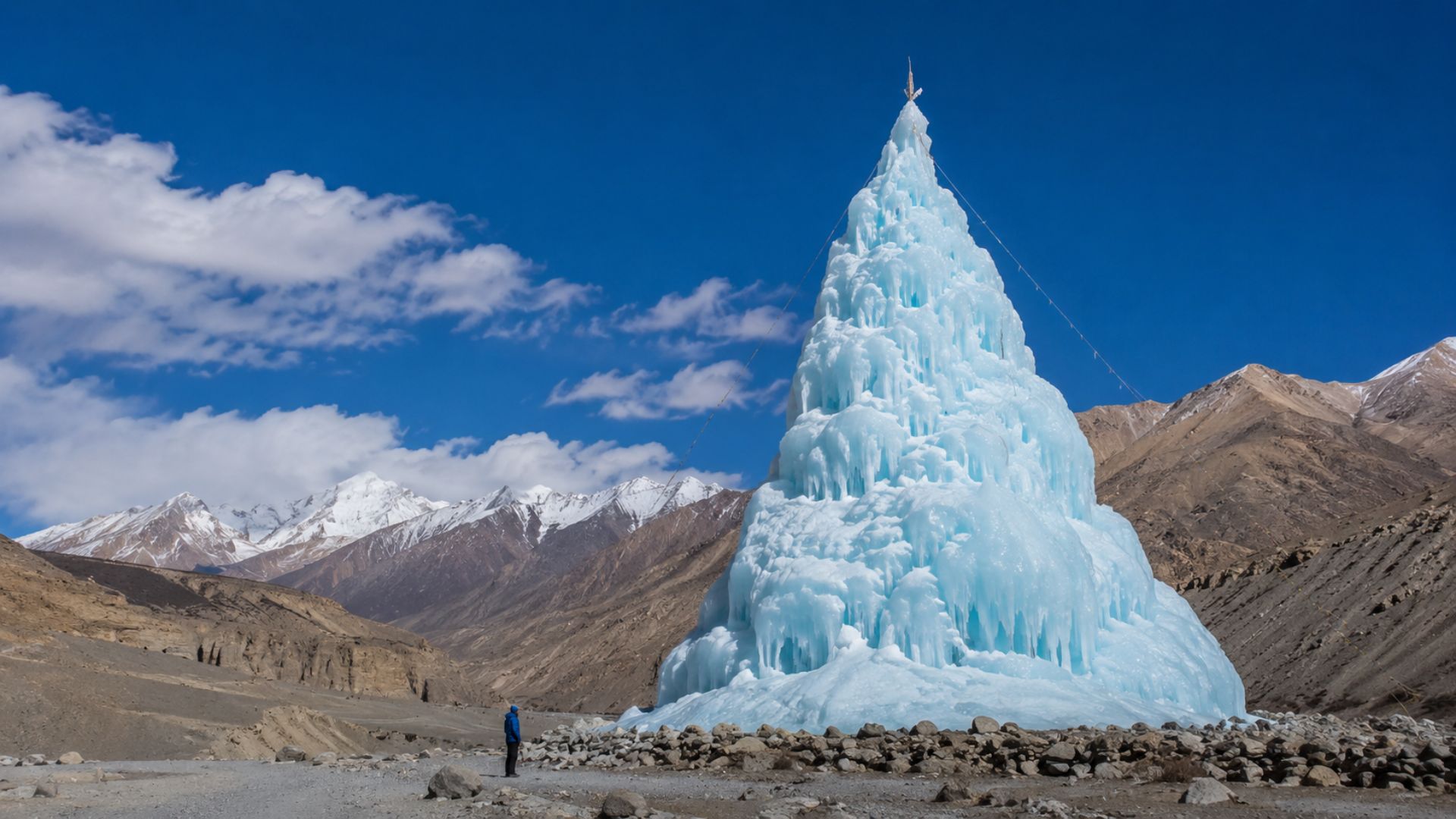
In the cold desert of Ladakh, where it hardly rains, engineer Sonam Wangchuk created the ice stupa, a tower that freezes winter water and stores it for irrigating crops in the spring, a simple engineering feat that mimics nature.
-
For the first time in history, solar and wind energy generated more electricity than natural gas worldwide in a single month, April 2026, a milestone in the energy transition that shows renewable sources taking the lead in the global electric system.
-
The Amaterasu particle, a cosmic ray with energy millions of times greater than that of the world’s largest accelerator, hit the Earth coming from the Local Void, a region of space that is practically empty where, in theory, there should be nothing capable of creating it.



Pioneering and Innovation at Quimatic
Quimatic, a pioneer in introducing cold galvanizing in Brazil in the 1990s, offers two main solutions: CRZ, in dark gray, and GALVALUM, with an aluminized finish. Both options form a zinc layer that not only prevents direct contact of the metal with corrosive agents but also provides cathodic protection, where the zinc sacrifices itself before the base metal. This strategy ensures the integrity of the metal, even in the event of damage to the zinc layer.
Proven and Accessible Protection
With zinc of 99.9% purity, Quimatic’s solutions meet the stringent ASTM A 780 and ABNT 6323 standards. In corrosion resistance tests, these products demonstrated effectiveness exceeding 1,200 hours in salt spray chambers, equivalent to over five years of protection in extreme conditions. “Cold galvanizing allows solar energy plants in Brazil to significantly extend the lifespan of their equipment, keeping pace with the rapid growth of the sector,” says Pacheco.
Quimatic also offers a comprehensive online course on cold galvanizing, providing the knowledge and skills necessary to apply this technology effectively. This innovation represents a milestone in the maintenance and sustainability of solar plants, ensuring that Brazil continues to be at the forefront of clean and renewable energy production.
Source: Edson Barros – Diálogo Press Advisory.





Be the first to react!