





 Portuguese
  English
  Spanish
  3 min of reading
  0 comments


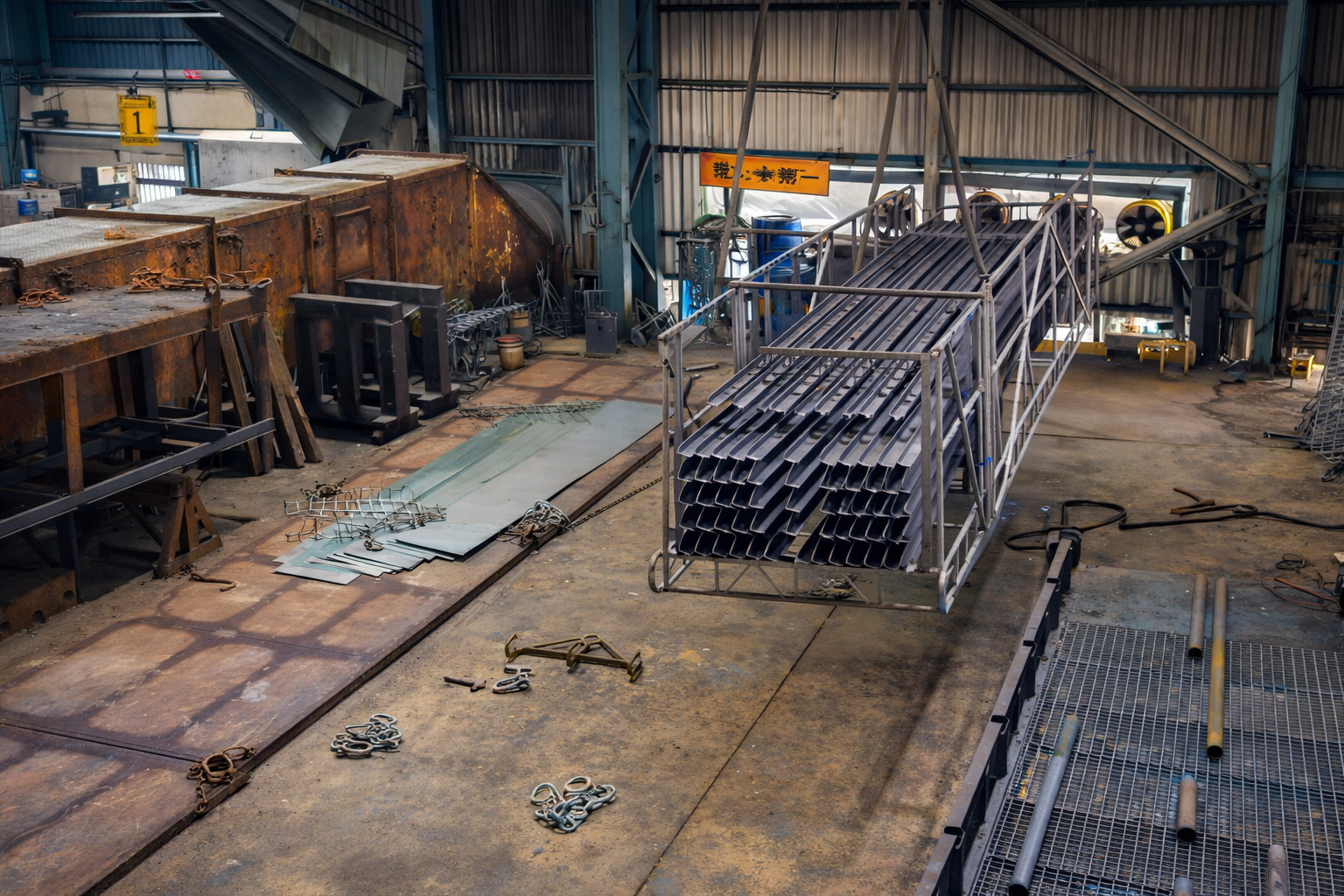
Understand how the galvanized steel process in Japan guarantees durability for decades and high corrosion resistance in metal structures
The galvanized steel in Japan draws attention for its ability to resist corrosion for decades, even in extreme conditions. The industrial process combines chemical steps, strict control, and detailed finishing to ensure a highly durable material.
This technology has a direct impact on the safety of bridges, buildings, and large structures, especially in a country with high seismic activity. The production involves several phases that enhance the metal’s protection against rust and wear.
The investigation was published by Manuscrito Oculto, a YouTube channel that shares videos, showcasing all the steps of the industrial process.
-
The presenter who marked generations on Brazilian TV passed away at the age of 60, but left a legacy of R$ 1.4 billion, a mansion in Orlando, and a wealth that crosses borders and businesses.

-
Long before we imagined: the first humans were already doing heavy mining in South Africa over 200,000 years ago!
-
Few people know, but the most used pencil in the world is manufactured using extreme heat, the extraction of graphite from deposits millions of years old, a mixture of clay and water, followed by extrusion under nearly 10 tons of pressure and drying in an oven at 120 degrees.
-
European country ‘darling of Brazilians’ will need 1.3 million workers by 2030 to avoid collapse, and immigration has become the only way to save the economy.

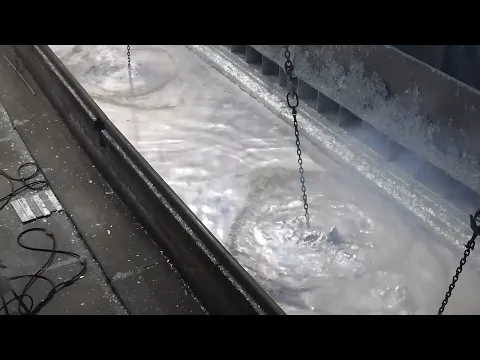

Steel preparation begins with chemical cleaning and complete rust removal
The process begins with I-beams, often already rusted. These pieces undergo a deep cleaning treatment, essential to ensure zinc adhesion.
The first step is degreasing, which removes oil and dirt. Next, acid pickling occurs, where the steel is immersed in a chemical solution to eliminate rust.
This procedure can take 40 minutes to 1 hour, depending on the level of impurity. After that, the material is washed with hot water and receives a bath of ammonium chloride, which helps prevent new oxidation.
Zinc bath at 450 degrees creates a highly resistant protective layer
The central step of the process is galvanization. Thus, the beams are immersed in molten zinc at about 450 degrees, forming a protective layer over the metal.
This chemical reaction creates a barrier against corrosion. During the process, intense white smoke is released, requiring workers to use protective equipment.
The surface of the zinc needs constant cleaning, as contact with air generates oxidation. Removing the steel from the bath requires precision, as speed directly influences the quality of the finish.
Manual control and experience ensure coating uniformity
Human control is essential at all stages. The removal of the steel from the zinc must happen at the right time to avoid coating failures.
After galvanization, the beams undergo cooling in water at about 60 degrees, a step that helps solidify the material and prevents deformation.
The process requires the workers’ skill to ensure a uniform layer without imperfections, increasing the steel’s durability.
The same detailed procedure was shown by YouTube, a video-sharing platform, reinforcing the importance of manual control in the final result.
Acrylic resin layer reinforces protection against moisture and rust
After cooling, the steel receives an additional treatment. The beams are then immersed in acrylic resin, creating extra protection against moisture.
This step further increases the material’s resistance, forming an additional barrier against external agents that cause corrosion.
The result is steel prepared to face severe weather conditions and long periods of use without deterioration.
Rigorous inspection identifies failures and guarantees perfect finish
The final quality depends on a detailed inspection. Teams of seven to eight workers analyze each beam for coating failures.
Points with imperfections are corrected manually. The process includes sanding and painting to ensure total protection.
This rigorous control ensures that the final product meets demanding standards, especially for use in critical structures.
Galvanized steel in Japan stands out for durability and structural safety
The result of this process is a material capable of lasting decades without rusting. The combination of chemical treatment, galvanization, and detailed finishing ensures high resistance.
This technology is, therefore, essential for Japanese infrastructure, where safety is a priority due to the frequency of earthquakes.
The galvanized steel produced in the country has become a global reference in quality, resistance, and reliability.
If you found this content interesting, leave your comment and share it with others who want to understand how the steel industry works.








Seja o primeiro a reagir!