





 Portuguese
  English
  Spanish
  4 min of reading
  0 comments


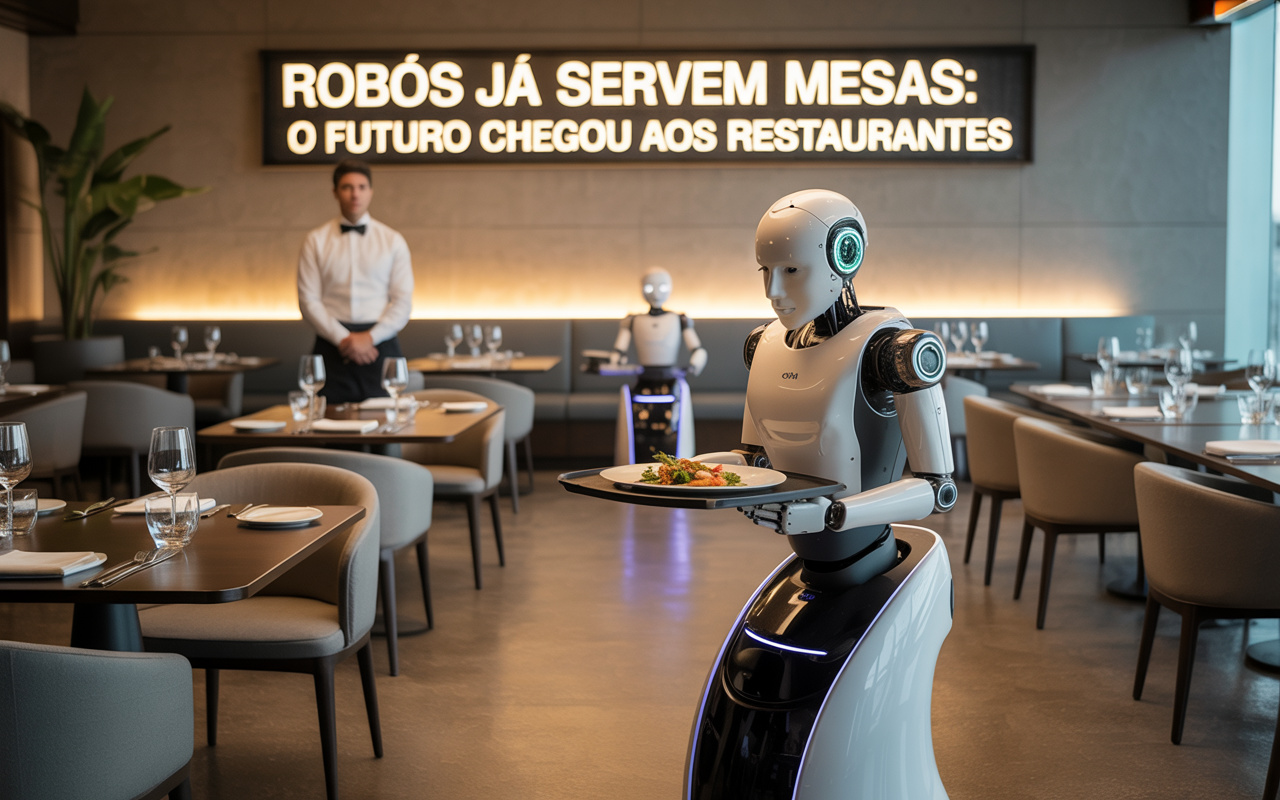
Autonomous Robots Already Serve Tables and Collect Plates in Restaurants in Asia and the USA. Understand How This Automation Revolution Is Approaching Brazil.
Autonomous service robots are leaving laboratories and making their way into restaurants in Asia, Europe, and North America. Manufactured by companies like Pudu Robotics, Bear Robotics, and Keenon Robotics, these devices are already operating in over 60 countries, transporting dishes, collecting trays, and interacting with customers through sensors, cameras, and artificial intelligence. Although there are currently no confirmed cases of commercial use in Brazil, the advancement of technology is already catching the attention of the national hospitality sector, which faces challenges with labor costs and a shortage of professionals.
The Global Advancement of “Robot Waiters”
According to BBC News and Reuters, countries like China, Japan, South Korea, the United States, and the United Arab Emirates already use autonomous robots in restaurants and fast food chains.
The most well-known model is the BellaBot, created by Pudu Robotics, which uses LIDAR navigation sensors, 3D cameras, and mapping algorithms similar to those in autonomous vehicles.
-
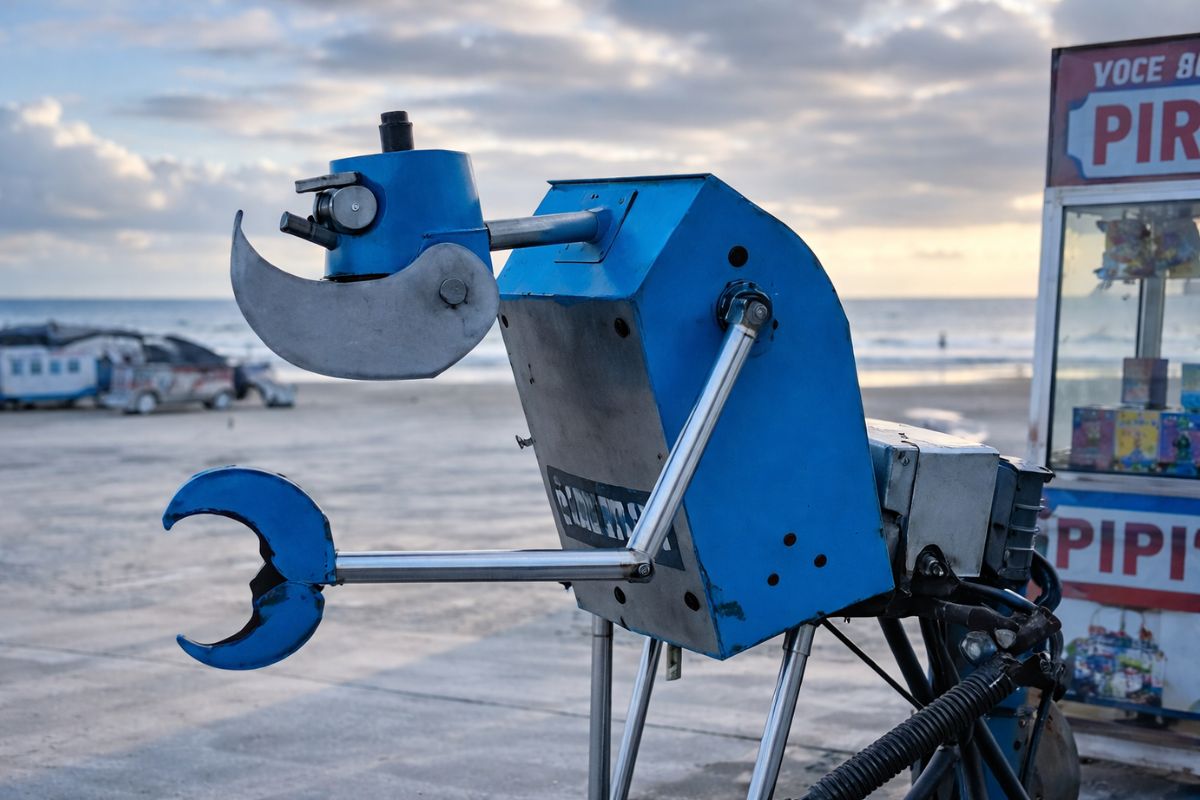
A street vendor from Praia Grande built a robot made of scrap from scooters and washing machines that pulls his popcorn cart on the beach, emits sounds, and interacts with customers, becoming an attraction on the coast of São Paulo.
-
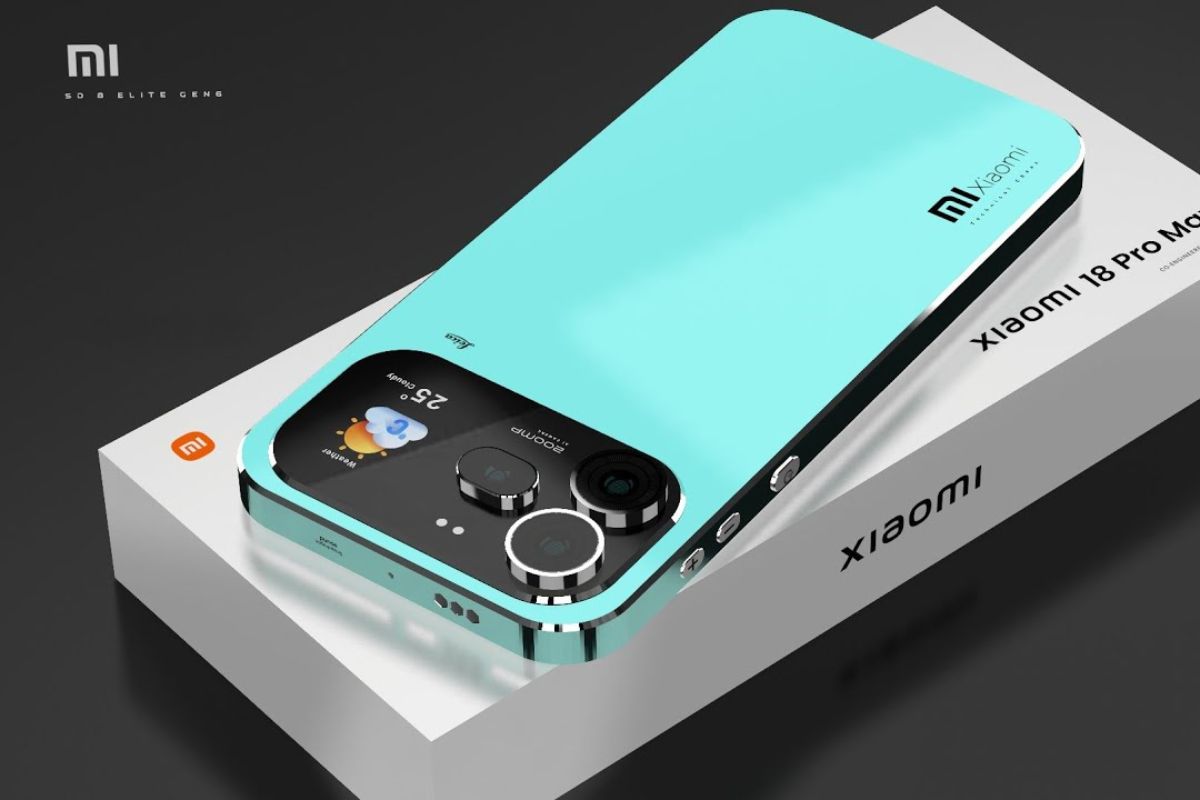
The specifications of the Xiaomi 18 Pro Max have been leaked, and the highlight is a dual 200 MP camera with a new 22-nanometer technology that promises to consume less energy and capture details in shadows and bright areas using LOFIC HDR.
-
If the trip to the Moon were a hoax, it would be necessary to keep the secret among 400,000 people for more than 50 years and to deceive even the Soviet Union, which was tracking the radio signals coming from the exact direction of the satellite during each Apollo mission.

-
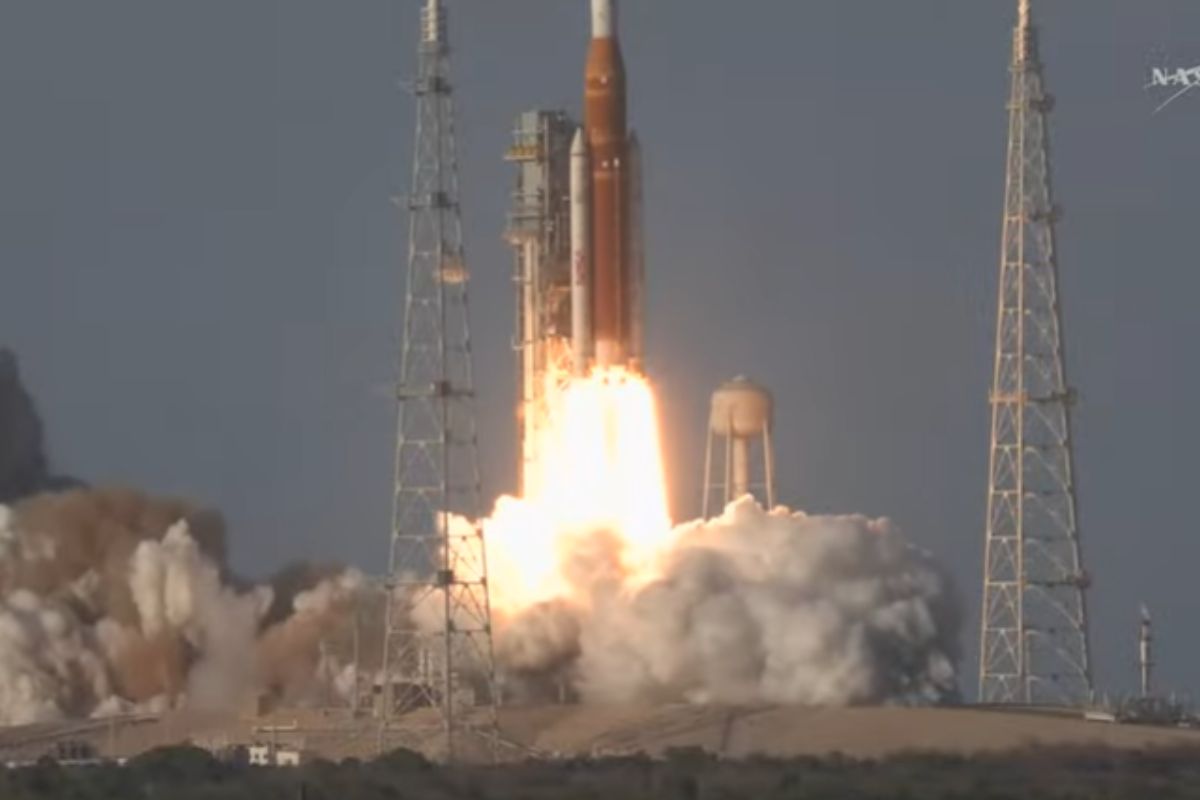
Artemis 2 launches at 7:35 PM with four astronauts and ends a 50-year fast in lunar orbit: the SLS rocket departs from Florida, the mission lasts 10 days, circles the far side, and tests Orion in a free-return trajectory.
It can operate for up to 8 continuous hours on a single battery charge, avoiding obstacles and returning to its base automatically.
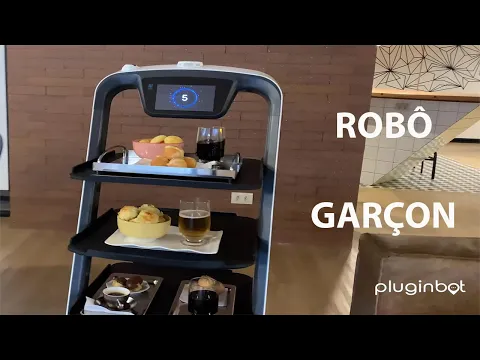

In China, the use of these robots exploded after the pandemic, when restaurants began seeking alternatives for contactless service.
In Seoul, a local chain of diners automated 70% of their service, and in Tokyo, cafes with robots remotely controlled by people with physical disabilities have become a symbol of inclusion.
In the United States, major chains like Chili’s and Denny’s are testing robots as wait assistant, responsible for carrying heavy orders and reducing wait times at tables.
A Silent Revolution in the Hospitality Industry
According to a 2024 report from Allied Market Research, the global market for service robotics is expected to reach US$ 216 billion by 2030, driven by restaurants, hotels, and hospitals.
These robots typically cost between US$ 10,000 and US$ 20,000, have full autonomy, and can carry up to 40 kg of food on stacked trays.
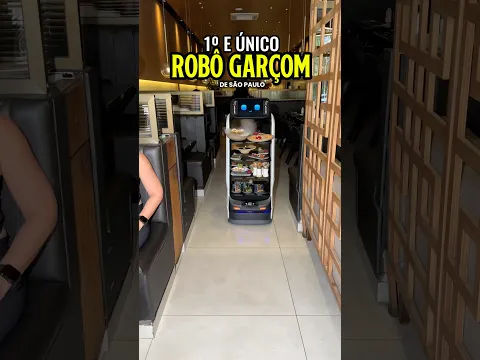
Keenon Robotics, one of Pudu’s main competitors, claims that over 50,000 units of its robots are in operation worldwide.
The latest equipment features simultaneous localization and mapping (SLAM), wireless communication with other robots, and customizable voice commands. Additionally, some models use screens with animated facial expressions to make interactions more enjoyable.
The Impact on the Workforce
The advancement of robots in restaurants sparks a global debate about the future of work.
According to the report “The Future of Jobs 2025” from the World Economic Forum, up to 85 million operational jobs are expected to be fully or partially automated in the next decade, with the food sector among the most affected. However, experts emphasize that automation tends to replace tasks, not people.
In most cases, robots are used as assistants—carrying heavy plates, collecting dishes, or delivering orders—while human waiters focus on service, personalization, and hospitality.
“They do not replace empathy, but optimize operations,” explains Felix Zhang – Founder and CEO of Pudu Robotics, to Reuters.
Brazil Is Observing but Has Not Yet Adopted
So far, there are no official records of robot waiters in continuous use in Brazilian restaurants, according to data from the Brazilian Association of Bars and Restaurants (Abrasel).
Industry entrepreneurs assess that, despite the growing interest, the high cost of importation and maintenance remains a barrier, especially for small and medium establishments.
However, national technology companies are already studying partnerships to bring the first test models, especially for airports, hotels, and fast food chains.
Experts predict that the commercial use of these robots in Brazil will begin by 2026, in high-traffic environments where the investment can be justified.
The trend of automation in gastronomy is considered irreversible. Asian countries are entering a new phase, with robots capable of cooking simple dishes and even frying food. Meanwhile, Pudu Robotics, in an official statement, revealed that it is testing a model with articulated arms and advanced computer vision, capable of opening doors and serving drinks with millimeter precision.
At the current pace of innovation, the “robotic waiter” is expected to transition from a futuristic curiosity to becoming, soon, a part of daily life in restaurants worldwide.





-

-

-

-

-

16 pessoas reagiram a isso.