Portuguese
  Spanish


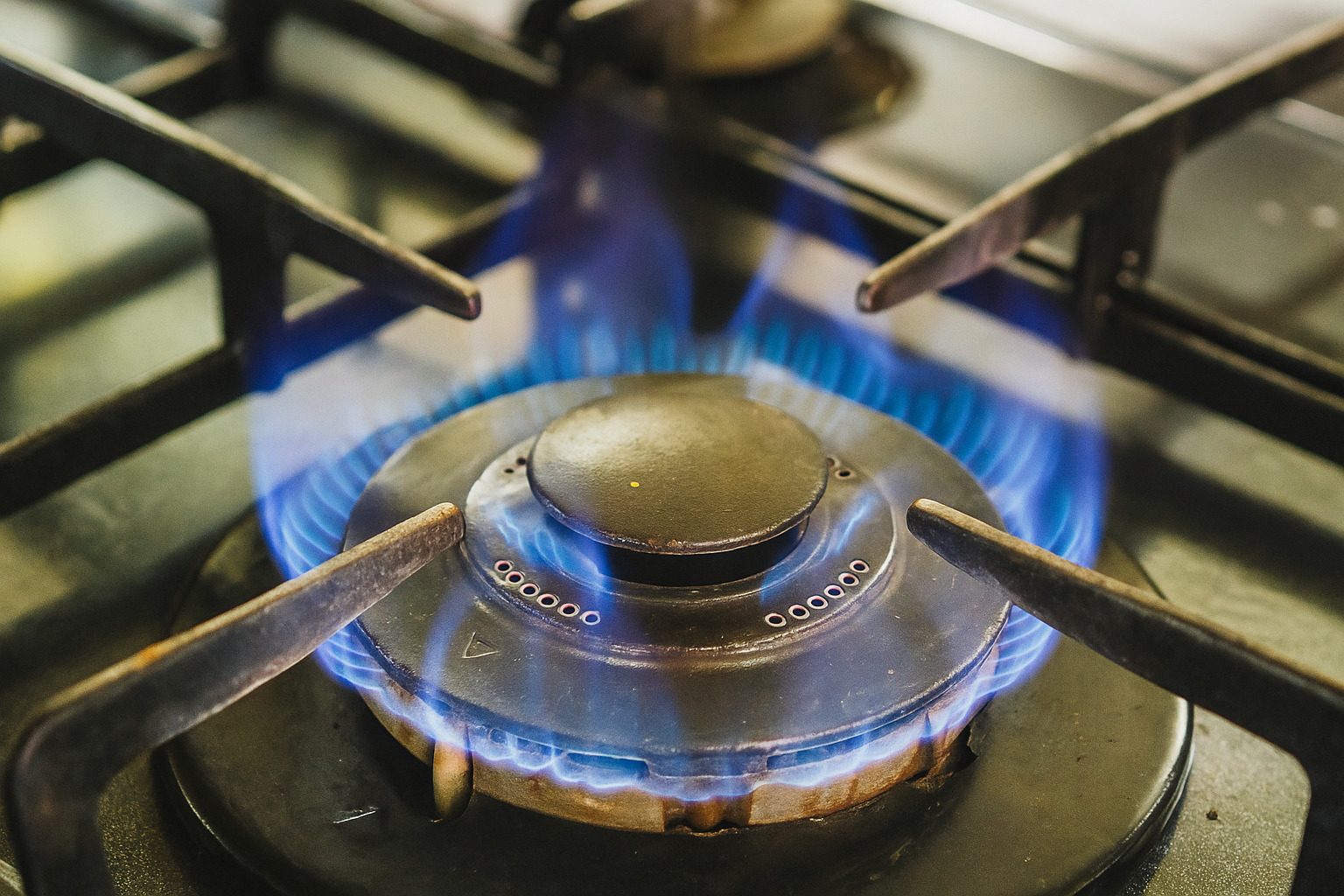

Discover How The People’s Gas and the Energy Transition Promote Social Inclusion, Combat Energy Poverty, and Provide Access to Clean Cooking in Brazil.
The debate about energy transition in Brazil has gained momentum in recent decades, but it has not always been central to public policies. For much of the country’s history, governments prioritized energy as a driver of industrial and urban development.
However, they often did not fully consider accessibility for the poorest families. In this context, the People’s Gas program emerges as a project that combines two objectives: stimulating the energy transition and ensuring social equity.
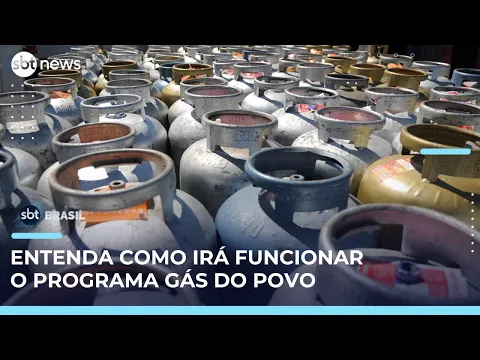
The program, launched in September 2024 in the Aglomerado da Serra, in Belo Horizonte, replaces the old Gas Aid with a broader and more targeted benefit. Thus, it ensures that low-income families have access to cooking gas through 13 kg cylinders.
-
Oil production grows in Rio, but reserve replacement raises a warning sign

-
Petrobras is expected to complete the drilling of the Morpho well in the Foz do Amazonas in August 2026, the first well in the Equatorial Margin, an oil frontier that the ANP estimates at more than 30 billion barrels and could redraw the map of Brazil.

-
Oil returns to the center of concerns with tension between the US and Iran

-
IEA reduces forecast for global oil demand in 2026 after impacts of the Middle East crisis


In this way, the government expects to reach more than 15 million families and reduce an old problem: energy poverty.
This phenomenon affects millions of people worldwide and is linked to the lack of access to modern and safe energy sources. In Brazil, data from IBGE indicate that about 13 million families still cook with firewood, charcoal, or alcohol.
Therefore, this number represents 23% of households, or approximately 50 million Brazilians, which is nearly the entire population of Spain. Thus, the data shows how the problem spans generations and demands urgent solutions.
People’s Gas as an Inclusion Policy
When we talk about energy transition, the debate often focuses on renewable sources such as solar, wind, and biomethane. These technologies are essential for reducing emissions.
However, they do not alone solve the social issue. After all, cooking is a basic necessity, and the right to a clean kitchen is directly connected to the right to dignity.
In this sense, the People’s Gas aligns with the UN Sustainable Development Goals, especially SDG 7, which aims to ensure clean and accessible energy for all.
Throughout history, LP gas has played a central role in the lives of Brazilian families. Since the 1950s, when the famous blue cylinder became popular, cooking gas facilitated the first energy transition in the country.
Before that, a large part of the population depended on firewood as their primary fuel. As a result, the use of firewood caused health problems due to smoke, as well as risks of fires and environmental impacts from deforestation.
Thus, the arrival of LP gas brought immense gains in safety, public health, and quality of life.
This same reasoning remains valid today. Although solar energy and other renewable sources are essential for the future, gas remains vital as a transition energy source.
It offers safety, reliability, and accessibility and already has a consolidated distribution infrastructure. In addition, companies like Ultragaz, which have supplied millions of households for over 88 years, illustrate how the sector has structured itself to provide quality services.
The People’s Gas also expresses a broader concept: energy justice. This concept goes beyond the simple provision of energy and ensures equal opportunities for access to dignity.
Just as electrification brought light to homes in the 20th century, universal access to LP gas marks a citizenship advance in the 21st century.
Investments and Regulatory Stability
Ultragaz has invested nearly R$ 2 billion in recent years to modernize its infrastructure and ensure the reliability of the cylinder park.
Therefore, this type of investment only occurs in environments with regulatory security. Thus, any changes to industry regulations require careful debate to avoid jeopardizing decades of progress.
The National Agency of Petroleum, Natural Gas and Biofuels (ANP) is currently reviewing the regulation of the sector. Among the proposals under discussion are the end of branding on cylinders and the allowance for remote or fractional filling in industrial areas.
Although touted as measures of flexibility, experts warn that they may pose serious risks. In this sense, the main concerns include the increased cost of distribution, the difficulty of oversight, and the potential for organized crime practices.
International experiences reinforce this concern. Countries in Latin America and Africa that excessively relaxed regulations have faced an increase in domestic accidents, especially in vulnerable regions.
Thus, this reality shows that regulation must prioritize safety, quality, and consumer protection.
The Brazilian model has already gained international recognition. For this reason, the country is seen as a reference in safety in the LP gas sector, and maintaining this standard is essential to attract new investments and consolidate gas as part of the just energy transition.
People’s Gas and the Energy Transition as a Social Path
For The People’s Gas and the energy transition to walk together, public policies and regulatory decisions need to align with social interest.
In this way, the dialogue between government, regulatory agencies, companies, and civil entities must be transparent and consensus-oriented. Therefore, the central goal must be the same: to expand access to energy safely and inclusively.
The social impact of the People’s Gas can transform the lives of millions of Brazilians. After all, ensuring access to LP gas means much more than household savings.
It is also about public health. The use of firewood and charcoal increases respiratory diseases, especially in women and children.
Thus, when gas replaces these fuels, exposure to harmful pollutants decreases drastically and health indicators improve.
The policy also promotes gender equity. In many low-income families, women take on the responsibility for meal preparation.
In this scenario, access to a clean and safe kitchen reduces the time spent on heavy tasks like gathering firewood. Furthermore, it opens space for educational, professional, and leisure activities.
This social aspect, often overlooked in the energy debate, reinforces the inclusive nature of the policy.
The environmental impact also deserves emphasis. After all, replacing firewood and charcoal with gas reduces deforestation and pollution, strengthening Brazil’s role in combating climate change.
In this way, it becomes clear that social equity and environmental preservation can go hand in hand.
Energy, Citizenship, and Sustainable Future
Brazil is experiencing a decisive moment in its energy trajectory. On one hand, the country needs to advance in integrating renewable sources to reduce emissions.
On the other hand, it faces the social challenge of ensuring clean and accessible energy for all. Thus, The People’s Gas, by prioritizing vulnerable families, shows how these two agendas complement each other.
The energy transition will not succeed if it is not inclusive. After all, each energy source holds a specific place on the path towards a sustainable future.
The LP gas may not represent the final solution, but it serves as a link between an unequal present and a renewable future.
Social equity must be at the center of the discussion. In this sense, the right to cooking gas is not limited to consumption but involves citizenship.
Energy needs to be treated as an essential good, just like health, housing, and education.
Therefore, by valuing policies like The People’s Gas and by maintaining the safety of the sector, Brazil takes an important step towards ensuring that the energy transition is not only technological but also profoundly human.