





 Portuguese
  English
  Spanish
  3 min of reading


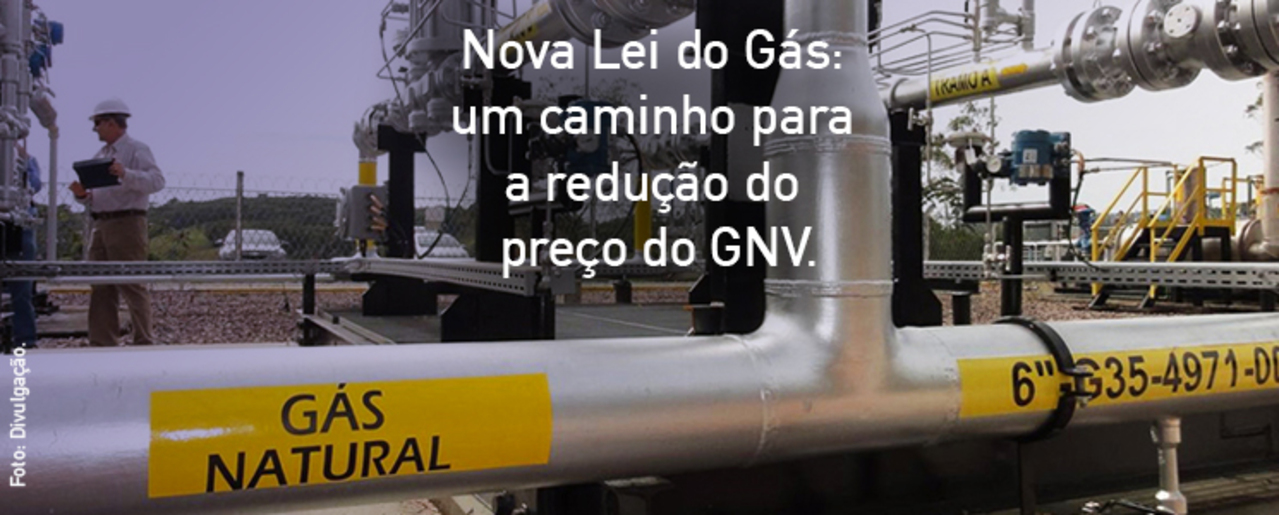
With the Approval of the Gas Law, a New Natural Gas Market May Emerge, Further Boosting the Brazilian Market
On September 1, 2020, the Brazilian Chamber of Deputies approved the text of the New Gas Law after 7 years of debates among the government, institutions, natural gas market players, and society. To understand the relevance of this long-awaited legal change and its potential impacts on the Brazilian gas landscape in the coming years, it’s important to take a quick look at the history that brought Brazil to this point.
Read Also
The current Gas Law (Federal Law No. 11,909) was enacted in 2009, but it was not sufficient to stimulate a more competitive market opening process, mainly due to Petrobras continuing to exercise its dominant position across the entire gas value chain. The first amendment to the current Gas Law was proposed in 2013 through Bill No. 6,407, and its review gained strong support in 2016 when the Brazilian Federal Government launched the Gas for Growth Initiative.
Divestment by Petrobras
The Gas for Growth Initiative aimed to reform the regulatory framework of Brazilian gas to promote the market opening process, as Petrobras decided to divest its midstream gas assets. In 2019, after the presidential elections, the Brazilian Government developed the New Gas Market Program, which continued the same objectives and principles of the former Gas for Growth Initiative, to create a competitive and unbundled gas market in Brazil.
-
Brazilian giant expands borders in the Southeast: Petrobras confirms new oil discovery in ultra-deep waters in the pre-salt of the Campos Basin.

-
Alert in the global energy market: Severe tropical cyclone hits the coast and disrupts gas production at major plants in Australia, threatening global supply.

-
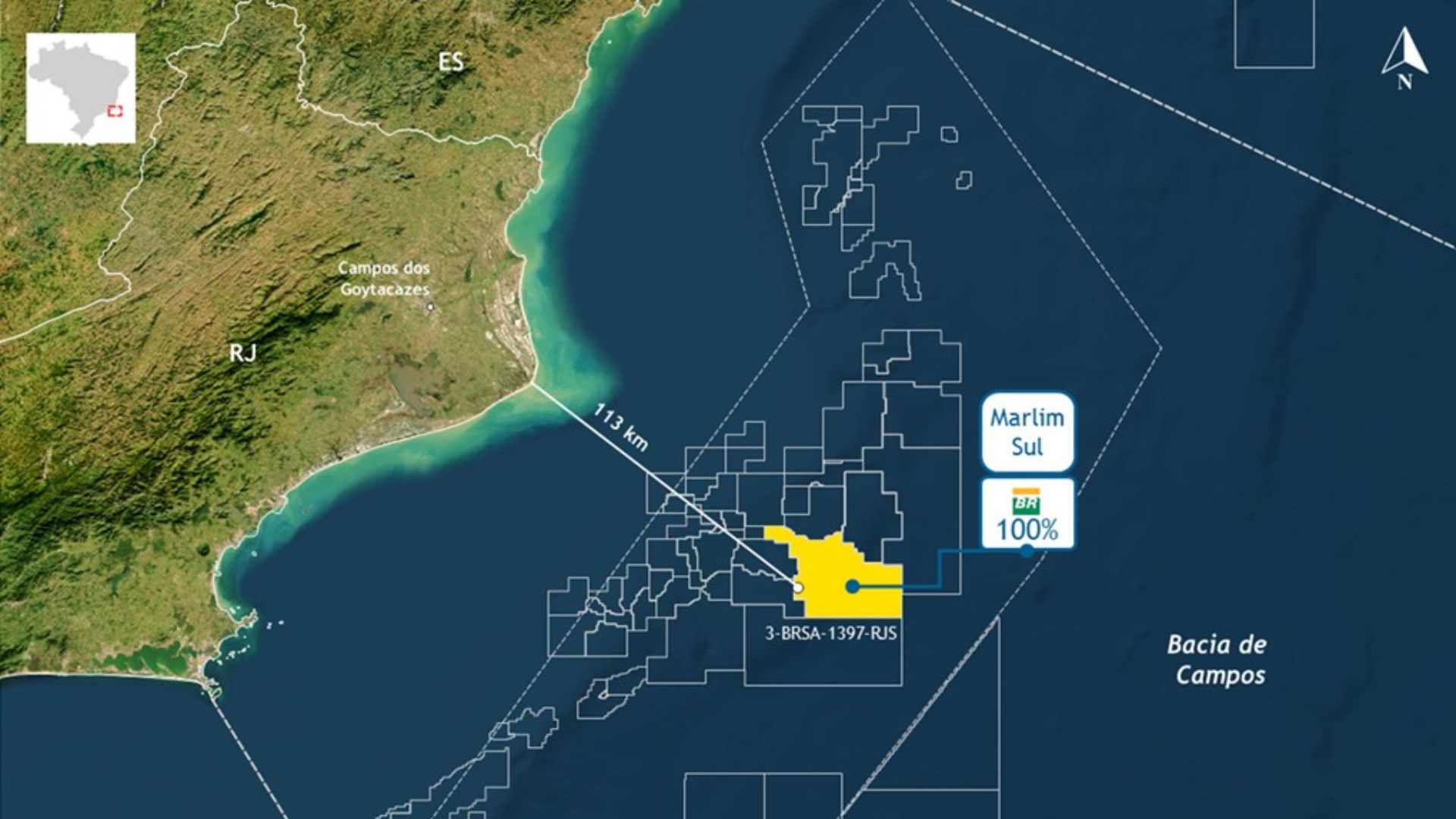
Petrobras finds high-quality oil in the pre-salt at 113 km from RJ and reignites expectations about strategic reserves in the Campos Basin.

-
Ocyan opens registrations for startups focused on innovation in the oil and gas sector and will select projects for Innovation Day with the support of Nexio.


It was created by the National Energy Council (CNPE), a committee to promote competition in the natural gas market, composed of the National Agency of Petroleum, Natural Gas, and Biofuels (ANP), Energy Research Company (EPE), Antitrust Authority (CADE), and the Ministry of Mines and Energy (MME). Together, these entities have played a significant role in defining the foundations and guidelines for the New Brazilian Gas Market.
Main Changes in the Current Regulatory Framework for Brazilian Natural Gas
- Authorization for Transport and Storage of Gas – Implementation of the authorization regime for gas transport and storage, preserving existing authorizations to promote investment and development of new facilities;
- Entry-Exit Transport Model – Replacement of the point-to-point transport model currently executed by Transporters with the entry-exit model, based on the injection and withdrawal capacities of the transport network;
- Third-Party Access to Essential Facilities – Granting of non-discriminatory and negotiated access for third parties to essential natural gas facilities (evacuation pipelines, processing facilities, and LNG terminals) to optimize the use of the capacity of these facilities; and
- Gas Unbundling/Deconsolidation – Promotion of gas unbundling, limiting self-negotiation and corporate governance unbundling in the transport segment to create a competitive scenario with multiple participants in gas supply with equal access to transport facilities, consequently increasing supply, reducing prices, and increasing demand.
The Bill is currently under review in the Federal Senate, where it has been renumbered as Bill No. 4,476 / 2020.
The expectation is that the New Gas Law will be approved by the Senate in November and signed by the president this year. The New Gas Law will provide legal certainty for the development of a more competitive gas market in Brazil and is expected to attract new investments in all activities of the natural gas value chain.









Seja o primeiro a reagir!