





 Portuguese
  English
  Spanish
  3 min of reading


First Gas Pipeline That Would Make Brazil Self-Sufficient in Natural Gas Production Has Paralyzed Reforms. The Consortium In Charge of Construction Dismissed About 1,500 Employees, Preventing the Continuation of Gas Pipeline Works, Reports the State-Owned Company.
On the morning of this Tuesday (07/12), Petrobras announced, through a market statement, that the Rota 3 gas pipeline, responsible for making the country independent in natural gas, will no longer be inaugurated in the second half of 2022 as planned. Now, the expectation is that the gas pipeline will be inaugurated by March 2023.
Inauguration of the Gas Pipeline Was Expected in the Second Half of This Year
Petrobras informed that the works of the new natural gas processing unit at the GasLub Pole (UPGN) in Itaboraí, Rio de Janeiro, are paralyzed because the consortium responsible for the construction of the gas pipeline unilaterally suspended the contract. Additionally, according to the state-owned company, the company responsible for construction dismissed about 1,500 employees, further hindering the continuation of the work.
“For this reason, the work is halted, with only equipment and facility preservation activities being carried out. Additionally, Petrobras emphasizes that it is up to date with all its commitments to the said company,” states a portion of the statement released by Petrobras.
-
New escalation of tensions and oil crisis in the Middle East forces world powers to accelerate energy transition plans.
-
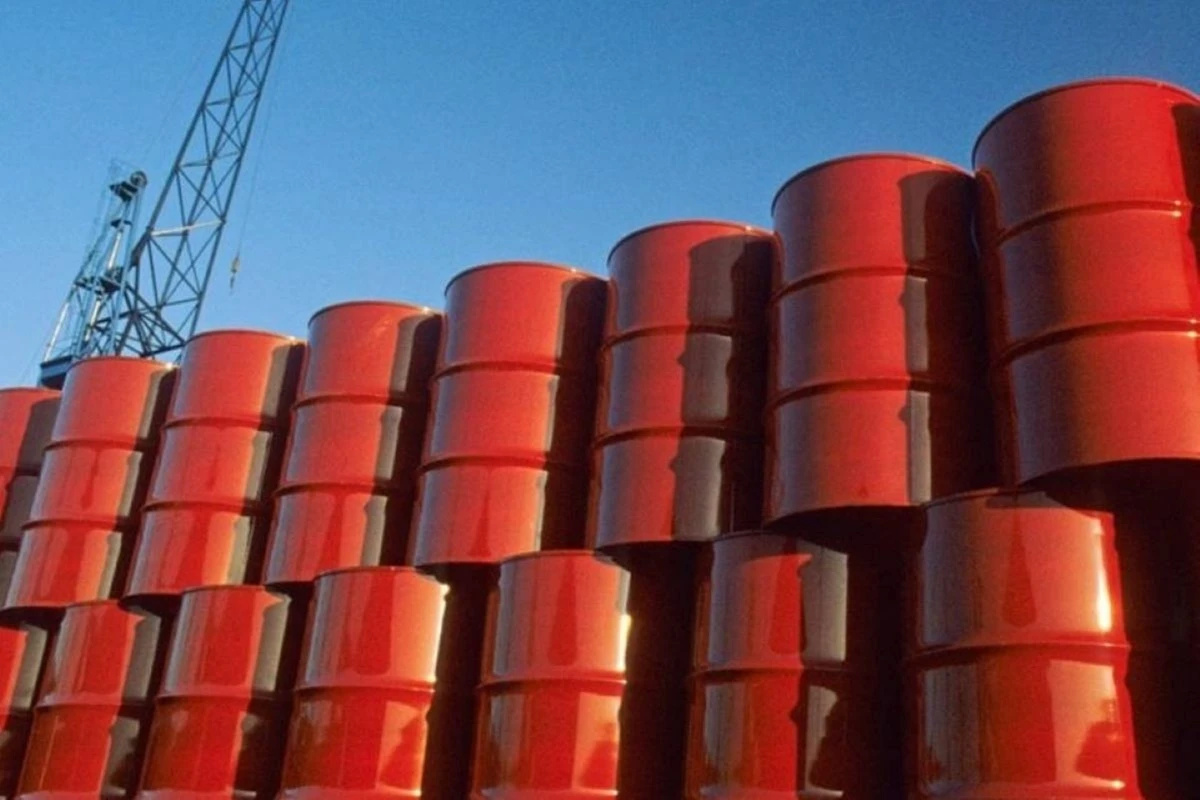
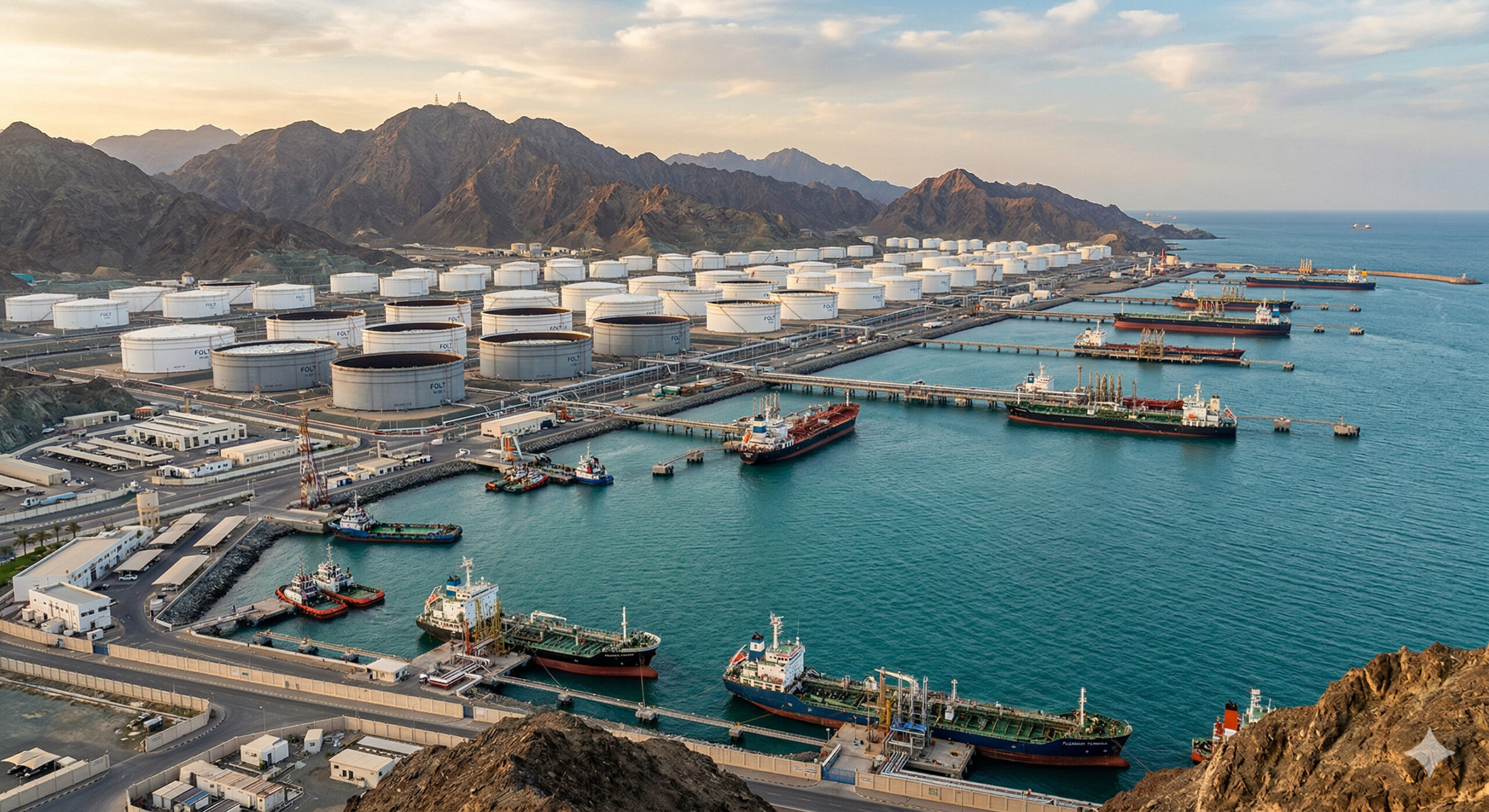
Giant reservoirs with a capacity of 18 million cubic meters have turned Fujairah into one of the largest energy vaults on the planet. This facility, located outside the Strait of Hormuz, stores oil on a colossal scale and has become a silent piece that supports the global flow of fuels.
-
The next exploration auction in the pre-salt will offer 23 blocks in the Campos and Santos basins and may change the interest of oil companies in Brazil.

-
The next exploration auction in the pre-salt will offer 23 blocks in the Campos and Santos basins and could change the interest of oil companies in Brazil.

The works would be carried out by the consortium formed between the Chinese oil company Kerui and the Brazilian contractor Método Potencial, resulting in the Special Purpose Society (SPE) Keruí-Método. However, as the consortium decided to terminate the contract, the state-owned company has no forecast of other companies quoted for construction. When contacted, the partnership has not yet commented.
The news is discouraging because, when completed, the UPGN is expected to receive and process the equivalent of nearly 21 million cubic meters of gas per day, according to Petrobras.
This achievement places Brazil at a level of self-sufficiency, as the country will have its natural gas demand met internally, with the expectation that this independence will be secured by 2027. Currently, the product comes from the offshore fields of the Santos Basin, via a long route of a 355-kilometer gas pipeline.
The Delay Is Detrimental to Domestic Demand and Will Generate Costs
In this regard, in January, the current president Jair Bolsonaro (PL) and then Minister of Mines and Energy, Bento Albuquerque, were present at the unit for the pre-start ceremony. Also at the ceremony, the executive director of the Brazilian Infrastructure Center, Adriano Pires, one of those considered for the Petrobras presidency this year, believes that the delay is unfavorable for the country’s internal demand and will incur additional costs. This is due to the high price of the commodity in the current international market, a result of the ongoing war in Ukraine.
“It’s very bad news because this gas would offset a decline in production occurring in post-salt fields. The gas, which used to cost five dollars per million BTUs, now fluctuates between US$ 25 and US$ 30. So, Petrobras will have to secure this gas, which will likely be imported,” stated Adriano Pires.
According to data from ANP, Rio de Janeiro alone holds 60% of the country’s proven natural gas reserves, which would be sufficient along with imports. However, in May of this year, the Bolivian state-owned company responsible for supplying natural gas to Brazil reduced gas supply by about 30%, resulting in a decrease of six million cubic meters per day and causing the country to need to import more liquefied natural gas (LNG).









Seja o primeiro a reagir!