





 Portuguese
  English
  Spanish
  2 min of reading
  0 comments


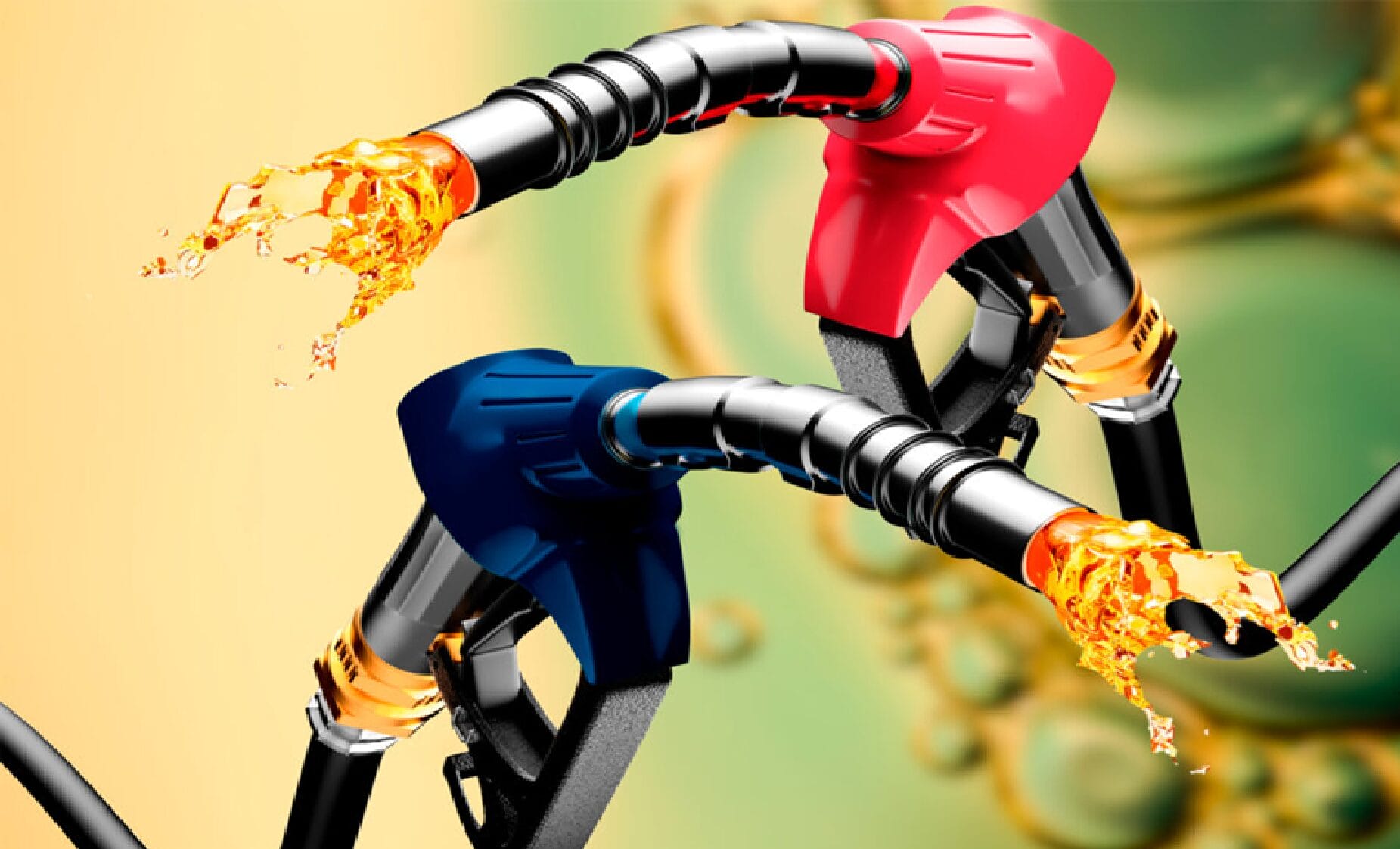
New Generation with Eco-Additives Promises Up to 10% Savings and Lower Pollutant Emissions, but Experts Warn of Important Variables
The question between filling up with regular or additive gasoline is still frequent among Brazilian drivers, according to the website News Motor. With the arrival of so-called gasolines with eco-additives, the discussion comes back to the forefront: after all, does this type of fuel really offer better efficiency or is it just a marketing ploy?
According to manufacturers and experts, the technology behind the new additive fuels can indeed provide real savings and environmental benefits — but the results depend on various factors, such as driving style and vehicle conditions.
Eco-Additives and Nanotechnology: How Do They Work?
Unlike traditional additives, which act by cleaning the engine after the formation of residues, gasoline with eco-additives utilizes nanotechnology to prevent dirt even before combustion. This allows for a more efficient and cleaner burning of the fuel, with direct impacts on engine durability and performance.
-
A 250cc motorcycle that can reach 560 km with a 14-liter tank, features disc brakes on both wheels and is among the most well-known in Brazil.

-
Man finds over 200 rare cars abandoned on a lot and tries to do the impossible in 8 hours with a surprise at the end.

-
An irregular parking case gains attention after a Mercedes Classe A was removed in such a strange way that it even raised doubts about damage to the car.

-
Costing R$ 16,000, the new Yamaha features a 125 cc hybrid engine with electric assistance, delivers 8.3 hp, includes ABS, optimized fuel consumption, Y-Connect connectivity, 25 liters of storage space, and a surprising 4-year warranty in the urban segment.


Among the main effects are:
- Reduction of internal residue buildup
- Less wear on components such as the catalytic converter
- Optimization of combustion and gains in energy efficiency
Real Savings or Illusion? Comparison Reveals Difference in Costs
In recent tests, gasoline with eco-additives showed potential fuel consumption savings of up to 10%, in addition to a reduction of up to 50% in pollutant emissions.
Check the simulation based on average data:
| Type of Gasoline | Average Price per Liter | Estimated Cost for 1,000 km |
|---|---|---|
| Regular | R$ 5.51 | R$ 551.00 |
| Additive with Eco | R$ 5.68 | R$ 516.36 |
The savings are noticeable when the price difference between the two types does not exceed 10%. In this scenario, the superior efficiency offsets the investment.
Final Considerations: When Is It Worth Using Additive Gasoline?
The National Petroleum Agency (ANP) and industry experts confirm that the benefits of additive gasoline with eco-technology are real, especially for those driving long distances or seeking greater care for the engine in the long term.
However, it is important to observe the origin of the fuel, the state of the vehicle, and the driving style. The sum of these factors can enhance — or nullify — the promised gains from the product.









Seja o primeiro a reagir!