





 Portuguese
  English
  Spanish
  4 min of reading
  0 comments



Adulterated Fuels Can Cause Serious Damage to Your Vehicle. Learn to Identify Low-Quality Gasoline and Avoid Losses
In the daily rush, we often overlook something essential for the proper functioning of the vehicle: the quality of the fuel and whether the gasoline has been adulterated. Choosing where to refuel is more than just a price issue; it involves the safety of the engine and even the driver.
Unfortunately, adulterated gasoline has become a common reality at gas stations. Many consumers, and even the stations themselves, cannot perceive that they are using or selling lower quality gasoline, which can lead to considerable losses and damage.
Want to know how to avoid these problems? Keep reading to learn how to identify adulterated gasoline, understand the associated risks, and ensure your vehicle’s safety.
-
Around R$ 24,000: 4 used Ford SUVs with up to 253 hp, V6 engine, all-wheel drive, 7 airbags, panoramic sunroof, and a complete package that surprises with its price and performance in Brazil.

-
A brand new car starts at around R$ 75,000 in Brazil, but what stands out the most is seeing streets filled with SUVs and expensive sedans in a country where millions remain in debt.

-
For R$ 32,000, a brand new Hyundai car is a rival to the Kwid with a 1.2 engine producing 82 hp, 6 airbags as standard, multimedia with wireless Android Auto, up to 391 liters in the trunk, and a refreshed look for 2026 in India.

-
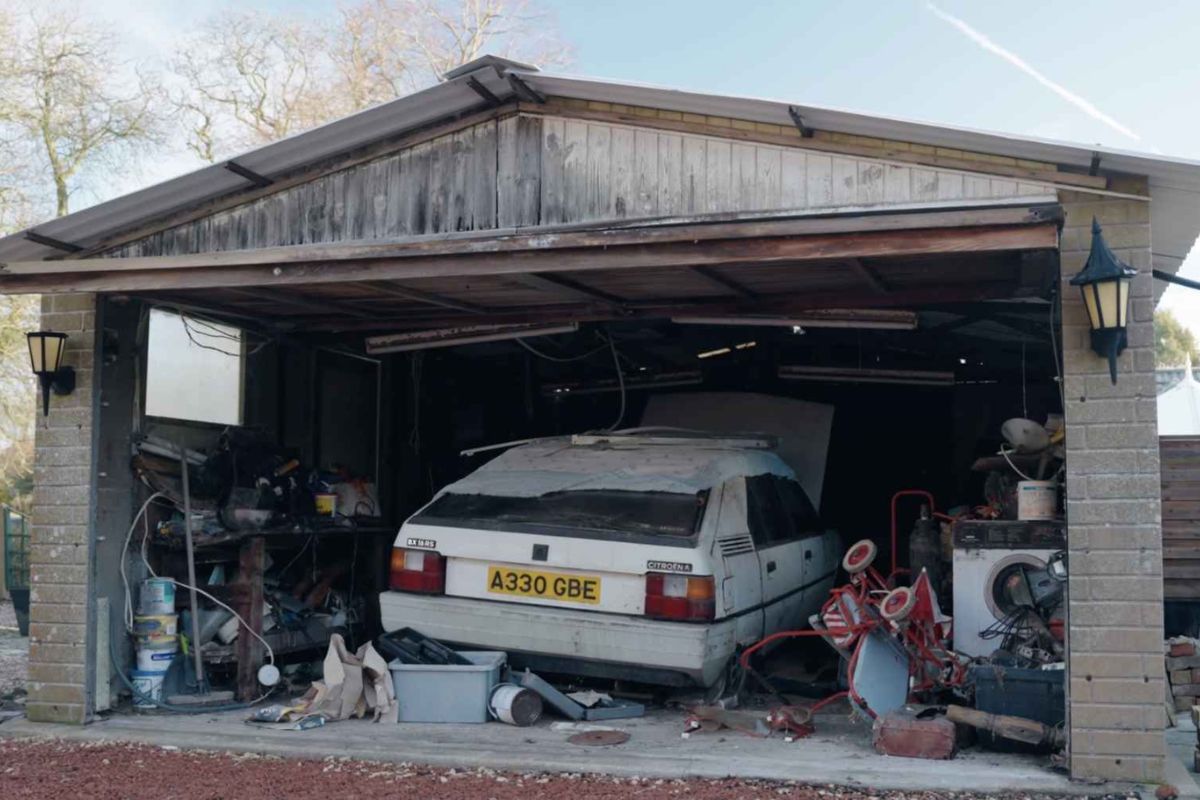
He bought a new car in 1983, locked it in the barn in 1988, and no one opened the door for 38 years until the family discovered what was stored inside and realized it looked like something out of a movie.

What is Adulterated Gasoline?
Adulterated gasoline is characterized by the illegal addition of unauthorized substances, such as solvents, water, or other components. These alterations aim to reduce production costs but can cause serious damage to the vehicle’s engine and affect its performance.
Among the most common emissions added to gasoline are:
- Chemical solvents that corrode the injection system.
- Excess alcohol, which disrupts the engine’s operation.
- Water, which reduces efficiency and causes failures.
These practices harm consumers as they violate the regulations of the National Agency of Petroleum, Natural Gas and Biofuels (ANP).
Main Risks of Using Adulterated Fuel
Refueling with low-quality fuel can compromise both the vehicle and the safety of the driver and passengers. Among the most concerning risks, we highlight:
1. Engine Damage
The presence of impurities and unauthorized chemical substances causes excessive wear on internal parts, potentially leading to problems such as:
- Engine Overheating: hinders heat exchange and compromises operation.
- Residue Buildup: obstructs fuel flow and deteriorates components.
2. Increased Consumption
With lower energy efficiency, the engine requires more fuel to maintain the desired performance, increasing long-term costs.
3. Environmental Impact
Adulterated gasoline tends to emit more polluting gases, contributing to environmental manipulation and complicating approval during mandatory inspections.
4. Safety Risks
Engine failures, such as sudden stops, are especially dangerous on highways, where reflexes must be immediate to avoid accidents.
How to Identify Adulterated Gasoline?
Although an exact diagnosis can only be made in specialized laboratories, certain day-to-day signs may indicate something is wrong:
- Excessive Consumption: If you notice that the car is using more fuel without apparent reason, it’s time to investigate.
- Difficulty Starting: A well-maintained engine should not have issues starting. If this occurs, the quality of the gasoline should be questioned.
- Power Loss: Slower response time and a lack of agility are strong indications of adulteration.
Tips to Avoid Problems with Low-Quality Fuel
The best defense against adulterated gasoline is to refuel at safe stations. Prioritize networks that adhere to strict quality standards. Here are some practical tips:
- Transfer the Station’s Transaction: Check reviews and accounts from other consumers.
- Be Cautious of Very Low Prices: Offers that fall outside market expectations may signal a problem.
What to Do if You Refueled with Adulterated Gasoline?
If you realize you have filled up with low-quality fuel, take the following actions:
- Stop Using the Vehicle Immediately: Continuing to drive may increase damage to the engine.
- Drain the Tank: Seek a trusted mechanic to remove adulterated gasoline.
- Refuel with Quality Gasoline: Refill with fuel from a reliable source and add a cleaning additive if necessary.
- Monitor Performance: If problems persist, consult a professional to assess the damage.
Frequently Asked Questions About Adulterated Gasoline
1. How can I clean my gasoline tank?
Cleaning should be done by professionals. Additionally, it is recommended to use cleaning additives to ensure that residues are completely eliminated.
2. Can I identify adulterated gasoline just by smell or appearance?
No. While some adulterations may alter the smell, only laboratory tests guarantee accurate identification.
3. Is it possible to reverse damage caused by adulterated gasoline?
Yes, depending on the severity. It is essential to act quickly to minimize impacts.
Protecting your vehicle from the effects of adulterated gasoline requires attention and care when choosing where to refuel. Remember, the lowest price is not always the best option. The safety and efficiency of the engine directly depend on the quality of the fuel used.









Seja o primeiro a reagir!