





 Portuguese
  English
  Spanish
  5 min of reading
  0 comments


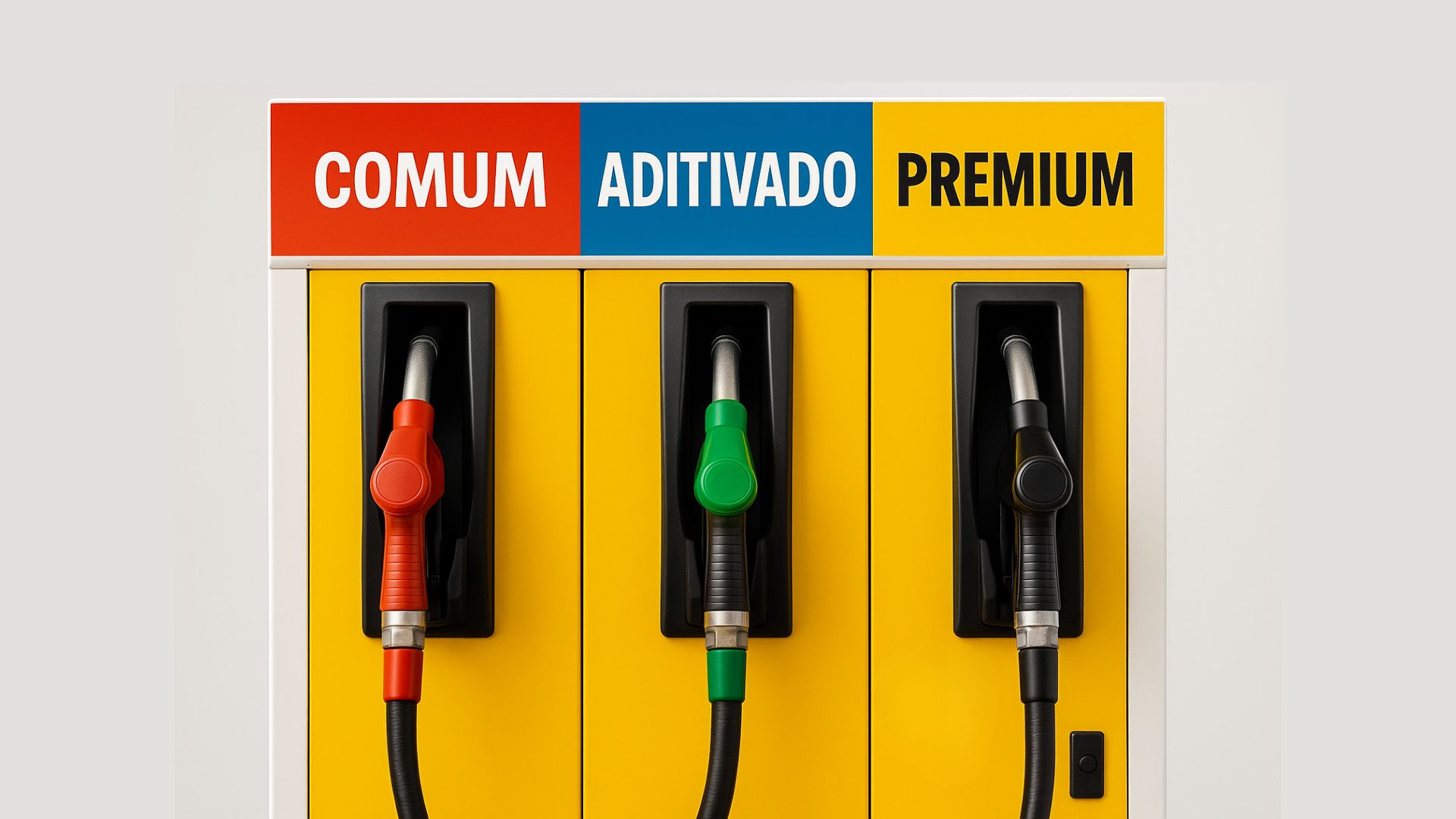
Types Of Gasoline Directly Influence Performance, Consumption, And Engine Longevity, According To Experts. Understand The Differences Between Regular, Additive, And Premium, And Learn How Octane And Additives Affect Vehicle Functioning.
When it comes to refueling, the uncertainty between regular, additive, or premium gasoline can have a direct impact on consumption, performance, and engine lifespan, according to combustion and automotive maintenance specialists.
Each type has distinct compositions and functions, all complying with the standards of the National Agency of Petroleum, Natural Gas And Biofuels (ANP).
The regular gasoline fulfills the basic function of moving the vehicle, the additive gasoline includes cleaning and protection compounds, and the premium gasoline is formulated to meet the demands of high-performance engines, with higher octane and higher concentrations of additives.
-
The car stored for 38 years: when opening the barn door, what appears is breathtaking and looks like a scene from a movie!

-
Fiat works miracles in the Brazilian market, lowers the price of its 0 km hatch to R$ 69,990, reestablishes the model as the cheapest car in the country, and reignites the battle against Kwid and C3.

-
Chevette with cooking gas: How the gas cylinder ends up being used in cars clandestinely and why this makeshift solution can result in leaks, explosions, damaged engines, and seized vehicles.

-
Fiat launches the new 2027 Toro hybrid with 48V, 176 hp, an electric motor of 15.5 hp, a 0.85 kWh battery, up to 7% fuel savings, 8% fewer emissions, and possible exemption from IPVA.

Differences Between The Types Of Gasoline
Regular gasoline uses the same base throughout the country, with up to 30% of anhydrous ethanol, according to ANP regulations.
It is suitable for most vehicles and does not contain additional additives.
For this reason, automotive technicians explain that, over time, continuous use can lead to the accumulation of deposits in fuel injectors and valves, especially in cars that primarily operate in urban traffic.
The additive version has the same base as the regular gasoline but contains chemical compounds that are responsible for cleaning the fuel system and reducing friction between components.
According to Ipiranga, the additives present in the Ipimax line help remove residues, prevent corrosion, and reduce wear on the engine’s moving parts.
The company reports that, in internal tests, there was a over 4% reduction in fuel consumption with the continuous use of the product.
Premium gasoline is differentiated mainly by its higher octane, a crucial characteristic in turbo, high compression, or performance-tuned engines.
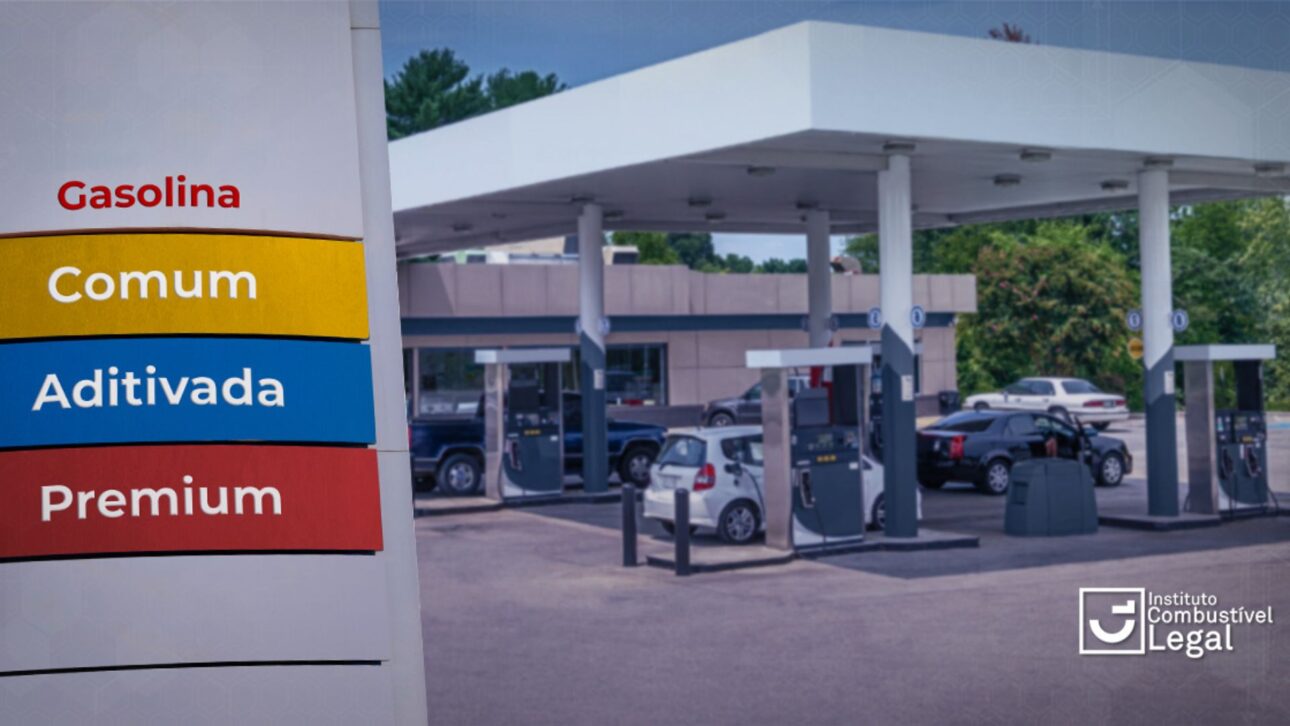
Ipiranga emphasizes that its Ipimax Pro line offers octane above 100 and higher concentration additives, capable of improving performance and reducing friction by up to 34%, according to laboratory results published by the company.
Industry sources further indicate that premium fuels have lower sulfur content and greater chemical stability, which contributes to efficiency and reduced residue formation.
Octane And Knock
Octane indicates the fuel’s resistance to pre-detonation, known as knock.
The higher the index, the greater the fuel’s capacity to withstand compression without igniting before the ideal time.
Professor Juliano Martins Barbosa from Mackenzie Presbyterian University explains that regular gasoline sold in Brazil has an average Anti-Knock Index (AKI) of 87, suitable for low compression engines.
However, modern and higher-performance engines require higher octane to operate efficiently and avoid loss of power.
Experts warn that using fuel with octane lower than the manufacturer’s recommendation can lead to increased consumption, reduced power, and greater wear of internal components.
In these cases, the vehicle’s electronic control unit tends to retard the ignition timing to prevent damage, which compromises performance.
The recommendation is to always follow the specifications in the owner’s manual.
Additives And Engine Efficiency
According to engineers from automakers and distribution companies, the additives in additive gasoline serve to clean residues, protect the fuel system, and promote a more consistent burn.
These compounds prevent the accumulation of varnish and carbon in fuel injectors and valves, in addition to preserving the atomization of the fuel — an important factor in maintaining consumption within the vehicle’s original parameters.
Furthermore, industry technicians state that the presence of additives does not alter octane, but contributes to the good functioning of the engine over time.
Therefore, for everyday use vehicles, additive gasoline is often considered a balanced choice between cost, protection, and performance, without the need to adopt premium versions.
When To Use Premium Gasoline


In turbocharged or high-performance vehicles, premium gasoline is recommended by manufacturers to ensure quick response and adequate thermal protection.
According to Barbosa, the high octane and chemical stability allow the engine to operate under more demanding conditions without the risk of knocking.
Distributors also note that this type of fuel contains higher concentrations of additives, which boosts cleaning and reduces internal friction.
However, experts observe that using premium gasoline in engines that do not require this octane does not yield a noticeable power increase.
The gain in these cases is limited to cleaning and protection, benefits also obtained with additive gasoline.
Blending Fuels And Tank Effects
Mixing different fuels — such as regular and premium, or regular and additive — does not cause immediate damage, according to workshops and automotive consulting firms.
However, the specific benefits of each type are reduced.
Combining premium with regular, for example, lowers the final octane, and the engine fails to take advantage of the calibration intended for the higher quality fuel.
In the case of additive gasoline, mixing it with regular reduces the concentration of the additives, compromising the cleaning effect.
How To Choose The Ideal Fuel
The choice should follow what is described in the manufacturer’s manual, which indicates the minimum octane and the type of fuel compatible with the engine design.
In general, according to automotive industry sources, additive gasoline meets the needs of most passenger vehicles, combining protection and affordability.
Premium is indicated only when the vehicle requires or recommends its use, as is the case with turbo and sports models.
Regular is acceptable in simple engines, provided that preventive maintenance is performed regularly.
Experts emphasize that the usage pattern also influences the choice.
On short trips and in heavy traffic, there is a greater propensity for deposit formation, which reinforces the importance of using fuel with cleaning additives.
On highway trips, more constant thermal regimes help in burning residues but do not substitute the effects of additives.









-

-

-

12 pessoas reagiram a isso.