





 Portuguese
  English
  Spanish
  6 min of reading
  2 comments


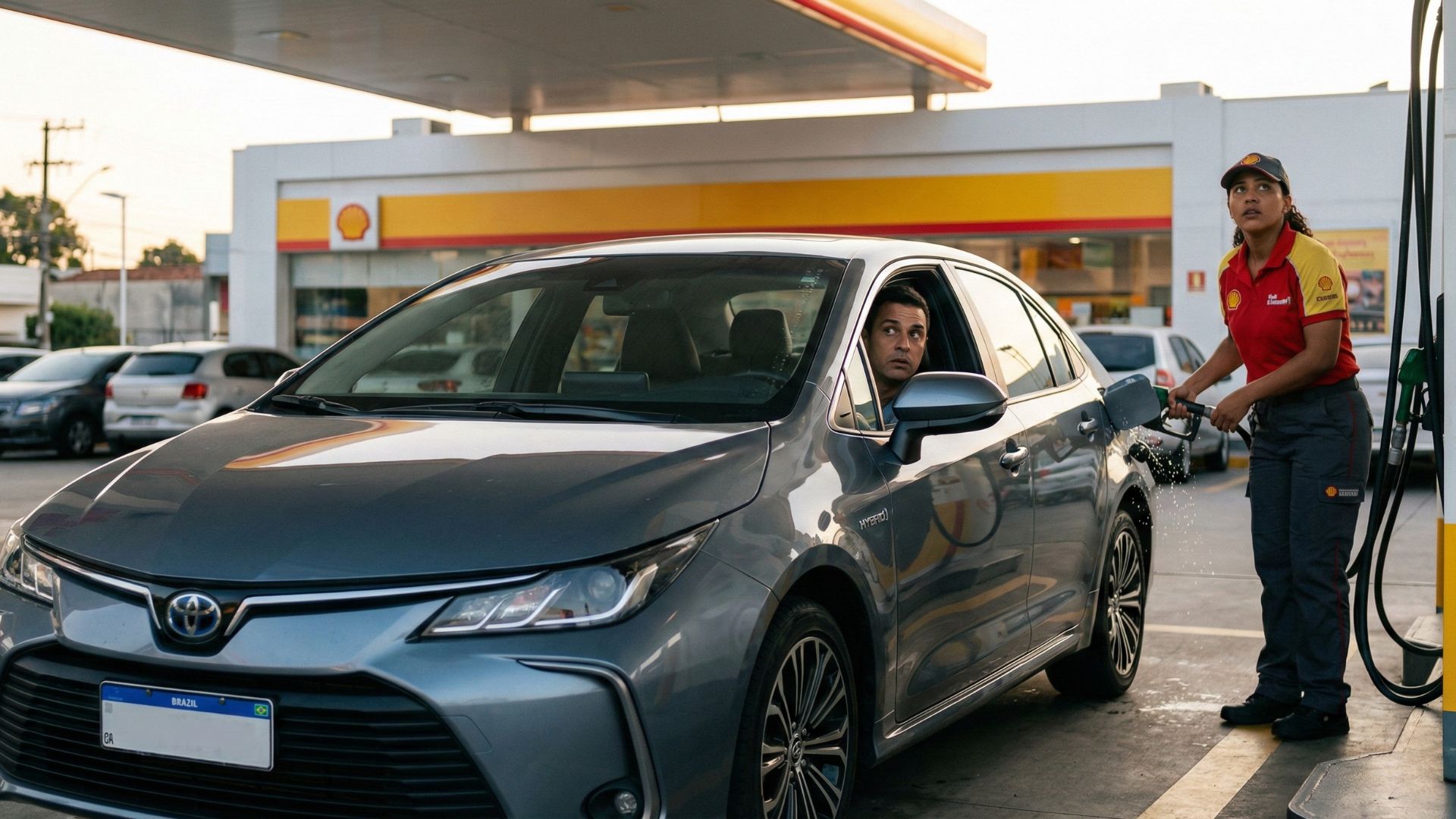


The Presence of Water in Fuel Can Cause Phase Separation, Alter the Mixture in the Tank, and Compromise Engine Operation, Leading to Failures, Loss of Performance, and Risk of Mechanical Damage When the Problem Is Not Quickly Identified After Refueling.
A failure that appears soon after refueling does not always relate to the choice between gasoline and ethanol, and can start with something simpler and invisible: water mixed with fuel.
When this happens, especially in fuels containing ethanol, the composition in the tank can change abruptly and jeopardize engine operation.
In this type of contamination, water does not “dilute” the fuel uniformly, because gasoline and ethanol do not react the same way to moisture presence.
-
Is financing a car really worth it? Discover the impact of 25% annual interest and how you could end up paying up to R$ 39,000 more for your vehicle.

-
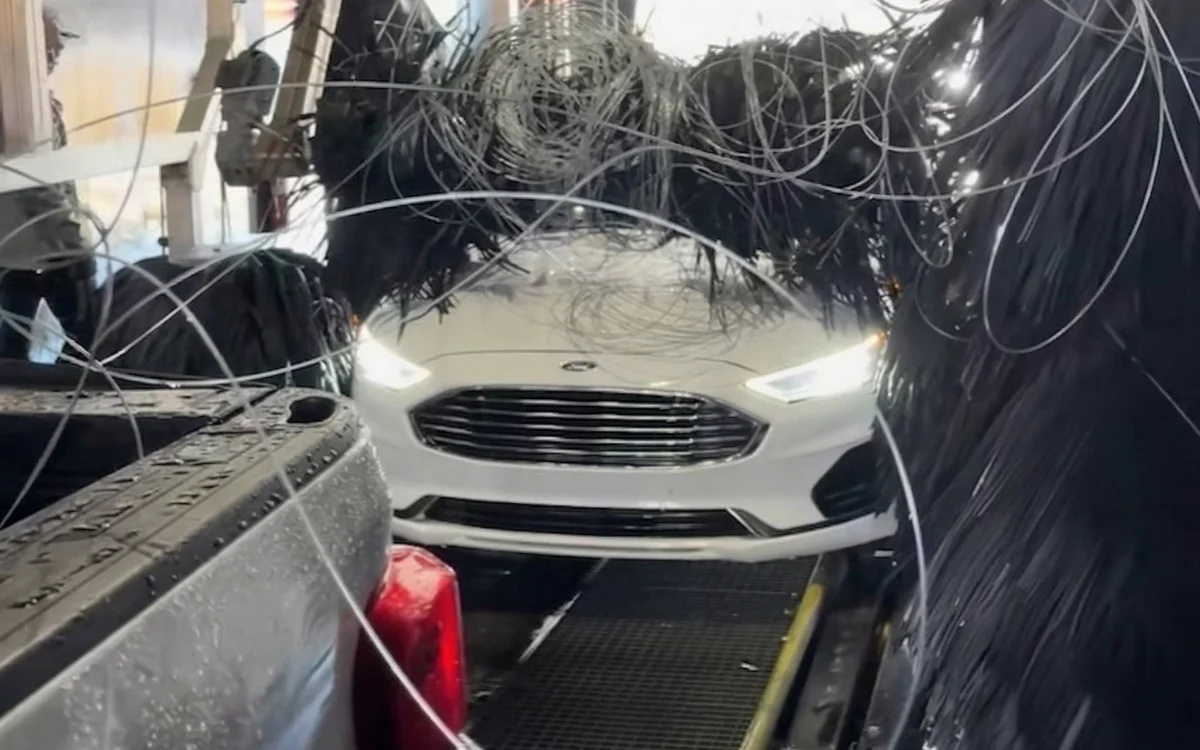
Farmer forgets barbed wire in the pickup truck and destroys Ford Fusion at car wash.
-
While the industry rushes towards automation, Omoda & Jaecoo bets on technology with a human touch and reveals its global mobility plan for 2026.

-
In just 1 year, JAECOO surpasses 7,000 units of the J5 EV delivered in Indonesia and consolidates trust in the Asian market.


Under certain conditions, the mixture loses stability, and the so-called phase separation occurs, with impacts ranging from stalling to difficulty starting and risk of damage to the fuel system.
What Is Phase Separation and Why It Concerns Drivers
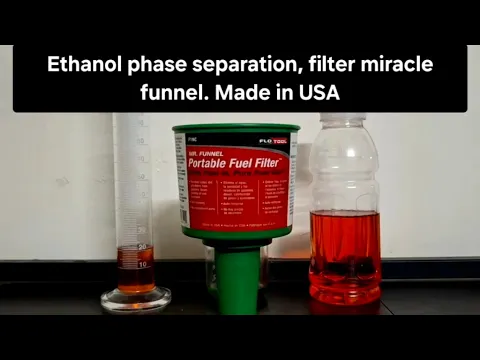
Phase separation is a physicochemical phenomenon in which ethanol tends to associate with water, forming a heavier layer that settles at the bottom of the tank.
Meanwhile, gasoline stays above with less ethanol than it should, creating fuel outside the expected standard for the engine.

This imbalance affects combustion because the system has been calibrated to operate with a relatively stable composition range.
When the proportion suddenly changes, combustion can become irregular, especially under load, during acceleration, or in situations where the engine requires immediate response.
Even though the driver may not see any changes at the fuel nozzle or in the color of the fuel, the problem can manifest shortly after, with a loss of performance and intermittent failures.
Therefore, the risk is often confused with electrical or maintenance defects, delaying the correct diagnosis.
How Gasoline with Ethanol Works in Brazil
The gasoline sold at gas stations in Brazil is a mixture that includes anhydrous ethanol within a defined range per official regulations, which makes its behavior in the presence of moisture a sensitive topic.
When the mixture remains stable, it meets what the engine expects; when water enters in relevant amounts, equilibrium can be disrupted.
In inspection and control routines, the sector employs procedures to verify compliance aspects of the fuel, such as ethanol content in samples.
These methods help differentiate fuel within specifications from situations where irregularities exist, even though phase separation itself is not a “test” but an undesirable event.
In practice, the critical point is that phase separation can occur outside the laboratory, inside storage tanks, and even in the vehicle’s tank, depending on the volume of water present and the temperature and handling conditions.
From there, the driver starts dealing with fuel that changes behavior without warning.
Where Does the Water That Contaminates Fuel Come From
Water ingress can occur through condensation in tanks facing temperature variations, especially when there is empty space in the reservoir and air moisture accumulates over time.
Sealing problems, seepage in underground structures, and maintenance failures are also among the possible sources.

During transportation and handling, improper procedures can contribute to contamination, even if it is not always noticeable at refueling time.
Moreover, humid environments favor the gradual absorption of water by ethanol-blended fuel until the mixture reaches its stability limit.
When this limit is exceeded, what was once a single mixture can split into two layers, and the bottom part tends to concentrate water and ethanol.
In this scenario, the car’s tank becomes the final point of a problem that may have started much earlier, in storage and distribution stages.
Symptoms in the Car After Refueling
The first impact usually appears in how the fuel system draws fuel from the tank, because the pickup can reach the contaminated lower layer.
This risk increases when the level is low, when the vehicle encounters potholes and bumps, or when there is an incline that moves the mixture in the reservoir.
From there, the driver may notice stalling, fluctuating idle, and loss of power at low RPM, worsening on inclines and accelerations.
In some cases, the failure manifests as difficulty starting, especially if the pickup has reached a larger proportion of water and ethanol from the bottom.
It is also possible for the system to detect combustion out of the standard, leading to the check engine light coming on and more irregular behavior.
On the other hand, the problem may be intermittent, which reinforces the confusion with electrical failures and leads many people to continue using the vehicle without checking the source.
Water in Fuel Can Cause Mechanical Damage
The presence of water in the fuel circuit favors corrosion and oxidation in metallic components, in addition to altering operating conditions that depend on the fuel itself.
With continuous use, filters may saturate more quickly, and components such as pumps and injectors may suffer accelerated wear.
The central point is that the situation tends to worsen when the driver tries to “burn” the compromised fuel, driving for days until the failure seems to disappear.
In this attempt, the system may be repeatedly exposed to an inadequate mixture, increasing the risk of cascading failures and more expensive maintenance.
Even when the car can still run, persistence may mask the real cause and spread residues and water throughout the system.
In this context, the damage tends to grow not due to an immediate collapse but from prolonged use that transforms a fuel problem into a component replacement.
The Most Common Mistake When Choosing Gasoline or Ethanol
The common mistake among drivers is treating fuel as something unchanging and dismissing the possibility of contamination when a failure occurs soon after refueling.
Many people replace parts, investigate batteries or sensors, and continue driving, without relating abnormal behavior to the last refuel.
Since phase separation does not leave any “clue” at the moment the attendant refuels, the driver only realizes when the car changes behavior.
Nevertheless, the association is not always immediate, and delays in investigating fuel quality can be costly if the vehicle continues to operate outside the standard.
What to Do If You Suspect Contaminated Fuel
When the car starts to fail shortly after refueling, fuel should enter the investigation, especially if there are stalling under load, power loss, and irregular idle.
In such cases, the safest measure is to seek professional diagnosis, as insisting on use can worsen system wear.
Keeping the receipt from refueling and requesting an invoice helps document the episode, in case it becomes necessary to file a complaint.
Additionally, there are verification procedures that can be requested in situations of suspicion, reinforcing the importance of acting early, before the problem spreads.
At the same time, it is worth observing whether behavior improves or worsens according to the tank level, as the aspiration of the contaminated lower phase may be more frequent with low fuel.
Still, any attempt to “test on the street” can exacerbate damage, and the ideal solution is to stop using the vehicle and seek technical evaluation.
Choosing refueling locations with transparent routines, regular issuance of invoices, and consistent service standards reduces risks but does not eliminate the possibility of contamination from storage and environmental factors.
Therefore, the most important signal is usually a sudden change in operation after refueling.
When the driver notices recurring failures, loss of power, and abnormal consumption right after refueling, it is worth treating the fuel as a real possibility, without replacing parts out of trial.
A quick response in this type of occurrence is often what separates a temporary issue from costly maintenance.
If the car left the station running and, shortly after, started stalling and losing performance, how many people stop to consider that the “error” could be in the water that entered the fuel and altered the mixture in the tank?








Bom hoje os tanques dos postos sao com camadas duplas de proteçoes! Se tiver agua foi colocado e maioria das vezes caminhao de combustivel quando o proprietario do posto comora de qualquer um! Ima dica posto qie so anda vazio nem pare
Texto muito longo , bastava dizer que deveriamos ter uma melhor fiscalização e termos empresários honestos coisa rara no Brasil