





 Portuguese
  English
  Spanish
  5 min of reading
  1 comment


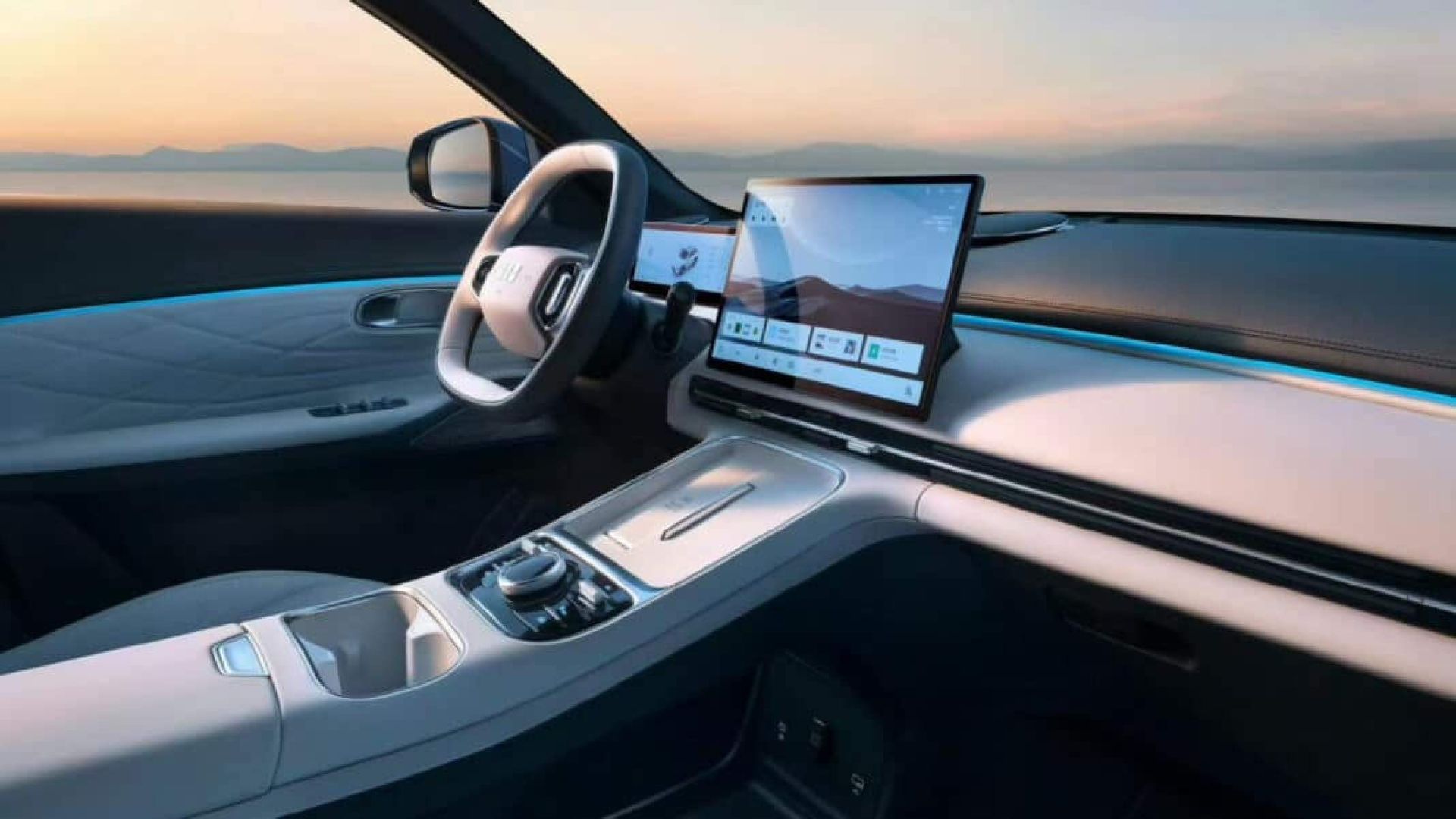


Geely’s Plug-In Hybrid SUV Arrives to Compete with BYD Song Plus and Haval H6, Combining a Range of 1,420 km, a 528-Liter Trunk, and Operation with Support from Renault in Brazil, Along with Segment Dimensions and Technology.
Geely is preparing to launch a plug-in hybrid SUV for the Brazilian market that directly targets BYD Song Plus and GWM Haval H6.
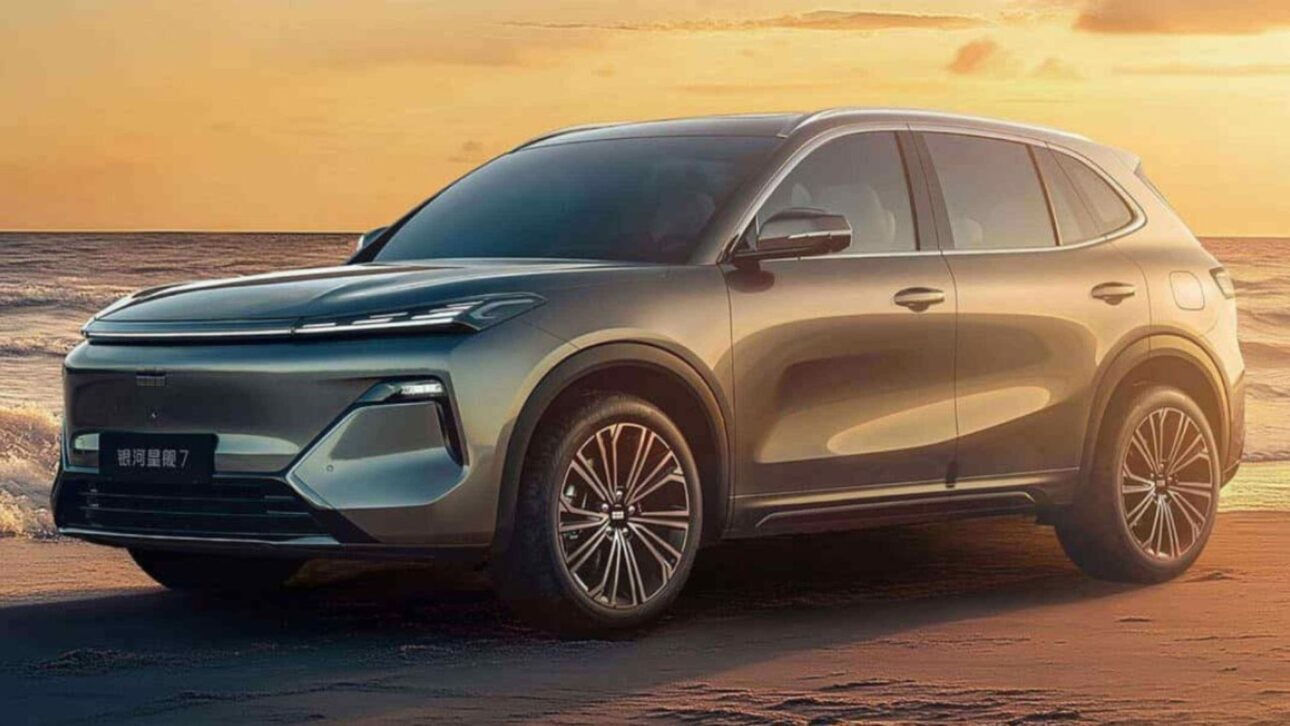
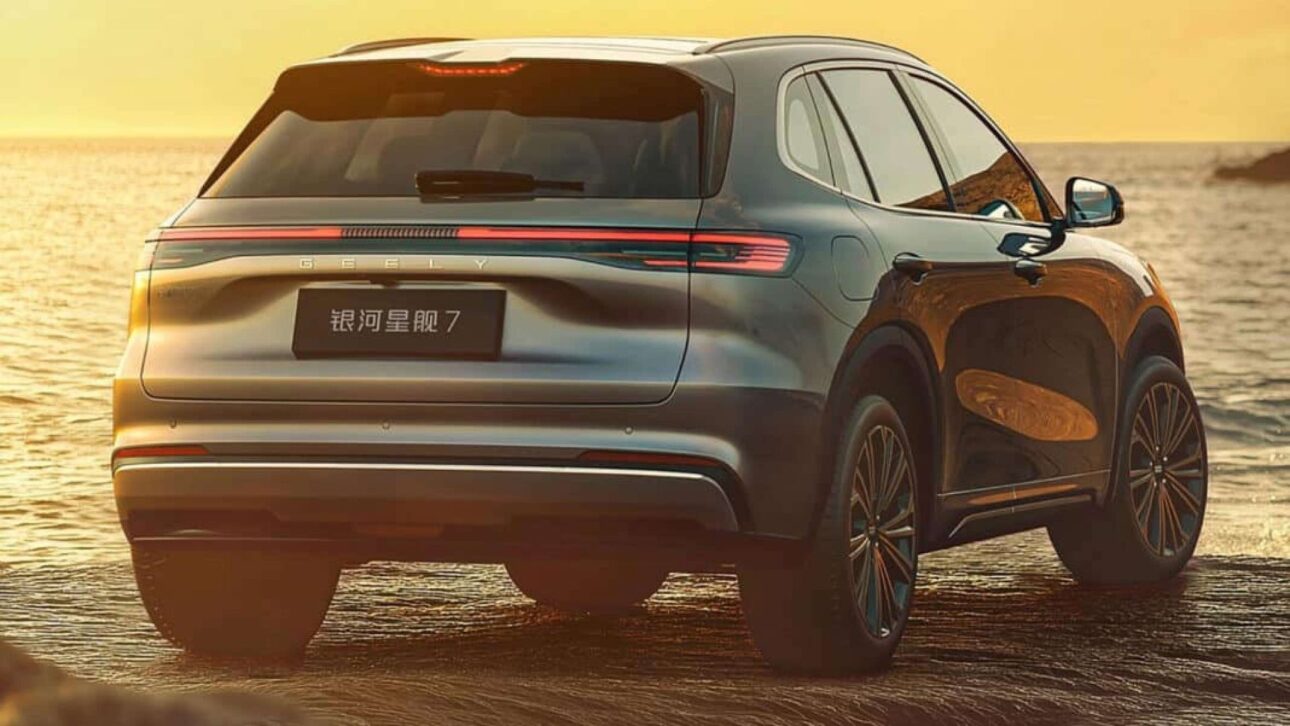
This is the Starship 7, which is already registered in the country and has official data from China that includes up to 1,420 km of combined range and a 528-liter trunk.
The strategy follows the entry of the electric models EX5 and EX2 and marks the diversification of the local portfolio with a PHEV based on the GEA platform.
-
It surpassed the T-Cross, Creta, and Tracker: with nearly 8,000 units sold, the Volkswagen Tera was the best-selling SUV in March 2026.
-
Honda performs miracles in fuel consumption with a hatch that marks 13.2 km/l in the city and 15 km/l on the highway, leaving Polo, HB20, 208, and Onix behind and becoming a reference among compact cars without resorting to turbo or hybrid systems.

-
Six diseases that seem common but can prevent the renewal of the driver’s license for the elderly throughout Brazil and surprise experienced drivers — could any of them affect you without showing clear signs?

-
With 122 hp, fuel consumption of up to 17.7 km/l, and a trunk capacity of 440 liters, this hybrid SUV impresses even though it costs up to R$ 47,000 more than the Yaris — meet the Toyota Corolla Cross.

What Comes First: EX5 and EX2 Set the Stage for the PHEV Debut
First, the brand officially re-entered with the EX5, which went on pre-sale in Brazil on July 17, 2025.
Following that, the EX2 arrived in the country for launch at the year’s end, positioning itself among compact electric vehicles for urban use.
These steps solidify the operation and pave the way for the plug-in hybrid, which should be Geely’s first PHEV here.
Technical Foundation: 1.5 Engine and E-DHT with a Battery of Up to 19 kWh
In the Chinese market, the Starship 7 adopts the GEA architecture and the NordThor EM-i setup.
The mechanics combine a 1.5 naturally aspirated engine with 111 hp and 13.9 kgfm with a 217 hp electric motor and 26.7 kgfm, coupled through an E-DHT transmission.
There are two LFP batteries: 8.5 kWh (55 km electric in the CLTC cycle) and 19.1 kWh (up to 120 km electric).
With a full tank and charged battery, the declared total range reaches 1,420 km.
These parameters have been communicated since the model’s presentation in China and are included in independent technical databases.
Dimensions and Space: Numbers on Par with Rivals
The measurements reinforce the project’s target: 4.74 m in length, 1.90 m in width, 1.68 m in height, and 2.755 m in wheelbase.
The luggage volume is 528 liters and can exceed 2,000 liters with the rear seats folded, according to factory data.
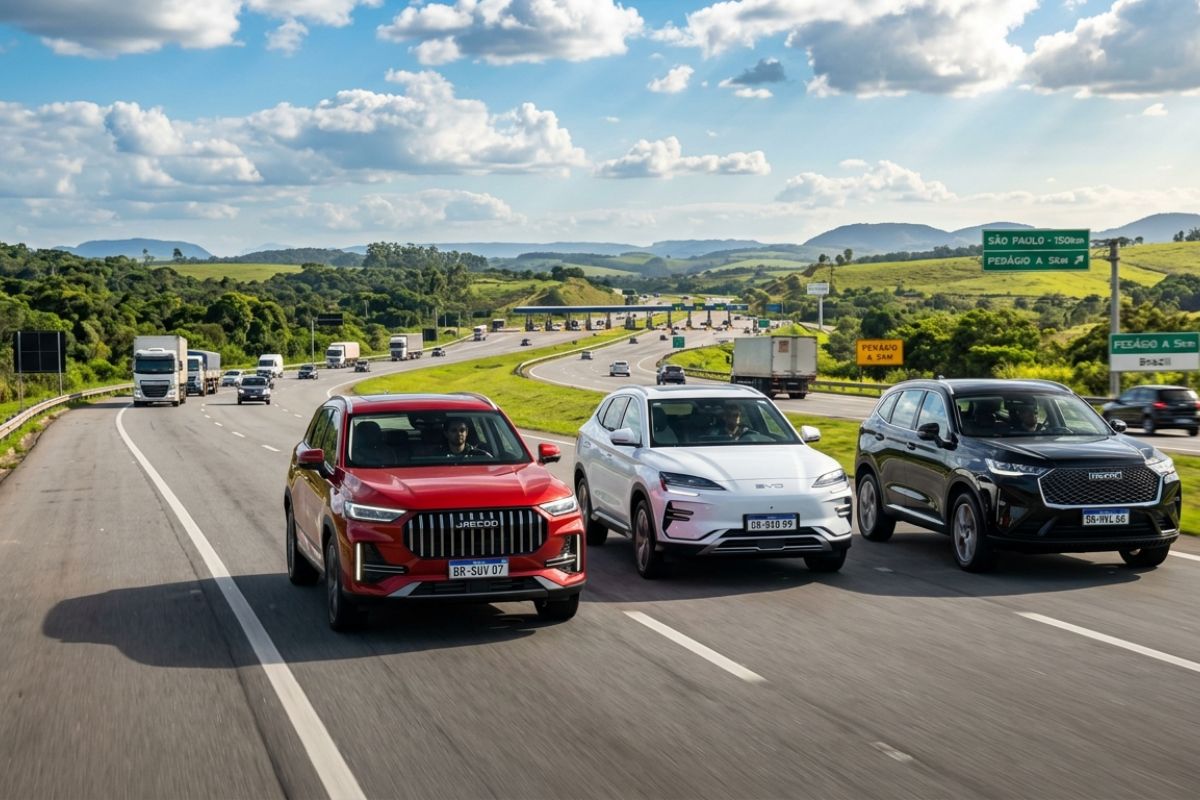
In practice, its size places it in the same category as BYD Song Plus and Haval H6, two of the most popular plug-in hybrids in the segment in Brazil.
Positioning and Equipment: Focus on Efficiency and Connectivity
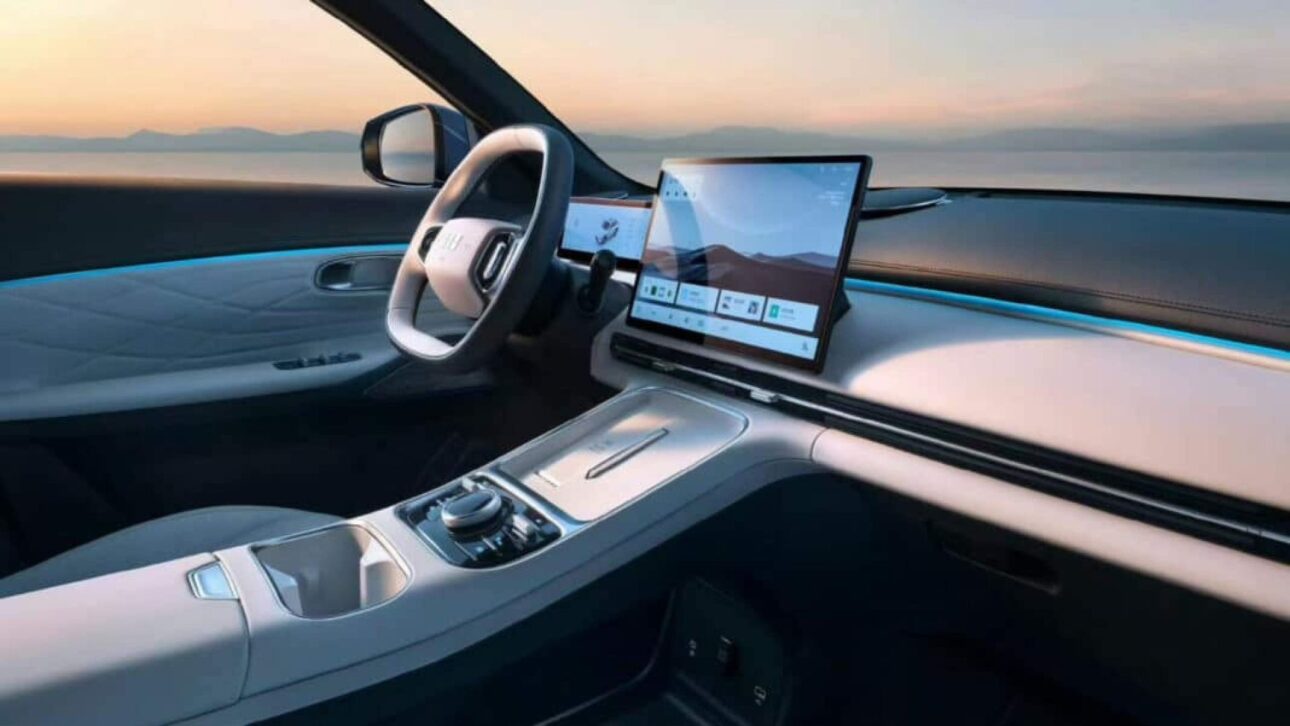
According to the content standard offered in China, the Starship 7 includes generous screens, a digital instrument cluster, a 14.6-inch multimedia center, and a driving assistance package.
Additionally, it offers DC charging for the traction battery with a claimed time of about 20 minutes from 30% to 80%, as well as a V2L function to power external devices.
These features are valued in both urban and highway use.
Although the definitive Brazilian list has not yet been released, the trend is to repeat the balance between energy efficiency and convenience that defines the project.
Registration in Brazil: Green Light for Arrival
The documentation for the Starship 7 already appears in Brazilian databases, a usual step that precedes homologation and the start of sales.
Specialized publications have pointed out the patent registrations and described the configuration of the powertrain, reinforcing the plan to bring the PHEV to compete with the segment leaders.
There is currently no official confirmation of the commercial name that will be used locally.
Behind the Operation: Support from Renault’s Network
Geely’s expansion in Brazil is connected to the partnership with Renault, which envisions joint production and distribution of low and zero-emission vehicles in the country and the use of the French automaker’s commercial network.
In June 2025, Geely and its parent company announced they would hold 26.4% of the Brazilian joint venture, with Renault as the controlling entity.
This arrangement explains the “operational support” mentioned by the brand to facilitate sales, after-sales, and, eventually, local production.
Segment Strategy: Direct Response to the Best-Selling PHEVs
While BYD Song Plus and Haval H6 have consolidated sales focusing on low consumption and good electric range, Geely bets on 120 km of purely electric driving and an efficient thermal set, with 46.5% thermal efficiency claimed for the 1.5 engine.
The goal is to reduce consumption in mixed driving and enhance total range on trips, while maintaining dimensions and a comfort package equivalent to competitors.
Timeline: What to Expect from the Homologation Phase
The natural progression after registration involves homologation, version definitions, and price communication.
The brand has been scaling its launches, with EX5 and EX2 paving the way for the image and service of the network.
The entry of the first plug-in hybrid is expected to occur shortly after this phase, alongside the progress of the industrial and commercial agreement with Renault.
Specific dates and prices for the Starship 7 in Brazil have not yet been officially announced.
Does Size Matter? Where the Starship 7 Can Gain Ground
In addition to the volume of 528 liters in the trunk, the wheelbase of 2.755 m suggests good longitudinal space in the second row.
This attribute is appealing to families transitioning from medium combustion SUVs to PHEVs.
The modularity of the interior, the screens, and the connectivity package reinforce the proposal for everyday use with controlled costs, especially for those who can charge at home or work and take advantage of the up to 120 km electric range daily.
It remains to be seen how the package will be priced and if there will be financing incentives or extended battery warranties in the local offer.
With these elements on the table, the competition between BYD, GWM, and Geely is set to heat up in Brazil; in your view, what would be the most decisive differentiator for you to consider a PHEV of this size: electric range, total cost of ownership, or technology package?







O problema maior dessa maravilha sem problemas é a manutenção.
Quando um **** desse dá defeito a quem pedir socorro.
Se vcs tem solução, vai dá venda.