





 Portuguese
  English
  Spanish
  3 min of reading
  0 comments


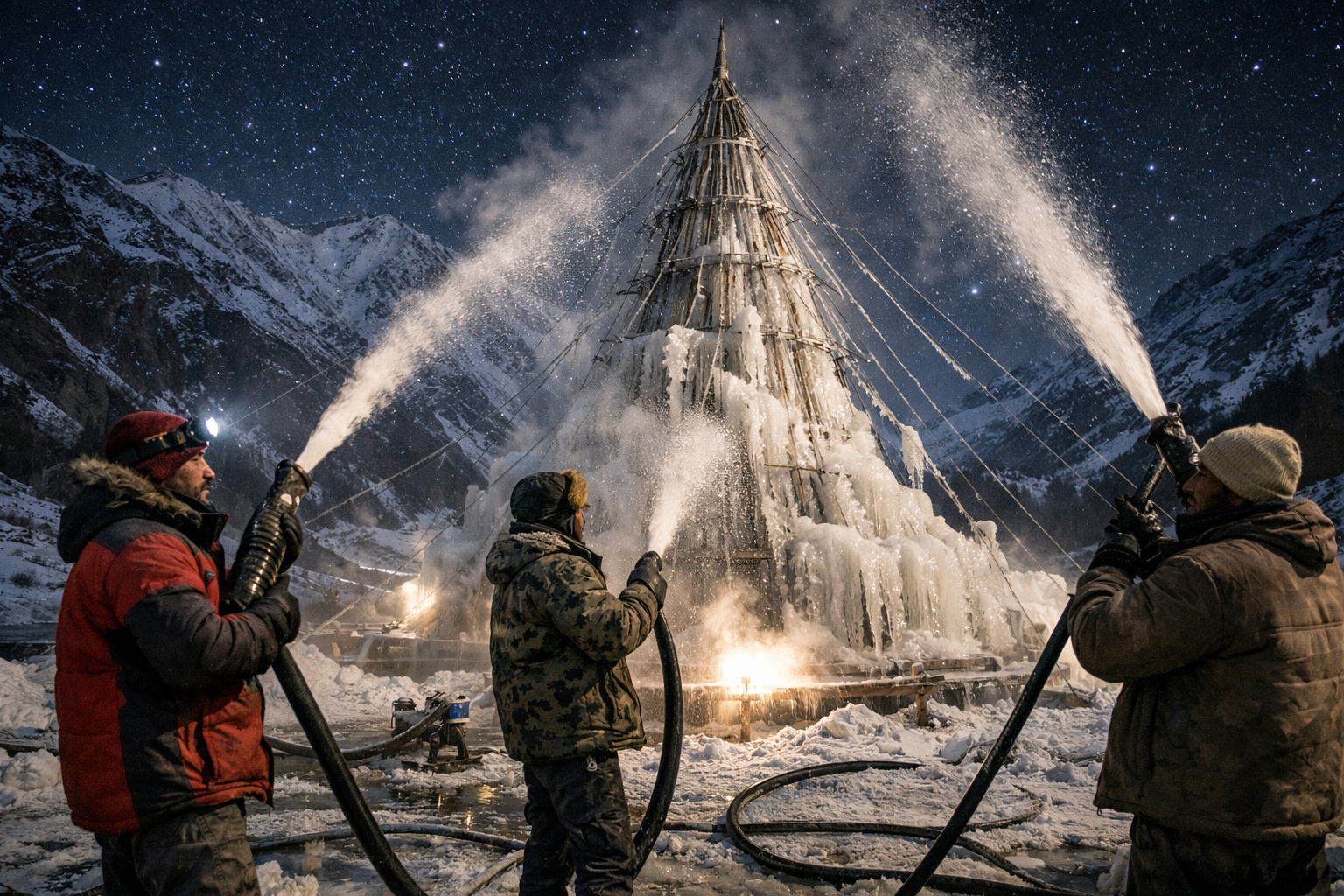
Technology Developed In Ladakh Transforms Extreme Cold Into Strategic Water Reserve And Has Generated Three Million Liters Since 2013
High in the Himalayas, where extreme cold shapes the landscape and water defines the future of communities, residents have found an innovative solution to combat drought caused by global warming. The information was reported by international outlets tracking climate initiatives in Asia, highlighting how the population of Ladakh, the highest region in India, developed a technology capable of creating artificial glaciers in winter to ensure water in spring.
For centuries, the natural glaciers of the Himalayas have acted as gigantic water reservoirs. Their gradual melting fed rivers, irrigated crops, and sustained entire villages. However, with the advance of global warming, this natural cycle has begun to change drastically. As a result, water is no longer available at the most critical time of the year.
“In spring, we have no water. It’s the time of year we need it the most. Without water, we can’t plant.” This account, common among local farmers, reveals the direct impact of climate change on food security in the region.
-
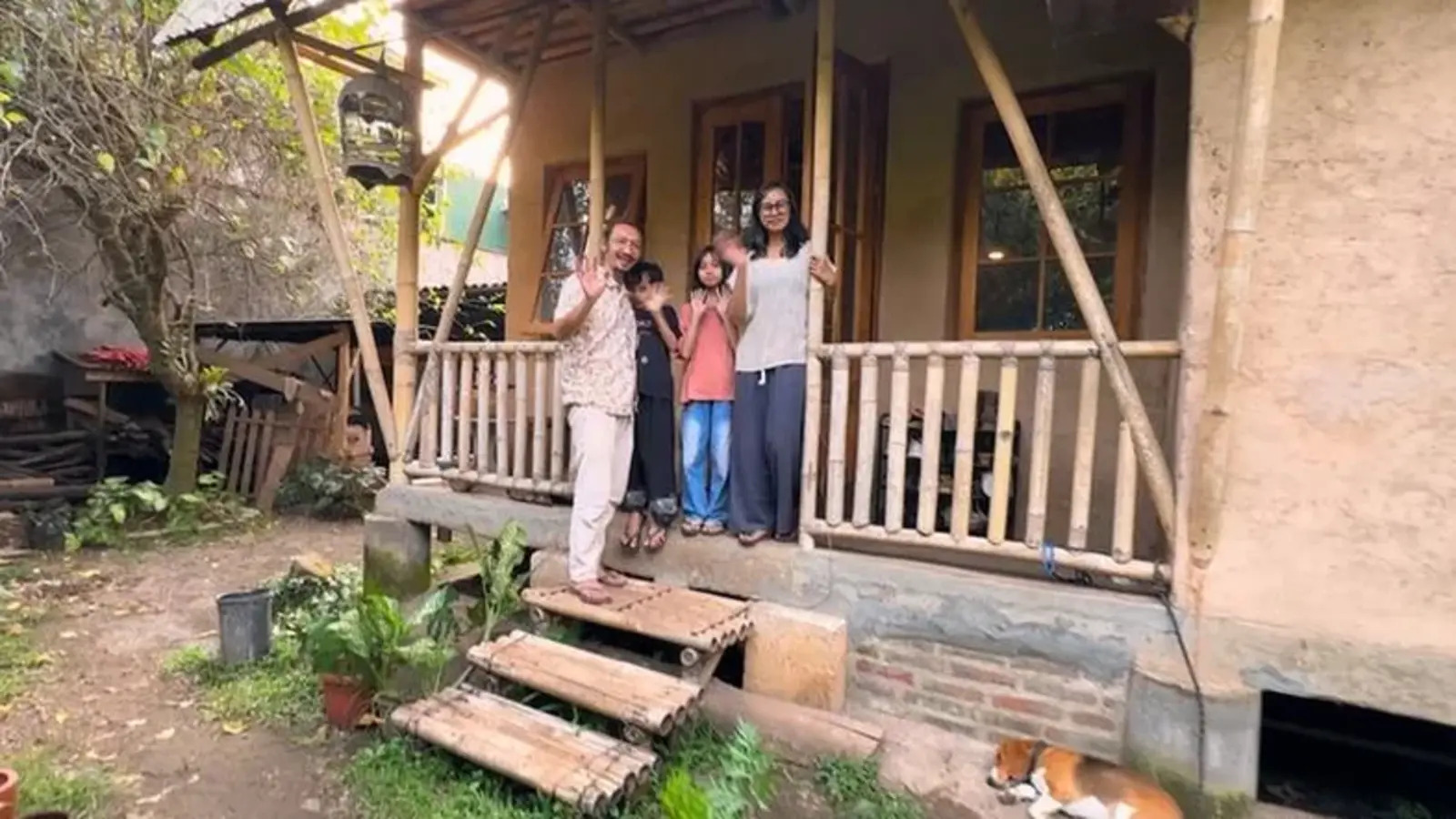
With earth, bamboo, straw, and lime mortar, a specialist builds a house for just over $460 and draws attention for its cost being much lower than traditional construction.
-
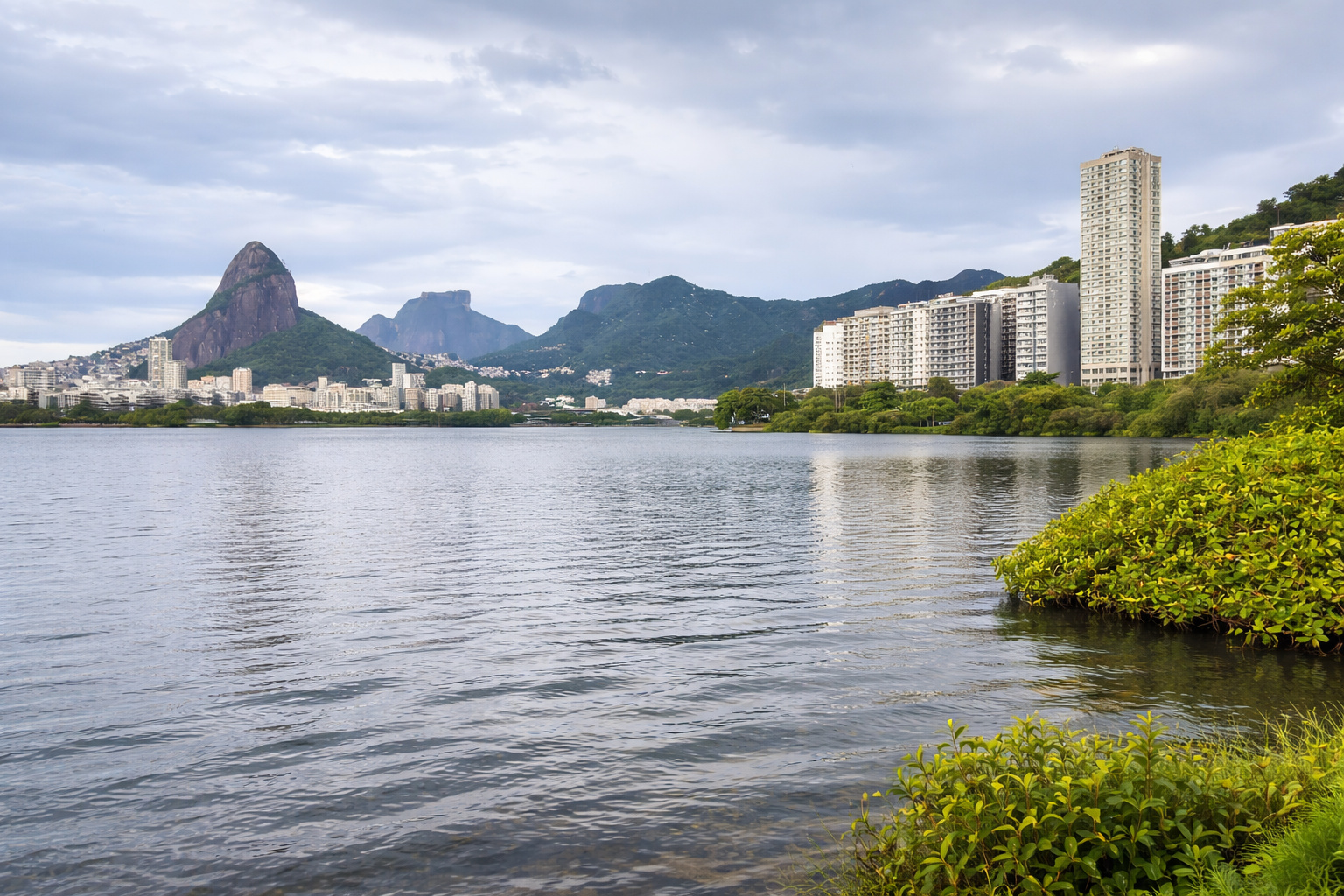
Rodrigo de Freitas Lagoon advances in environmental recovery with sanitation, elimination of irregular sewage, and the resumption of water sports in Rio de Janeiro.
-
Sustainable housing gains strength with a nationally awarded project in Campo Grande, highlighting innovative solutions that combine sustainability, urban integration, and efficiency in the use of natural resources.

-
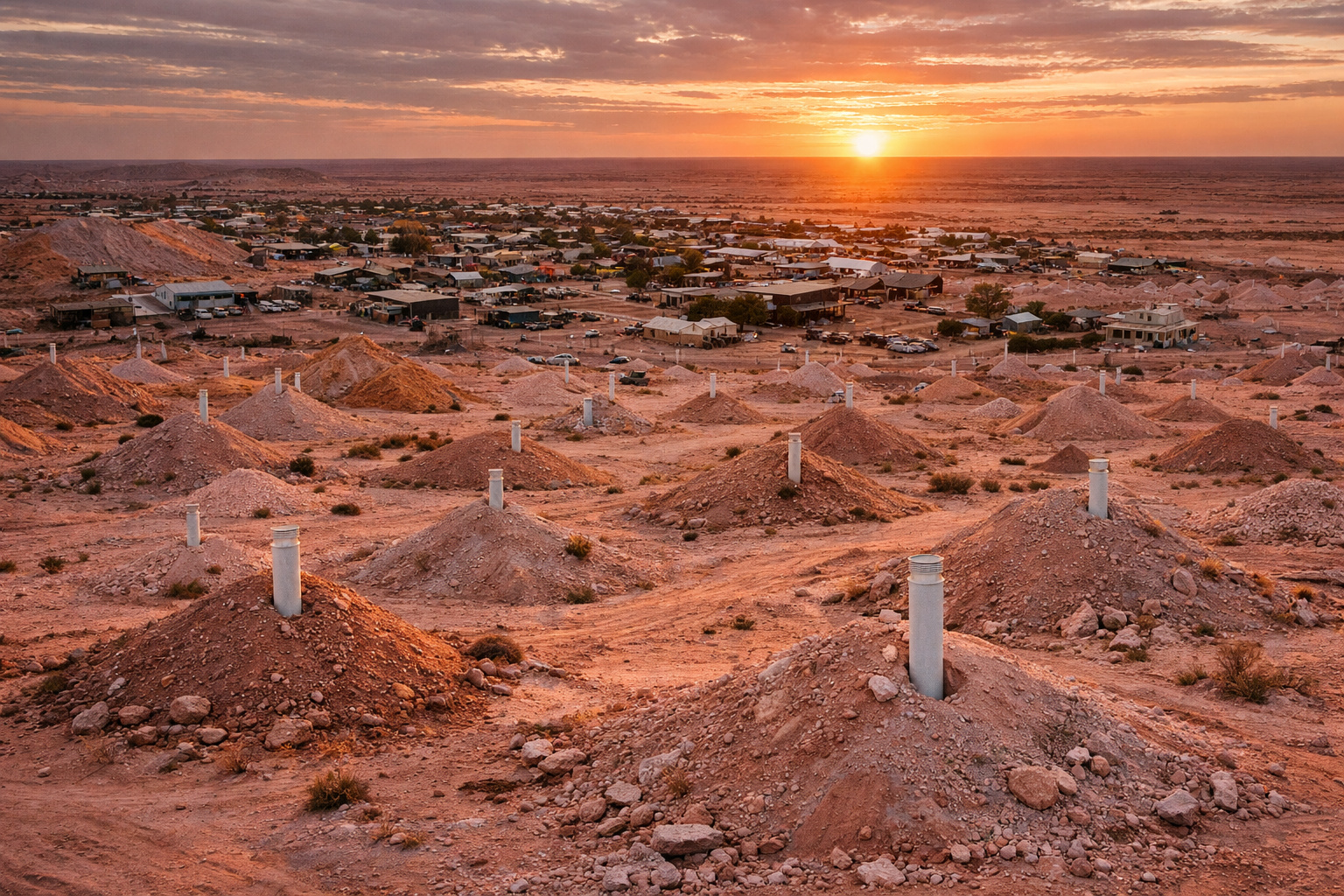
City Where Residents Live Underground to Escape 52°C May Be a Picture of the Future on an Increasingly Hot Planet
Faced with this worrying scenario, the residents decided to take action.
How The Creation Of Artificial Glaciers Works In Ladakh

In the province of Ladakh, located in one of the highest areas of India, men have started working in the middle of the night during the harsh winter. As temperatures plunge, they use pipes to collect the leftover water during this season.
Next, these pipes launch the water into the frigid air. Since the intense cold dominates the region, the water freezes immediately. However, it does not freeze randomly. The water accumulates on a structure made of strategically positioned cables, forming a layered artificial glacier.
This process transforms winter, previously seen only as a period of extreme cold, into a strategic opportunity for water storage. In other words, the residents convert low temperatures into an ally against water scarcity.
In addition, the technique does not rely on sophisticated technology or expensive industrial equipment. On the contrary, it utilizes simple principles of physics and adaptation to the local environment. Therefore, experts consider the model a sustainable, low-cost, and highly replicable solution in cold regions facing similar challenges.
The Importance Of Water In Spring
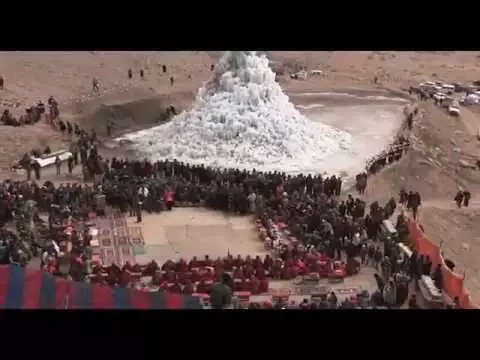

The true impact of the innovation appears in spring. As temperatures begin to rise, the artificial glaciers start to melt slowly. Thus, the water stored during winter is released exactly when farmers need it the most.
Consequently, the agricultural cycle remains active. The crops receive sufficient irrigation, the fields stay green, and the communities preserve their source of income and subsistence.
“It’s brilliant to see the results of our hard work, with all this greenery,” say residents involved in the project. The sense of pride reflects not only technical success but also the cultural resilience of the region.
Since 2013, the artificial glaciers have generated three million liters of water. This volume represents a crucial difference for villages that directly depend on mountain agriculture.
Global Warming And Climate Adaptation
The case of Ladakh also highlights a fundamental point in the climate debate: while global warming alters natural melting patterns, vulnerable communities need to develop adaptive solutions to survive.
The natural glaciers of the Himalayas continue to be a massive water reservoir. However, accelerated melting threatens the stability of the regional water system. Therefore, initiatives like the creation of artificial glaciers serve as a practical response to changes in the environmental cycle.
Furthermore, the project demonstrates how traditional knowledge and community innovation can work together. Instead of waiting for significant external investments, the residents utilized available resources and local intelligence to confront the crisis.
Ultimately, the experience of Ladakh shows that even in extreme scenarios, it is possible to turn adversity into opportunity. By creating their own glaciers, these men not only store water but also build hope.
And what about you? Do you believe that simple, local solutions like this can be the key to facing the global water crisis?










-

-

-

5 pessoas reagiram a isso.