





 Portuguese
  English
  Spanish
  4 min of reading
  0 comments


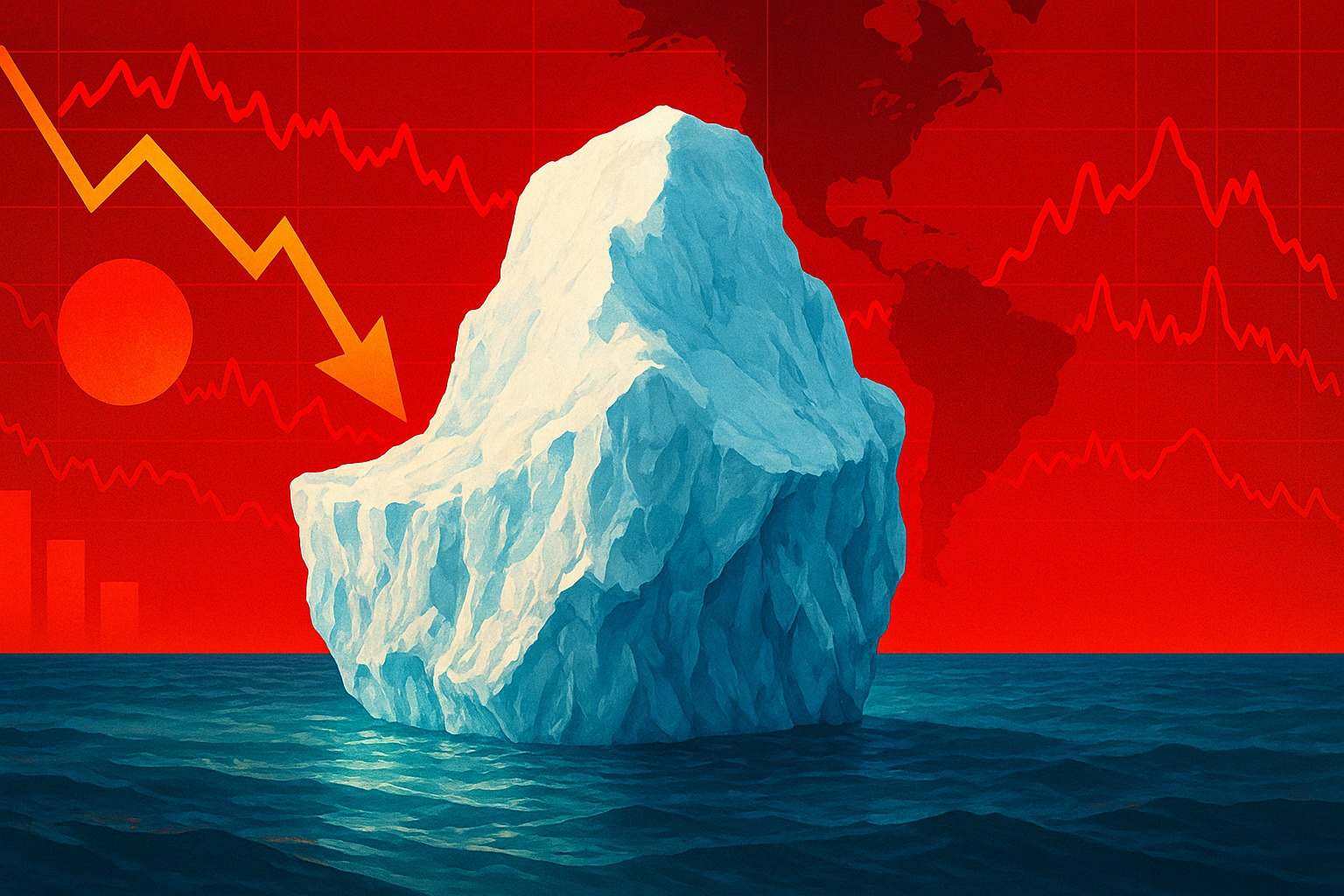
Abrupt And Unprecedented Changes Hit The Ice Continent, With Record Ice Loss, Collapse Of Currents, And Threat To Global Climate.
The Antarctic has always seemed like an untouched place, isolated from the rest of the planet. However, this image has shattered. The ice continent and the ocean that surrounds it are undergoing rapid and concerning transformations that are surprising even the most experienced scientists.
Sea ice is shrinking at an alarming rate, and the floating glaciers are melting faster than ever.
The signs of instability do not stop there. The massive layers of land ice are approaching tipping points, and the deep ocean currents, essential for the global climate, are showing signs of slowing down.
-
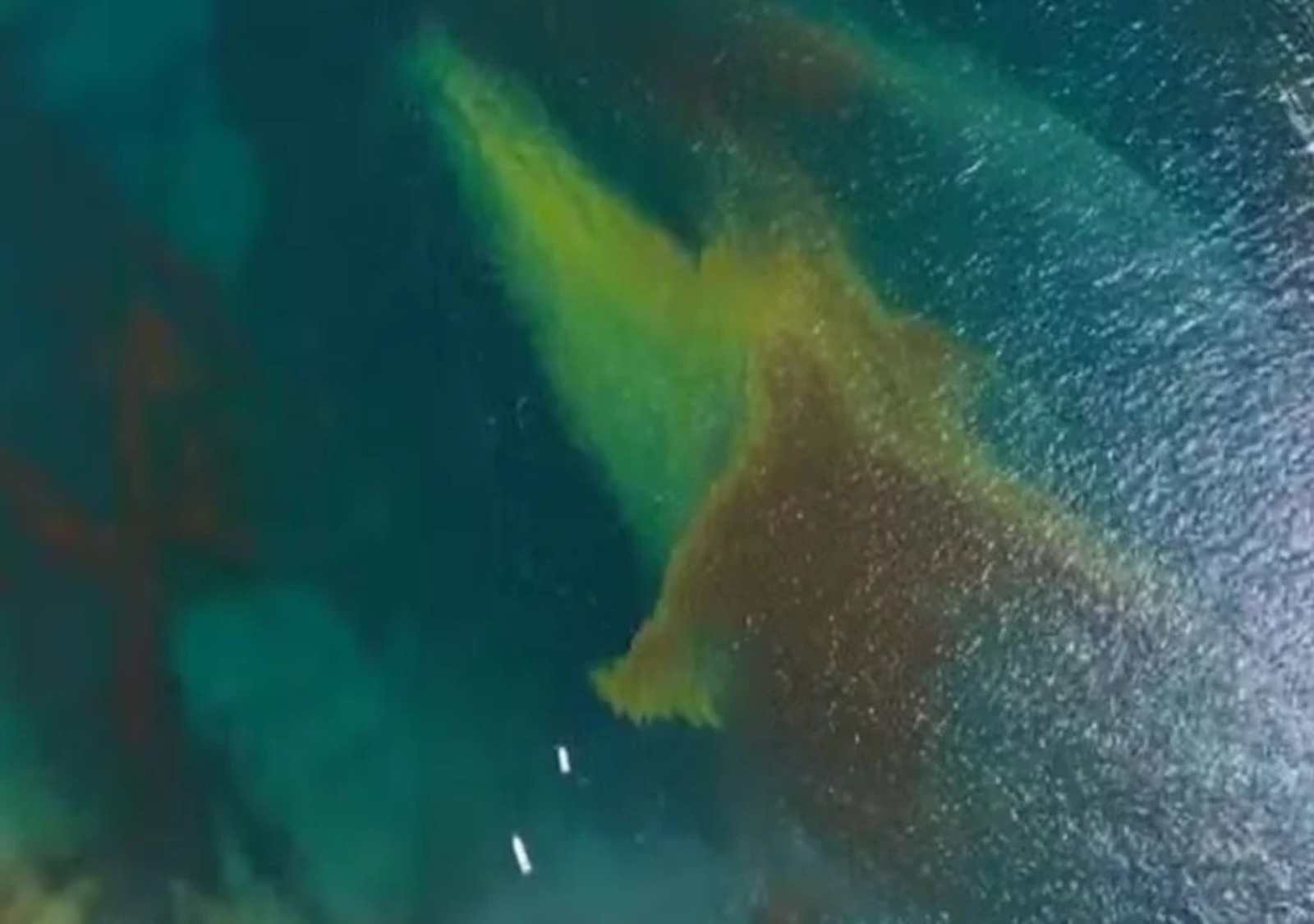
Alert in Ilhabela: reddish stain in the sea may pose risks to bathers at Curral and Veloso beaches this month.
-
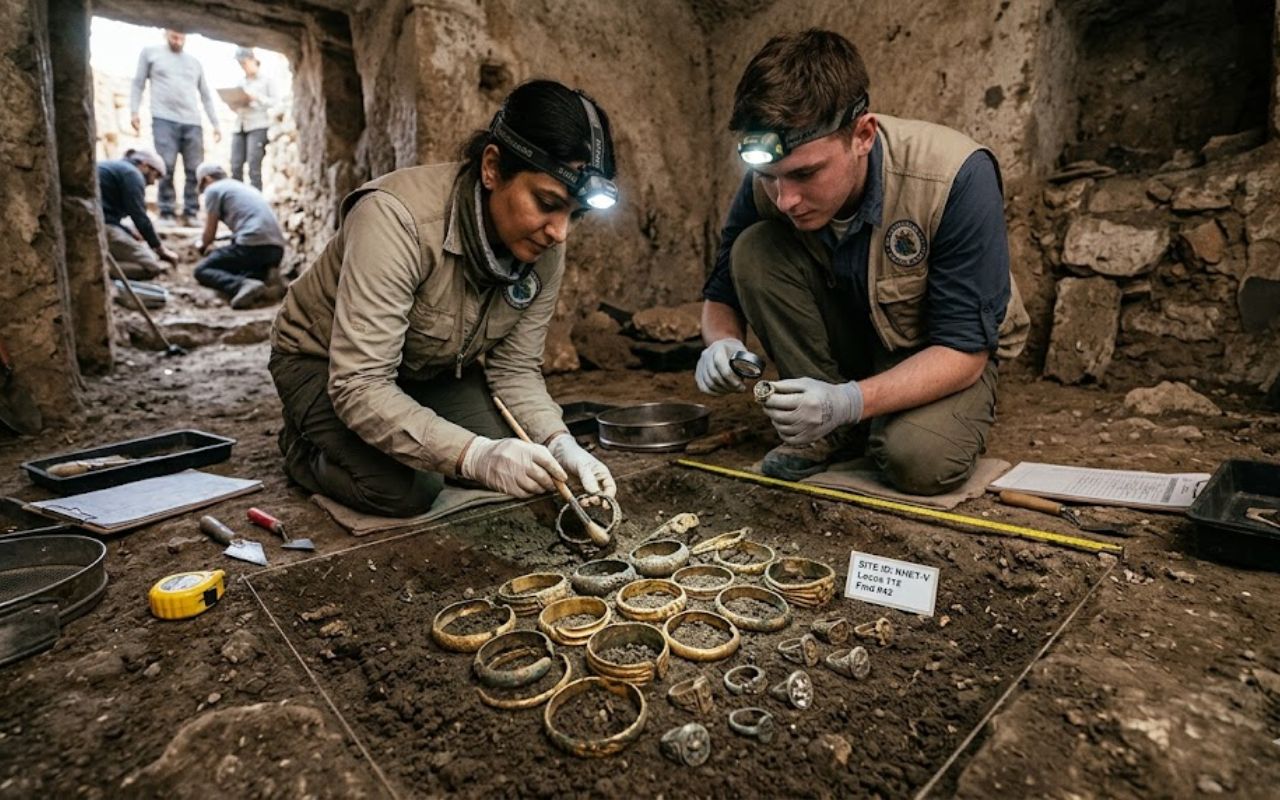
Archaeologists discover cemetery with 160 tombs; one of them belonged to an elite woman dated to 3,000 years ago and accompanied by 19 bronze bracelets.
-
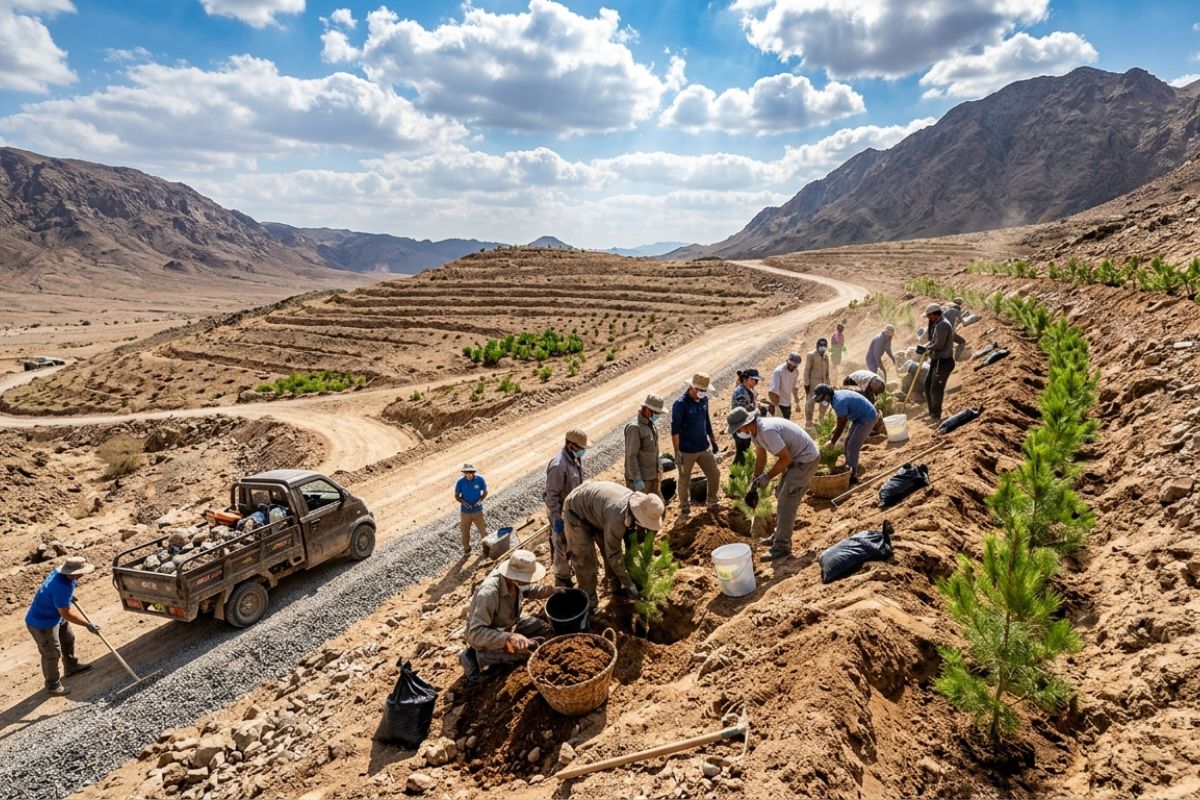
To transform desert into forest, the owner prepares a road, gravel, and ramps for 12 volunteers; a mini Chinese truck carries stones, while 50 Afghan pines receive manure, biochar, and cactus glue before the rain.
-
A study with 280,000 people reveals that concern about money can increase the risk of heart problems more than smoking and places financial pressure at the center of health.


A study published in the journal Nature reveals that these abrupt changes have already begun and are likely to intensify in the future.
The Dangerous Logic Of Abrupt Changes
Abrupt changes occur when the environment changes much faster than expected. The problem is that these processes amplify.
When sea ice melts, the dark ocean absorbs more heat, which accelerates melting. Once initiated, these changes become difficult, or even impossible, to reverse within human timeframes.
For decades, Antarctica has responded discreetly to warming caused by human activities, very different from the Arctic. But in the last ten years, the scene has changed. Sudden transformations have emerged, breaking the pattern of stability that seemed solid for centuries.
Declining Sea Ice And Cascading Effects
The natural systems of Antarctica are all interconnected. When one becomes unbalanced, the others feel the impact.
Since 2014, the sea ice around the continent has been decreasing at an impressive rate. The rate of retreat is twice that observed in the Arctic.
Researchers state that this loss is far beyond natural variability. Sea ice reflects heat out to space, helping to keep the oceans cool.
When it disappears, the dark sea absorbs more heat. This threatens emperor penguins and other species that depend on ice for breeding. With less ice, the floating platforms become more vulnerable to waves.
Ocean Currents Slowing Down
The melting of ice does not only affect the surface. The freshwater flowing into the sea slows down the deep ocean circulation in the region, known as the Antarctic overturning circulation.
This system helps regulate the global climate by distributing heat and absorbing carbon dioxide.
Now, scientists are noting signs that this circulation may be weakening at an accelerated rate, up to twice as fast as the famous Atlantic Meridional Overturning Circulation, which is already showing a decline in the Northern Hemisphere.
If Antarctic circulation decreases, less oxygen and nutrients will reach the deep ocean layers, harming marine life and climate regulation.
Ice Colossi At Risk
The West Antarctic ice sheet, and parts of the East, have been losing mass rapidly since the 1990s. The loss has increased sixfold during this period and is already contributing to sea level rise.
The western layer alone holds enough ice to raise ocean levels by more than five meters.
Experts warn that this layer could collapse even without significant additional warming, though this process could take centuries or millennia.
These ice giants represent a global tipping point and are the greatest uncertainty in projections about future sea levels. It is unknown how quickly they may break apart.
Today, over 750 million people live in low-lying coastal areas. Sea level rise threatens communities and infrastructure on all continents, creating incalculable social and economic risks.
Ecosystems And Species Under Pressure
Rapid changes are affecting not only the ice. Antarctic ecosystems, both underwater and on land, are being reshaped.
Higher temperatures, unstable ice, and pollution brought by human activities are profoundly altering the environments. Invasive species are also increasingly reaching the continent.
The Antarctic Treaty provides for the protection of these environments, with preservation areas on land and at sea and restrictions on certain human activities.
But this is not enough to save iconic species like emperor penguins and leopard seals. For them to survive, it will be necessary to drastically reduce greenhouse gas emissions.
An Uncertain Future
For a long time, Antarctica symbolized permanence. Now, it is changing at an unexpected speed, much above forecasts.
Decades of uncontrolled greenhouse gas emissions are trapping extra heat in the atmosphere and driving these abrupt transformations.
The only way to avoid even worse changes is to cut emissions rapidly, keeping warming close to 1.5 °C.
Even if the world achieves this feat, many changes have already begun. Governments, businesses, and coastal communities need to prepare for impacts that will come.
What happens in Antarctica will not remain confined to it. The choices made now will determine whether we face a future of irreversible impacts or controlled adaptation to the changes already underway.





Seja o primeiro a reagir!