





 Portuguese
  English
  Spanish
  3 min of reading
  0 comments


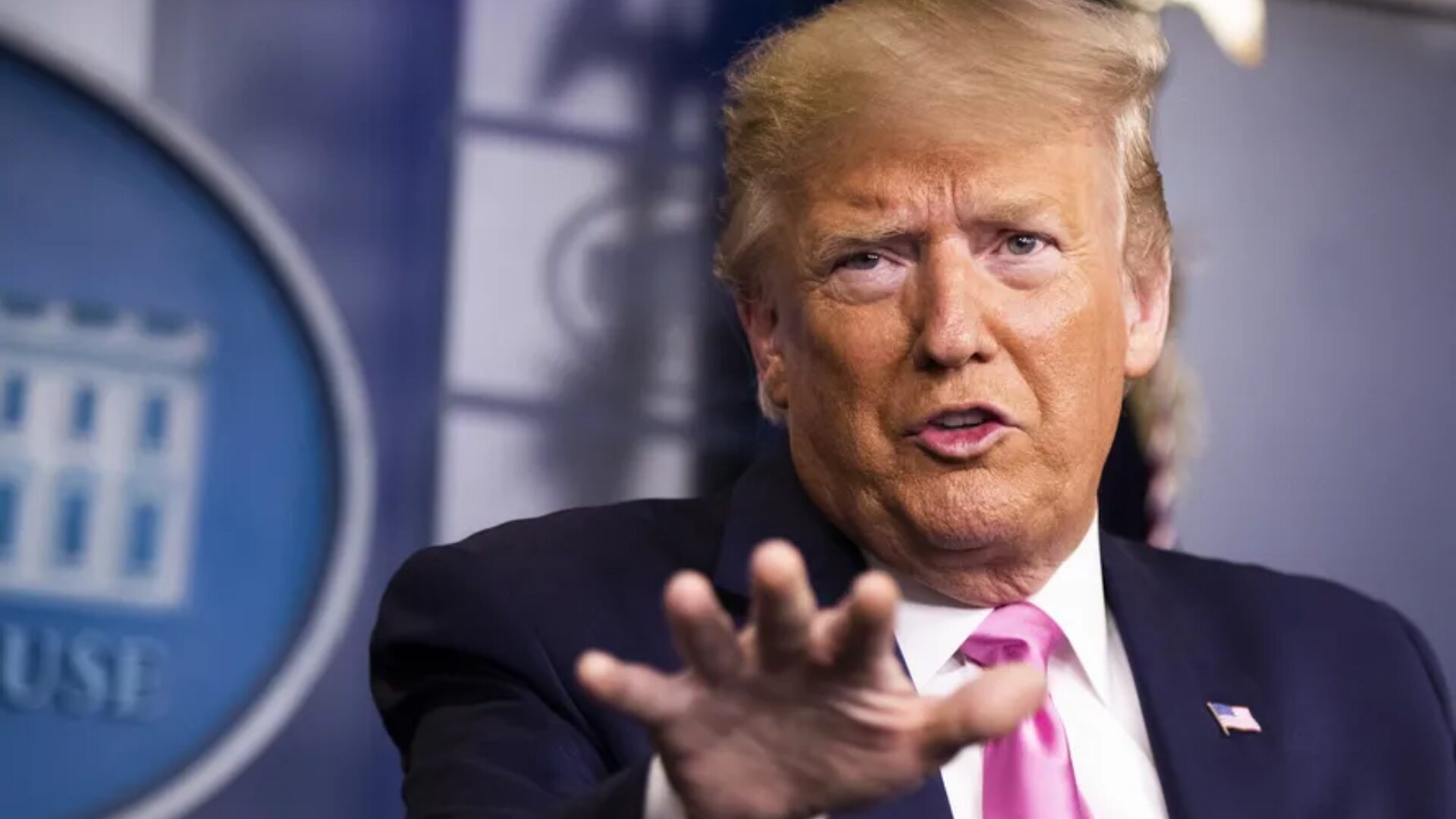
GM Executive Mary Barra Highlights Financial Challenges And Progress In Electrification Amid Commercial Uncertainties
The General Motors (GM) expressed its gratitude to former President Donald Trump in a quarterly letter, but did not hesitate to highlight the financial challenges that trade tariffs bring to the automaker.
GM CEO Mary Barra began the correspondence with a conciliatory tone, mentioning Trump’s support for the U.S. automotive industry, but quickly addressed the negative impact of tariffs, which could result in a loss of up to $5 billion.
Impact of Tariffs on the Automotive Industry
The current scenario presents a complex political and economic juggling act for General Motors.
-
A new Brazilian shopping center worth R$ 400 million will be built in an area equivalent to more than 4 football fields, featuring 90 stores, 5 cinemas, a supermarket, a college, and parking for 1,700 cars, potentially generating 3,000 jobs.

-
Larger than entire cities in Brazil: BYD is building a 4.6 km² complex in Bahia with a capacity for 600,000 vehicles per year, but the discovery of 163 workers in conditions analogous to slavery has shaken the entire project.

-
With an investment of R$ 612 million, a capacity to process 1.2 million liters of milk per day, Piracanjuba inaugurates a mega cheese factory that increases national production, reduces dependence on imports, and repositions Brazil on the global dairy map.

-
Brazilian city gains industrial hub for 85 companies that is equivalent to 55 football fields.


The tariffs imposed by the previous government, aimed at protecting the domestic industry, are now turning into a significant challenge, forcing the automaker to adjust its strategies.
The tariffs can raise production costs and, consequently, vehicle prices, which may discourage sales and affect the company’s profitability.
Still, GM has shown resilience amid this adversity.
Despite the uncertainty caused by tariffs, the automaker reported a 2% increase in revenue compared to the previous year, demonstrating advances in the electric vehicle sector.
GM has emerged as the second largest seller of electric cars in the U.S., just behind Tesla, signaling a strong commitment to electrification and innovation.
Advancements in Electric Vehicles
The Equinox EV and Blazer EV models have positioned Chevrolet as the fastest-growing electric car brand in the country, responding to a growing demand for sustainable transportation solutions.
General Motors has heavily invested in battery technology and charging infrastructure, reinforcing its position in the electric vehicle market.
Moreover, GM leads the production of lithium-ion batteries in the U.S., a strategic advantage in a market increasingly seeking sustainable alternatives.
Economic Challenges and Profit Forecasts
However, the company was forced to suspend its profit forecasts for the year, classifying any estimate as a mere “guess,” as reported by The New York Times.
This uncertainty needs to be approached with caution, especially in a constantly evolving automotive market.
The conference with financial analysts, which was supposed to focus on the first quarter results, has been postponed, awaiting greater clarity on the consequences of Trump’s new measures.
Recently, the former president signed an executive order that partially reversed tariffs that he himself had promoted, which were seen as a driver for the “industrial renaissance.”
With the new rule, automakers that already pay 25% on imported vehicles may be exempt from other tariffs, such as those applied on steel, aluminum, and inputs from Mexico and Canada.
However, in practice, suppliers still face these costs and end up passing them on to automakers, creating a concerning scenario for analysts who predict price increases of up to $10,000 on new cars.
Increase in Sales and Consumer Expectations at General Motors
In April, vehicle sales surged 10.5% compared to the same month last year, with around 139,000 buyers trying to secure prices before new increases.
However, this rush to dealerships is starting to slow down, with automakers suggesting a possible stabilization in prices during the summer.
This market dynamic reflects not only consumer anxiety but also the need for automakers to quickly adapt to changing economic conditions.
General Motors must remain attentive to consumer trends and market expectations, seeking ways to offer products that meet customer demands.
Diplomatic Stance and Dialogue with the Government
Despite the difficulties, Barra chose an optimistic approach in her letter, avoiding mentioning price increases or panic among consumers.
She expressed confidence in Trump’s willingness to engage in dialogue and possibly backtrack on previous decisions, stating: “We look forward to continuing our productive dialogue with the government on trade and other policies as they evolve.”
At this moment, General Motors is playing a waiting game, anticipating the consequences of tariffs and the government’s responses.
However, with billion dollars at stake, this wait could prove costly for the automaker.
GM’s ability to navigate this challenging environment will not only determine its financial health but also its ongoing role in transforming the automotive industry in the United States and the world.
SOURCE: NOTÍCIASAUTOMOTIVAS








Seja o primeiro a reagir!