





 Portuguese
  English
  Spanish
  5 min of reading
  0 comments


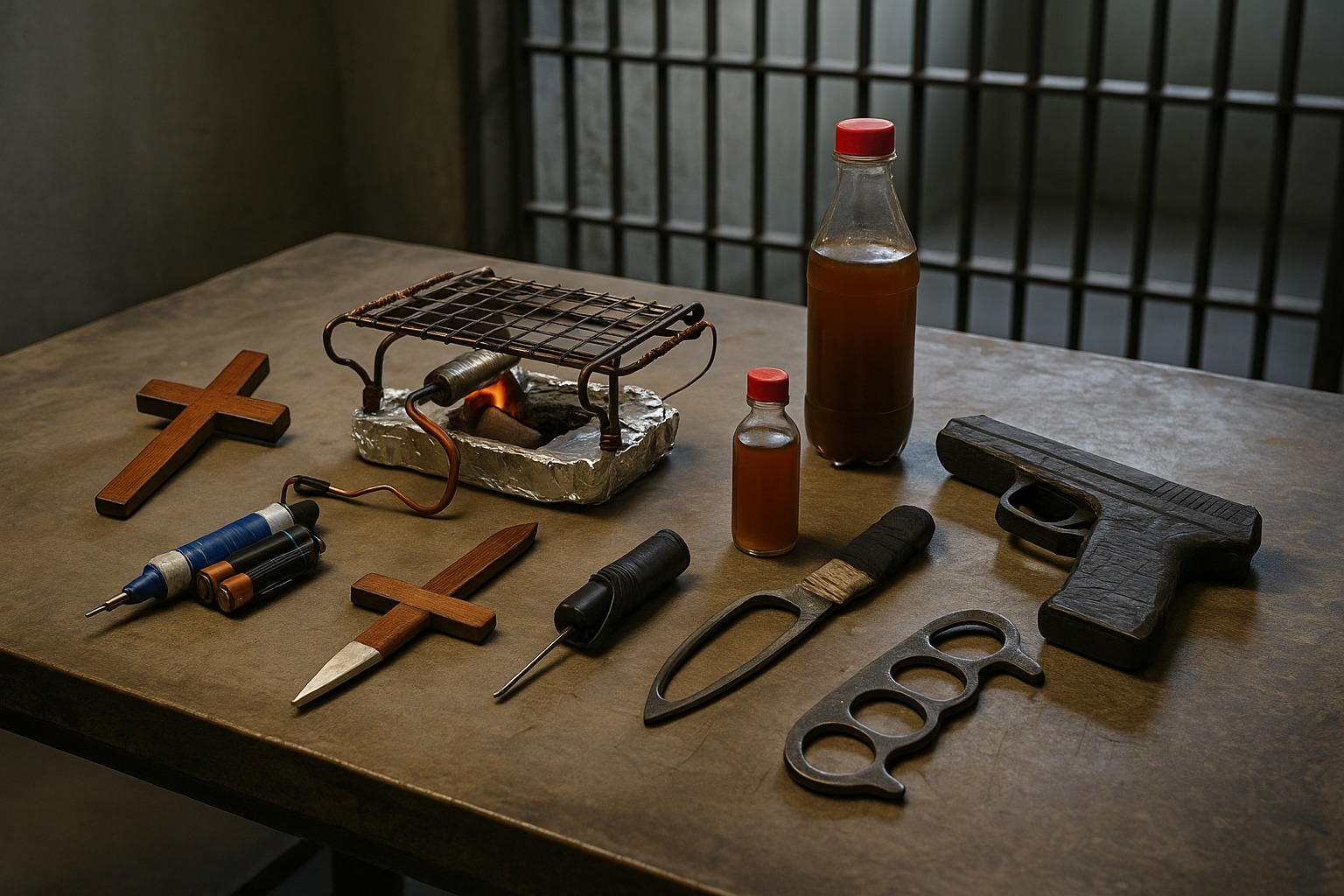
Prisoners From Various Countries Improvise Grills, Weapons, Drinks, and Tools With Minimal Materials, Creating Surprising Solutions That Reveal Creativity, Daily Adaptation, and Improvised Strategies for Comfort, Protection, and Survival
In prisons around different countries, creativity appears in unexpected ways because many inmates seek ways to bypass limitations or improve their daily routine. This capacity for improvisation results in curious devices that reveal surprising skills.
Although the most common image of these inventions is linked to escapes or improvised weapons, various gadgets arise to solve simple everyday problems.
Therefore, objects aimed at comfort also end up gaining space behind bars.
-
A cold air mass that will bring autumn already has a date to arrive and promises to drop temperatures from up to 37°C to a minimum of 10°C, after a sequence of 9 days above 30°C and extreme heat out of the ordinary.

-
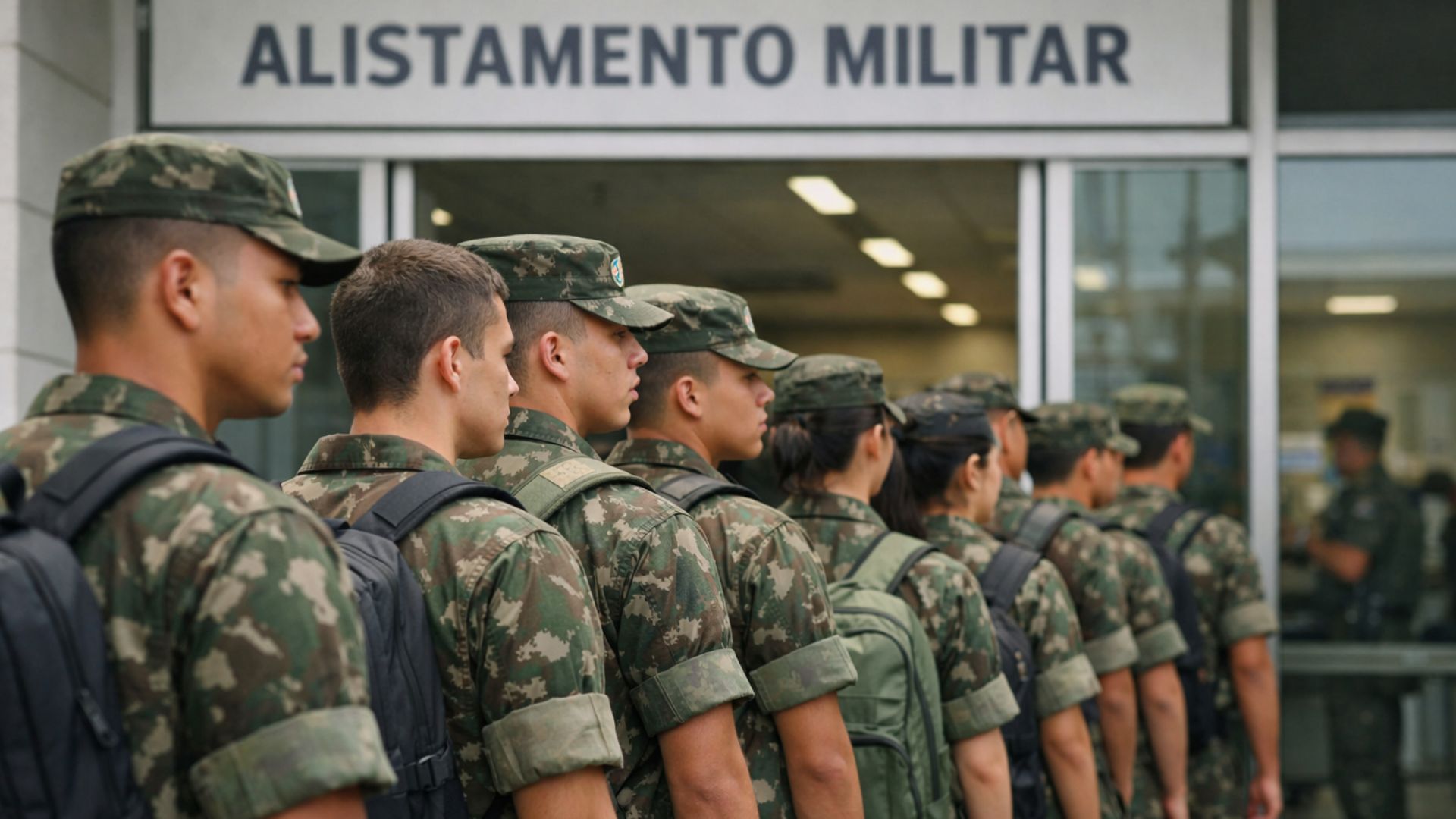
Young people are begging to join the Army due to a shortage of jobs as unemployment hits 16%, with nearly 1 million out of work, military applications soar, and the armed forces shrink to their lowest level in decades in the United Kingdom.
-
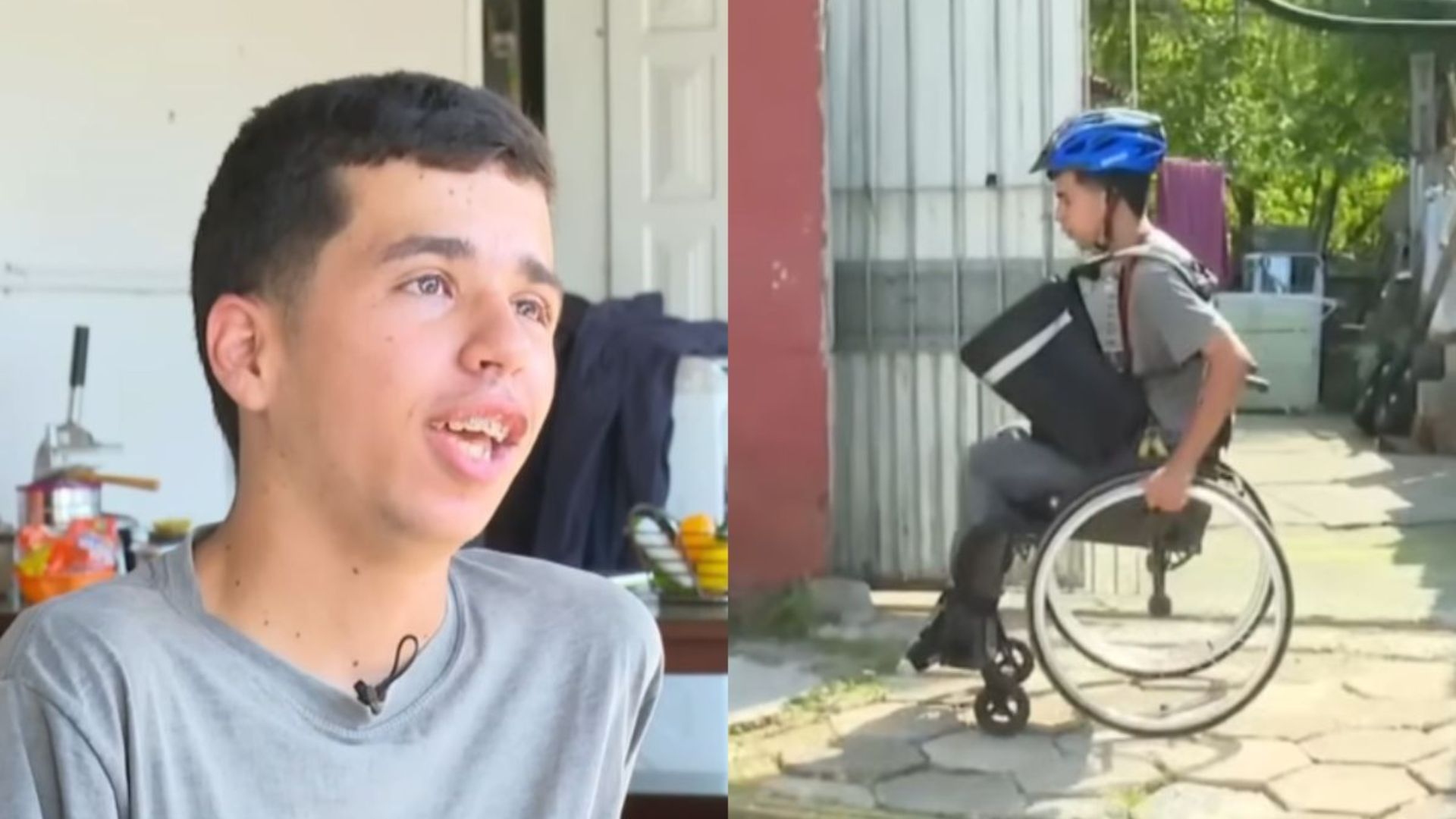
Young wheelchair delivery person goes viral at 19 by making up to 6 deliveries a day within a 1 km radius, living alone in SC, starting on March 5, and receiving a tricycle that can multiply income.
-
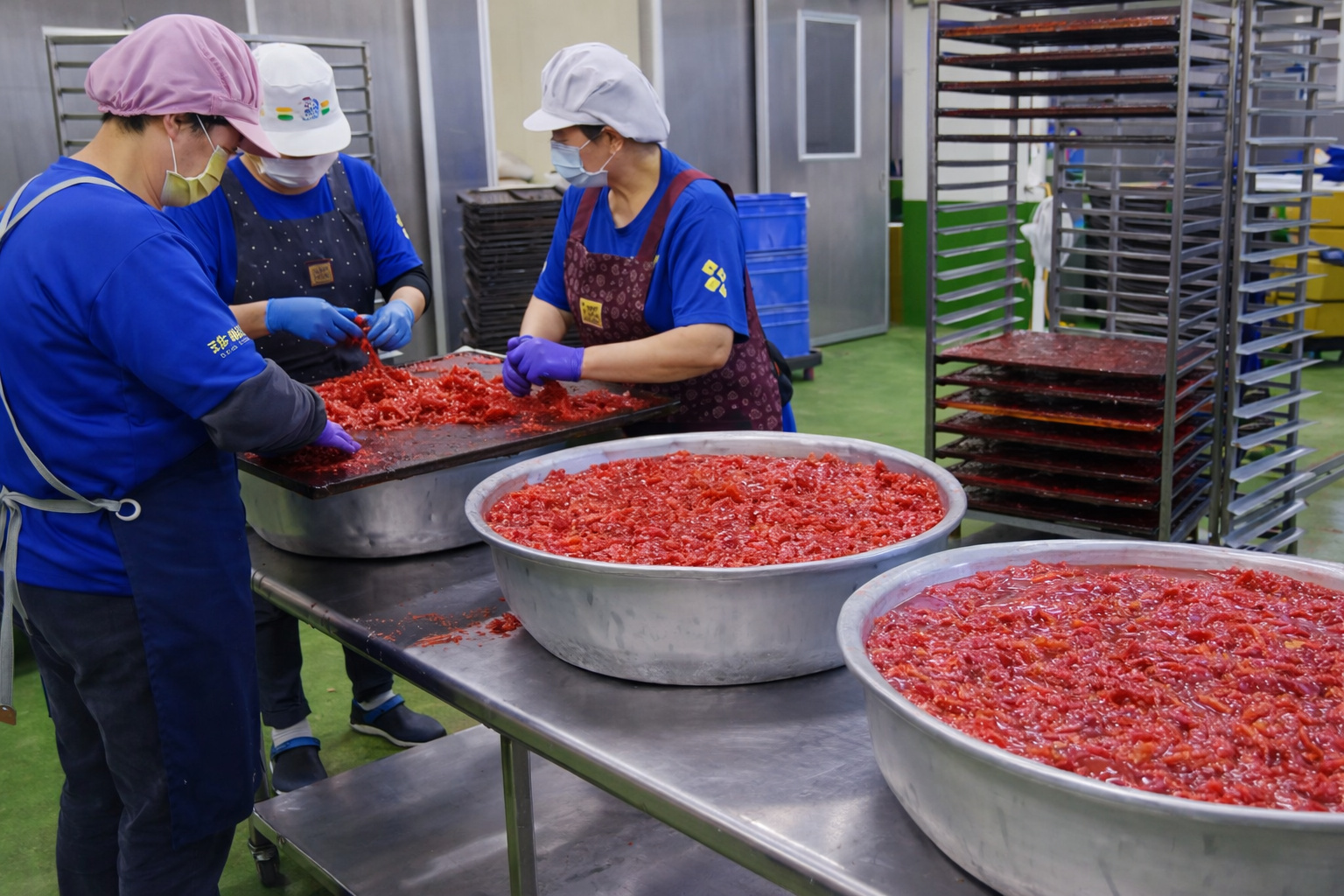
With a production of 3000 kg per day, a dried pork factory in Taiwan uses few machines, slow cooking, and manual labor to maintain quality standards in the food industry and flavors valued by consumers.
The variety is striking. Some devices verge on the improbable. Others demonstrate unexpected technical knowledge.
Moreover, each story shows how improvisation is a constant part of this environment.
See Below a List of Inventions Made by Tech Mundo That Allegedly Were Created by Inmates While They Were Imprisoned
Improvised Grills in German Cells
According to reports and an article published by Tech Mundo, inmates at Ludwigsburg Prison created a handmade grill because they were tired of the food provided in the prison. They used a broken heating element, regular wires, and tin sheets to assemble the structure.
The device functioned as a multifunctional tool. It served to heat food, make toast, and even prepare small barbecues inside the cell, something unthinkable outside this context.
The gadget became a collective utensil and shows how culinary improvisations appear even in extremely controlled environments.
The Tattoo That Became a Tradition
Among the most well-known inventions is the tattoo gun. It replaces painful methods used before, when cuts with blades marked the skin with gang symbols or personal memories.
The unlikely inventors used a small motor, wires, AA batteries, a part from a pen, clips, and a needle taken from the infirmary. The ink comes from a regular pen, which limits the available colors for the designs.
The machine gave a more organized appearance to the process. Therefore, it helped inmates who wished to record identity or bonds on their bodies.
The Clandestine Drink
Even though they are prohibited, alcoholic beverages appear in prisons because some inmates resort to simple fermentation techniques. In many cases, fruits and liquids are smuggled in to start the artisanal preparation.
A heater made with repurposed plugs, wires, and razor blades helps transform the mixture. After that, the drink is placed in improvised bottles for later consumption.
The method also serves to heat liquids during winter. The practice has spread to various prisons.
In Brazil, the version known as “maria louca” uses rice, sugar, and fermented fruit peels directly in toilets. Afterwards, the mixture is heated and divided among various containers.
When Fire is Lacking for the Cigarette
Cigarettes function as a currency for trade. But the absence of a flame creates a simple dilemma. To resolve this, inmates developed lighters with an AA battery wrapped in electrical tape and a stripped wire in the middle.
The cigarette touches the exposed part while the positive and negative terminals of the battery come into contact with the wire. The generated heat substitutes the forbidden lighter in the prison environment.
The solution quickly became popular because it required few materials and worked well.
Adapted Weapons and Defense Methods
Creativity also appears in improvised weapons. Some are made solely for self-defense. Others, however, become extremely dangerous.
An apparently common crucifix hides a sharp blade in its longer shaft. It acts like a sheath and allows the object to be drawn quickly during a fight.
The knuckle duster made with a file taken from the workshop shows another adaptation. The inmate bends the material, wraps the gripping area with fabric, and creates an instrument capable of causing serious injuries.
Replicas of weapons also circulate. Made from milk cartons, paper mache prepared with wet toilet paper and pen ink, they deceive observers from a distance. They serve for rebellions and threats.
Shotgun That Surprised Authorities
In 1984, two German prisoners constructed an improvised shotgun. They used parts from beds, curtain strips, and wood. The gunpowder came from ordinary match heads.
The firing mechanism was triggered by AA batteries and a broken light bulb. The weapon functioned during the escape. They shattered a bulletproof glass panel while fleeing.
The episode marked the prison history of the country. It demonstrated how far creativity could go when combined with the intent to escape.
Objects Inspired by Video Games
In a prison in Wales, an inmate created replicas of weapons inspired by the series Final Fantasy. The pieces startled directors. The level of detail caught attention.
These objects reveal how cultural references enter prison routines. They also demonstrate that the environment does not eliminate artistic skills.
Inventions That Tell Stories of Adaptation
Each gadget shows something about daily life. Improvisation arises because life behind bars imposes constant scarcity.
The environment limits resources but does not limit creativity. Therefore, objects emerge as a practical response to the lack of common tools.
Countless stories document this behavior. Wires, batteries, blades, pieces of metal, and plastics transform into items for direct use. In some cases, they serve domestic functions. In others, they become weapons.
The difference in purposes is evident, but the logic of creation remains. Everything stems from necessity.
Some equipment impresses with its simplicity. Others with their boldness. Some even seem funny, as some inmates would say, but reveal real adaptation.
The collection of these inventions forms an intriguing portrait of life in prisons. It shows that creativity is not limited by place. It is driven by motivation.
Beyond all this, each story reveals layers of prison daily life that often go unnoticed in formal accounts.
These small improvised solutions help to understand the routine of those who live under constant surveillance.
They also expose contradictions. The same creativity that facilitates comfort can generate dangerous tools. But in the end, they show individuals dealing with extreme limitations through improvised means.
These inventions, therefore, serve as silent testaments to human ingenuity, even in scenarios marked by the absence of freedom.
With information from Tech Mundo.





-

3 pessoas reagiram a isso.