





 Portuguese
  English
  Spanish
  5 min of reading
  0 comments


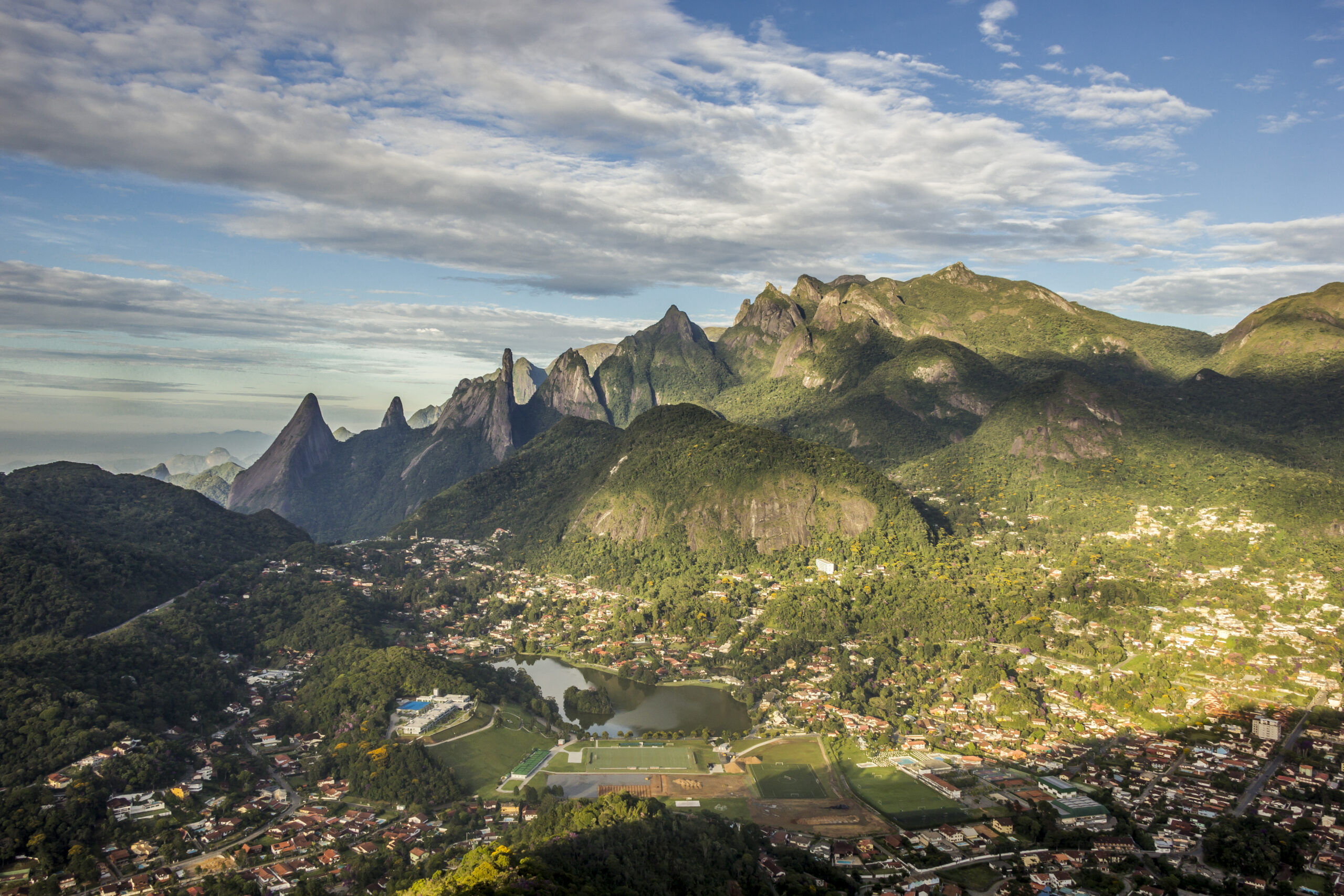
New IBGE system redefines geomorphological criteria and recognizes elevated formations in the national territory, consolidating unprecedented scientific consensus and updating the understanding of Brazilian relief in different regions.
On April 1, 2026, Revista Pesquisa FAPESP published one of the most relevant consensuses in recent Brazilian geography: Brazil does have mountains. This conclusion is the result of more than six years of studies coordinated by the Brazilian Institute of Geography and Statistics, IBGE, in partnership with researchers and scientific institutions in the country.
Until then, the academic community itself did not have unanimity on the subject. For decades, many experts considered that Brazil did not possess mountains in the classical sense, mainly because it does not present young mountain ranges like the Andes or the Himalayas.
This understanding changed with the creation of the Brazilian Relief Classification System (SBCR), which began to establish standardized technical criteria to identify and classify the forms of national relief.
-
A vacuum robot with a five-axis mechanical arm capable of picking up objects from the floor, avoiding obstacles in real time, and continuing to clean on its own inaugurates a new generation of appliances that see, think, and act within the home.

-
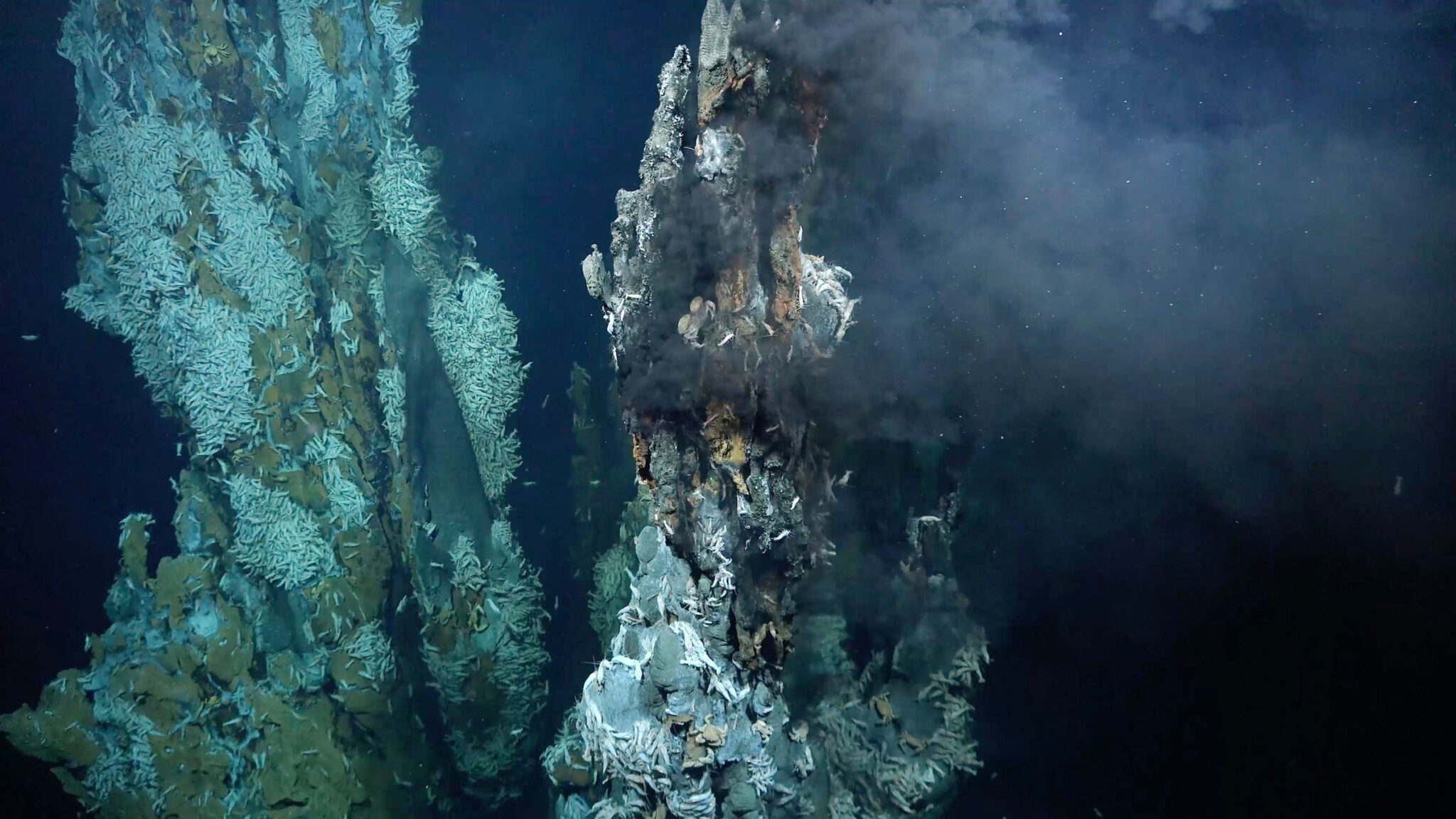
At a depth of 3,800 meters in the Atlantic, scientists have discovered a “lost city” with white towers up to 60 meters tall that has been active for over 120,000 years without relying on volcanoes.
-
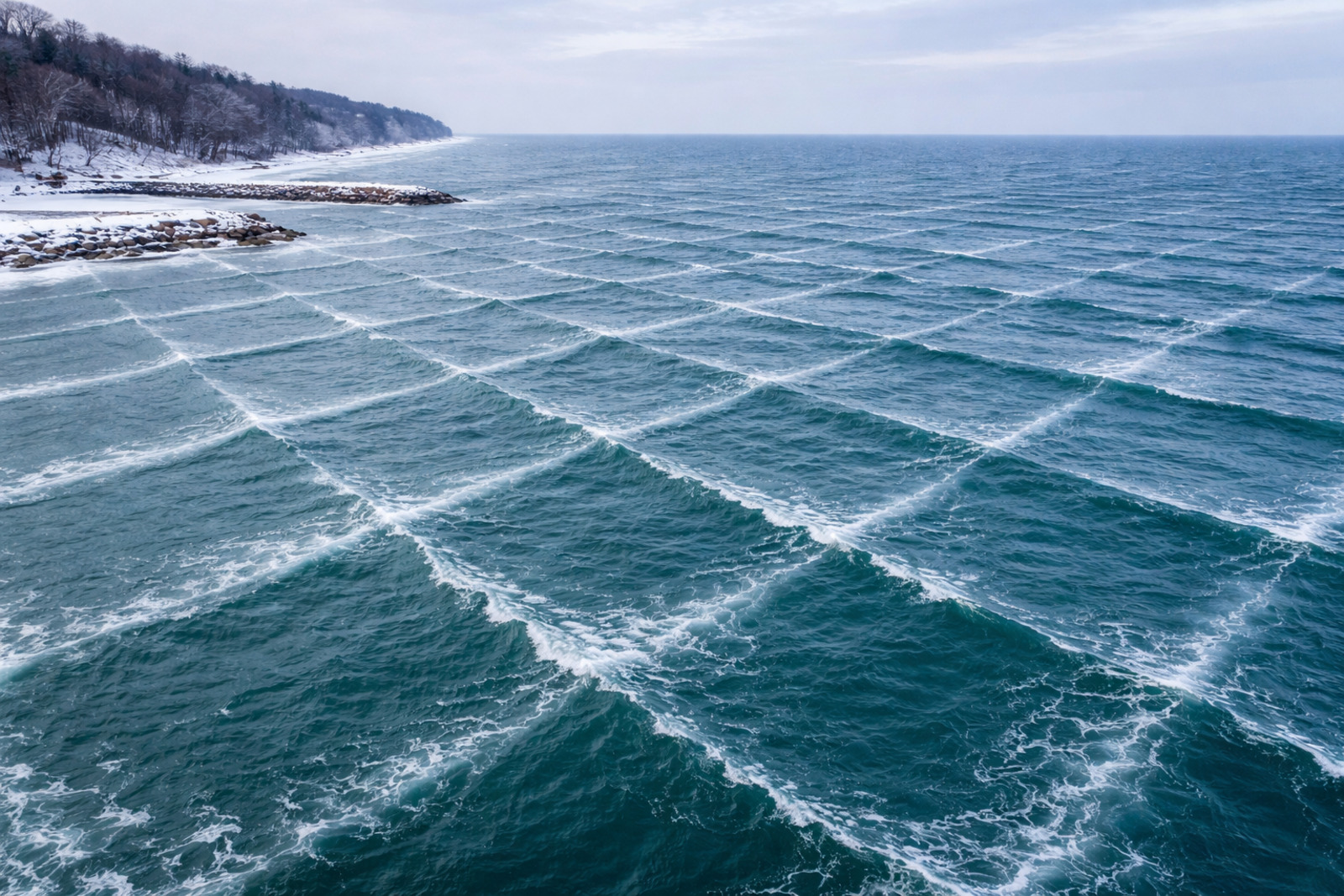
Rare phenomenon intrigues science: video captures extremely rare square waves on Lake Michigan and geometric pattern near Indiana impresses.
-
A nutritionist reveals that the real villain of your breakfast is not butter or eggs, but rather the excess of white bread, cookies, and refined sugar that you consume every day without realizing the damage it causes.


New relief classification system redefines the concept of mountain in Brazil
The central point of this change lies in the technical definition of what a mountain is. According to the new system adopted by IBGE, a mountain is not determined solely by absolute altitude. The criteria now primarily consider:
- Height difference relative to the surroundings;
- Steep slopes;
- Sharp or ridged tops.
Based on these parameters, relief forms with at least 300 meters of altimetric amplitude relative to neighboring areas were classified as mountains, regardless of total altitude.
This technical detail completely changes the reading of the Brazilian territory, as it allows the recognition of old and eroded structures as mountains, even without high altitudes.
Mountains identified in 14 Brazilian states with scientific basis
The application of these criteria led to a direct result: the presence of mountains was confirmed in 14 Brazilian states, distributed across different regions of the country. According to the studies, these formations appear from Amazonian areas to regions in the South and Southeast, including states such as:
- Roraima;
- Bahia;
- Minas Gerais;
- Ceará;
- Rio de Janeiro;
- Santa Catarina.
These mountains do not form continuous chains like the Andes, but appear in blocks and ancient systems, often heavily eroded over millions of years. In some states, such as Rio de Janeiro, the mountains occupy about one-third of the territory, demonstrating that these formations are more common than previously thought.
Why Brazil seemed to have no mountains for so long
The idea that Brazil does not have mountains is directly linked to the geology of the territory. The country does not present young mountain ranges formed by recent tectonic processes, as occurs in plate collision regions. This led many researchers to associate the concept of mountain only with areas of active orogenesis.
However, the Brazilian territory is composed of much older structures that have been intensely worn down by erosion over millions of years. This wear has reduced altitudes and softened forms, making it difficult to recognize these structures as mountains under traditional criteria.
The new classification corrects this distortion by considering not only geological origin but also the current morphology of the relief.
Examples show that not every high altitude is considered a mountain
One of the most curious points of the new classification is that high altitude does not guarantee that a formation is considered a mountain. One of the most emblematic examples is Mount Roraima, with an altitude of about 2,810 meters.
Despite being one of the highest elevations in the country, it is not classified as a mountain because it has a flat top, being categorized as a plateau. Similarly, formations known as Pão de Açúcar (RJ) and Pico do Cabugi (RN) also do not fall into the classification of mountains according to the new criteria. This shows that the shape of the relief has become more important than isolated altitude.
Brazilian Relief Classification System creates unprecedented standard in the country
The SBCR represents a structural change in Brazilian geography. Developed since 2019 by IBGE in partnership with the Geological Service of Brazil, the Brazilian Geomorphology Union, and universities, the system aims to standardize the way relief is described in the country.
It organizes the relief into hierarchical categories and creates a common language for researchers, public agencies, and territorial planning.
The introduction of mountains as a formal category within this system marks an important advance, as it corrects previous inconsistencies and brings Brazil closer to international standards of geomorphological classification.
Impacts of the new classification go beyond academic geography
The recognition of Brazilian mountains does not only have scientific impact. According to the researchers involved, this change can directly influence areas such as:
- Urban planning;
- Natural disaster prevention;
- Environmental conservation;
- Tourism.
Steep slopes, for example, are associated with a higher risk of landslides, making their precise identification fundamental for public policies. Additionally, the recognition of these areas can enhance the value of mountainous regions of the country from a tourism and environmental perspective. The classification now has a direct impact on how the territory is interpreted and utilized.
Brazilian mountains are ancient and the result of prolonged geological processes
Unlike young mountain ranges, such as the Himalayas, Brazilian mountains have a much older origin. They formed from geological processes that occurred hundreds of millions of years ago and were subsequently modified by erosion, climate, and surface dynamics.
This long geological history explains why these mountains have more modest altitudes, more softened forms, and fragmented structures. Still, they maintain geomorphological characteristics that justify their classification as mountains within the new system.
New reading of the relief changes how Brazil is viewed geographically
For decades, Brazil has been described as a country with predominantly flat or low-altitude relief. The new classification does not change this general characteristic but adds an important layer of complexity.
The Brazilian territory is now recognized as more diverse than previously thought, with a significant presence of mountainous forms distributed across different regions. This change also brings the country closer to a more modern view of geography, based on technical and internationally comparable criteria.
Brazil has always had mountains, but they have just been officially recognized
The recognition of Brazilian mountains does not represent a recent discovery, but rather a scientific reinterpretation based on new technical criteria. With the consolidation of the Brazilian Relief Classification System, the country adopts a more precise and standardized view of its territory.
Mountains that have always existed but were ignored or classified differently are now officially part of Brazilian geography, altering how the relief is understood, studied, and utilized.
This change shows that even in seemingly consolidated areas of science, new approaches can completely transform the way we see the world.






Seja o primeiro a reagir!