





 Portuguese
  English
  Spanish
  3 min of reading
  0 comments


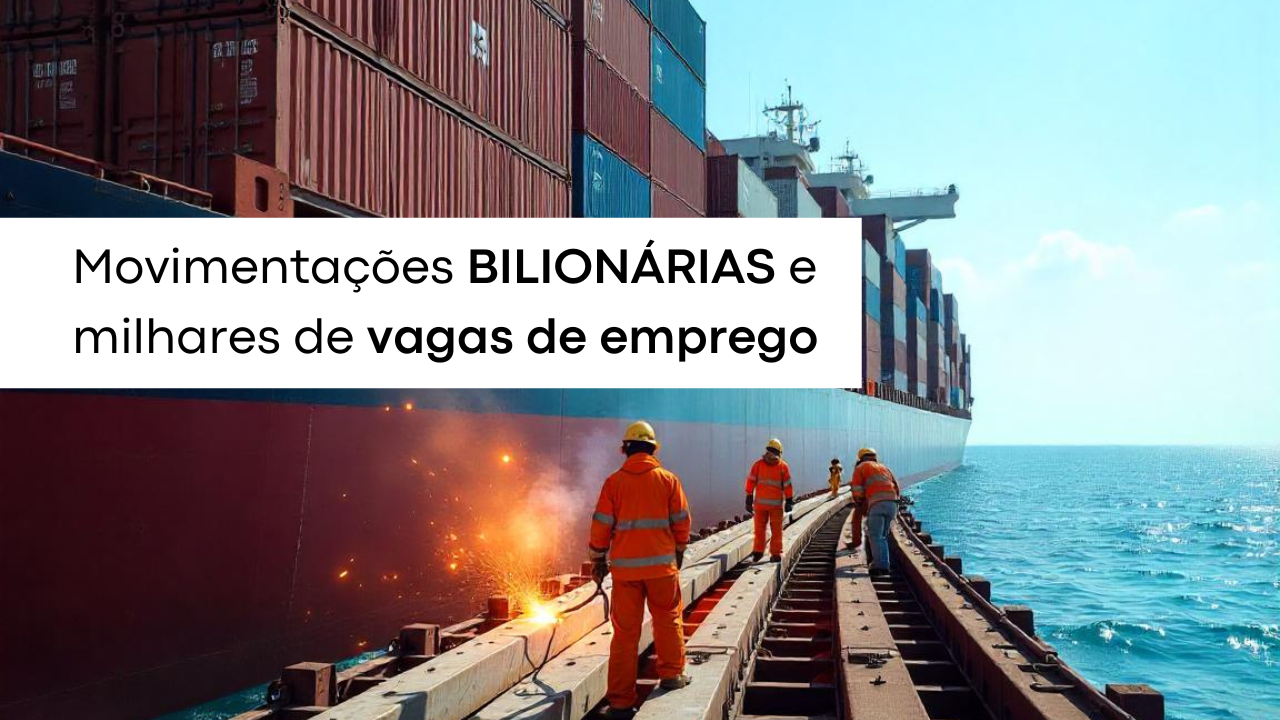
Estimate of Jobs Generated by BNDES Financing in 2024 Is Over 10 Thousand for the Resumption of the Naval Industry!
The National Bank for Economic and Social Development (BNDES) took a significant step in strengthening the Brazilian naval industry with the approval of R$ 6 billion in financing for projects related to the Merchant Marine Fund (FMM), including the creation of several direct job opportunities.
The amount, approved in 2024, represents a historical record and marks a new cycle of investments in the sector, highlighting the importance of financing for the growth of the industry in Brazil.
Resumption of the Naval Sector and Job Creation with BNDES Approvals
The R$ 6 billion approved by BNDES for FMM in 2024 is three times higher than the R$ 1.9 billion allocated to the sector between 2019 and 2022, highlighting the financial boost for the naval industry.
-
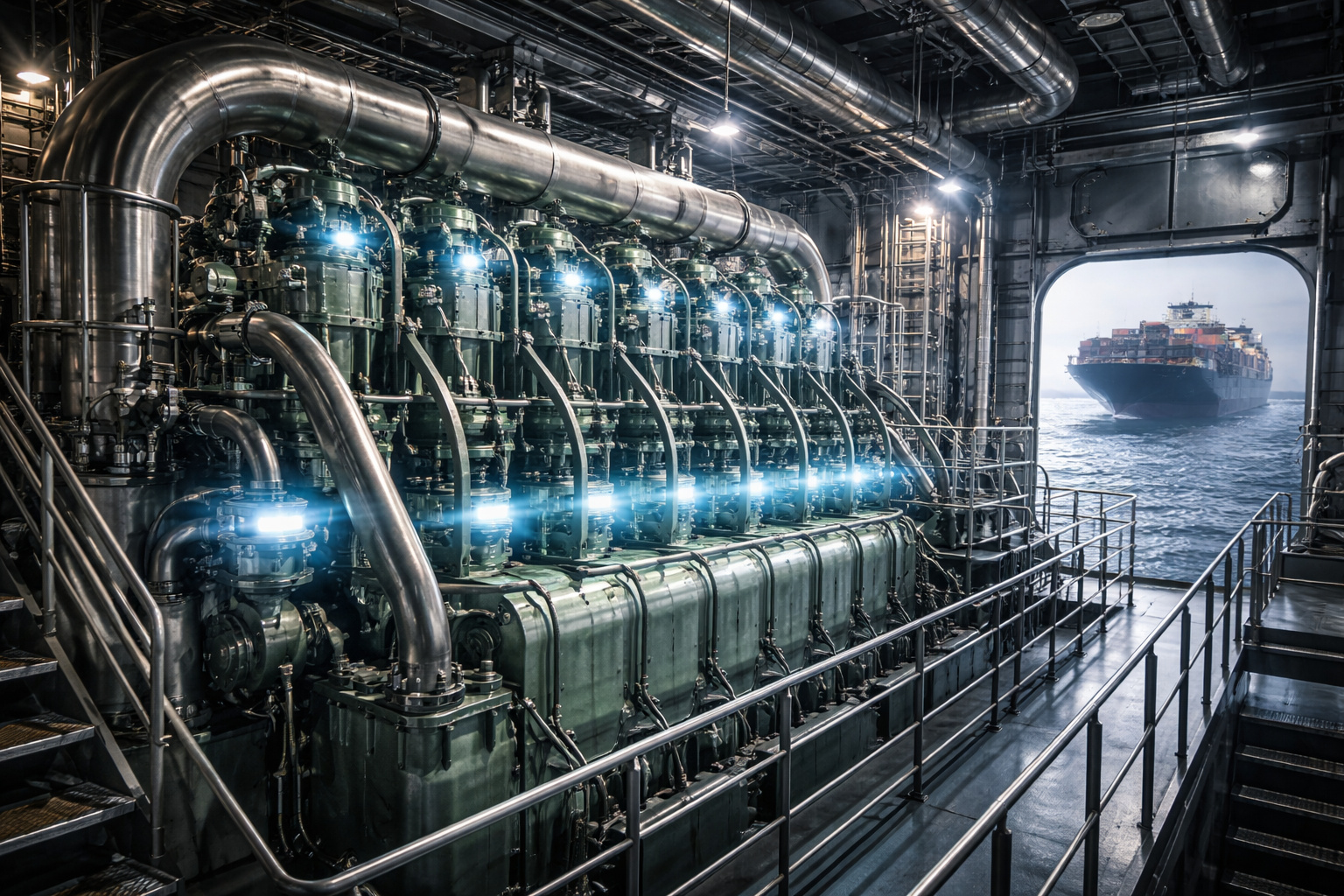
Europe is trying to create an ammonia-powered marine engine without auxiliary fuel, which could unlock the race for giant emission-free ships. The technology aims to eliminate one of the biggest obstacles to clean maritime propulsion.
-
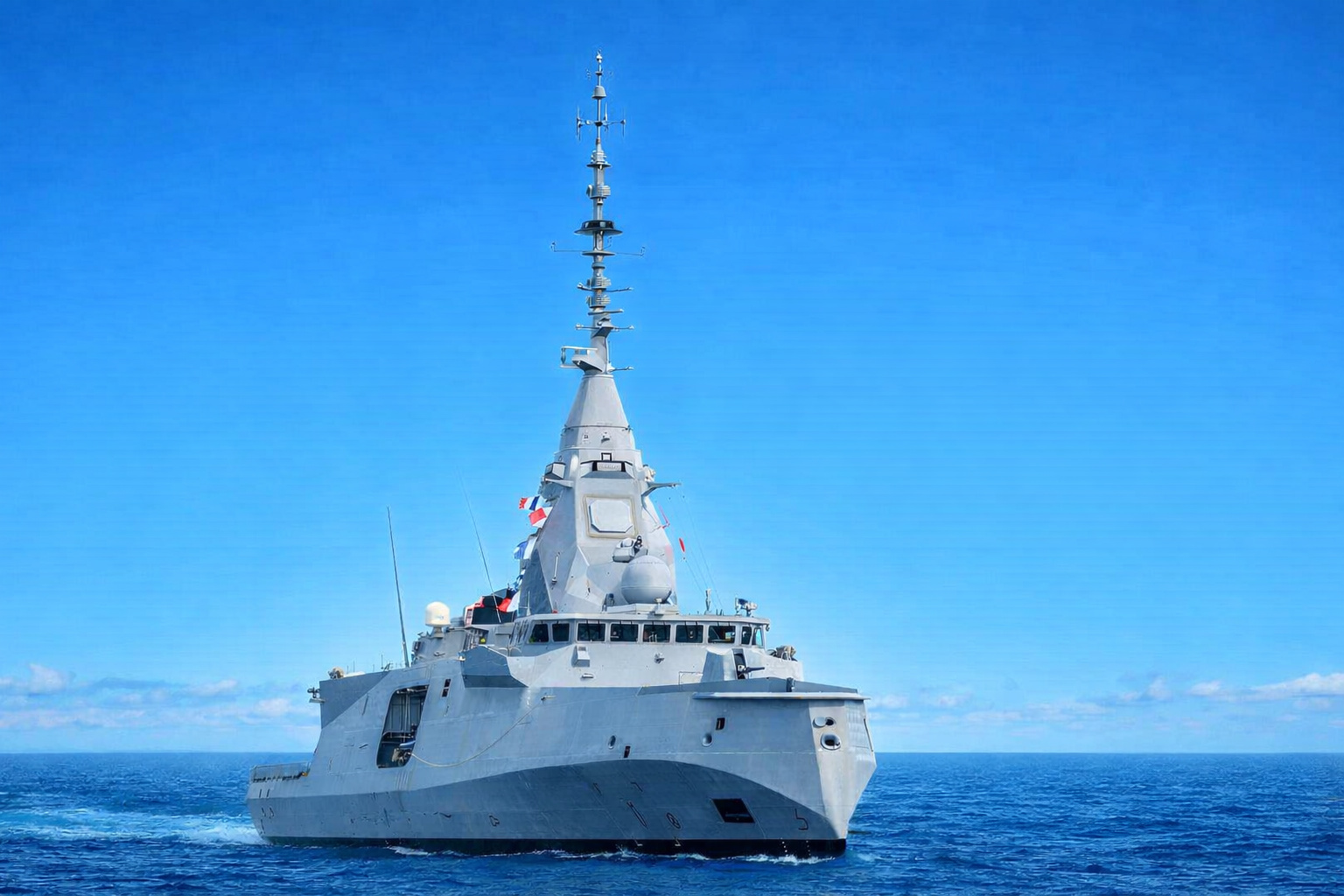
A 4,500-ton frigate with just over 100 crew members, state-of-the-art radar, and cruise missiles is being touted as the new standard of naval warfare in the 21st century.
-
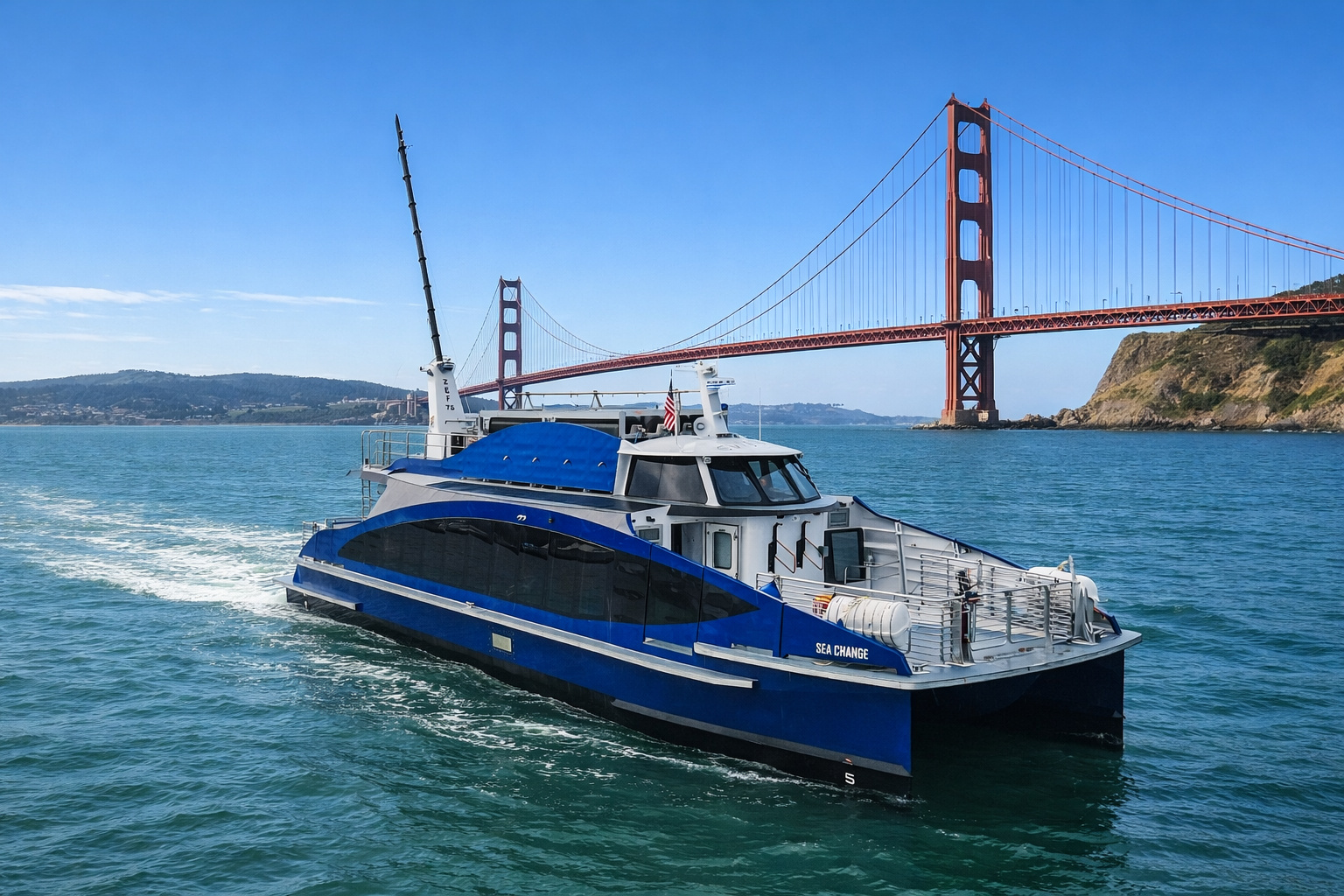
The first commercial hydrogen-powered ferry enters operation in the U.S., eliminates the use of diesel, uses fuel cells to generate clean energy on board, and transforms San Francisco Bay into a landmark of the new era of emission-free navigation.
-
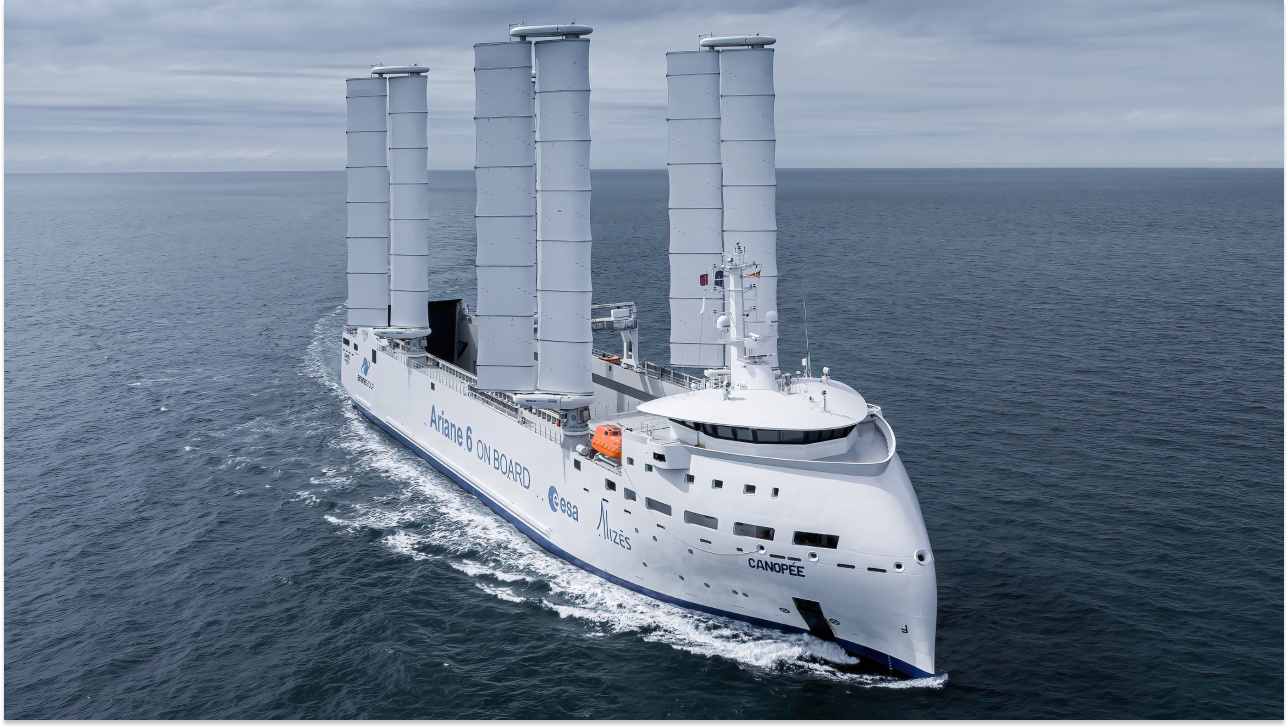
With a length of 121 meters and four rigid sails of 36 meters that automatically rotate to capture the wind, Canopée is the world’s first hybrid industrial cargo ship powered by wind, used to transport rockets and reduce fuel consumption by up to 30% on transoceanic routes.

BNDES President Aloizio Mercadante emphasized that the approved amount not only reflects the resumption of activities in the sector but is also driving the creation of more than 10 thousand jobs in various areas, particularly in the inland waterway transportation segment, with the manufacture of barges, towboats, and pushers.
This increase in financing comes at a strategic moment for Brazil, which has vast potential in building and renewing its naval fleet.
With the new dynamics of investments, the country is positioning itself to seize opportunities in the global market, which is increasingly focused on sustainability and decarbonization.
Decarbonization and Opportunities for the Naval Sector
Mercadante also made a point of emphasizing future prospects for the Brazilian naval industry, especially in the context of decarbonization.
“Brazil has immense potential in this sector, especially in the context of decarbonization. The requirements of the UN International Maritime Organization state that by 2030, 40% of the global fleet must use renewable fuels. This could represent a great opportunity for the Brazilian naval industry, given our international leadership in biofuels,” said the BNDES president.
This transition to renewable fuels will not only accelerate the development of the sector but also allow Brazil to establish itself as a global reference in sustainable solutions for maritime transportation.
The Brazilian naval industry, with its vast knowledge and experience, has everything to benefit from this global trend of seeking greener alternatives.
R$ 6 Billion Public Notice and Investment Potential in New Technologies
In addition to the resources allocated to FMM, BNDES also launched a public notice for R$ 6 billion for the development of sustainable fuels.
This public notice covers the production of sustainable aviation fuel (SAF) and renewable marine fuels, two areas with significant growth potential.
The bank identified a promising market for these technologies, with an investment potential of up to R$ 167 billion, reinforcing the strategic importance of the transition to low-carbon solutions in the sector.
The Role of FMM in the Brazilian Naval Industry
The Merchant Marine Fund (FMM) has been fundamental to the development of the naval industry and the Brazilian merchant fleet.
Managed by the Ministry of Transport, the FMM allocates resources for the construction and renewal of the fleet, with the aim of modernizing the national naval industry and making it more competitive in the global scenario.
The financing from FMM comes largely from the Additional Freight for the Renewal of the Merchant Fleet (AFRMM), a tax created in 1987.
With the growing demand for more efficient and sustainable vessels, especially in a context of seeking clean energy alternatives, Brazil has great potential to stand out in the global shipbuilding market.
The increase in financing by BNDES, combined with the search for low-carbon solutions, places the country in a strategic position to lead the transformation of the global naval sector.








Seja o primeiro a reagir!