





 English
  Francês
  Alemão
  Italiano
  Japonês
  Norueguês
  Portuguese
  Spanish
  3 min of reading


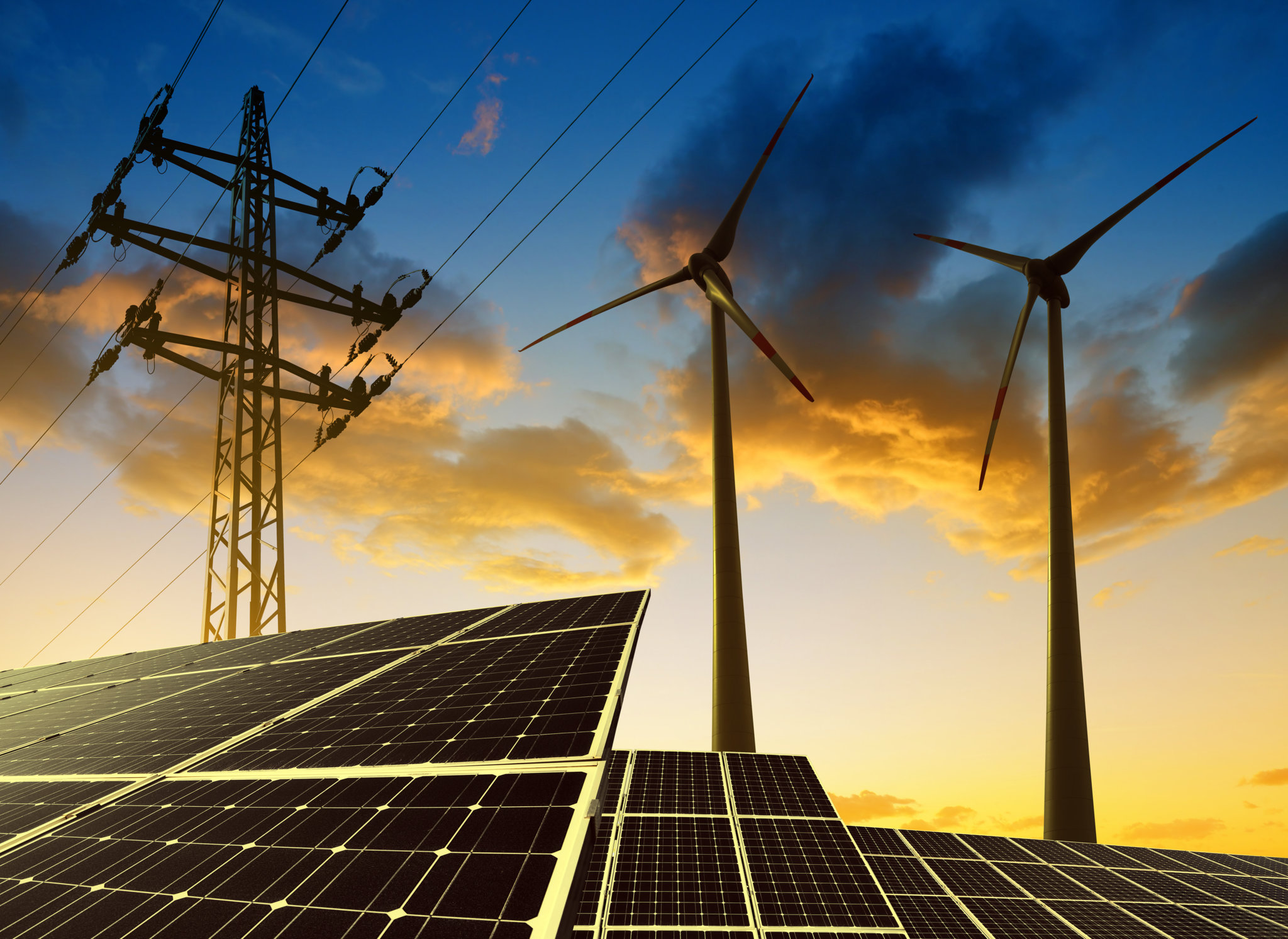
With New Regulation from Aneel, Wind and Solar Power Plant Projects Will Be More Competitive with the Hybrid Model
The National Electric Energy Agency (Aneel) has launched a new regulation for the operation of hybrid power plants for electricity generation. Although the new parameters allow the combination of various sources, such as hydroelectric and thermoelectric plants, the main beneficiaries are renewable energies, which may see an increase in productivity.
Also Check:
- Itaú Bank Opens 74 JobVacancies for High School and College Candidates in Bahia, Ceará, Minas Gerais, Paraná, and Six Other States
- Atua Energia Invests R$ 110 Million, and Rio Grande do Norte Will Get Eight Solar Power Plants
- After Inaugurating a New Solar Power Plant, Belgian-based Company John Cockerill Prepares to Expand Its Activities in Macaé, Generating More Jobs and Income
According to project developer Casa dos Ventos, for every 1 MW of installed wind energy, it is possible to add up to 35% of solar capacity, as both sources complement each other.
This happens because the peak production of wind energy occurs at night, while solar energy is generated during the day. However, the wind farm pays to use the transmission system based on its total capacity.
-
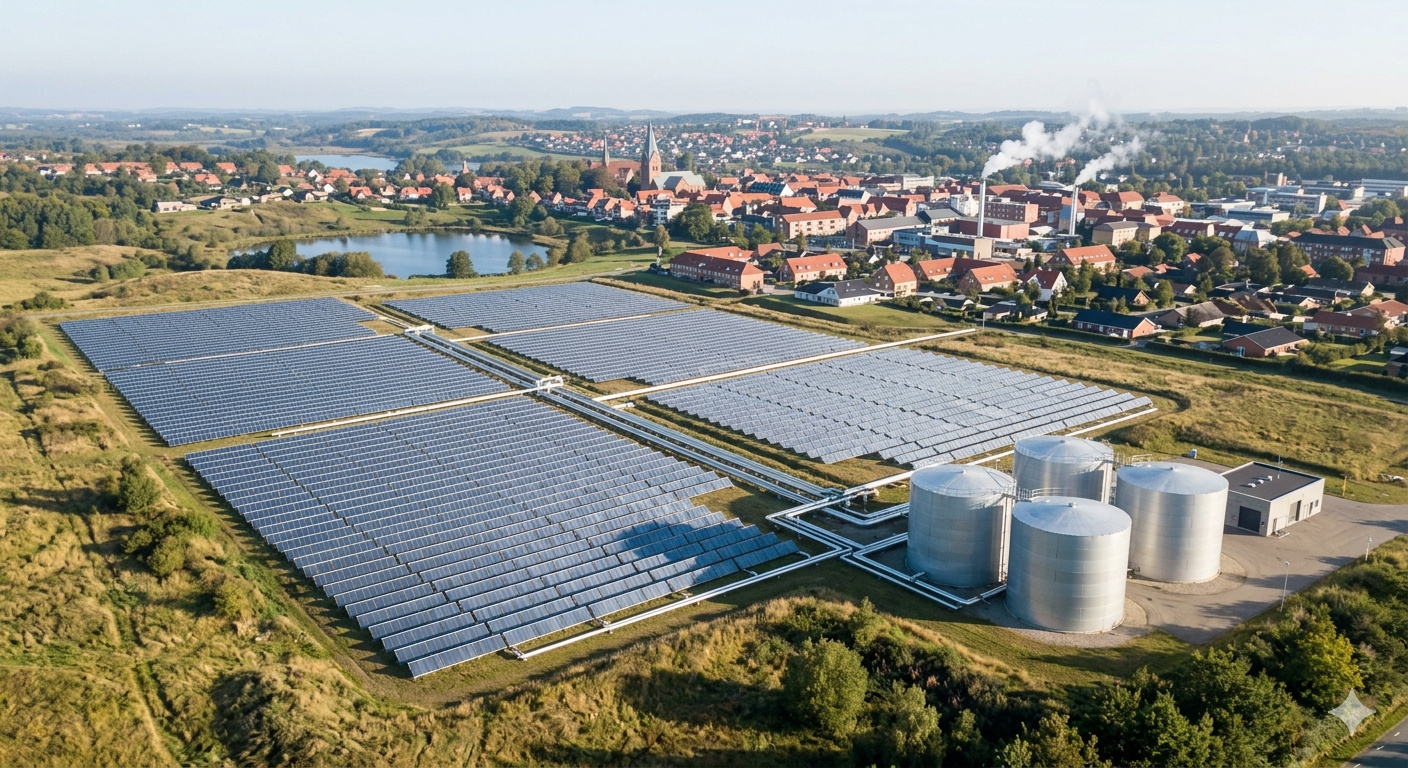
With 160,000 m² of collectors, an area larger than 20 football fields, Silkeborg, in Denmark, hosts a solar thermal plant that heats 19,500 homes and could become the largest solar heating plant in the world.
-
A study reveals the expansion of renewable energy procurement in Brazil and shows how companies are taking advantage of opportunities to reduce expenses, ensure energy efficiency, and strengthen strategic environmental commitments.

-
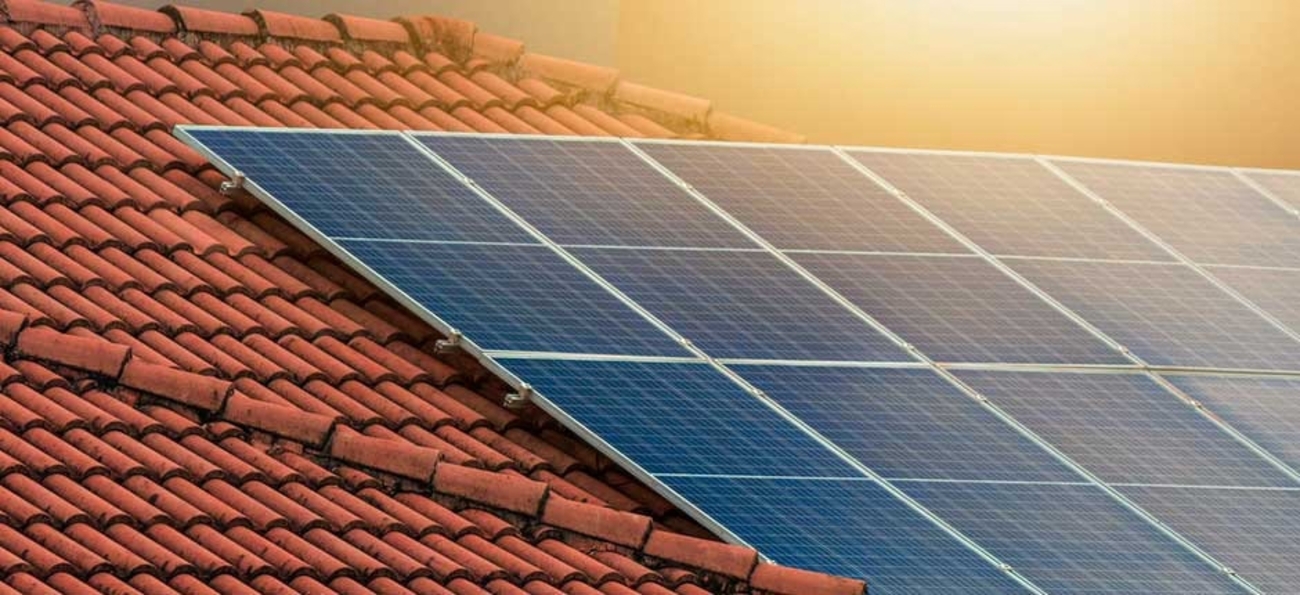
Roraima bets on the sun to escape high tariffs: Amid the energy crisis and price hikes, solar energy is growing in Roraima and transforming consumption in the North region.
-
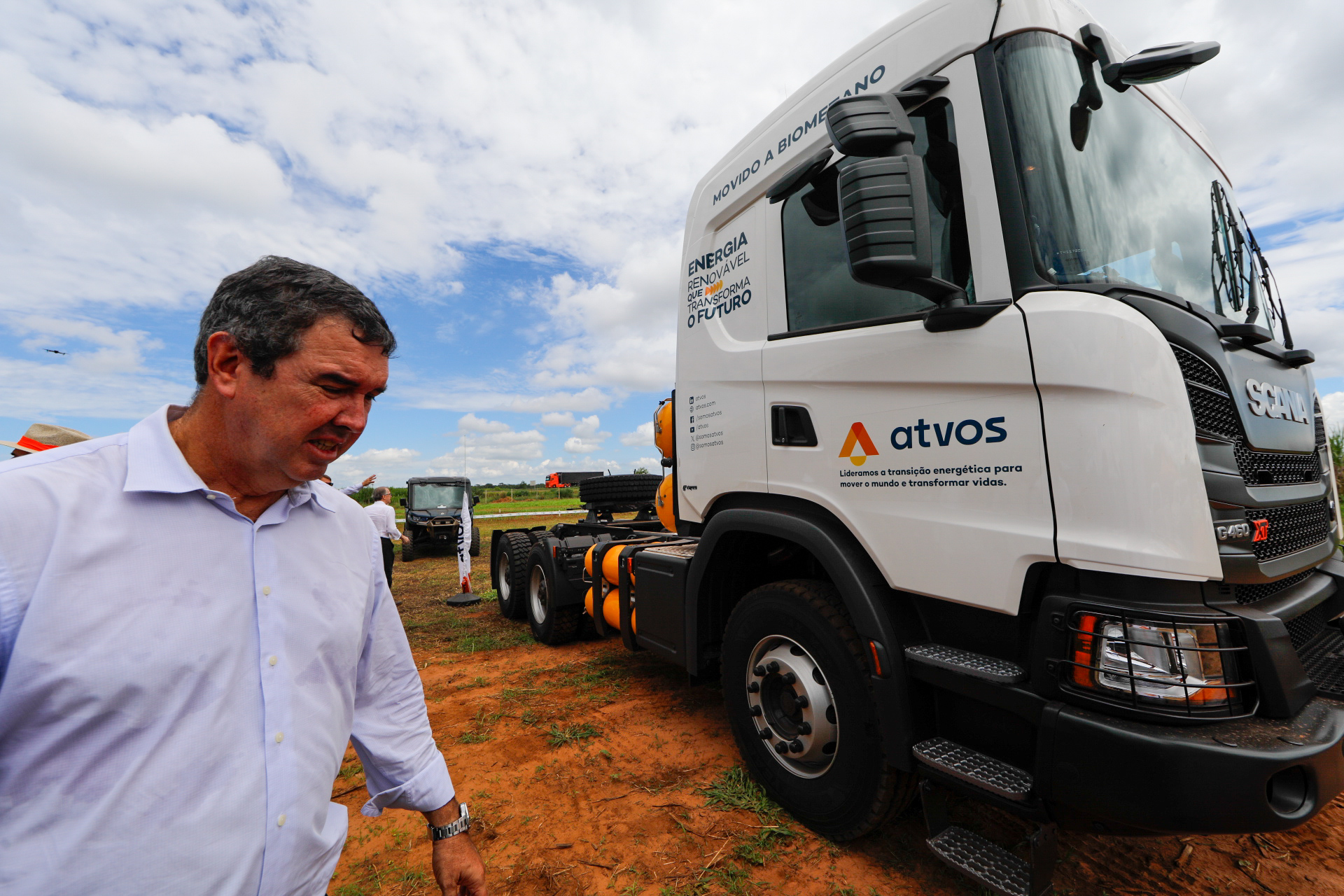
Mato Grosso do Sul excels in the sugar-energy sector: the state reaches a milestone of 22 operating mills and accelerates the production of clean energy in MS with a focus on sustainability.

With the rule, during times of low wind energy generation, solar could be included to occupy part of the network capacity.
In addition to new projects that will be executed in a hybrid way, a large part of the operating parks may carry out the installation of new sources in their areas.
Increase in Potential
Casa dos Ventos, for example, believes it can increase the potential of its wind farms, which total over 2,800 MW, with an additional 650 MW of solar energy.
Other companies, such as Enel, already have advanced studies for new hybrid projects and for the adaptation of existing plants. “The model allows for a more efficient use of the same connection,” says Roberta Bonomi from Enel Green Power Brazil, which already has a hybrid power plant in Pernambuco.
According to Aneel, not only the fact that the generation sources complement each other and that the transmission network can be used more efficiently, other factors that also make hybrid plants advantageous are the smoothing of commercial risks and savings in land purchases for project installations.
“The measure contributes to the growth of generation capacity with lower investments in network expansion,” says Aneel director Elisa Bastos in a statement.
Interest from Votorantim
According to Aneel, a pilot plan from Votorantim Metais, which is set to begin execution in 2023, was already approved even before the regulation came into effect.
The initiative includes the wind farm Ventos de São Vicente and the solar complex Sol do Piauí, totaling 68 MW.
Aneel also manages some Research and Development (R&D) programs, which include solar sectors in hydroelectric plants such as Sobradinho, Porto Primavera, Aimorés, and Itumbiara.
“From now on, with the regulation, we will evaluate hybrid projects. Not all 20,000 MW of wind energy in Brazil will have solar plants due to land types, but many can be adapted,” said Elbia Gannoum, president of the Brazilian Wind Energy Association.








Seja o primeiro a reagir!