





 Portuguese
  English
  Spanish
  3 min of reading
  0 comments


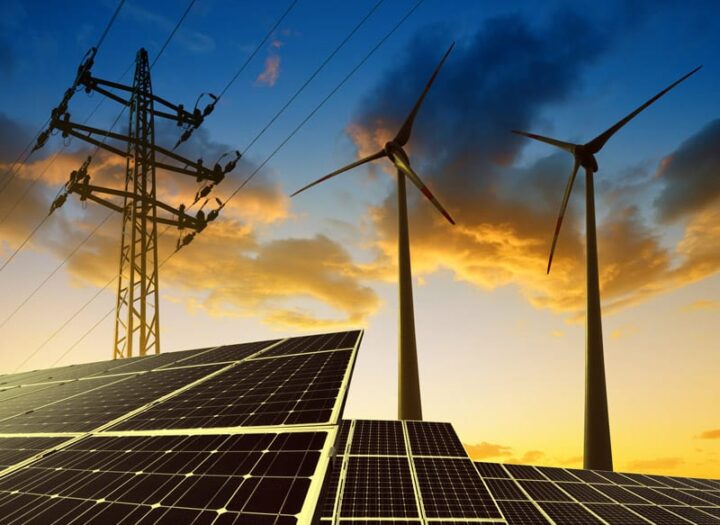
Discover How The Government Intends To Solve The Cuts In Renewable Energy Generation
Currently, renewable energy generation faces significant challenges. Therefore, the Brazilian government has created a task force to discuss the impacts of the cuts and find solutions to optimize the distribution of wind and solar energy.
The initiative aims to reduce restrictions on production, increase energy efficiency, and encourage investments in renewable energy. In this article, you will understand the challenges and strategies to make the energy sector more sustainable.
Why Do The Cuts In Renewable Energy Generation Concern The Sector?
In fact, the Brazilian government took this initiative to minimize the restrictions that compromise the production of wind and solar energy. After all, these segments represent an essential part of the sustainable energy market in the country.
-
Renewable energy advances over protected areas in Brazil, and a survey by the Energy Transition Observatory reveals silent impacts that challenge environmental conservation and pressure sensitive traditional territories.

-
Rio Grande do Sul accelerates energy transition: State invests in renewable technologies and consolidates decarbonization strategies and pathways to attract billions in new industrial investments.

-
With 160,000 m² of collectors, an area larger than 20 football fields, Silkeborg, in Denmark, hosts a solar thermal plant that heats 19,500 homes and could become the largest solar heating plant in the world.

-
A study reveals the expansion of renewable energy procurement in Brazil and shows how companies are taking advantage of opportunities to reduce expenses, ensure energy efficiency, and strengthen strategic environmental commitments.


In recent months, the cuts in renewable energy production have caused significant losses for power plants. As a consequence, the expansion of the sector has slowed down, and the sustainability targets have become more difficult to achieve.
Although, in January 2024, the cuts dropped to 10.2%, compared to 11.5% in December 2023, the problem still compromises national energy efficiency.
Moreover, these restrictions directly impact both generating companies and consumers. For both, a cleaner and more accessible electricity matrix would bring significant benefits.
At the same time, investors are concerned about the structural challenges of Brazil’s electrical infrastructure.
Main Challenges For Wind And Solar Energy Generation
Currently, one of the biggest obstacles lies in the transmission and distribution infrastructure. As the growth in renewable energy supply has not been accompanied by improvements in the power grid, a large part of the generated electricity cannot be absorbed.
Therefore, power plants are forced to reduce their production.
Consequently, the energy policy needs to advance to provide more favorable conditions for investments in renewable energy. Otherwise, generators will continue to face financial difficulties, as they cannot operate at full capacity.
In light of this scenario, the government should encourage improvements in electrical infrastructure. This way, the grid can support the growing demand for sustainable energy.
Additionally, experts warn that climate and technical challenges, such as variations in sun and wind intensity, require more efficient strategic planning.
What Is The Government Doing To Solve The Problem?
With the aim of solving these challenges, the new task force seeks to develop effective strategies to minimize cuts and improve the distribution of renewable energy.
Among the main measures under discussion are:
- The expansion of transmission networks to optimize the use of wind and solar energy;
- The creation of new regulations that can guarantee greater energy efficiency;
- The encouragement of the private sector to promote modernization of electrical infrastructure.
If these changes are not implemented quickly, cuts in renewable energy generation will continue to limit the sector’s growth.
Furthermore, the country will face difficulties in advancing towards a cleaner energy matrix.
For this reason, the government is also considering the implementation of energy storage systems. Thus, the surplus generated can be used during low production periods.
In addition, the country aims to create a more attractive regulatory environment for investments in renewable energy.
Prospects For The Renewable Energy Market In Brazil
Without a doubt, the discussion about energy policy and investments in renewable energy will be decisive for the future of the sector.
After all, Brazil has enormous potential to expand its sustainable electricity matrix. However, this progress depends directly on structural improvements and adequate incentives.
If the country enhances its infrastructure and establishes more effective policies, it may reduce cuts and consolidate its position as a global reference in renewable energy.
Moreover, with the growing global demand for sustainable energy solutions, Brazil has the opportunity to become one of the largest exporters of clean energy.
Thus, the success of this transition will depend on the decisions made by the government task force.
Following these discussions will be essential to understand how the future of the energy sector can benefit the Brazilian economy while promoting greater sustainability.










-

Uma pessoa reagiu a isso.