





 Portuguese
  English
  Spanish
  5 min of reading
  0 comments



Generation Y Is Saying “No” to High Salaries and Hard Work! In a Shocking 2024 Survey, More Than 50% of Millennials Prefer to Sacrifice Up to 20% of Their Salary for More Free Time and Less Stress. What Is Behind This Radical Change? Ideal Work Now Has a New Meaning. Get Ready for the Revolution!
The Generation Y, made up of individuals born between 1980 and 1996, is changing their approach to work and success.
Instead of prioritizing high salaries and career advancement, as previous generations did, many members of this age group are willing to give up part of their compensation in exchange for a better work-life balance.
A survey by Ford, conducted in 2024, revealed surprising data about this phenomenon.
-
These are the drivers who may stop paying tolls on highways in a project that promises to reduce costs for those who live from transportation in Brazil.

-
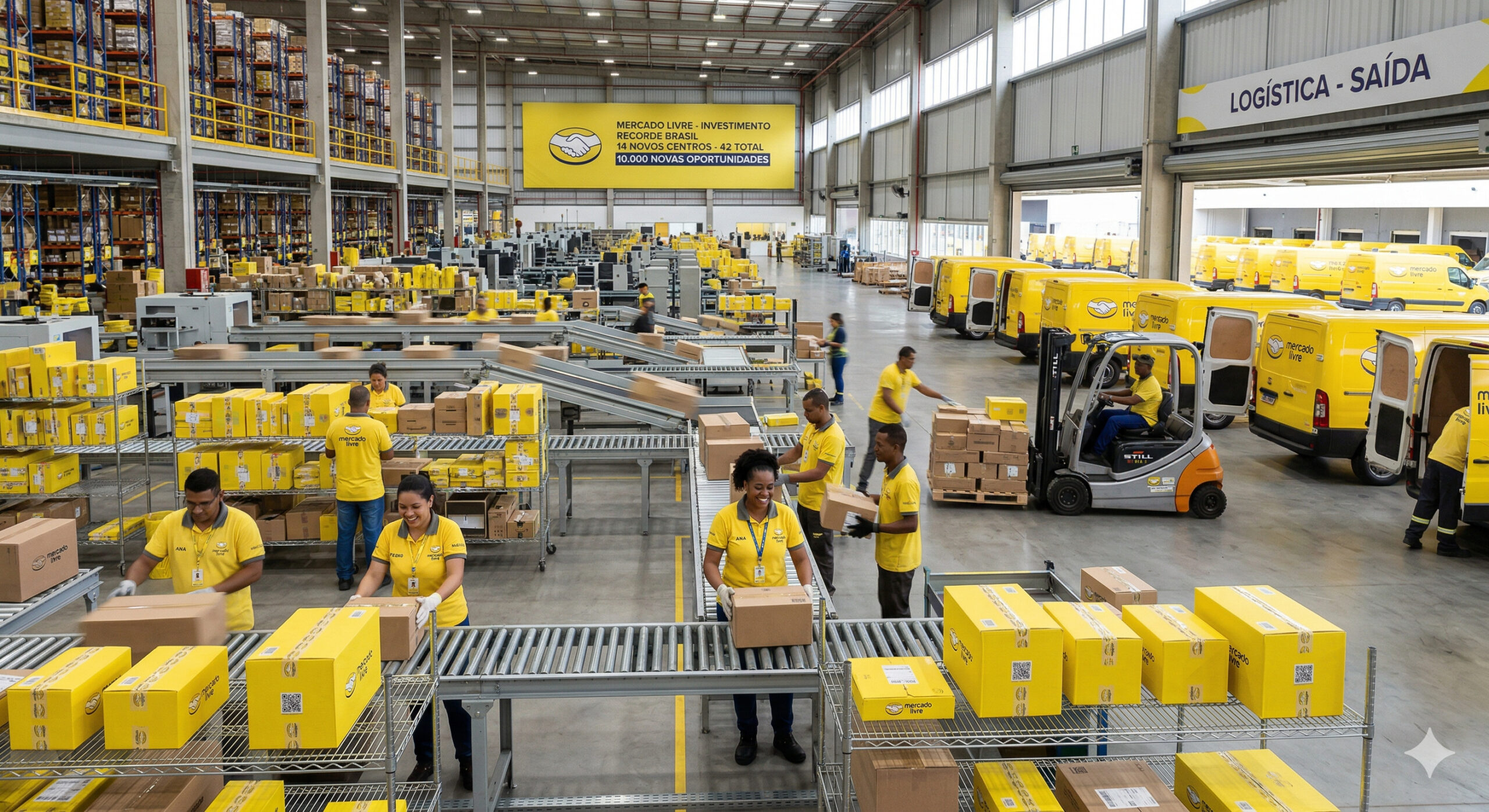
Mercado Livre “opens the vault” and announces a record investment of R$ 57 billion in Brazil in 2026, a value 50% higher than the previous year, with an expansion plan that includes 14 new logistics centers, totaling 42 units in the country and hiring an additional 10,000 employees.
-
How investment in technology can revolutionize the national economy and enhance industrial gains, according to a study that highlights the direct impact on productivity, innovation, and wealth retention within Brazil.

-
(Video): Italian pilot lands plane on moving train at 120 km/h and achieves unprecedented feat in aviation, even with a narrow runway and without direct visual contact.


According to the study, 55% of millennials would be willing to reduce their salary by up to 20% if it meant being able to dedicate more time to themselves and their families.
The survey, which interviewed over 16,000 workers in 16 countries, shows that the pursuit of quality of life is becoming an increasing priority for this generation.
In the United States, for example, 60% of millennials said they would prefer to forgo the traditional “American Dream”, characterized by hard work and the promise of high salaries.
For these workers, health and free time are more important than acquiring great wealth.
The Relationship with Previous Generations
Comparing the attitudes of Generation Y with those of other generations, the study also showed significant differences.
The Generation X, for example, has a rate of 43% of people willing to sacrifice part of their salary in search of a better work-life balance.
Among the baby boomers, this number is even lower, with only 33% showing interest in following this path.
Generation Z, on the other hand, has a mixed approach. Although this age group generally has lower salaries, they do not show a great interest in giving up part of their income to improve the work-life relationship.
This data suggests that younger ones are still trying to establish their position in the job market, which makes balance a less immediate concern.
However, as highlighted by experts, this issue is not exclusively generational.
Cultural and economic factors also play an important role in the decision to accept a salary cut for more free time.
In countries with stricter labor laws, such as France, only 46% of millennials would be willing to give up a portion of their salary.
In comparison, in places with less protective laws, like the United States, the willingness for this type of exchange is greater.
The Impact of the Real Estate Market
According to Saira Demmer, executive director of SF Recruitment, the real estate crisis may be one of the main reasons for this change in perspective.
“For younger employees, who do not see such a close connection between their career and their ability to access the real estate market, like previous generations, the pressure simply isn’t worth it.”
She points out that for many millennials, high housing costs, especially in major urban centers, have led to a reassessment of priorities.
Financial stability is no longer being measured only by high salaries, but by the possibility of living in a balanced and affordable way.
The Desire for More Free Time
The Ford study also revealed that millennials are increasingly concerned about the future, especially with global challenges such as climate change and the advancement of artificial intelligence.
More than three in four respondents stated a preference for finishing work on time, rather than sacrificing their personal time to impress their superiors.
A recent survey by Visier reinforces this trend: between 58% and 67% of young Americans said they prioritize having more time for family, friends, and hobbies, rather than seeking a leadership position in the company.
Only 37% showed interest in becoming bosses. This phenomenon has been described as “silent ambition”.
Unlike previous generations, who associated ambition with professional success and material acquisition, millennials have redefined the term, attributing to it a more balanced perspective, focused on well-being and mental health.
Challenges in the Work Environment
Despite this change in mindset, the work environment in many companies still falls short of reflecting this generation’s aspirations.
According to the Factor Wellbeing 2024 report, conducted by the Institute of Integral Wellbeing Sciences of Tecmilenio, only 32% of millennials in Mexico believe that their employers promote healthy practices in the workplace.
This includes actions such as promoting adequate rest, digital disconnection, and encouraging positive communication.
Millennials seek more flexible environments, where mental health and well-being are priorities.
However, many still face rigid structures and expectations of long working hours that are not in line with their new expectations.
This has led to an increase in burnout and stress rates, especially among younger workers.
The Search for Meaning
This shift in mindset regarding work is closely linked to the growing desire for having a purpose.
Many millennials are no longer just looking for a job but rather a meaningful career.
They prefer to invest their time in companies and projects that align their personal values with those of the organization.
Flexibility and work-life balance are now more essential than ever to maintain motivation at work.
With the rise of new technologies and work models, such as remote work, the job market is being challenged to adapt to this generation’s new needs.
The Future of Work and Generation Y
If the trend continues, it is possible that in the coming years, companies will need to reconfigure to meet this growing demand for balance and quality of life.
New generations of workers will be increasingly willing to sacrifice the pursuit of high salaries for a healthier and more meaningful lifestyle.
This change may signify a significant transformation in the dynamics of the job market, with implications for recruitment strategies, team management, and even how companies measure professional success.
Do you believe that work-life balance should be more valued in companies? How do you think the job market will adapt to these new priorities? Share your opinion in the comments!








-

2 pessoas reagiram a isso.