





 Portuguese
  English
  Spanish
  4 min of reading
  0 comments


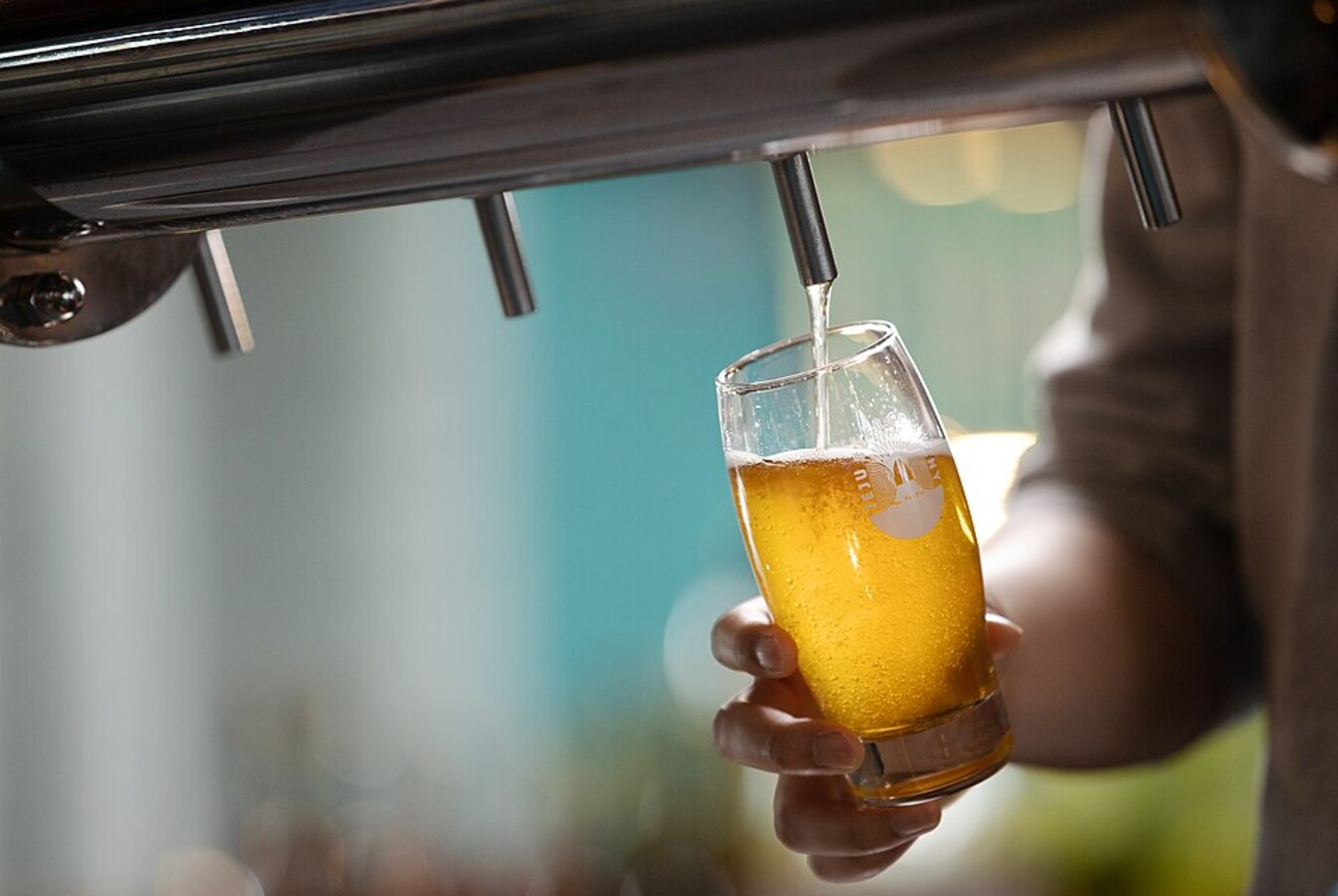
Centennial Tradition Fails to Withstand Cultural Transformation: Inflation, Healthy Habits, and Preference for Non-Alcoholic Beers Threaten German Brewing Industry
Over its 172 years, Lang-Bräu Brewery has survived two world wars and the tensions of the Iron Curtain. Located in northern Bavaria, the company seemed solid, but it did not withstand recent financial challenges.
With costs of €12 million (R$ 75.8 million) for modernization, the owners decided to close their doors last European summer.
Richard Hopf, who led the family business, described the situation as unsustainable. “Breweries are capable of incredible suffering. But when sales fall and costs keep rising, there is little room for long-term assessments,” he stated.
-
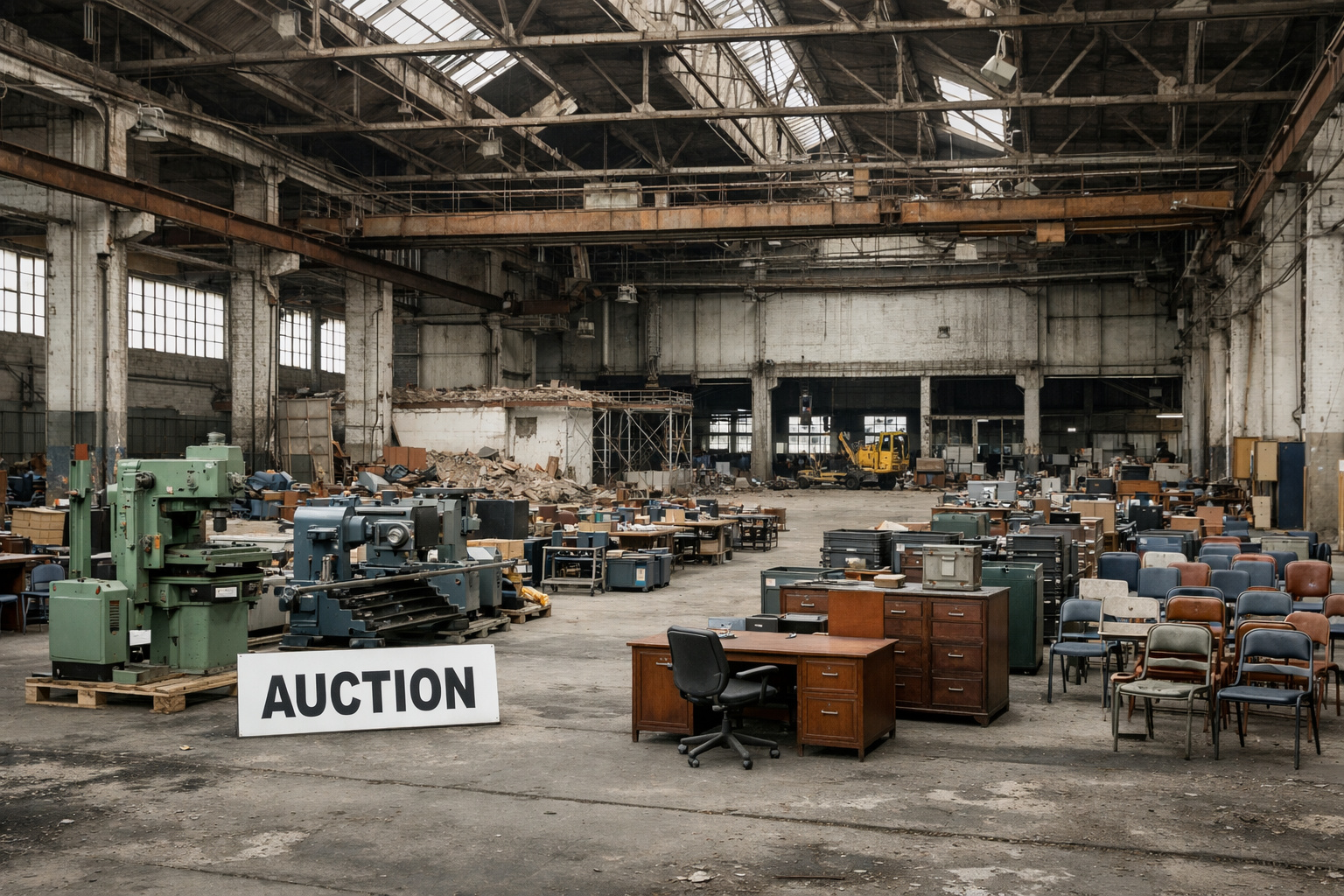
Historic bankruptcy of Centauro shocks the market, and the century-old company puts more than 500,000 products, machines, and complete infrastructure up for online auction.
-
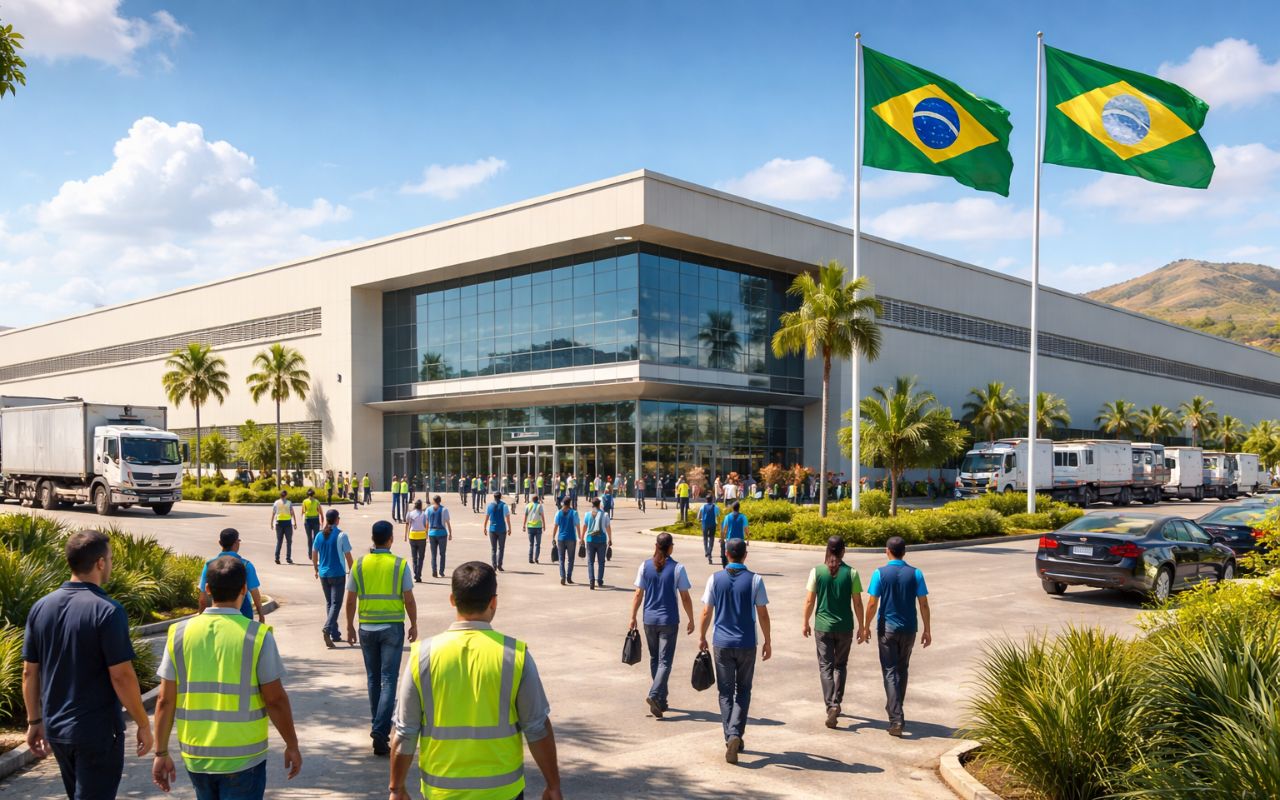
New shoe factory in Ceará is expected to create 400 jobs and strengthen the local economy.
-
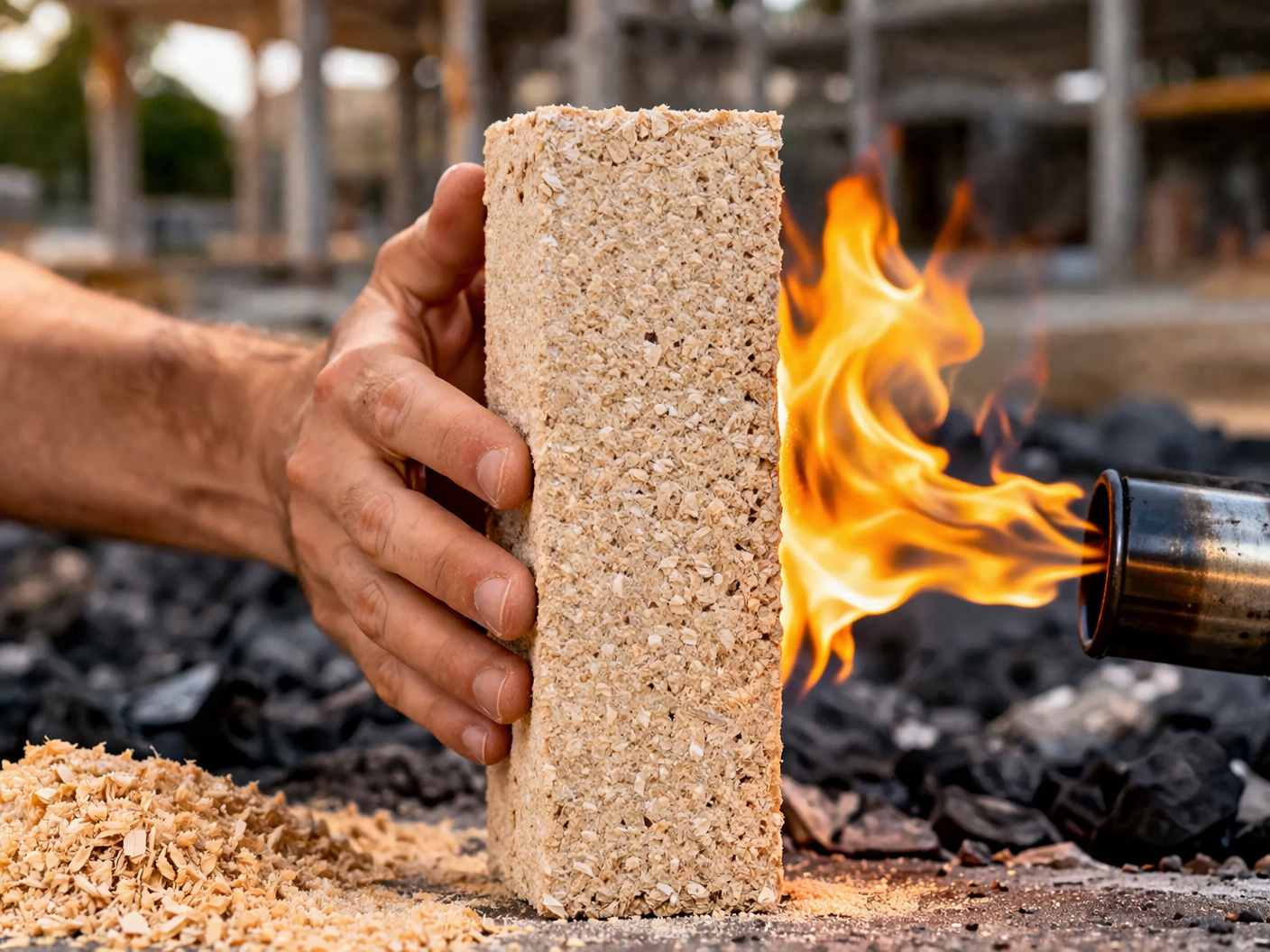
No one imagined it, but a mixture of sawdust with a mineral that fights fires surprises scientists with a result that changes the course of fire-resistant construction.
-
From empty land to a high-end house, wooden construction uses a lightweight system, metal structure for the foundation, ventilated ceramic cladding, and special windows to create an efficient and comfortable living space throughout the year.

The case of Lang-Bräu illustrates a crisis affecting the entire brewing sector in Germany. The weight of inflation, combined with high energy prices, directly impacts companies’ margins. Most importantly, however, is that consumption habits have also changed.
Youth and Their Relationship with Alcohol
Generation Z, composed of people born between 1997 and 2012, sees beer differently. For many, it is no longer an everyday habit but rather something rare and even unnecessary. When they do consume it, a large portion opts for non-alcoholic versions.
In practice, this transformation has significantly reduced the market. Average consumption has dropped to 88 liters per person per year, nearly 30% less than in the early 2000s.
Additionally, official figures show a record decline of 6.3% in production in just the first half of 2025.
“It is frankly concerning,” stated Holger Eichele, director of the German Brewers Association. For him, even traditional manufacturers are at risk of disappearing.
Less Income and More Health
The phenomenon is not limited to Germany. Young people in other European countries and the United States are also drinking less.
There are several reasons for this: lower income, wellness movements, and the pursuit of a healthy lifestyle.
Carla Schüßler, a student, summarized this view: “It’s clear to everyone that alcohol is not good for the body.”
The aesthetic factor also weighs in. Beer is caloric, and fitness influencers often associate consumption with difficulties in maintaining physical shape.
“It’s simply hard to improve your fitness level while drinking,” commented Luke Heiler, a 22-year-old who works in a chemical laboratory and exercises regularly.
Adaptation and Closure
With about 1,500 breweries spread across the country, many needed to reinvent themselves. Those that survived expanded their menus to include radlers—mixes of beer with soda—and carbonated juice-based drinks.
Advertising campaigns began to celebrate fun without alcohol, contrasting with the tradition of festivals like Oktoberfest.
Still, 52 breweries closed between 2023 and 2024, the largest decline in three decades. For many, like Lang-Bräu, the adaptation costs proved to be too high.
The Rise of Non-Alcoholic Beers
Despite 9 out of 10 beers sold still containing alcohol, the production of non-alcoholic versions has nearly doubled in ten years. Today, there are more than 800 varieties available in the German market.
For large manufacturers, this niche has become a priority. “We do not believe that our main beer, which contains alcohol, will achieve significant growth in the coming decades,” acknowledged Peter Lemm, spokesperson for Krombacher. “Clearly, the growth area is low or non-alcoholic beer.”
The challenge, however, is replicating the flavor of the traditional version. The more sophisticated process involves the complete brewing of the beer and then the removal of the alcohol.
This method requires expensive equipment, demanding investments that can exceed €1 million (R$ 6.32 million).
Disadvantage of Small Breweries
Not all can invest in this technology. Smaller ones resort to simpler methods, such as stopping fermentation before completion. Although cost-effective, the result is usually sweeter, which drives away some consumers.
Thomas Becker, a professor in Munich specializing in brewing, explains: “Small breweries usually cannot afford to remove the alcohol afterward.” This puts them at a disadvantage in a saturated market dominated by large companies that can quickly launch new products and buy smaller brands.
Inevitable End for Some
In the case of Lang-Bräu, the bet on non-alcoholic versions had never been attempted. Richard Hopf believes that not much would have changed. With so many options already available, a late entry would not have prevented the outcome.
This portrait shows how tradition and history do not guarantee survival in a transforming sector.
German beer, a cultural symbol for centuries, now faces a different challenge: winning over a generation that prefers health, wellness, and non-alcoholic alternatives.
The crisis is not limited to production numbers or financial statements. It reflects a profound cultural shift that redefines Germany’s relationship with its most traditional beverage.
And in this scenario, even century-old brands are not safe.
With information from Folha de São Paulo.








-

-

2 pessoas reagiram a isso.