





 Portuguese
  English
  Spanish
  4 min of reading
  6 comments


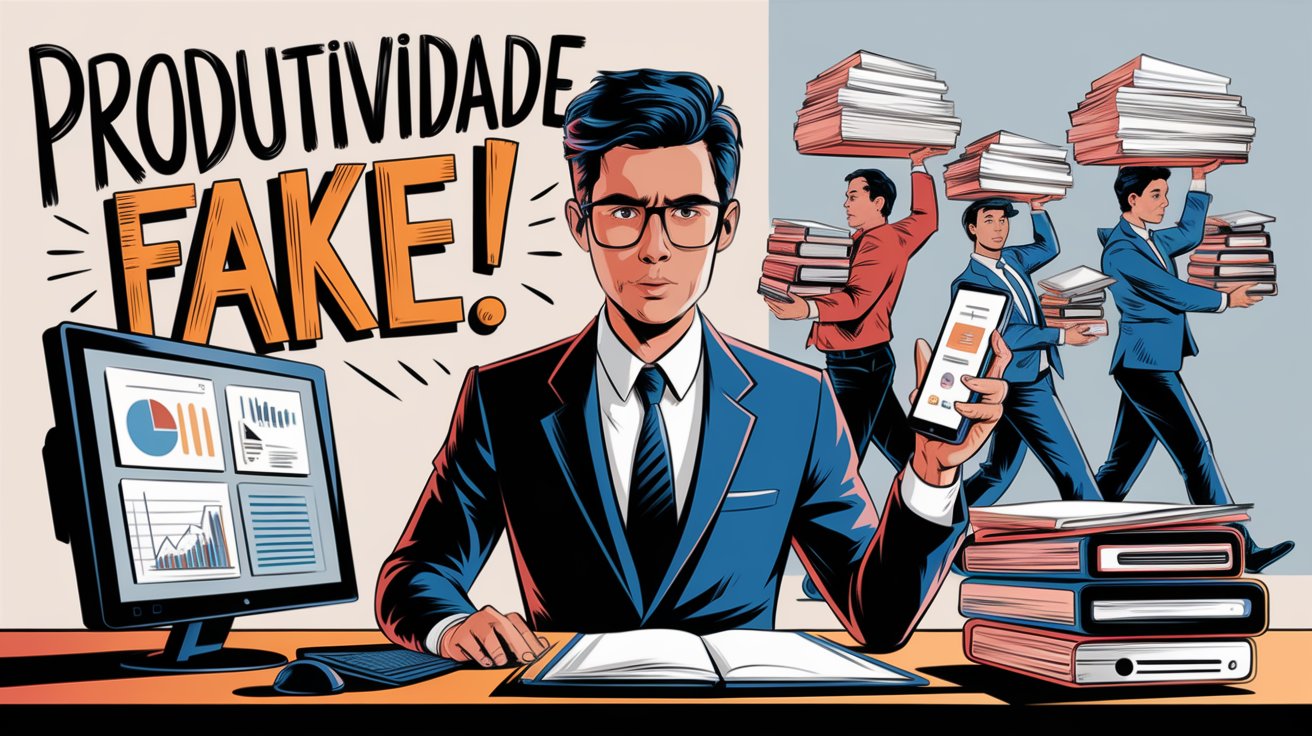


Generation Z Created A New Trend: Pretending To Be Busy At Work! The “Task Masking” Went Viral On TikTok, But It Can Have Serious Consequences. Experts Warn About The Risks To Mental Health And Possible Dismissals. Is This The End Of Real Productivity?
In the corporate environment, productivity has always been an essential criterion for performance evaluation.
However, with the arrival of Generation Z in the job market, a new behavior has been drawing attention: ’task masking’, a strategy to appear productive without necessarily being so.
This practice, widely publicized on social media, has generated discussions among experts about its psychological and labor impacts.
-
Friends have been building a small “town” for 30 years to grow old together, with compact houses, a common area, nature surrounding it, and a collective life project designed for friendship, coexistence, and simplicity.

-
This small town in Germany created its own currency 24 years ago, today it circulates millions per year, is accepted in over 300 stores, and the German government allowed all of this to happen under one condition.

-
Curitiba is shrinking and is expected to lose 97,000 residents by 2050, while inland cities in Paraná such as Sarandi, Araucária, and Toledo are experiencing accelerated growth that is changing the entire state’s map.

-
Tourists were poisoned on Everest in a million-dollar fraud scheme involving helicopters that diverted over $19 million and shocked international authorities.


What Is ‘Task Masking’ And How Does It Work?
The term “task masking” can be translated as “task masking”.
In practice, it involves a set of techniques that make the professional appear busy, even when they are not performing productive activities.
This concept gained traction on TikTok, where users share methods to demonstrate busyness in the workplace.
Among the main strategies used to simulate productivity are:
- Scrolling through spreadsheets on the computer without actually filling them out;
- Walking through the halls with a worried expression;
- Speaking on the phone with an urgent tone;
- Flipping through documents without real necessity;
- Simulating searches for objects in the office.
The intention is to avoid pressure and maintain the perception of productivity, especially in physical offices.
However, this practice can bring various consequences for both individuals and companies.
Psychological And Social Impacts Of ‘Task Masking’
Although it may seem like a strategic exit to relieve pressure, experts warn of the negative effects of this behavior.
The neuropsychologist Wanderson Neves highlights that the practice of “task masking” can be harmful to both the individual performing it and their colleagues.
“When an employee pretends to be busy, the workload may fall on other team members, leading to physical and mental exhaustion,” explains Neves.
Additionally, the professional who adopts this strategy may face high levels of stress and anxiety due to the fear of being discovered.
According to the specialist, this situation can increase the risk of psychological disorders, such as anxiety, depression, and even burnout syndrome – a condition recognized by the World Health Organization (WHO) and characterized by emotional and physical exhaustion related to work.
The Role Of Technology And Corporate Culture
According to behavioral psychologist Leandro Cunha, the relationship between Generation Z and the workplace needs to be analyzed considering the use of technological tools.
“The young people of this generation grew up in a fast-paced digital world. For some, ‘task masking’ arises from a workload overload; for others, it’s a strategy to avoid extra responsibilities they don’t want to take on,” says Cunha.
Companies that wish to adapt to the new reality need to invest in productivity management mechanisms that encourage real performance rather than just the appearance of being busy.
Legal Aspects: Can The Practice Lead To Termination For Cause?
The “task masking” can also lead to legal complications. Labor lawyer Elisa Alonso clarifies that Labor Court may evaluate the practice from different perspectives.
“If the employee is caught neglecting their duties and there is evidence that they acted in bad faith, they can be penalized,” explains Alonso.
In extreme cases, this practice can be classified as negligence, a serious offense in the workplace that can result in dismissal for cause.
On the other hand, if it is proven that the targets set by the company are excessive or unfeasible, the court may interpret that the problem lies with the employer, not the employee.
“Unrealistic targets can be considered abusive and legally challenged,” adds the specialist.
How To Avoid ‘Task Masking’ In The Corporate Environment?
To reduce this practice, companies need to implement strategies that promote a more balanced work environment. Some recommended actions include:
- Adopting hybrid and flexible models, allowing employees more autonomy;
- Using productivity monitoring tools to ensure a fairer performance assessment;
- Setting realistic and achievable targets, avoiding excessive pressure;
- Open dialogue between leadership and team to understand individual and collective challenges.
Generation Z has different characteristics and expectations regarding work.
Instead of directly combating “task masking,” companies can invest in policies that promote a more productive and healthy environment.









Isso sempre existiu a única diferença é que hoje se fala abertamente sobre, considerando que “as empresas” fingem valorizar “o seu ativo mais valioso” e claramente premiam os que usam a cabeça dos coleguinhas de degraus… Acho justo! O capitalismo que deu certo pra 1% tem que acabar!
Isso é mais velho que andar pra trás! Só quem já trabalhou em um **** escritório chato presencialmente em início de carreira sabe o suplício que é ter que permanecer nesse ambiente apenas para cumprir horário. É um verdadeira tortura psicológica!
Este não é um problema da geração Z. Sempre existiu isso, mas agora, por algum motivo, querem vilanizar uma geração inteira simplesmente por pensarmos diferente acerca do mercado de trabalho e das nossas obrigações enquanto membros ativos da sociedade.