





 English
  Francês
  Alemão
  Italiano
  Japonês
  Norueguês
  Portuguese
  Spanish
  3 min of reading


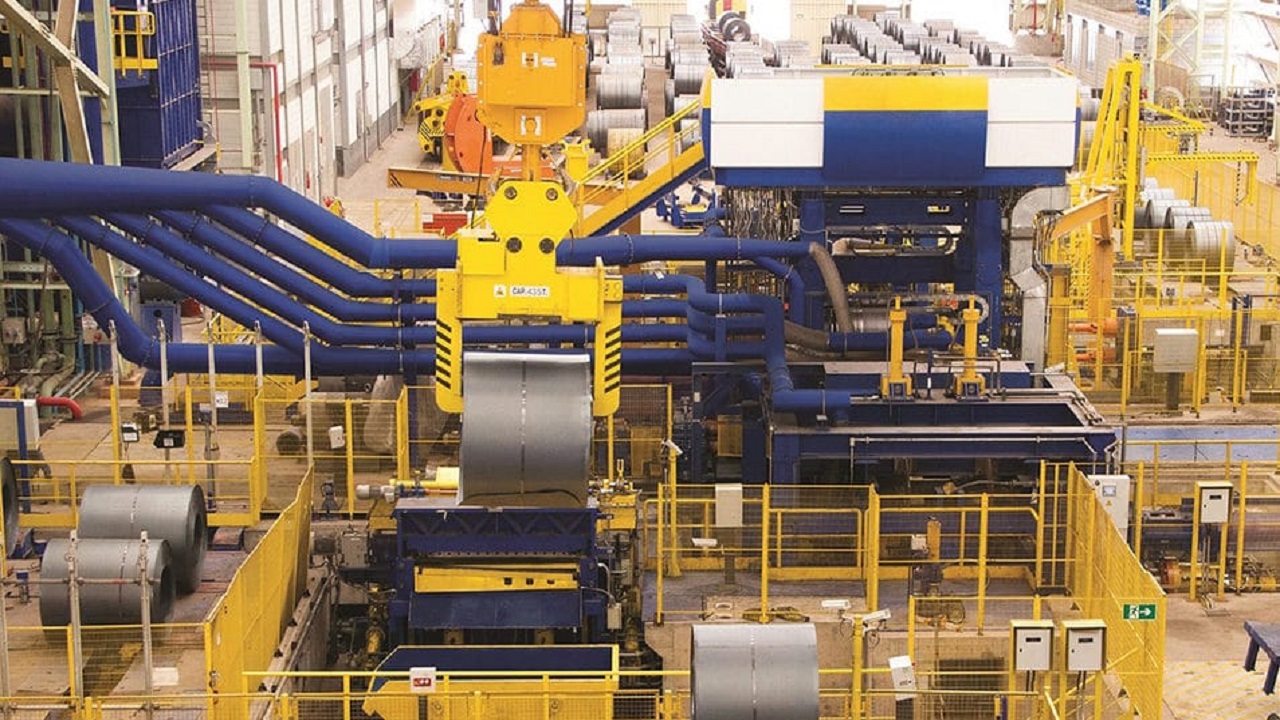
This content was based on an exclusive interview with the CEO of Gerdau at the NEOFEED portal
With the Great Boom of Renewables, CEO of Brazil’s Largest Steel Producer Highlights That His Greatest Fear Is Having His Presence Out of the Market and Leaving His Factories Without Legacy
With its factories valued at over R$ 60 billion, Gerdau wants about 20% of its revenue to come from businesses other than steel, but to achieve this, the company has been innovating. According to executive Gustavo Weneck, 47, the first to manage the company without being from the family that gave the company its name, he emphasizes that the group has a great fear of disappearing, like many other companies over 120 years old that have been left behind.
Read Also
Gerdau’s New Strategy to Stay in the Future Market
Gustavo Weneck states that this creates a sense of alertness for the company to continually innovate in its factories. In the last three years, Gerdau has started to advance into new areas beyond steel production, but this has intensified with the creation of Gerdau Next in July of last year, which is focused on new businesses. The company has invested in 20 startups, created a construction foundation company known as G2 Base, and partnered with Tigre and Votorantim.
-
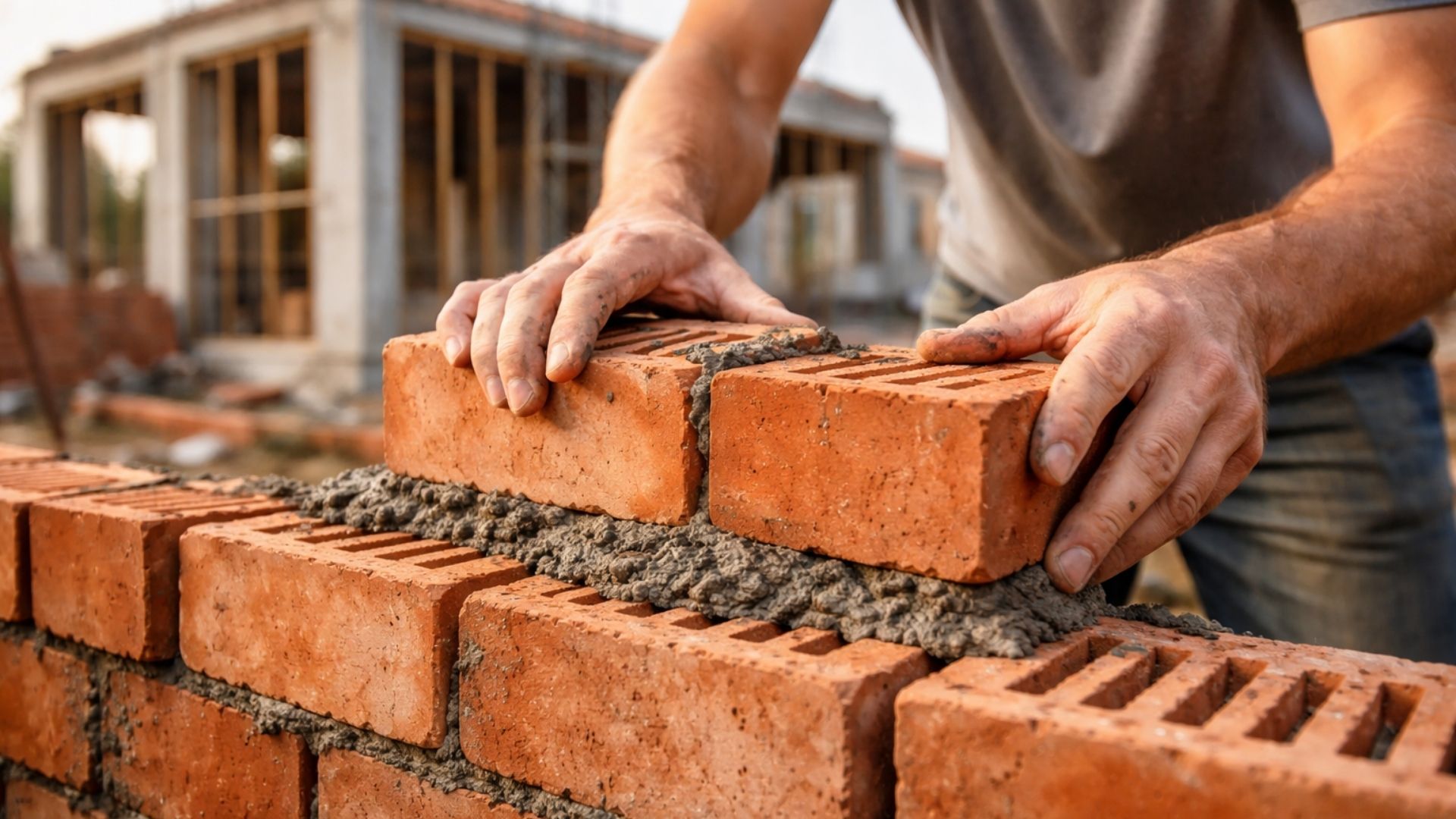
‘Interlocking brick’ made of earth arrives in the construction industry with cost reductions of up to 40% on the project.
-
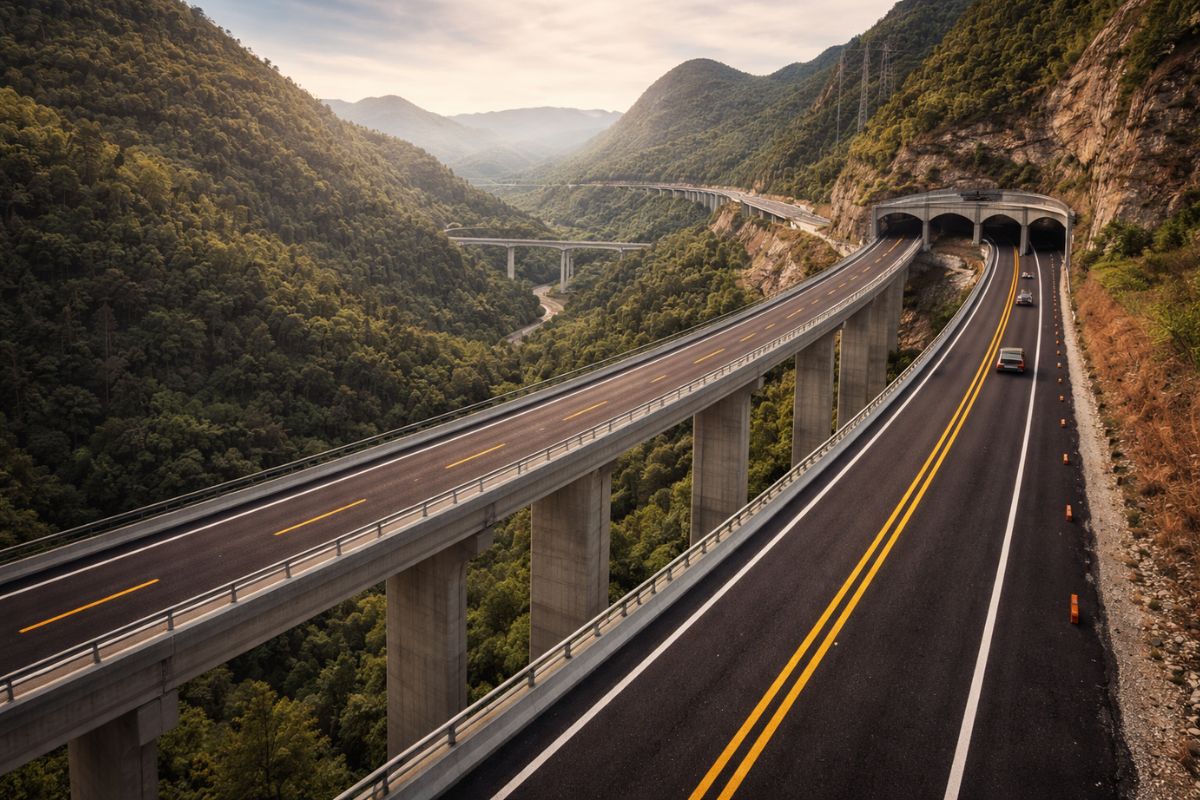
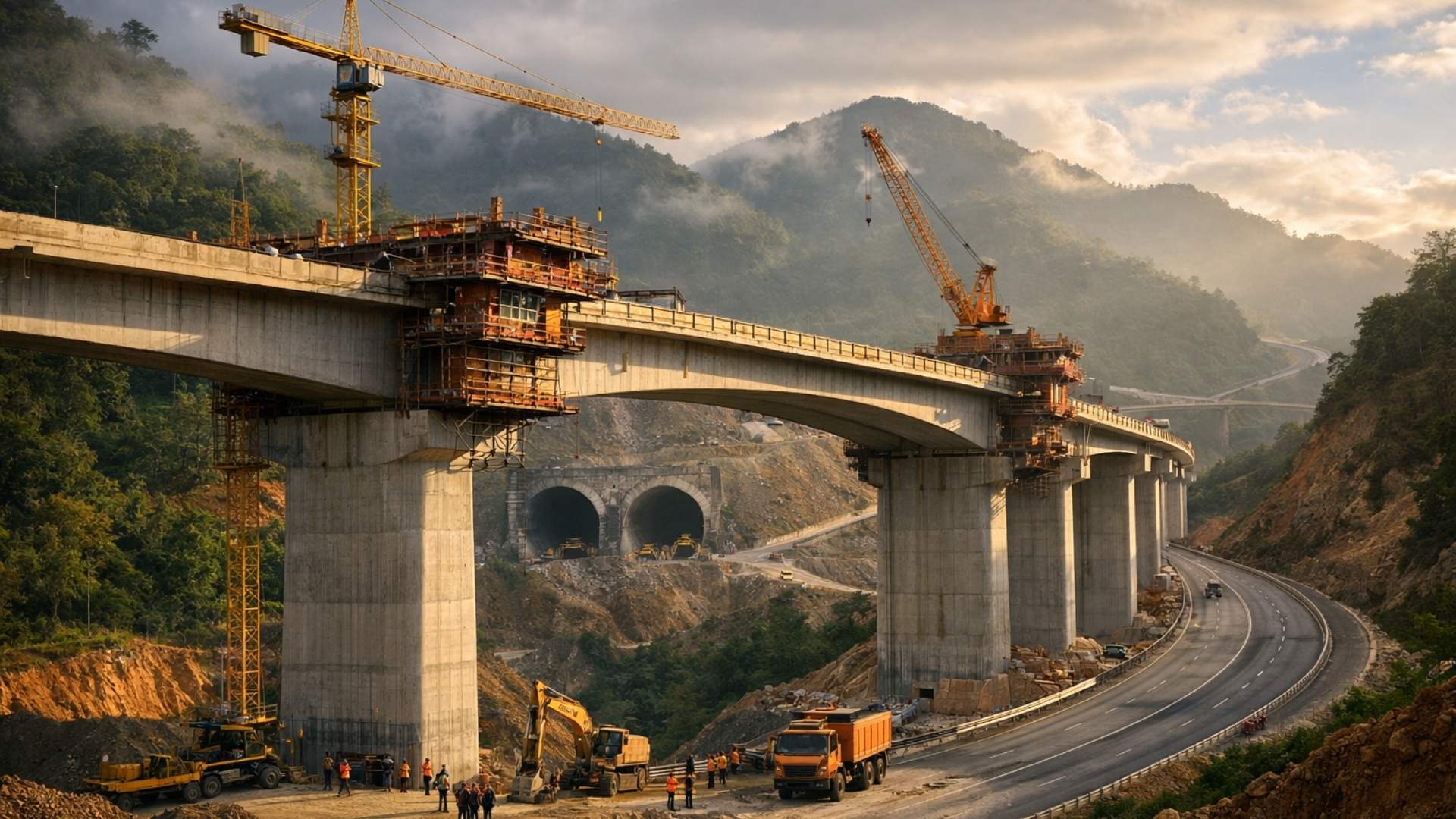
Espírito Santo will receive the largest engineering project in its history with the duplication of BR 262, which will have 50 viaducts, 28 bridges, and 2-kilometer tunnels cutting through the most challenging mountainous region of the entire state.
-
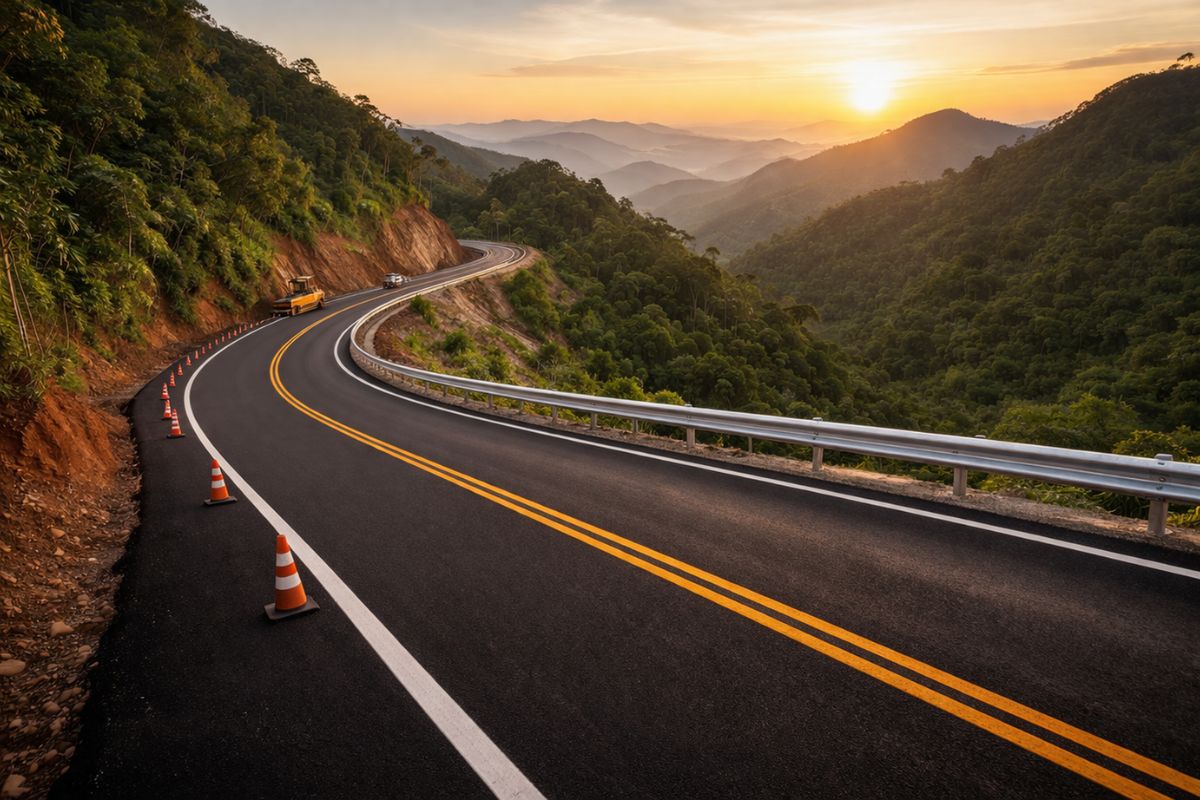
A project of nearly 9 million reais already has the first kilometer paved in Santa Catarina and promises to completely transform the access between Jaraguá do Sul and Rio dos Cedros in an area where tourism is growing at a rapid pace.
-
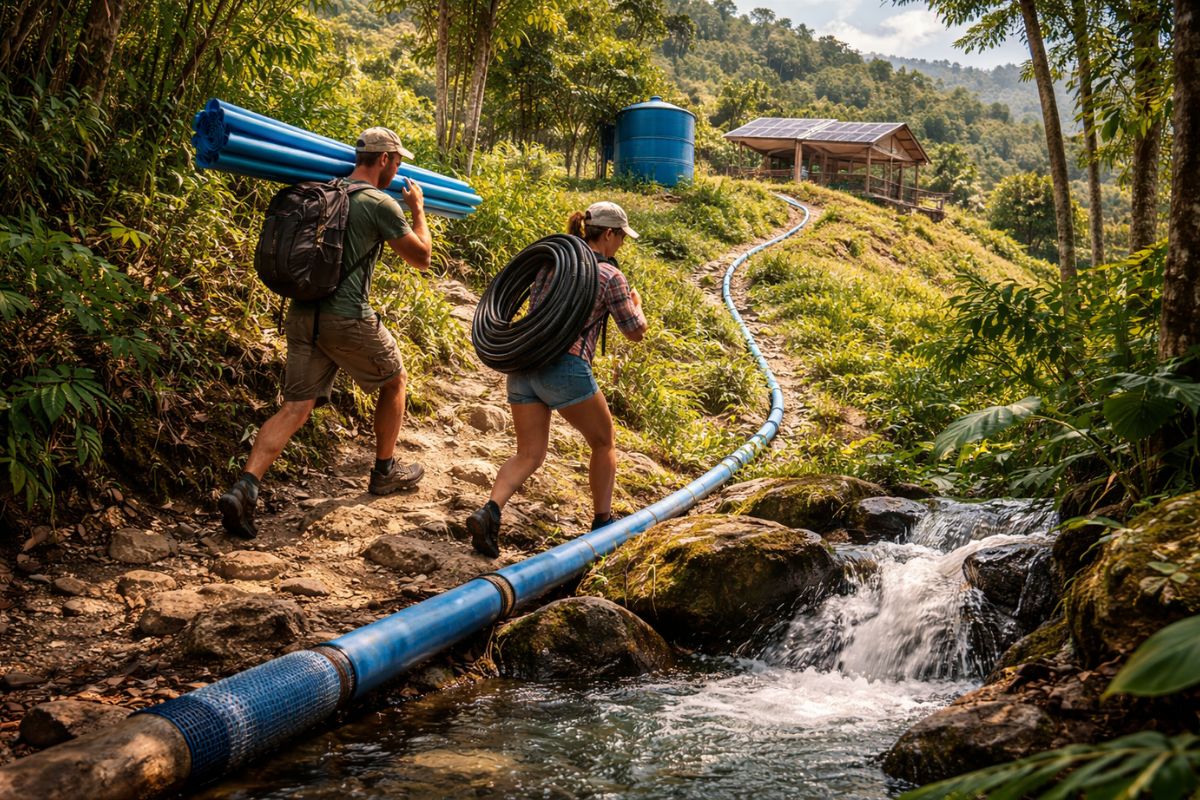
A couple builds a system to bring water from the spring to their land, climbs a hill with materials on their backs, and creates a simple, cheap, and sustainable solution to ensure their own water supply.

And it doesn’t stop there; Gerdau recently acquired a stake in the modular construction company Brasil ao Cubo and has established a strong presence in third-party logistics with G2L.
In recent years, the company, owner of several steel factories, sold operations that were not profitable in countries such as the United States, India, Chile, and Spain, raising a total of R$ 7.4 billion from the sales and used much of the money to pay off its debts. This allowed Gerdau to reduce its leverage from 4.2 times to 0.96 times.
The Steel Company Aims to Exit European and Asian Countries
Werneck stated that another strategy of the company is to cease operations in European and Asian countries, focusing 100% on American countries and creating niche businesses such as Gerdau Summit, established in 2017, alongside the Japanese Sumitomo, which produces steel parts for the wind energy industry. In this case, the process involves classic production; however, the owner of various factories is advancing into other sectors that are unimaginable for a company that grew in the art of forging steel.
Gerdau created a construction tech G2Base, which operates in the foundations of construction projects. Previously, the company only supplied the steel to be concreted, and now it sells the complete service with the foundation already ready. Werneck states that the client does not need to chase after multiple suppliers, as Gerdau delivers everything complete.
The Greatest Challenge for the CEO of Gerdau
According to Werneck, none of these moves by the owner of various steel factories would have been possible without a cultural transformation, one of the greatest challenges for him.
The transformation has made the company lighter, more agile, and with less hierarchy. Werneck states that there were too many people making decisions. What used to take around 15 days to resolve is now accomplished in less than 15 minutes. “I am more of a Chief Enabling Officer than a Chief Executive Officer,” he stated.
Under his leadership, expenses were reduced by US$ 300 million per year, totaling US$ 900 million over three years. Gerdau, under Werneck’s command, reported a surprising net profit of R$ 2.47 billion, 1,006% higher than the owner’s last year’s profit. The company’s net revenue reached R$ 16.3 billion, which is 77% more than in 2020.






Seja o primeiro a reagir!