





 English
  Francês
  Alemão
  Italiano
  Japonês
  Norueguês
  Portuguese
  Spanish
  5 min of reading
  0 comments


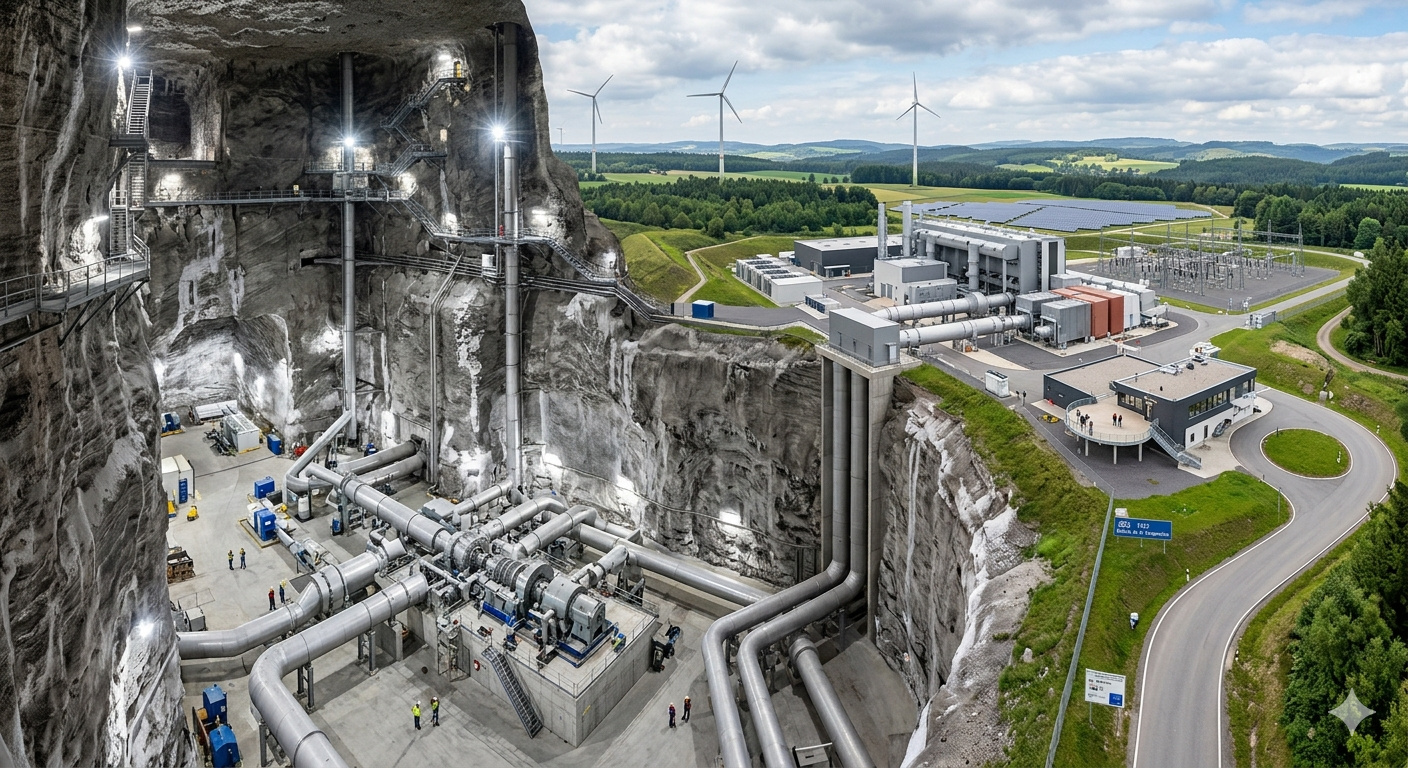
Germany invests in energy storage with compressed air in salt caverns to face Dunkelflaute and stabilize renewable network
In November 2024, Germany spent an entire week with renewable energies generating only 30% of the country’s electricity. The wind virtually stopped, the sun was covered for consecutive days, and gas and coal plants had to take over the remaining generation, raising prices in the electricity market from 40 euros per megawatt-hour — considered a normal level — to 820 euros per megawatt-hour in just one day. In December, another episode raised prices again, exceeding 175 euros.
This phenomenon is known in Germany as Dunkelflaute, a term that describes prolonged periods of low wind and solar generation simultaneously. As the country moves forward with the shutdown of nuclear and coal-fired power plants while expanding its renewable matrix, the structural risk of such events increases. The answer to this problem may lie hundreds of meters below the Earth’s surface.
Limitations of lithium batteries in long-duration renewable energy storage
Germany currently has more than 170 gigawatts of installed capacity combining wind and solar energy, the largest in Europe. However, the intermittency of these sources creates a mismatch between generation and consumption, especially during critical periods.
-
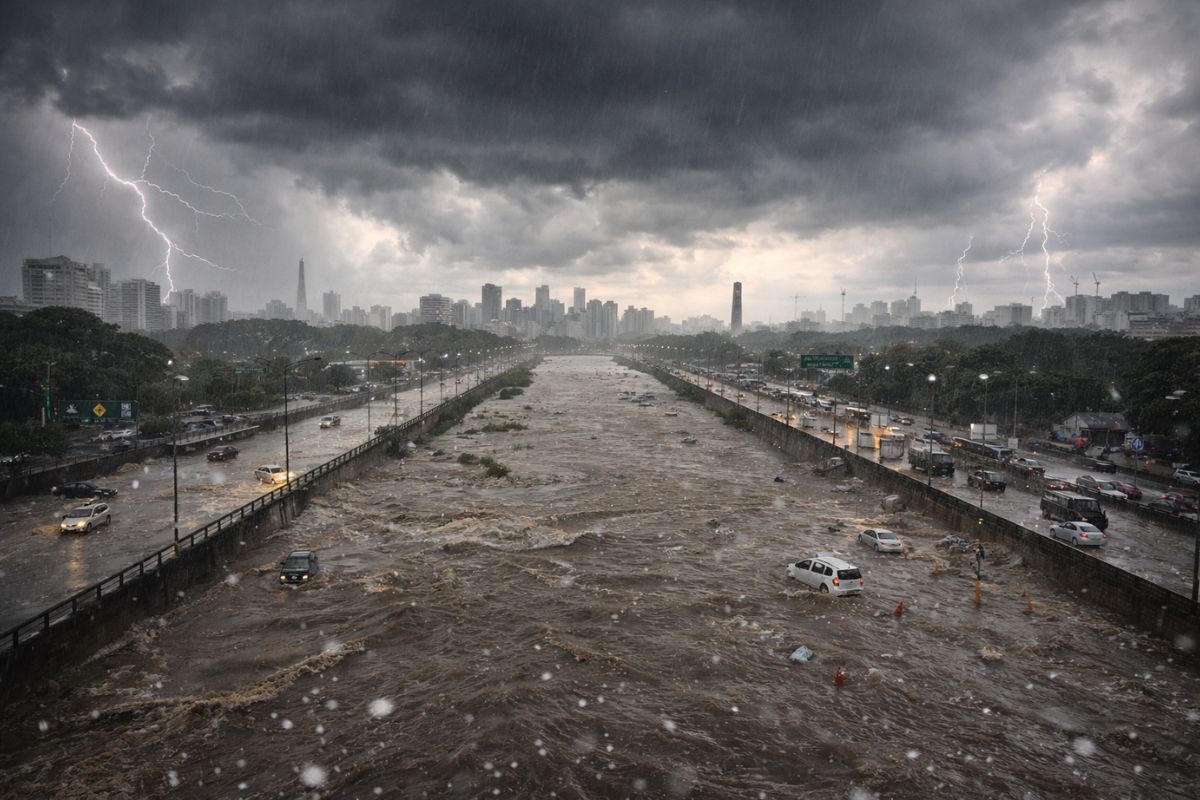
The Civil Defense issued a severe alert for all regions of São Paulo simultaneously this Thursday due to the risk of flooding, hail, and overflow in the Tietê and Pinheiros riverbanks during heavy rain in the capital.
-
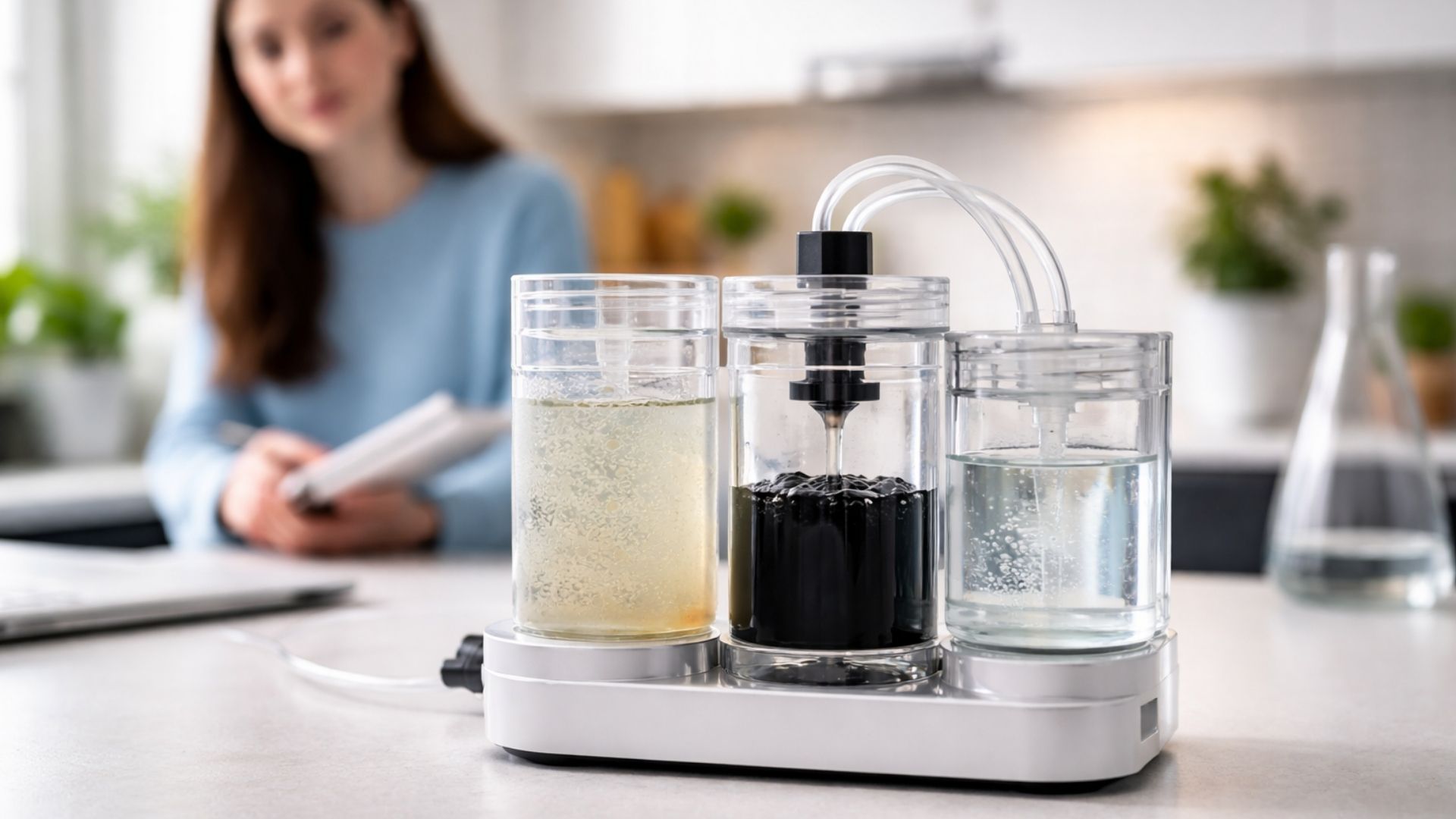
Goodbye plastic in water: teenager creates a filter that removes 95.52% of microplastics, reuses 87.15% of magnetic ferrofluid, and rivals traditional systems in a compact high-efficiency home prototype.
-
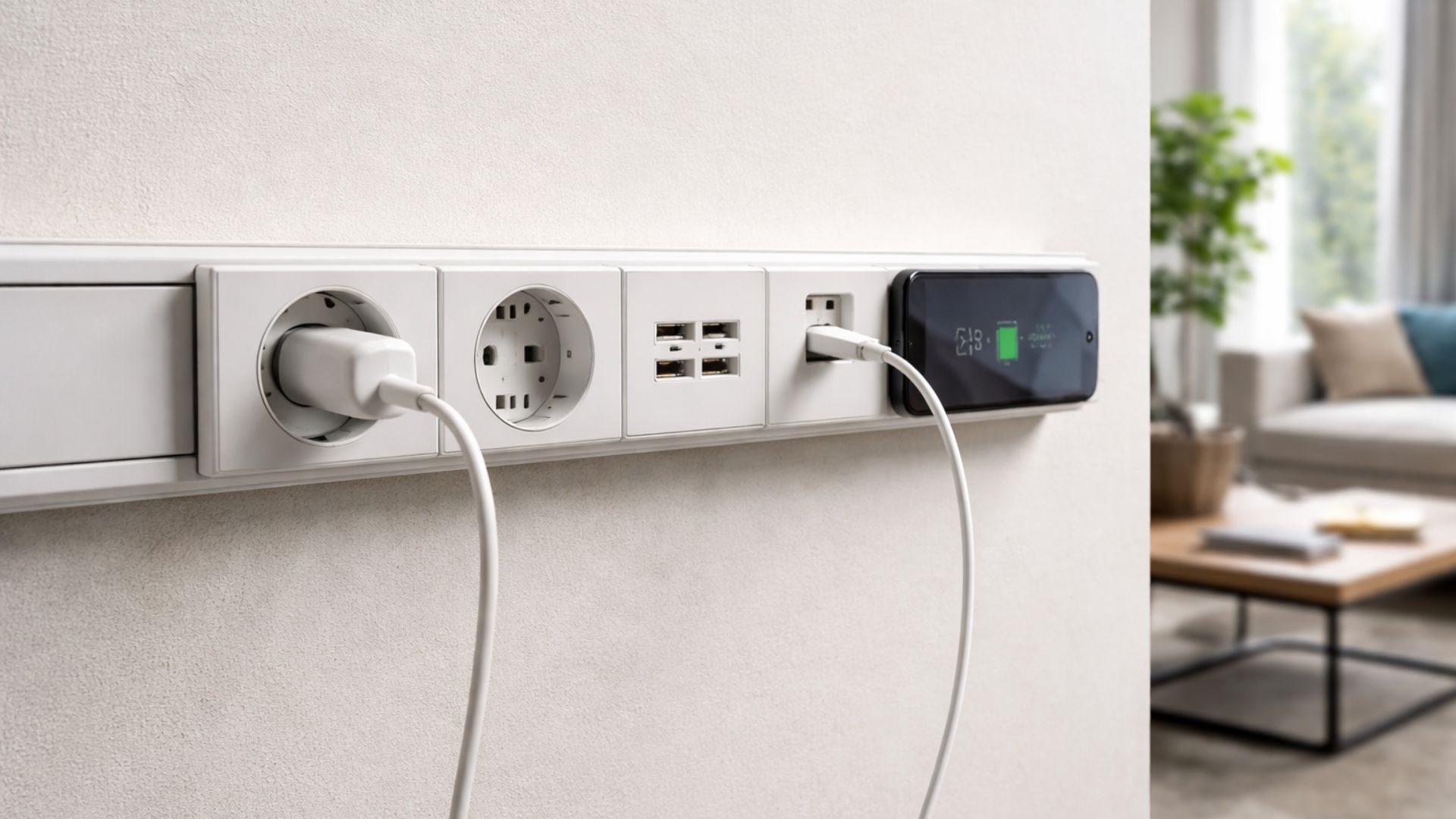
Goodbye to traditional outlets: the new system requires no construction and allows up to 10 modules per track with USB-C, overload protection, and installation in minutes, transforming homes and eliminating dangerous extensions.
-
Norsul achieves CAP 1 classification with the chemical ship Taruca after dry docking and reinforces operational excellence in maritime transport.

Lithium batteries are effective for balancing short-term variations, such as fluctuations of minutes or a few hours. However, a Dunkelflaute can last for days or weeks, completely exceeding the operational capacity of these technologies. During the events of 2024, the country needed to import about 10.5 gigawatts of energy from neighboring countries for several consecutive days, equivalent to the continuous output of multiple nuclear plants.
Other alternatives also present structural limitations. Hydroelectric reservoirs require suitable topography, something scarce in Germany on a sufficient scale. Green hydrogen, while promising, still has high costs and significant energy losses in the conversion process.
Energy storage with compressed air in salt caverns emerges as a strategic solution
The Israeli company Augwind Energy announced, in June 2025, the construction of the first commercial plant based on AirBattery technology in Germany. The system combines hydraulic storage and compressed air in an integrated architecture.
The operation occurs in two stages. When there is excess energy in the grid, electric motors pump water into underground chambers, compressing the adjacent air. This air is then transferred to salt caverns located hundreds of meters deep, where it remains stored under pressures ranging from 50 to 200 bar.

When energy is needed, the process is reversed. The compressed air returns, displacing the water and activating hydraulic turbines that generate electricity. The system operates without fossil fuels, without chemical reactions, and without a theoretical limit on operational cycles.
Salt caverns allow large-scale and long-duration energy storage
The choice of salt caverns is one of the central elements of the technology. Germany has more than 400 of these underground formations, mainly in the northern region, many already historically used for natural gas storage.
Salt has unique geological properties, including plastic behavior under pressure, which allows it to naturally seal cracks and prevent leaks. This phenomenon, known as “creep,” ensures the structural integrity of the caverns even under high internal pressures.
A single cavern can store between 3 and 8 gigawatt-hours of energy. Practically, this is enough to supply hundreds of thousands of homes for several hours or even an entire day, depending on demand.
Compressed air can store energy for months without significant losses
One of the main differentiators of the AirBattery system is its long-duration storage capability. Unlike chemical batteries, which suffer self-discharge over time, compressed air remains stable within the caverns.
According to data presented by the company, energy can be stored for months without significant losses, allowing for the transfer of production surpluses from summer to periods of low generation in winter. This type of seasonal storage is considered one of the greatest challenges of the energy transition.
Energy efficiency and cost of AirBattery redefine economic viability of storage
The efficiency of the system, measured in the complete cycle of charge and discharge, varies between 47% in initial tests and projections above 60% in commercial installations. Although lower than the efficiency of lithium batteries, which can exceed 90%, the cost compensates for the difference.
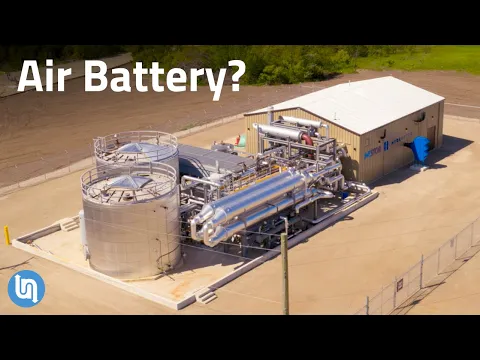

Compressed air storage has estimated costs between 10 and 15 dollars per kilowatt-hour, significantly lower than the 150 to 300 dollars of conventional batteries. Additionally, the lifespan can exceed 40 years without significant degradation, completely altering the total cost over time.
Germany has ideal geological and energy conditions for adoption of the technology
The geographical distribution of salt caverns coincides with the regions of highest wind generation in Germany, especially in the northern part of the country. This reduces the need for expanding transmission networks and allows energy to be stored close to the generation point.
The energy crisis that began in 2022, following the reduction of Russian gas supply, accelerated the search for structural solutions. The need to ensure energy stability in an increasingly renewable-dependent system has made long-duration storage technologies a priority.
The Augwind project in Germany is currently in the licensing phase, with an expected operational start between 2027 and 2028. The initial installation is expected to operate with a capacity between 3 and 10 megawatts, functioning as a proof of concept on a commercial scale.
Other European companies are also advancing with similar projects, including initiatives in the Netherlands and Poland. The convergence of different players around the same technology indicates the growing maturity of the sector.
Compressed air eliminates dependence on critical minerals and global supply chains
Unlike chemical batteries, the AirBattery system does not rely on minerals such as lithium, cobalt, or nickel. The main inputs are air, water, structural steel, and natural geological formations.
This characteristic reduces exposure to complex supply chains and geopolitical risks associated with the mining and refining of these materials. For Europe, which seeks greater energy autonomy, this factor represents a significant strategic advantage.
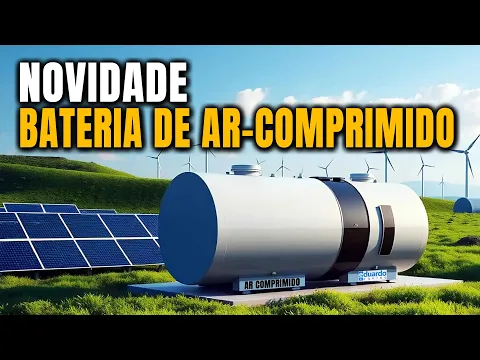
With the increasing share of renewable sources in the electricity matrix, the main challenge shifts from generation to storage. Systems capable of storing energy for days, weeks, or months are essential to ensure grid stability.
The use of salt caverns for compressed air storage represents a solution with potential for scale, low cost, and long duration. Although it presents higher energy losses than other technologies, its application in seasonal storage could redefine the economic logic of renewable energy.
By investing in this approach, Germany positions itself at the forefront of a new energy infrastructure that can be replicated in other countries with similar geological characteristics.




Seja o primeiro a reagir!